Film Financing: How Indie Movies Get Funded and Made
When you think of film financing, the process of raising money to produce a movie, often through a mix of private investors, grants, pre-sales, and studio deals. Also known as movie funding, it's what turns a script into something you can watch on screen—no matter how small the budget. Most people assume big studios fund everything, but the real heartbeat of cinema today? Independent films built on smart, creative financing. These aren’t just passion projects—they’re businesses. And like any business, they need cash flow, risk management, and a clear path to return.
Slate financing, a strategy where multiple films are funded together as a portfolio to spread risk and attract larger investors is one of the most powerful tools indie producers use today. Instead of betting everything on one movie, they bundle three or four projects. If one flops, the others can still pay back investors. This approach isn’t new, but in 2025, it’s becoming the standard for serious indie producers who want to build a lasting career, not just one hit. Related to this is film library valuation, how older movies are priced and sold as long-term assets based on streaming rights, international demand, and cultural relevance. A 1980s cult classic might earn more today than it did in theaters because platforms like MUBI or Criterion Channel are willing to pay for niche audiences. That’s why smart producers now think decades ahead—not just about their next shoot, but what their entire catalog could be worth in ten years.
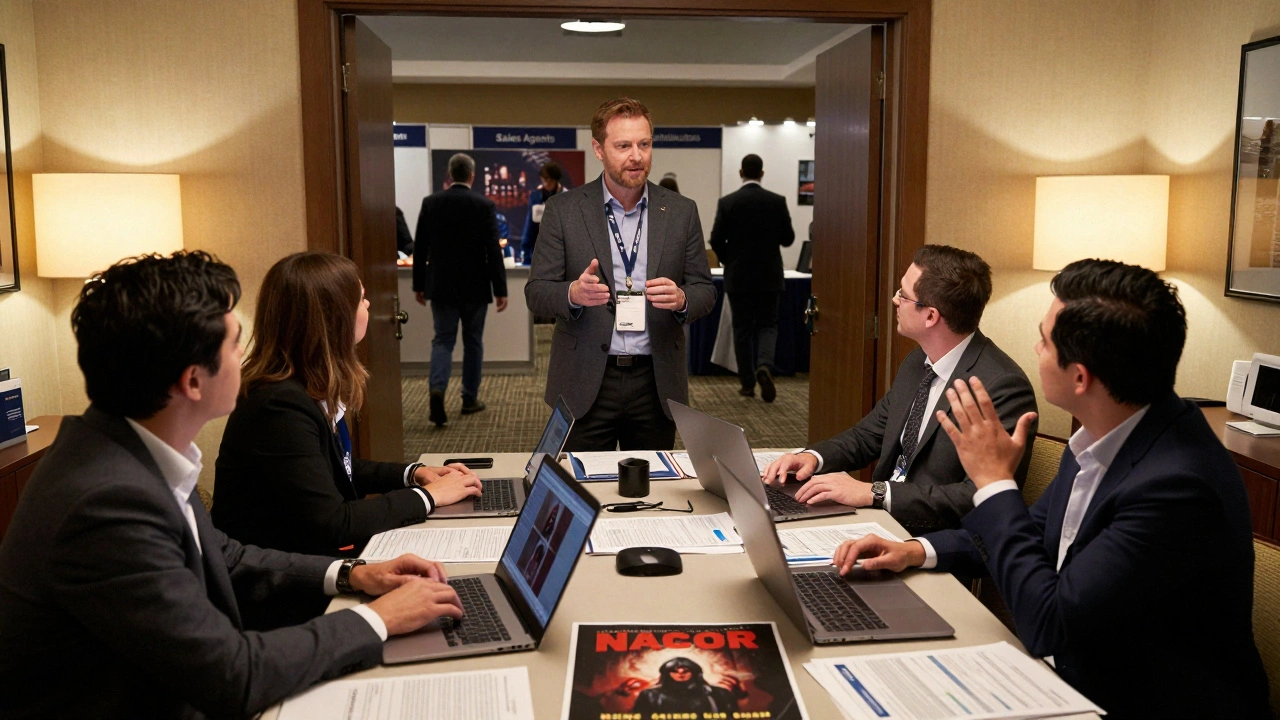
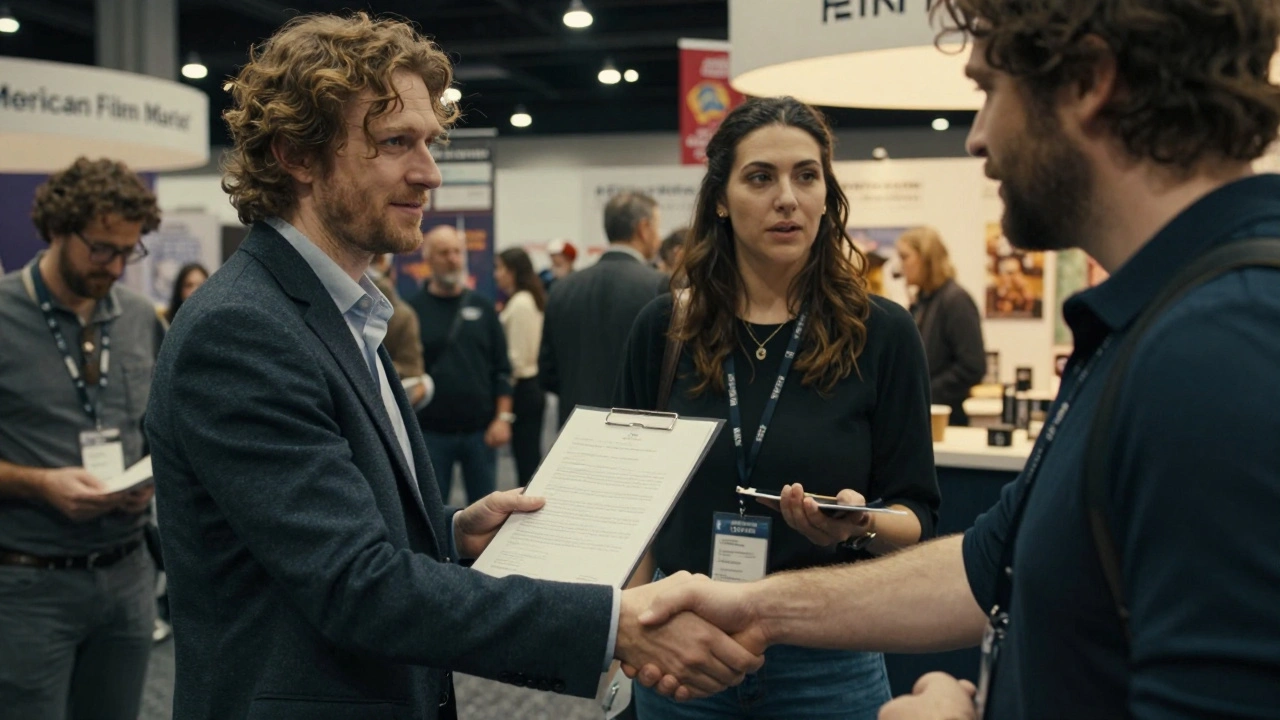
And it’s not just about who writes the check. film distribution, how a movie reaches audiences through theaters, streaming, TV, or physical media is tied directly to financing. Investors want to know: Where will this film make money? Will it land on Netflix? Can it play at Sundance and then sell to a streamer? Can it be marketed to a specific community—like anime fans, documentary lovers, or horror audiences? The best financiers don’t just hand over cash; they help shape the film’s release plan from day one. That’s why many indie producers now work with producer reps, agents who connect films with buyers at markets like AFM or Cannes even before filming wraps.
You’ll find real examples of all this in the posts below. From how to structure a slate deal that actually attracts investors, to how a documentary filmmaker secured funding by proving their film could go viral on YouTube, to why a low-budget thriller sold for six figures because its producer knew exactly which streamer wanted that genre. This isn’t theory. These are the tactics working right now. Whether you’re trying to get your first short funded or building a catalog of films for long-term income, the answers are here.