
When a film studio or independent producer takes money from investors to make a movie, there’s a big risk: what if the movie never finishes? What if the director quits, the budget runs out, or a lead actor gets injured? That’s where a completion bond comes in. It’s not a traditional insurance policy. It’s a financial guarantee that the film will be delivered on time and on budget-or the bond company pays up.
What Exactly Is a Completion Bond?
A completion bond is a contract between a film producer, a financier (like a bank or studio), and a completion bond company. The bond company agrees to step in if things go wrong during production. If the movie can’t be finished, the bond company pays the financier the full amount they lent, plus interest. In return, the bond company takes control of the production to make sure the film gets done.
This isn’t just a safety net. It’s a deal-breaker. Most banks and studios won’t fund a movie without one. Even big-name directors need them. Think of it like a home mortgage: the lender doesn’t just trust you’ll build the house-they require a contractor to guarantee it gets finished.
How It Works: The Three Players
There are three key players in every completion bond:
- The Producer: The one who needs the money to make the film.
- The Financier: The bank, studio, or investor who gives the money.
- The Bond Company: The insurer that guarantees delivery.
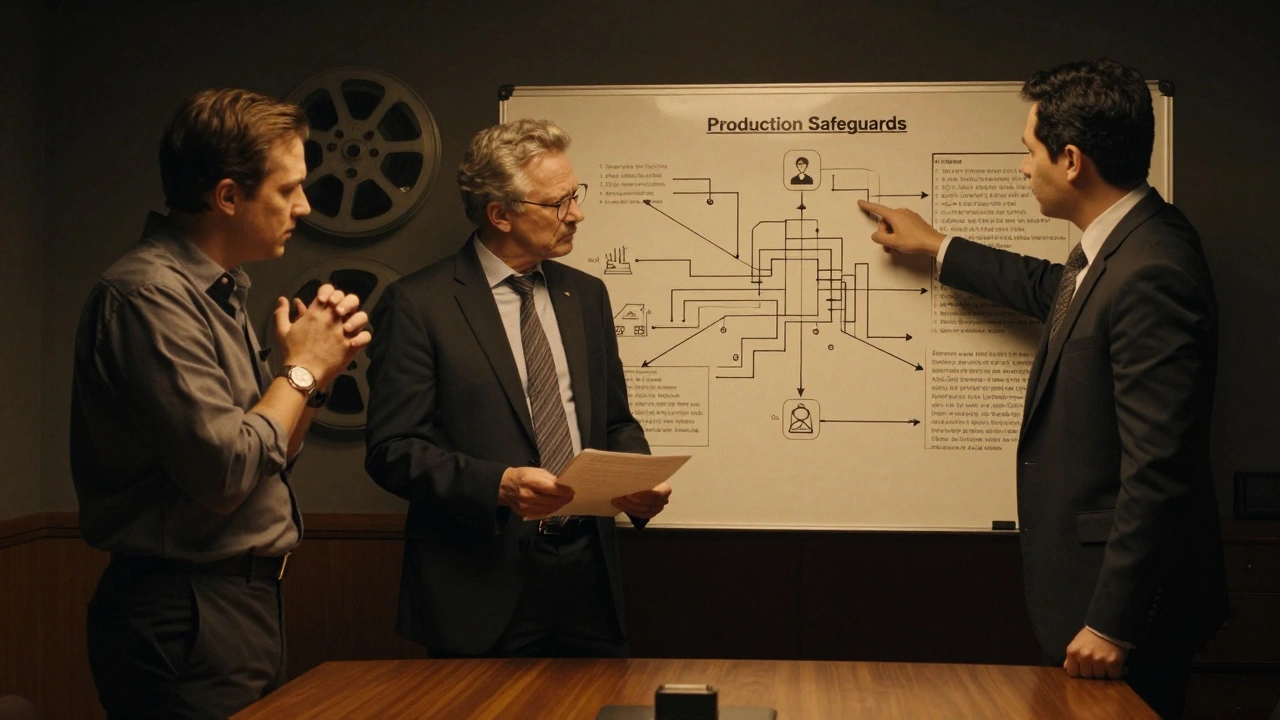
The bond company doesn’t just hand over cash if things go south. They actively manage the production. They hire their own line producer, review every budget line, and approve every spending decision. If a scene costs $200,000 to shoot and the budget says $150,000, the bond company says no-unless the producer can prove it’s necessary.
They also monitor the schedule. If a shoot falls behind by more than five days, they’ll step in. They might replace the director, restructure the shooting plan, or even bring in a new crew. Their goal isn’t to make the best film-it’s to make sure the film is finished and can be sold.
Why Financiers Demand It
Why do banks care if a movie gets finished? Because they’re not in the business of making art-they’re in the business of getting their money back.
Independent films often have no box office stars, no proven track record, and no guaranteed distribution. Without a completion bond, a financier could lose millions if the production collapses. That’s why nearly every film with a budget over $5 million requires one.
Even big studios use them for risky projects. For example, when Sony funded the 2018 film Bohemian Rhapsody, they used a completion bond because the original director was fired mid-shoot. The bond company stepped in, hired a new director, and kept the film on track. It went on to earn over $900 million.
What Gets Covered? What Doesn’t
Completion bonds cover:
- Overages in production costs
- Delays beyond the agreed schedule
- Loss of key cast or crew (if not replaced)
- Legal issues that halt production
- Equipment failure or location problems
They don’t cover:
- Marketing costs
- Post-production delays (unless caused by unfinished principal photography)
- Box office failure
- Creative disagreements that don’t stop filming
- Changes in distribution deals
The bond company only cares about getting the film to the finish line. What happens after that-how many people watch it, how much money it makes-isn’t their problem.
Costs and Fees
Completion bonds cost between 2% and 5% of the total production budget. For a $20 million movie, that’s $400,000 to $1 million. That’s a lot-but it’s cheaper than losing $20 million.
The fee covers:
- On-site monitoring
- Financial audits
- Legal oversight
- Contingency reserves
Some bond companies also require the producer to put up collateral-like a personal guarantee or a lien on future revenue. If the film goes over budget, the bond company can seize that collateral to cover losses.
Who Issues Completion Bonds?
There are only a handful of companies that do this well. The big ones include:
- Completion Bond Company (CBC) - The original, founded in 1972
- Producers Sales Organization (PSO) - Now part of Aviron
- Financiers Bonding Company - Focuses on mid-budget films
- Guaranty Trust Company - Handles international co-productions
These companies have teams of former producers, accountants, and lawyers who’ve seen every disaster possible. They know how to fix a broken shoot, how to negotiate with unions, and how to salvage a film when the director walks off set.
What Happens When a Film Fails?
If a movie can’t be finished, the bond company pays the financier. Then they own the film. They’ll try to sell it as-is, often cutting it down to a lower budget version. Sometimes they’ll finish it with a cheaper crew. Sometimes they’ll just dump the footage on streaming platforms as a low-cost acquisition.
It’s not glamorous. But it’s business. And in Hollywood, business often beats art.

Real-World Example: The 0 Million That Almost Vanished
In 2022, a mid-budget sci-fi film titled Orion’s Edge went over budget by $18 million and fell behind schedule by nine months. The director had a breakdown. The lead actor sued over contract terms. The producer ran out of cash.
The completion bond company stepped in. They fired the director, hired a new one for half the cost, cut two major action sequences, and reshot the ending with a smaller cast. They also renegotiated with the union to avoid a strike. The film was delivered 11 months late-but it was delivered.
The bond company paid $18 million to the financier. Then they sold the finished film to a streaming service for $22 million. They made a profit. The financier got their money back. The producer lost control-but didn’t lose everything.
Why This Matters to Independent Filmmakers
Many indie filmmakers hate completion bonds. They feel like they’re being watched, controlled, and micromanaged. But here’s the truth: without one, they can’t get funded.
There’s no such thing as a ‘no-strings-attached’ loan in film. Investors need protection. And if you want to make a movie with real money, you need to play by the rules.
Think of the bond company not as a villain, but as a referee. They don’t decide the story. They just make sure the game gets played.
Alternatives to Completion Bonds
Some producers try to avoid bonds by:
- Using personal savings
- Crowdfunding
- Bartering services
- Partnering with tax credit programs
But these don’t replace a completion bond. Crowdfunding doesn’t guarantee delivery. Tax credits don’t cover overages. Personal savings? One bad accident and you’re bankrupt.
There’s no shortcut. If you’re raising institutional money, the bond is non-negotiable.
Final Thought: It’s Not About Trust-It’s About Risk
Hollywood is built on dreams. But it’s financed by spreadsheets.
A completion bond doesn’t care if your film is brilliant. It cares if it’s done. And in an industry where 40% of films go over budget and 25% miss their deadlines, that’s the only thing that matters.
If you’re serious about making a movie with real money, don’t fight the bond. Understand it. Work with it. And know that the person watching your budget every day isn’t trying to kill your vision-they’re trying to make sure your vision doesn’t vanish into thin air.
Do all films need a completion bond?
No, not all films need one. Small indie films under $1 million, especially those funded entirely by personal savings or crowdfunding, often skip it. But any film with institutional financing-banks, studios, or private equity-will require a completion bond. It’s standard practice for budgets over $5 million.
Can a completion bond company stop a film from being made?
Yes. If the bond company believes the production is too risky-whether due to budget overruns, crew instability, or legal issues-they can withhold funding or even take over the project. They’ve got the legal right to replace the director, cut scenes, or reshoot entire segments to ensure delivery. Their priority is finishing the film, not preserving creative choices.
What happens if the film is completed but doesn’t make money?
Nothing. The completion bond only guarantees delivery, not profitability. If the film is delivered on time and on budget, the bond company’s job is done. Whether it earns $10 million or $100 million doesn’t affect the bond. Financiers accept that risk when they invest.
How long does it take to get a completion bond approved?
It usually takes 4 to 8 weeks. The bond company reviews the script, budget, schedule, cast contracts, and crew resumes. They’ll interview the producer and often send a representative to meet the team. If everything looks solid, they issue the bond. If there are red flags, they may demand changes before approving.
Can a producer get out of a completion bond once it’s signed?
No. Once signed, the bond is legally binding. The only way out is to fully repay the financier and buy out the bond. Most producers can’t afford that. That’s why it’s critical to choose the right bond company and be honest about your risks from the start.






Comments(5)