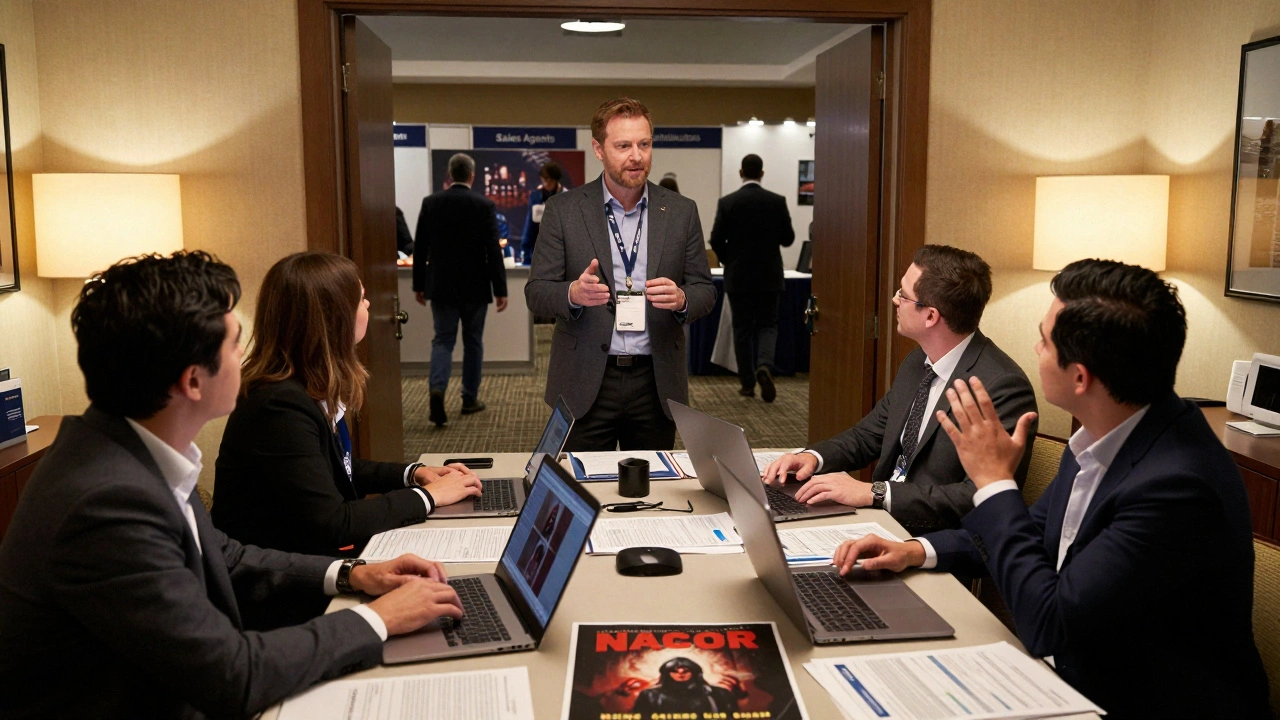
The American Film Market (AFM) isn’t just another film festival. It’s where movies get bought, sold, and distributed before most audiences ever hear their titles. Held every November in Santa Monica, California, AFM is the world’s largest commercial marketplace for film and TV content. Unlike Sundance or Cannes, where buzz and awards drive deals, AFM runs like a high-stakes stock exchange - no red carpets, no premiere screenings, just contracts, budgets, and buyers with laptops open on hotel room tables.
If you’re a filmmaker wondering how your movie finds an audience, or a producer trying to understand where the money comes from, AFM is the engine behind it all. This isn’t theory. It’s the real, messy, fast-moving world where independent films live or die based on one 15-minute pitch and a handshake.
What Happens at the American Film Market?
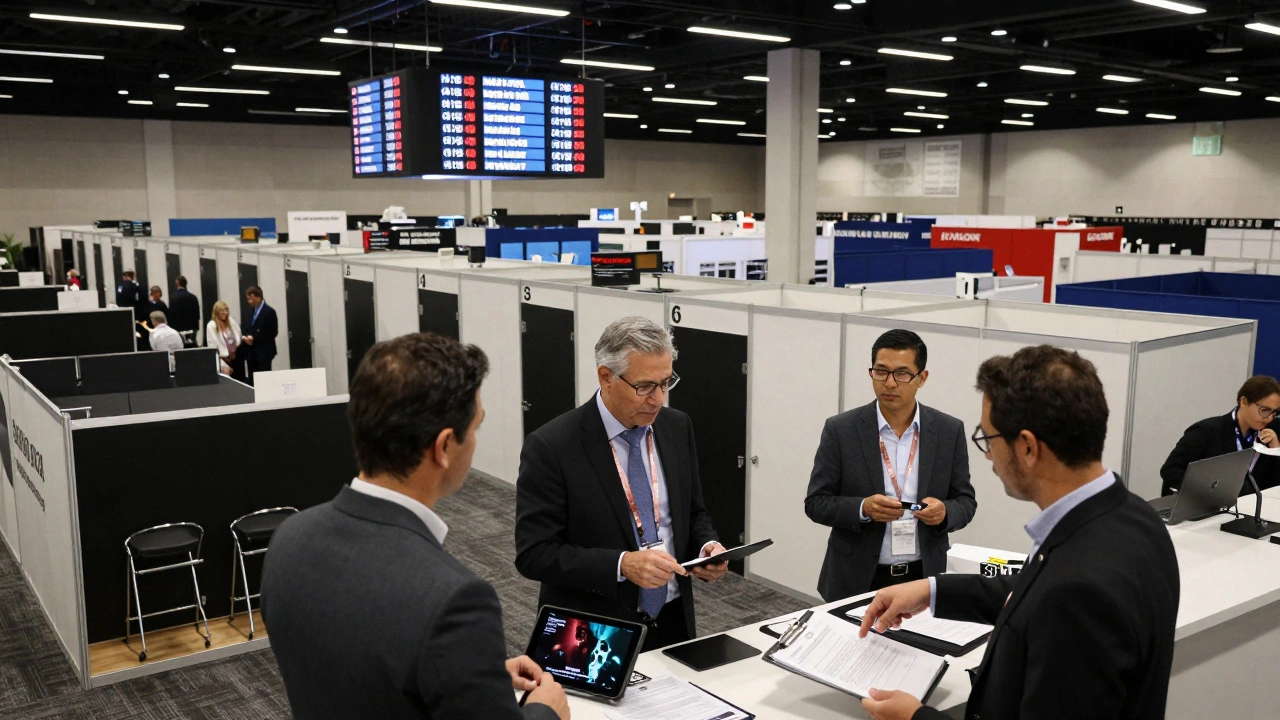
AFM is a five-day, 700,000-square-foot trade show with over 8,000 industry professionals. You won’t find public screenings. Instead, you’ll find:
- Over 3,000 film and TV projects in the marketplace
- 1,500+ companies from 70+ countries - distributors, sales agents, financiers, streaming platforms
- 300+ company booths, 100+ screening rooms, and 50+ conference sessions
- Millions of dollars in pre-sales and financing deals
Think of it like a giant wholesale market - but instead of apples or electronics, you’re trading rights to movies. A producer might sell North American rights to a streaming service, European rights to a TV network, and Latin American rights to a boutique distributor - all in one week.
There’s no waiting for critics to review your film. The deal happens before the film is even finished. That’s how financing works here: buyers commit based on trailers, scripts, cast, and track record. If you have a known actor, a strong genre, and a clear audience, you can lock in a $2 million deal before the final cut.
Who’s Buying? Who’s Selling?
At AFM, everyone has a role. The players aren’t always glamorous, but they’re the ones who make movies possible.
Sellers are usually independent producers, sales agents, or studios with finished or nearly finished films. They bring trailers, pitch decks, and financial projections. Their goal? Get paid upfront - often before the film is done. A sales agent might represent 20 films at once, each with different territories, genres, and budgets.
Buyers include:
- Streaming platforms - Netflix, Amazon, Apple TV+, Hulu - all actively hunt for content to fill their libraries. They’re looking for genre films (horror, thrillers, rom-coms) that can hook niche audiences.
- Distributors - companies like Magnolia, RLJE, or Well Go USA - specialize in theatrical, VOD, and physical media. They pay for rights to specific countries or regions.
- TV networks - especially outside the U.S. - buy foreign-language films or genre content for broadcast.
- Financiers - private investors, funds, and banks - who provide gap financing or equity in exchange for a share of future revenue.
One producer I spoke with in 2024 sold rights to her low-budget horror film to 12 different distributors across Europe, Asia, and Latin America. She made $1.8 million before the film even wrapped shooting. That’s AFM magic.
How Do Deals Actually Get Made?
It’s not about who has the flashiest trailer. It’s about three things: audience, ROI, and risk.
Buyers ask: Who will watch this? How much will they pay? And how sure are we?
Here’s the process:
- Pre-booking - Months before AFM, sellers send out teaser decks to buyers. If there’s interest, they schedule meetings.
- The pitch - A 10- to 15-minute meeting in a hotel room. You show the trailer, talk about cast, budget, target audience, and comparable films. No time for fluff.
- The offer - If the buyer likes it, they send a term sheet: territory, price, release window, delivery requirements.
- The deal - Contracts are signed on-site. Payments are wired within 30 days. The film gets a release date - sometimes as soon as six months later.
Key numbers to know:
- Low-budget indie films (under $1M) often sell for $50,000-$500,000
- Mid-budget films ($1M-$5M) can bring in $1M-$3M
- High-profile projects with known actors may fetch $5M+
One rule of thumb: If your film doesn’t have a clear genre or a recognizable actor, it’s harder to sell. A horror film with a cult director and a known lead actor? Easy. A poetic drama with unknowns? Tough.
What Types of Films Sell Best?
AFM isn’t about art. It’s about predictability.
Here’s what consistently moves:
- Horror - Low cost, high return. Films like The Last Thing Mary Saw or They Look Like People have sold for 10x their budget.
- Thrillers and crime - Especially those with ticking clocks or moral dilemmas. Think Prisoners or Wind River.
- Romantic comedies - Especially those with international appeal. A clean, emotional story with a recognizable actor can sell globally.
- Documentaries - If they have a strong social angle or celebrity subject. Think Miss Americana or 13th.
- Genre films with international casts - A film with a Japanese lead and a German director? That’s a European and Asian market goldmine.
What doesn’t sell? Art films without clear audiences, slow-paced dramas without stars, or films that feel like “indie” just because they’re low-budget. Buyers want to know: Who will pay to see this?
How Do Filmmakers Get In?
AFM isn’t open to the public. You need a badge. Here’s how:
- Producer or sales agent - If you’re making a film, you can register as a producer. You’ll need a business license or proof of project development.
- Distributor or buyer - Companies with a track record can apply directly.
- Financier or service provider - Companies offering post-production, insurance, or legal services can register.
- Student or emerging filmmaker - There’s a discounted badge, but you need to show a completed short or script.
Registration costs $595 for producers, $1,295 for buyers. It’s not cheap - but if you’re serious about distribution, it’s a necessary cost. Many filmmakers use crowdfunding or pre-sales to cover the fee.
Pro tip: Don’t show up with just a script. Bring a trailer, a one-sheet, and a financial plan. Buyers want to see proof you’re not just dreaming.
What Happens After the Deal?
Signing the contract is just the start. Now comes the hard part: delivery.
Buyers require:
- Final cut approved by them
- High-resolution files (DCP, ProRes, H.264)
- Subtitles in required languages
- Clearances for music, archival footage, and trademarks
- Insurance certificates and chain of title documents
If you miss a deadline, you risk losing your payment. One filmmaker I know lost $300,000 because his music license wasn’t cleared in time. AFM doesn’t wait.
Once delivered, the film gets released - sometimes in theaters, often on VOD platforms. Sales agents track box office, streaming numbers, and royalties. They send payments quarterly. It’s not instant money. But it’s real money.
Why AFM Still Matters in the Streaming Age
With Netflix buying everything, why does AFM still exist?
Because not every film fits into a streaming algorithm. Not every story needs millions of views. Some films are made for niche audiences - horror fans in Poland, rom-com lovers in Brazil, thriller addicts in South Korea. AFM connects those audiences.
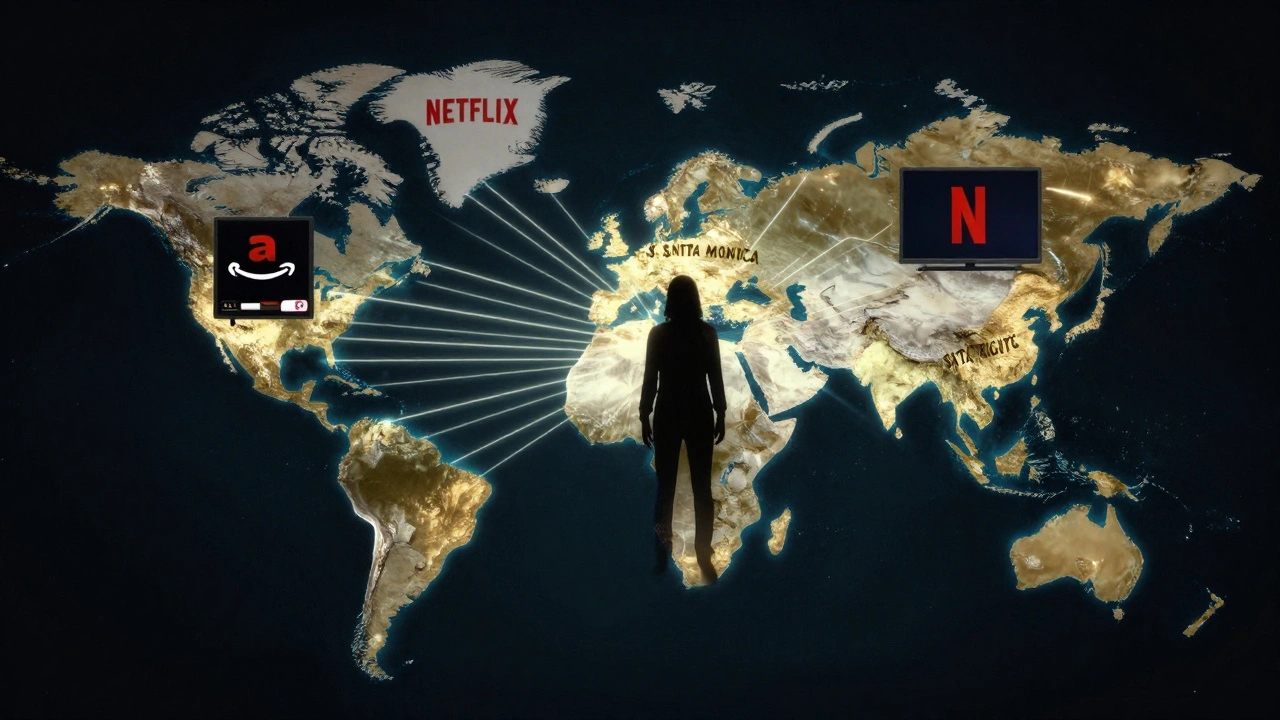
Streaming platforms still buy from AFM. But so do dozens of smaller distributors who specialize in regional markets. A film might stream on Amazon in the U.S., air on TV in Germany, and be sold on DVD in Japan - all through deals made at AFM.
It’s the last great marketplace where independent films can still find their audience without going viral.
Common Mistakes Filmmakers Make
Most people who go to AFM leave empty-handed. Here’s why:
- They think their film is “special.” Buyers don’t care if it’s “personal.” They care if it sells.
- They show up without a trailer. A 90-second trailer is worth 10 pages of script.
- They don’t know their numbers. If you can’t say your budget, your ROI, or your comparable films - you’re not ready.
- They ignore sales agents. A good agent has relationships. They know who’s buying what. Don’t try to do it alone.
- They think AFM is a festival. It’s not. There are no awards. No red carpets. Just deals.
If you’re serious about distribution, treat AFM like a business trip - not a dream.
Final Thoughts
The American Film Market isn’t glamorous. But it’s real. It’s where movies get made because someone, somewhere, decided to pay for them. It’s where a $200,000 film becomes a $2 million asset. Where unknown actors become box office names. Where a quiet drama in rural Maine finds an audience in Seoul.
If you’re making films, you need to understand this marketplace. You don’t have to love it. But you need to know how it works.
Because in the end, no one cares if your film won a prize. They care if it got seen. And at AFM, that’s where it starts.




Comments(8)