Getting a movie made isn’t just about talent and passion-it’s about cash. And when you’re an independent filmmaker, the money doesn’t come from studios. It comes from deals, loans, or advances. Two of the most common options? Distributor advances and film loans. They sound similar, but they’re worlds apart in how they work, what they cost, and who ends up in control.
What Is a Distributor Advance?
A distributor advance is money a film distributor pays upfront to secure the rights to release your movie. Think of it like a down payment on future sales. The distributor doesn’t give you cash because they believe in your vision-they give it because they think they can sell your film and make a profit.
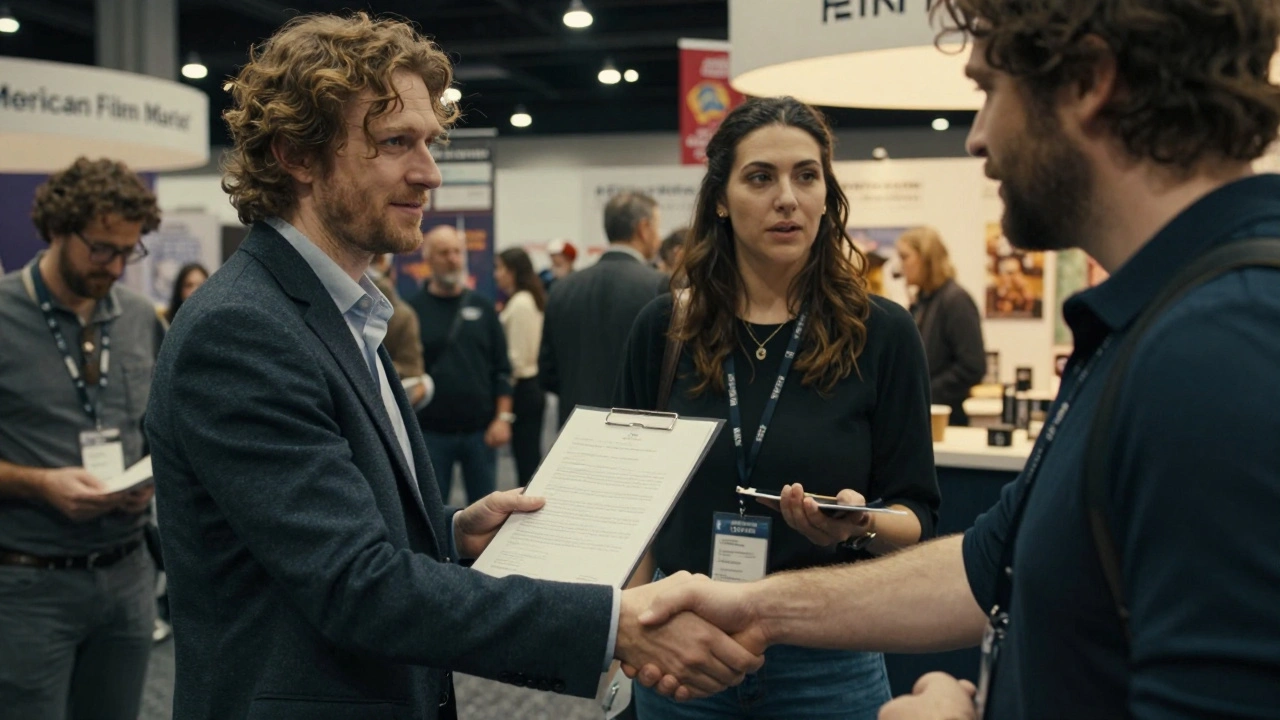
Here’s how it usually works: You finish your film. You pitch it to a distributor at a market like AFM or Cannes. They like it. They offer you $150,000 to take North American rights. You sign the deal. The money hits your account in 30 days. No repayment. No interest. But here’s the catch: you’re selling rights, not borrowing money. That means the distributor owns the rights to distribute your film in their territory-possibly forever.
Most distributor advances are recoupable. That means the distributor keeps all revenue from your film-box office, streaming, TV sales-until they’ve recovered their advance plus expenses. Only after that do you get paid. If your film makes $200,000 and the advance was $150,000 with $40,000 in marketing costs, you get nothing. The distributor breaks even. You walk away with nothing.
Advances are common for mid-budget indie films. In 2024, the average advance for a U.S. indie film at AFM was $89,000, according to the Independent Film & Television Alliance. But 68% of those films never recouped their advance, meaning the filmmakers never saw a dime beyond the upfront payment.
What Is a Film Loan?
A film loan is exactly what it sounds like: a loan. You borrow money from a lender-usually a bank, a specialized film finance company, or a private investor-and you pay it back with interest over time.
Unlike a distributor, a lender doesn’t care about your film’s content. They care about collateral. That means you need something to secure the loan: completed film, tax credits, pre-sales agreements, or even personal assets. Lenders want to know they can get their money back even if the movie flops.
Most film loans are structured as production loans. You get the money in stages-say, 40% at the start, 40% during principal photography, and 20% after wrap. Interest rates range from 8% to 18% annually, depending on risk. Repayment terms are usually 2-5 years. Some lenders require a completion bond to ensure the film finishes on budget.
One filmmaker in New Mexico used a $300,000 film loan in 2023 to shoot a Western. She had a pre-sale deal with a streaming platform for $250,000, which she used as collateral. The lender approved the loan at 12% interest over 3 years. She paid back $354,000 total. But she kept 100% of her film’s rights. When the film sold on VOD for $180,000 and got picked up by a cable network for $120,000, she cleared $146,000 in profit after repayment.
Control: Who Calls the Shots?
This is where the biggest difference shows up. With a distributor advance, you give up creative and commercial control. Distributors decide when your film releases, what the poster looks like, whether it goes to theaters or straight to streaming. They can even cut scenes without your approval if the contract allows it.
With a film loan, you keep control. You decide the release strategy, the marketing, the cuts. The lender doesn’t care how you spend the money as long as the film gets made and the loan gets repaid. You’re the boss. But that also means you’re responsible for every decision-and every mistake.
One director in Austin took a $200,000 advance from a distributor who wanted to retitle his drama as Love in the Backseat and release it on 1,200 screens in August. He refused. The distributor walked away. He turned around and got a $180,000 film loan, released it himself on VOD under the original title, and made $210,000 in 11 months. He kept 100% of the profits. But he also spent 14 hours a week on marketing.
Cost Comparison: What’s Really Expensive?
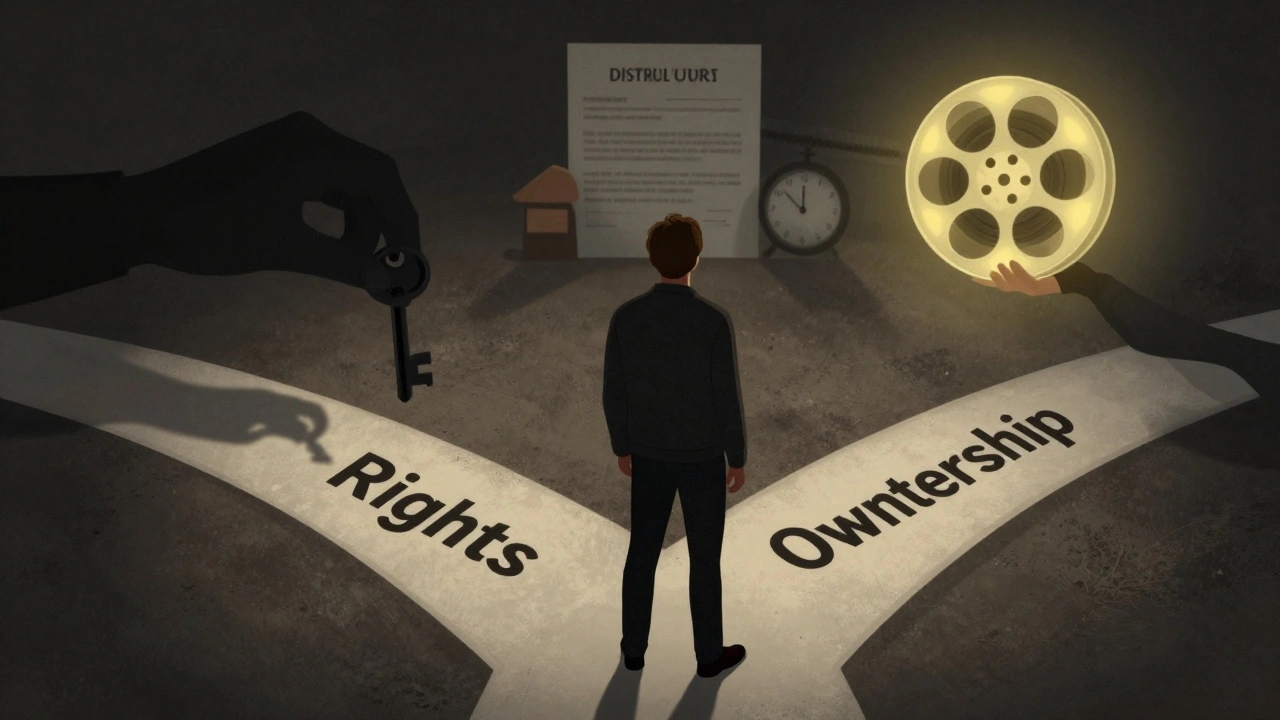
On the surface, a distributor advance looks free. No interest. No repayment. But the real cost is your rights. You’re trading future earnings for immediate cash.
Let’s say you have a film that could earn $500,000 total across all platforms. Here’s what happens:
- Distributor advance of $100,000: You get $100,000 now. Distributor keeps all revenue until they recoup $100,000 + $30,000 in marketing. You get nothing unless the film makes over $130,000. If it makes $500,000, you get $370,000-but only after the distributor gets paid first. And you don’t own the rights anymore.
- Loan of $100,000 at 12% over 3 years: You pay back $138,000 total. You keep all $500,000 in revenue. After repayment, you’re left with $362,000. You own the film. You control the future.
That’s a $8,000 difference in net profit. But the loan gives you ownership. The advance gives you cash today-and no future upside.
When to Choose a Distributor Advance
Distributor advances make sense in three cases:
- You need cash to pay off crew or vendors and can’t wait for future revenue.
- You’re a first-time filmmaker with no track record and no collateral for a loan.
- You’re okay giving up control because your goal is to get the film seen, not to build a career.
But beware: distributors don’t offer advances to films they think will flop. If they’re offering you money, it’s because they believe they can make money off it. That means your film has commercial potential-but they’re betting on their version of it, not yours.
When to Choose a Film Loan
Take a loan if:
- You have a solid plan for distribution and can prove revenue potential (pre-sales, festival buzz, platform interest).
- You want to retain creative control and future rights.
- You’re comfortable managing repayment and marketing yourself.
Loans are harder to get. You need a budget, a timeline, and proof you can deliver. But if you can secure one, you’re not just funding a film-you’re building an asset.

What Most Filmmakers Get Wrong
Most indie filmmakers think a distributor advance is a gift. It’s not. It’s a trade. And many don’t realize how much they’re giving up until it’s too late.
Another mistake? Assuming a loan is too risky. But if you’ve already spent $200,000 of your own money, why not borrow $100,000 instead of giving away 60% of your film’s future value?
And don’t forget: loans can be stacked. You can get a loan, then get a distributor advance later. Or use a loan to finish the film, then sell distribution rights for a smaller advance and keep more of the backend.
Real Talk: What Works in 2026
Streaming platforms still buy films-but they pay less than they did in 2020. The days of $1 million deals for Sundance darlings are mostly gone. But there’s more opportunity than ever in direct-to-consumer sales, niche platforms, and international markets.
Smart filmmakers now use hybrid models: a small distributor advance to cover post-production, paired with a production loan to fund shooting. That way, they keep rights and still get cash when they need it.
One filmmaker in Portland raised $120,000 through a loan from a film finance fund, then sold international rights to a distributor for $80,000. She kept North American rights, self-released on Vimeo, and earned $190,000 in 18 months. She owned the film. She paid back the loan. And she’s now shopping her next project with leverage.
Final Decision Checklist
Before you sign anything, ask yourself:
- Do I need cash now-or can I wait for revenue?
- Do I want to own my film forever, or am I okay trading it for a check?
- Can I prove my film will make money (pre-sales, festival history, audience data)?
- Am I prepared to handle marketing and distribution myself?
- Does the distributor have a track record of actually releasing films, or are they just buying rights to flip?
If you answered yes to owning your film and handling distribution, go with a loan. If you need cash fast and don’t mind giving up control, a distributor advance might work. But don’t confuse a check for success. The real win is keeping your film-and your future.
Can I get both a distributor advance and a film loan for the same movie?
Yes, and many filmmakers do. A common strategy is to use a loan to fund production and then secure a distributor advance for post-production or marketing. The key is making sure the loan terms don’t conflict with the distributor’s rights. Always have a lawyer review both contracts.
Do distributor advances come with recoupment clauses?
Almost always. Distributors recoup their advance plus marketing, festival, and delivery costs before paying you anything. That means your film might earn $500,000 and you still get $0 if the total recoupment hits $480,000. Always ask for a detailed recoupment schedule in writing.
What’s the minimum credit score needed for a film loan?
There’s no universal number. Film lenders care more about your project’s viability than your personal credit. But if you’re using personal assets as collateral, most lenders want at least a 680 score. Some specialized film funds don’t check credit at all-they look at your budget, team, and pre-sales.
Are film loans only available to U.S. filmmakers?
No. Film loans are available worldwide, but terms vary by country. In Canada and the UK, government tax credits make loans easier to secure. In Europe, co-production treaties allow multiple countries to fund one film. U.S. lenders often require U.S.-based collateral, but international filmmakers can use foreign tax credits or pre-sales as security.
Can I repay a film loan early without penalty?
It depends on the lender. Some charge prepayment penalties to protect their interest income. Others allow early repayment with no fee. Always ask for the loan agreement to include a clause on prepayment terms before signing.







Comments(5)