
Getting a movie made isn’t just about having a great script. It’s about putting together a package that investors actually want to put money behind. In independent film, where studios rarely write checks without guarantees, bankable talent isn’t a buzzword-it’s the currency. A single actor with a proven track record, or a director with a hit under their belt, can turn a risky project into a fundable one. But how exactly does that work? And why do some films get greenlit while others sit on a shelf, even with perfect scripts?
What Makes Talent ‘Bankable’?
Bankable talent doesn’t mean someone who’s famous. It means someone whose name reliably moves tickets or attracts distribution deals. Think of actors like Margot Robbie, John David Washington, or directors like Emerald Fennell and Ari Aster. These aren’t necessarily A-list box office monsters, but they’ve shown they can deliver quality films that find audiences. Studios and financiers don’t just look at box office numbers-they look at return on investment. A $5 million film with a $25 million global gross is more attractive than a $50 million film that barely breaks even.
It’s not just about box office. Streaming platforms now pay attention to audience retention, critical reception, and festival buzz. A director whose last film won at Sundance and got picked up by Apple TV+? That’s a signal. An actor who’s consistently cast in high-profile indie roles and has strong social media engagement? That’s leverage. Bankable talent is about predictability. Investors need to know: if we put money in, will this movie actually get seen?
The Role of Casting in Financing
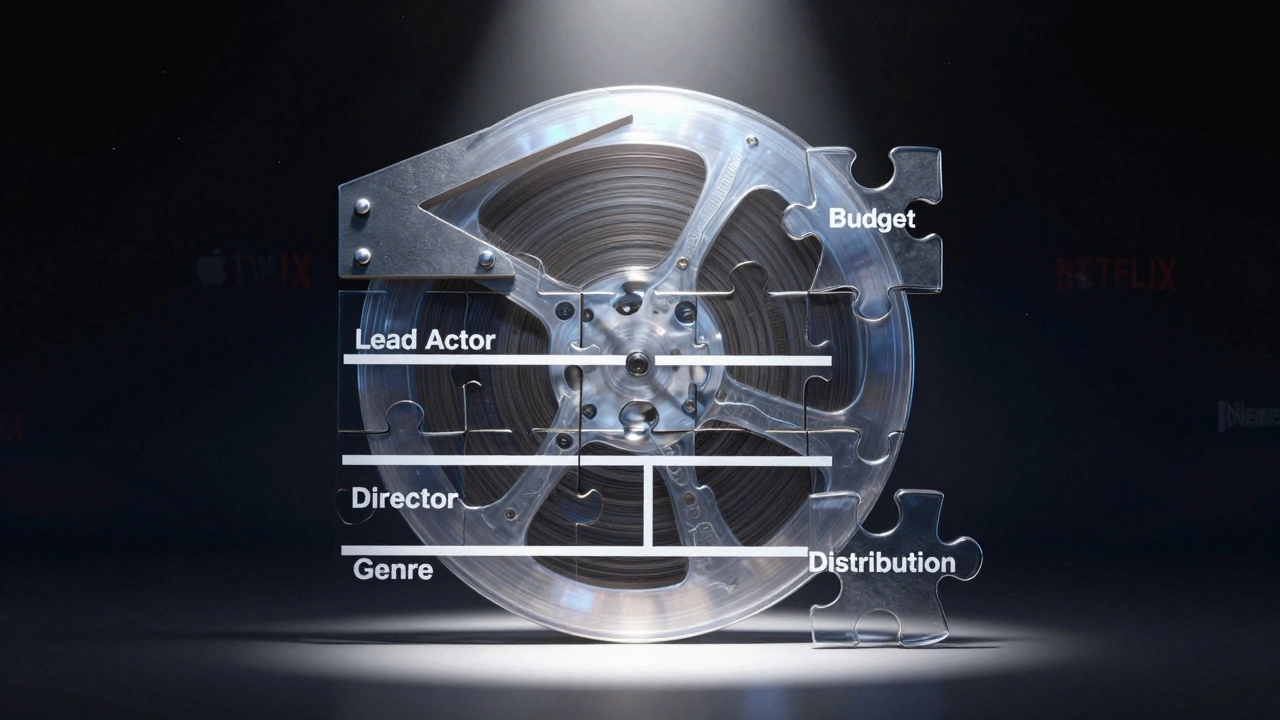
Casting isn’t just about finding the right person to play a role. In financing, it’s about assembling a puzzle that makes the whole picture sellable. Producers don’t just cast actors-they build a package. A lead actor with a strong fanbase, a supporting actor with a recent Oscar nomination, and a character actor with cult credibility? That’s a compelling combo.
Take the 2023 indie film The Last Thing He Told Me. It didn’t have a big budget, but it had Jennifer Garner as the lead. Her name alone gave the project instant credibility with streaming services. The producers didn’t wait for a studio to come knocking-they used her attachment to secure upfront financing from a European co-producer and a domestic streaming platform. The film was greenlit before a single scene was shot.
This is the power of attachment. When a known actor signs on early, it signals to other players: this project has momentum. Investors see it as de-risked. Even if the actor isn’t the main draw, their presence opens doors. A casting director who understands this can turn a modest script into a fundable package by matching roles to actors with proven appeal-not just star power, but marketability.
Directors as Financial Anchors
While actors get the headlines, directors are often the quiet engines of film financing. A director with a track record doesn’t just bring vision-they bring proof. Think of directors like Chloé Zhao, who after winning the Oscar for Nomadland, could walk into any financing meeting and get a deal. Or even someone like Trey Edward Shults, whose films It Comes at Night and Waves consistently outperformed their budgets on VOD platforms. Studios didn’t need to guess what he’d make-they could look at his past performance.
That’s why many indie films now attach a director before the script is fully locked. The director’s style, tone, and past success become part of the pitch deck. A financier might say: “We don’t love this script, but we love what this director did with a similar one.” The director’s brand becomes a proxy for quality.
Even emerging directors can be bankable if they’ve shown a pattern. A director who made a microbudget film that went viral on YouTube, then sold it to a distributor for a 10x return? That’s a data point investors track. Film financing has become more like venture capital-investors bet on founders, not just ideas.
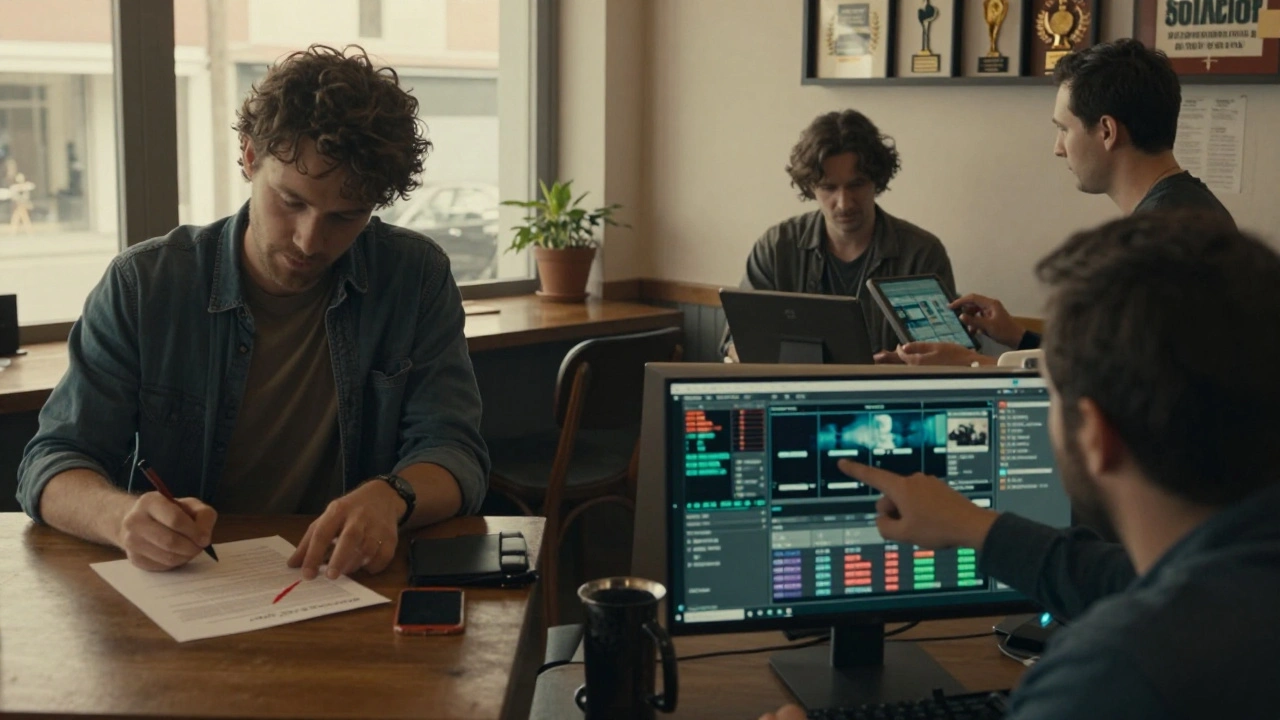
How Packages Are Built: The Anatomy of a Fundable Film
A fundable film package isn’t random. It follows a formula:
- Lead talent attachment-a recognizable name in the lead role, preferably with recent credits in similar genres.
- Director attachment-someone with a track record, even if it’s small. A festival win or a streaming hit counts.
- Genre alignment-the project fits a market that’s currently hot (e.g., horror, thrillers, or character-driven dramas in 2025).
- Production value realism-the budget matches the talent. A $15 million film with a $1 million budget won’t fly. A $2 million film with a $1.5 million budget? That’s credible.
- Pre-sales or distribution interest-even a letter of intent from a distributor makes a project feel less speculative.
Let’s say you have a script about a female mechanic in rural Ohio. It’s compelling, but no one’s heard of the writer. If you attach an actor like Florence Pugh-who’s recently starred in three critically successful films and has a strong international following-and a director who made a Sundance hit about working-class life, the project becomes fundable. You don’t need a big studio. You need a smart package.
Why Some Projects Still Fail Despite ‘Bankable’ Names
It’s not foolproof. Sometimes, even with big names, films don’t get funded. Why? Because attachment alone isn’t enough. The market shifts. A director who was hot in 2022 might be overexposed in 2025. An actor who’s great in indie dramas might not translate to international markets. And sometimes, the script just doesn’t hold up under scrutiny.
One 2024 project had a former Oscar nominee and a director with a Cannes win-but the script was a clichéd revenge thriller. No distributor wanted it. The talent was bankable, but the package wasn’t. Investors don’t just buy names-they buy confidence. If the script feels stale, or the genre is oversaturated, even the best names can’t save it.
That’s why the best producers don’t just chase stars. They pair talent with smart material. They ask: Does this actor’s recent work align with this story? Does the director’s style enhance the script, or distract from it? The magic happens when talent and story reinforce each other.
The New Reality: Data-Driven Financing
Today’s financiers don’t rely on gut feelings. They use data. Platforms like ReelScape and FilmRise track audience behavior across streaming services. They know which actors draw viewers in specific genres, which directors have the highest retention rates, and which scripts perform best in international markets.
One producer in Austin used this data to build a package for a low-budget sci-fi film. The script was modest, but the data showed that films with lead actors under 30 who also write their own material had a 40% higher completion rate on streaming platforms. They attached a first-time writer-actor with a strong TikTok following and a director who’d made viral short films. The project raised $1.2 million in 11 days through a hybrid crowdfunding and pre-sale model.
It’s not about who’s famous anymore. It’s about who’s measurable.
What You Can Learn From This
If you’re a filmmaker trying to get your movie made, here’s the hard truth: your script alone won’t get you far. You need a package. Start by asking:
- Who could realistically play the lead? Not your dream actor-someone who’s actually available and has a recent credit.
- Who’s a director with a similar tone who’s been funded before? Look at Sundance, SXSW, or Berlinale winners.
- What’s the budget range for films like this? Don’t overpromise. Underpromise and overdeliver.
- Can you get a distributor to sign a letter of intent? Even a small one helps.
Bankable talent isn’t about being the biggest name. It’s about being the right name for the right project at the right time. The best financiers don’t look for stars. They look for signals. And if you can build a package that sends those signals clearly, you won’t need a studio to say yes-you’ll have investors lining up.
What does ‘bankable talent’ actually mean in film financing?
Bankable talent refers to actors or directors whose names or past work reliably attract funding, distribution, or audience interest. It’s not about being the most famous, but about having proven results-like a film that exceeded its budget on streaming, won a festival award, or consistently draws viewers in a specific genre. Investors use past performance as a predictor of future success.
Can a film get financed without a well-known actor or director?
Yes, but it’s harder. Films without bankable names often rely on strong genre appeal, unique storytelling, or data-backed projections. For example, microbudget horror films with viral trailers or directors with a track record of festival success have raised money through crowdfunding, pre-sales, or international co-productions. The key is proving the project has a clear path to audience and revenue-even without a star.
How important is the director compared to the lead actor in securing funding?
Both matter, but directors often carry more weight in independent film. A lead actor can attract attention, but a director with a track record proves consistency. Investors know actors come and go, but a director who delivers quality on budget, on time, and with strong audience response is a long-term asset. Many financiers will back a director’s vision even if the script isn’t perfect, because they trust the director’s ability to elevate it.
Do streaming platforms care about bankable talent?
Absolutely. Streaming platforms care about retention, not just viewership. They want to know that attaching a certain actor or director will keep subscribers watching. For example, Apple TV+ and Netflix have greenlit films based on director attachments because they know those filmmakers deliver consistent quality. A director who consistently gets high completion rates on their projects is more valuable than a one-hit-wonder actor.
What’s the biggest mistake filmmakers make when trying to secure financing?
The biggest mistake is assuming a great script is enough. Even brilliant scripts sit unmade because they lack a fundable package. Filmmakers often chase A-list stars who aren’t available or attach a director whose style doesn’t match the material. The real key is alignment: talent that fits the story, budget that fits the scope, and a clear path to audience. Without that, even the best script won’t get funded.




Comments(10)