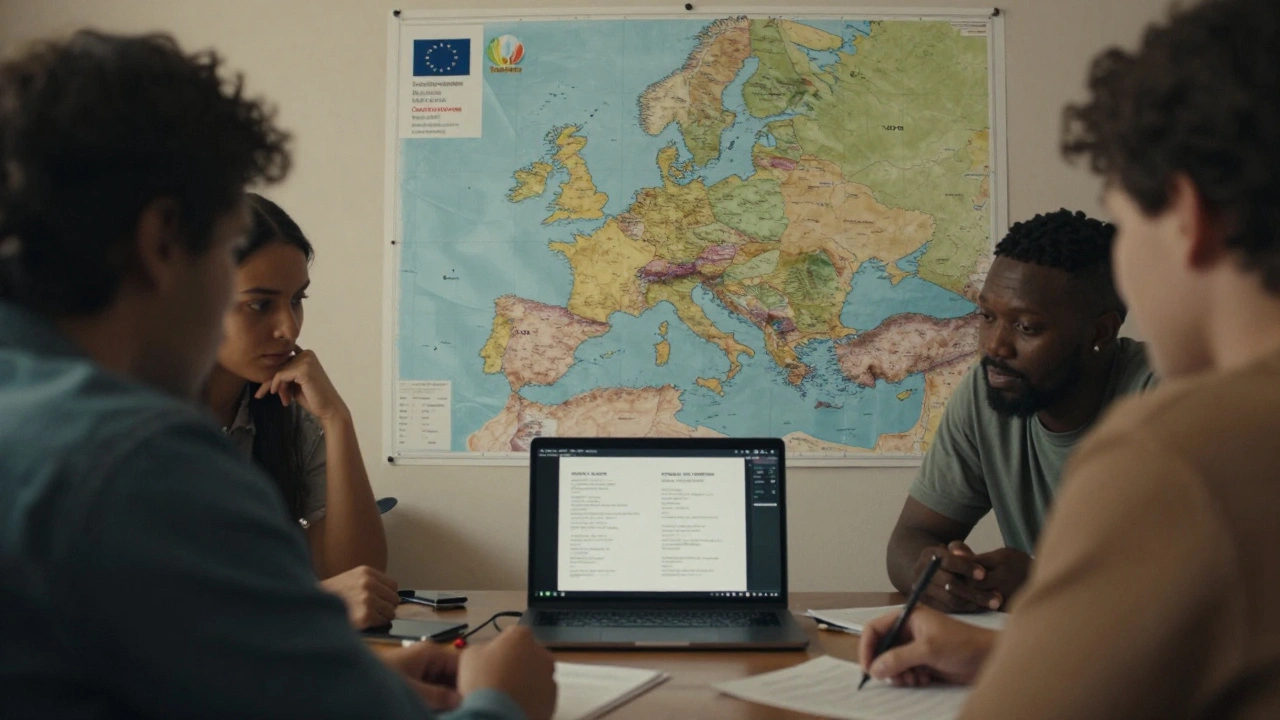
What minority co-production really means
When you hear "co-production," you might picture two big studios pooling cash and stars. But the real game-changers are the minority co-producers-smaller companies, indie filmmakers, or national film agencies from countries with limited budgets. These partners don’t lead the project, but they don’t just hand over cash either. They walk in with something more valuable: access to public funding, tax credits, local talent, and cultural authenticity that global distributors crave.
In 2023, the European Audiovisual Observatory found that 68% of European films received funding from at least two countries. Of those, nearly 40% were minority co-productions where one partner held less than 30% of the equity. These aren’t afterthoughts-they’re strategic anchors. A Canadian producer might own just 20% of a French-German film, but that 20% unlocks €1.2 million in Canadian tax credits and guarantees distribution on CBC and Crave. That’s not a footnote. That’s the engine.
How minority partners get creative control without owning the project
You don’t need majority ownership to shape the story. Minority co-producers often negotiate creative clauses buried in the co-production agreement. These aren’t vague requests-they’re binding terms. For example, a South African partner might require that at least 40% of the speaking roles go to local actors, or that the film’s language mix includes Xhosa in key scenes. A Chilean producer might demand that the film’s setting stays in Patagonia, not moved to a cheaper studio lot in Spain.
These aren’t just cultural box-ticking. They’re narrative assets. The 2022 Oscar-nominated film Argentina, 1985 was a co-production between Argentina and Spain. The Spanish partner owned 35%. But the Argentinian side insisted the script stay true to real trial transcripts. That decision gave the film its emotional weight-and its global appeal. The minority partner didn’t direct the movie. But they shaped its soul.
Minority partners often get this leverage because the majority partner needs their country’s funding. And funding bodies don’t just hand out money-they demand representation. In Canada, Telefilm requires that co-productions reflect Canadian voices. In Australia, Screen Australia mandates local crew hiring. These aren’t suggestions. They’re conditions of payment.
The money game: how small partners unlock big funding
Here’s the secret: minority co-producers don’t bring cash-they bring access to public money that private investors can’t touch. A tiny production company in Lithuania might have a budget of €50,000. But if they’re a co-producer on a film with a German studio, they can apply for Lithuanian Film Centre grants, EU MEDIA funding, and regional subsidies. Suddenly, they’re controlling €1.5 million in public money with a tiny investment.
Take the 2024 film Wolves of the North. The lead producer was a Swedish company. But the minority partner was a small Estonian firm with no prior feature credits. By signing on, they triggered €800,000 in Estonian tax incentives, plus €300,000 from the EU’s Creative Europe program. The Estonian partner spent €20,000 to secure that. That’s a 4,100% return on investment before the film even screened.
It’s not magic. It’s structure. Co-production treaties between countries-like the ones under the European Convention on Cinematographic Co-Production-create legal pathways for funding to flow across borders. Minority partners become the key that unlocks these pathways. They don’t need to be big. They just need to be legally recognized as a co-producer in their own country’s system.
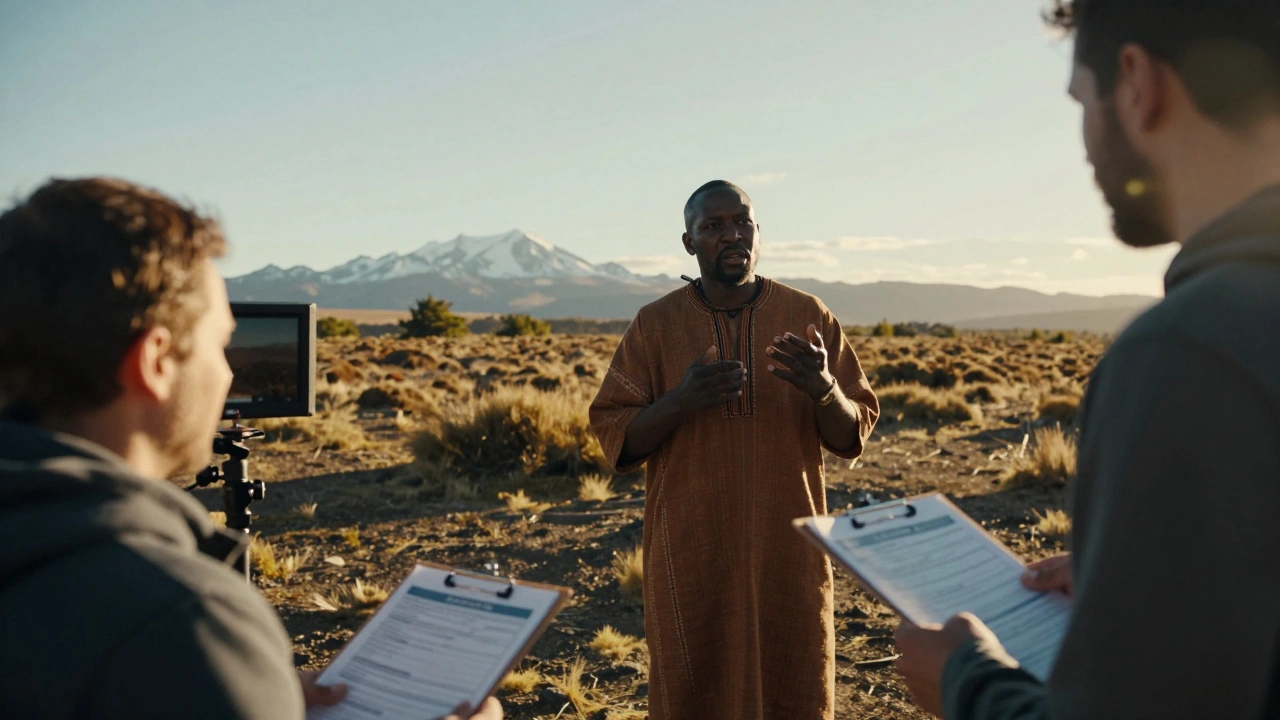
Why distribution rights are the hidden prize
Most filmmakers think distribution means Netflix or Amazon. But for minority partners, it’s about local access. A co-production agreement often includes territorial rights. A Mexican co-producer might get exclusive rights to broadcast the film on Canal Once or stream it on Vix. A Japanese partner might secure rights to screen the film in all Toho theaters.
These aren’t small deals. In 2023, the Mexican film La Sombra del Viento was a co-production with Spain. The Spanish side held 60%. But the Mexican side got exclusive rights to broadcast the film on public TV for two years. That single clause generated €450,000 in licensing revenue-more than the Mexican partner’s entire investment.
And it’s not just TV. Minority partners often get rights to film festivals in their country. A Kenyan co-producer might get guaranteed screening slots at the Nairobi International Film Festival. That’s not just exposure-it’s credibility. Festivals are where buyers look. If your film opens at a major local fest, you’re already on the radar of international distributors.
The hidden cost: what minority partners give up
It’s not all upside. Minority partners often sacrifice creative input on editing, marketing, or casting. They might have to accept a director chosen by the majority partner. They might not get final cut. They might not even see the final cut until it’s already in theaters.
And there’s bureaucracy. Co-production agreements require signed certificates from national film agencies. Delays happen. A film might be ready to shoot, but the French tax credit paperwork is stuck in a queue. The minority partner has to be patient. They have to trust the process-and the people they’re working with.
Some partners get burned. A 2022 study by the International Documentary Association found that 22% of minority co-producers reported being excluded from key creative meetings. Others were told their cultural input was "too niche"-only to see the same elements marketed as "authentic" once the film sold abroad.
The lesson? Don’t sign unless you have legal representation. Co-production treaties are complex. Contracts need clear language on creative input, funding triggers, and exit clauses. A single vague sentence can cost you millions.

Who wins when minority co-productions work?
Everyone does-if done right.
Majority partners get access to funding they couldn’t get alone. They get local talent, locations, and cultural credibility that makes their film stand out. Minority partners get funding, exposure, and a chance to build a global profile with a fraction of the risk.
Take the 2023 film Borderline, a co-production between Norway, Ukraine, and Georgia. Norway led with 55% funding. Ukraine had 30%. Georgia had 15%. The Georgian partner had never produced a feature before. But by joining, they got to train 12 local crew members, secure a national cinema release, and launch a documentary series on their own production company. Two years later, they’re now a co-producer on three international films.
This is how indie ecosystems grow. It’s not about who has the biggest budget. It’s about who can connect the dots between funding, culture, and access.
How to get started as a minority co-producer
- Know your country’s co-production treaties. Check your national film agency’s website-they list which countries have active agreements.
- Find projects already in development. Look at film markets like Cannes, Berlinale, or San Sebastián. Minority partners are often listed in project descriptions.
- Build relationships with producers who’ve done co-productions before. Ask them how they structured their deals.
- Get legal help. Hire a lawyer who specializes in international film finance. Don’t skip this.
- Start small. Pitch a 10% stake on a low-budget film. Prove you can deliver. Then scale up.
There’s no magic formula. But there is a pattern: the most successful minority partners aren’t the loudest. They’re the ones who show up with clear goals, legal clarity, and cultural value that the majority partner can’t ignore.







Comments(9)