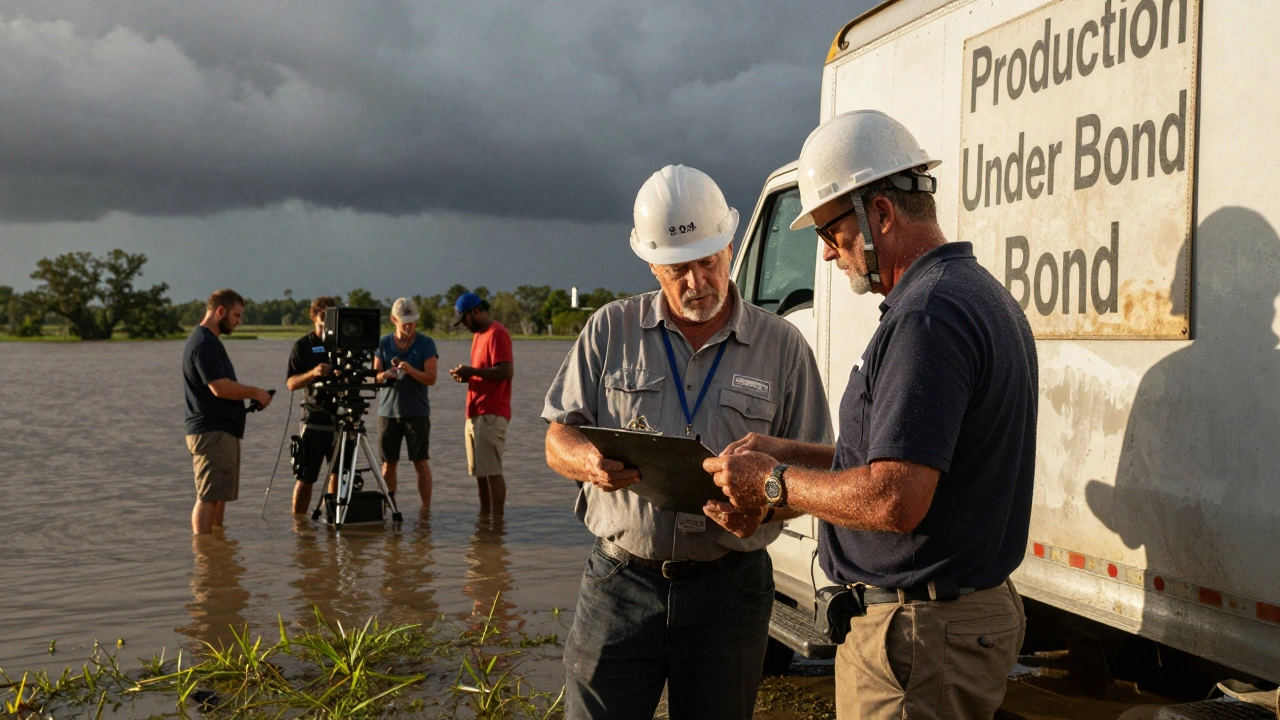
Every independent film producer knows the fear: you’ve raised the money, hired the crew, locked the locations - and then something breaks. An actor gets injured. The weather shuts down shooting for weeks. The budget runs out before the final scene. Without a safety net, your movie dies. That’s where a completion bond comes in.
What Exactly Is a Completion Bond?
A completion bond is a type of insurance policy that guarantees a film will be finished on time and within budget. It’s not just a promise - it’s a legally binding contract between the producer, the bond company, and the financiers. If the movie stalls or goes over budget, the bond company steps in to finish it. If they can’t, they pay back the investors.Think of it like a construction bond for a skyscraper, but for movies. Banks and studios won’t give you millions without one. Even streaming platforms like Netflix and Amazon now require completion bonds for high-budget indie films. Without it, you can’t get distribution. You can’t get foreign sales. You can’t get a single dollar from most lenders.
How Does a Completion Bond Work?
The process starts before filming begins. The producer hires a bond company - firms like Completion Bond Company A leading provider of completion bonds for feature films, headquartered in Los Angeles, with over 40 years of experience in the film finance industry, Producers Capital A global film finance and bonding firm that has insured over 300 productions across North America and Europe, or Film Finances The original completion bond company, founded in 1972, and still the most trusted name in film insurance. These firms don’t just write checks - they send their own team to monitor the shoot.They assign a producer’s representative - often a veteran line producer - to live on set. This person tracks daily spending, reviews schedules, and flags trouble early. If the director wants an extra week for reshoots, the rep says no unless it’s justified. If the lead actor misses three days, they investigate why. They don’t micromanage creativity, but they do protect the money.
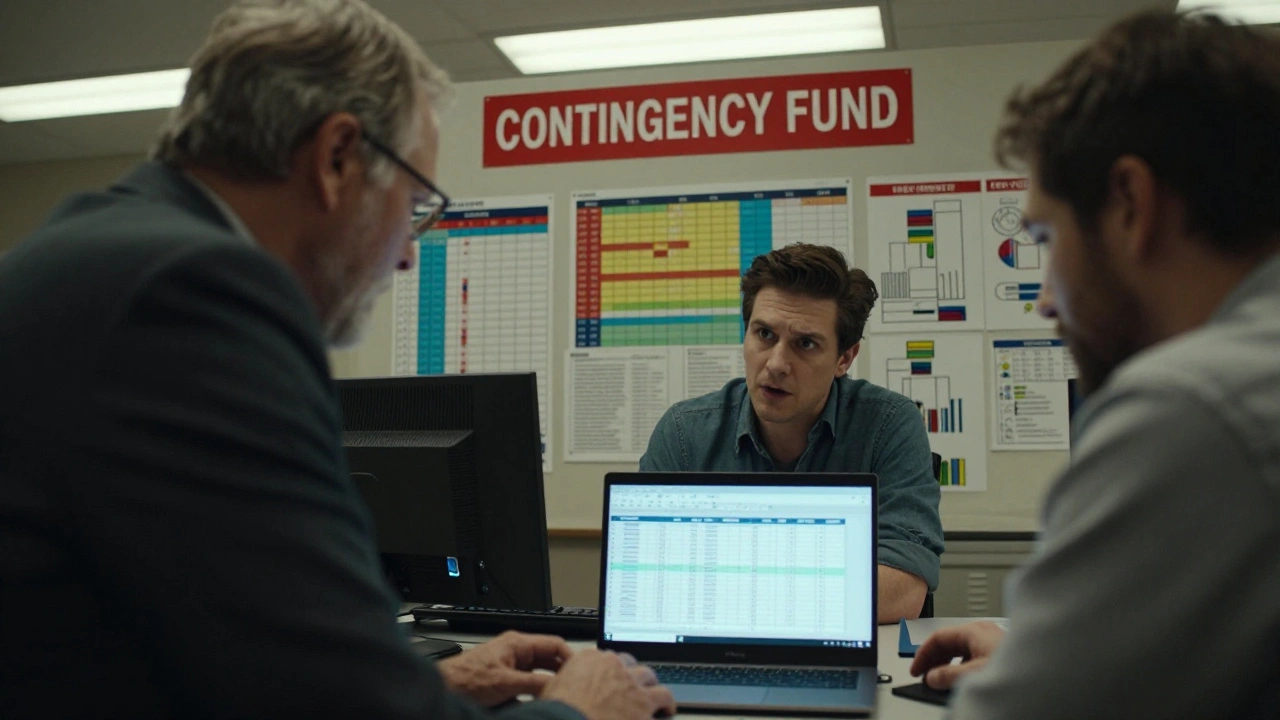
The bond company also holds back 10% to 15% of the budget as a contingency fund. That’s not a bonus for the crew - it’s insurance. If a storm floods your location, that money pays for the delay. If the VFX vendor goes bankrupt, that money hires a new one. The bond company owns this fund. They decide when and how it’s used.
Who Needs a Completion Bond?
Not every film needs one. Low-budget documentaries shot on phones? Probably not. But if you’re raising $2 million or more from investors, banks, or foreign pre-sales, you absolutely do. Here’s who relies on them:- Independent producers - Without a bond, no bank will lend you money.
- Foreign distributors - Countries like Germany, France, and Japan require completion bonds before they pay upfront for rights.
- Equity investors - If you’re selling shares in your film, they demand protection.
- Streaming platforms - Netflix and Apple TV+ require bonds for films over $5 million.
- Tax credit programs - States like Georgia and New Mexico won’t release their 25-35% cash rebates until a bond is in place.
Even if you think you’re self-funding, if you plan to sell the film later, you’ll need a bond to make it attractive to buyers. Investors don’t want to buy a movie that might never finish.
What Happens When a Film Goes Off Track?
This is where the bond company earns its fee. Let’s say you’re shooting in Canada and your lead actor breaks their leg. The shoot halts for six weeks. You’re $300,000 over budget. Your producer panics. The investors start calling.Here’s what happens next:
- The bond company’s rep on set reports the issue.
- They review your schedule and budget - and find you spent $80,000 on unnecessary catering.
- They freeze all non-essential spending.
- They negotiate a new schedule with the crew, using overtime pay instead of extra days.
- They tap into the contingency fund to cover medical costs and delays.
- If the actor can’t return, they help recast - often using a stunt double or digital replacement.
- If the film still can’t be finished, they pay the investors the full amount they lost.
Most bonds don’t pay out. In fact, over 95% of bonded films finish on time. The bond company’s job isn’t to stop you - it’s to keep you from self-sabotaging. They’re the quiet force that keeps the train on the tracks.
How Much Does a Completion Bond Cost?
It’s not free. Bond companies charge between 3% and 5% of the total budget. For a $5 million film, that’s $150,000 to $250,000. That sounds steep - until you realize what you’re buying.Without a bond, you might lose $2 million if your film stalls. With one, you lose nothing. The bond company absorbs the risk. They’re not charging for a service - they’re charging for peace of mind.
Some producers try to skip the bond to save money. That’s like buying a house without homeowners insurance. You might get lucky. But if disaster hits, you’re bankrupt.
What Gets Covered - and What Doesn’t
Not everything is protected. Completion bonds cover:- Delays due to weather, illness, or accidents
- Cost overruns from crew errors or miscalculations
- Loss of key cast or crew members
- Failure of vendors (VFX, editing, sound)
- Legal issues that halt production (rights disputes, union strikes)
But they don’t cover:
- Bad creative decisions - if you shoot 100 hours of unusable footage, that’s on you
- Marketing failures - if the movie flops at the box office, the bond doesn’t refund investors
- Producer fraud - if you steal money, the bond won’t cover it
- Changes in market value - if streaming prices drop after you finish, that’s not the bond’s problem
The bond protects the production, not the success. It ensures the film gets made - not that it becomes a hit.
How to Choose the Right Bond Company
Not all bond companies are equal. Some are aggressive. Others are too slow. Here’s what to look for:- Experience - Pick a firm that’s bonded at least 50 films in the last five years.
- Reputation - Talk to producers who’ve used them. Ask if the rep was helpful or just a watchdog.
- Flexibility - Do they work with documentaries? International shoots? Low-budget horror?
- Transparency - Will they show you daily reports? Can you access their budget tracking system?
- Speed - How long does it take to get the bond approved? Three weeks? Or three days?
Don’t pick the cheapest. Pick the most reliable. A bad bond company can kill your film faster than a bad director.

Real-World Example: The Million Film That Almost Died
In 2023, a horror film shot in rural Louisiana went over budget by $700,000 after a hurricane flooded the main set. The director refused to cut scenes. The producer ran out of cash. Investors were ready to pull out.The bond company stepped in. They hired a new line producer, cut three unnecessary scenes, moved the final shoot to a soundstage, and used digital effects to replace the ruined exteriors. They finished the film two weeks late - but on budget. It sold to Shudder for $1.2 million. The investors got every dollar back. The producer kept his career.
That film didn’t survive because of talent. It survived because of a completion bond.
Why This Matters More Than Ever
The film industry is more volatile than ever. Inflation hit crew wages hard. Union contracts got more expensive. Post-production costs jumped 40% since 2020. Studios are cutting back. Investors are nervous.Completion bonds are no longer a luxury - they’re the only way to get a film made in today’s market. Without one, you’re not just risking money. You’re risking your entire career.
If you’re making a film with real money behind it, don’t skip the bond. Don’t gamble. Don’t hope. Get the bond. Let the professionals handle the risk. Your job is to make a great movie - not to be an insurance broker.
Do all films need a completion bond?
No. Only films with external financing - banks, investors, foreign pre-sales, or tax credits - require one. Low-budget films under $500,000 that are fully self-funded typically don’t need a bond. But if you plan to sell the film later, having one makes it far more attractive to buyers.
Can I get a completion bond if I’ve never made a film before?
Yes, but it’s harder. Bond companies look at your team, not just your experience. If you have a strong line producer, experienced DP, and solid budget, they’ll consider you. Many first-time directors have gotten bonds by partnering with proven producers or hiring a veteran as a consultant.
What happens if the bond company refuses to finish my film?
If the bond company determines the film can’t be completed within the budget or timeline, they’ll pay out the investors. That’s their obligation. But they’ll only do this as a last resort. Most often, they’ll restructure the shoot, cut scenes, or replace crew to avoid paying out.
Can a completion bond be canceled after filming starts?
No. Once the bond is issued and filming begins, it’s locked in. Even if you think you don’t need it anymore, you can’t cancel it. The bond company is now legally responsible for the film’s completion - and they’ll monitor you until the final cut is delivered.
Do completion bonds cover international productions?
Yes. Major bond companies like Film Finances and Producers Capital have teams in over 30 countries. They handle language barriers, local unions, visa issues, and political instability. But international shoots cost more to bond - expect 4% to 6% of the budget due to added risk.
Next Steps for Filmmakers
If you’re planning a film with a budget over $1 million:- Get your budget and schedule finalized - no estimates.
- Identify your key crew and cast - names matter to bond companies.
- Reach out to at least three bond firms for quotes.
- Ask for references from producers who’ve worked with them.
- Sign the bond before you shoot a single frame.
Don’t wait until you’re in trouble. The best time to get a completion bond is before you start filming. Not when the lights go out and the crew walks off.






Comments(8)