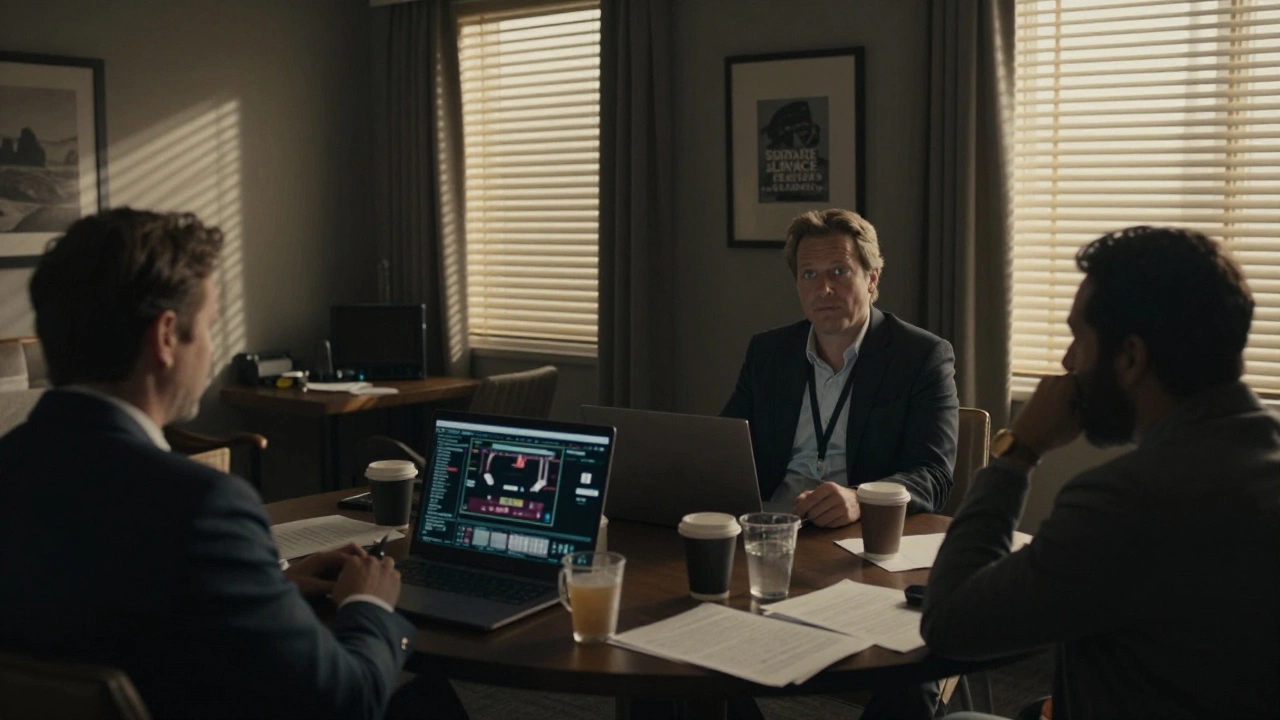
Think of film festivals as more than just red carpets and standing ovations. By the time the credits roll on Sundance, Cannes, or Toronto, millions of dollars have already changed hands - not in theaters, but in hotel suites, private dinners, and back-to-back pitch meetings. These events aren’t just about art. They’re high-stakes business floors where studios, distributors, and indie producers lock in deals that shape what ends up on your screen next year.
How Film Festivals Turn Screenings into Sales
A film doesn’t need to win an award to make money. It just needs to get seen by the right person. That’s why market screenings at festivals like Cannes’ Marché du Film or the American Film Market in Santa Monica are where most deals happen. In 2025, over 1,800 film sales were finalized at festivals worldwide, according to industry trackers. That’s more than double the number of films that got theatrical releases that same year.
Here’s how it works: a producer brings a finished film - maybe a low-budget thriller shot in rural Georgia or a documentary from Eastern Europe - and screens it in a small theater with industry buyers in the room. No audience. Just agents, acquisition executives, and streaming platform scouts. If the film lands a strong reaction, offers start pouring in within hours. One 2024 Sundance acquisition, The Quiet Year, sold for $1.2 million after a single screening. The film didn’t get a single review from major critics. But it had a compelling lead performance and a clear audience hook: a post-apocalyptic story told through journal entries. That’s all it took.
The Role of Financing and Co-Production
Festivals aren’t just for selling finished films. They’re also where money gets raised before a single frame is shot. In 2025, nearly 30% of films that premiered at major festivals had funding secured during the festival circuit itself. Producers pitch projects in pitch rooms, often with nothing but a 10-minute teaser and a spreadsheet. Investors look for three things: a clear target audience, a proven director or cast with a track record, and a distribution plan that doesn’t rely on luck.
Take the case of Borderlands, the video game adaptation that premiered at TIFF in 2024. Before filming even started, the producers used a pitch at Berlinale in early 2023 to lock in co-production funding from German and Canadian film funds. That gave them tax credits worth over $15 million and allowed them to hire the director and lead actors before any studio signed on. By the time they got to TIFF, the film was already half-funded. The rest? A $40 million distribution deal with Lionsgate.
Who’s Really Buying - And Why
It’s not just Netflix and Amazon anymore. While streamers still account for over 40% of festival acquisitions, the market has diversified. Independent distributors like A24, Neon, and Magnolia are now more aggressive than ever. In 2025, A24 acquired 17 films at festivals - more than any other buyer. Why? Because they know how to turn niche films into cultural moments. Their acquisition of May December at Sundance cost $10 million. It went on to earn $52 million globally and three Oscar nominations.
TV networks are also major players. HBO, Apple TV+, and even Discovery+ now use festivals to find limited series pilots. In 2025, five TV projects that started as festival shorts ended up as full-season series. One of them, Small Town Ghosts, was a 12-minute horror short shown at SXSW. By August, it had a 10-episode order.

The Hidden Economics Behind the Glitz
Most people don’t realize how expensive it is to bring a film to a festival. A filmmaker might spend $20,000 to $50,000 just on submission fees, travel, accommodation, and marketing materials. That’s why many indie producers form collectives - pooling resources to send multiple films. In 2025, a group of six indie producers from the Midwest shared a single hotel suite at Sundance and sent five films to market. Three of them sold. The cost per sale? Under $15,000. That’s cheaper than a single Facebook ad campaign for a studio movie.
There’s also the hidden value of exposure. Even if a film doesn’t sell, being selected for a festival can boost its value later. A film that screens at Cannes but doesn’t get a deal might still attract interest from foreign distributors or educational institutions. One 2024 documentary about Appalachian coal miners, Black Dust, didn’t sell at Sundance. But it was picked up by 87 universities for curriculum use. That’s $300,000 in licensing fees over three years - not a blockbuster, but a steady income stream.
What Makes a Film Sellable?
Not every great film sells. But certain patterns keep showing up in successful deals. Here’s what buyers look for:
- Clear genre and audience: A horror film with a 17-25 female demographic? Easy. A poetic drama with no clear market? Hard.
- Cast with name recognition: Even a supporting actor from a hit TV show can move the needle. In 2025, a film with a lead actor from Succession sold 40% faster than similar films without.
- Strong logline: One sentence that explains the movie. Example: “A deaf woman trains a guide dog to help her hunt the man who killed her family.” That’s a sale.
- International appeal: Films with non-English dialogue or global settings often get picked up by multiple territories. A film shot in Senegal sold in 14 countries after its premiere at Cannes.
On the flip side, films that feel too “festival-y” - slow pacing, ambiguous endings, no commercial hook - often get passed over. Buyers aren’t looking for art for art’s sake. They’re looking for something that can be marketed.
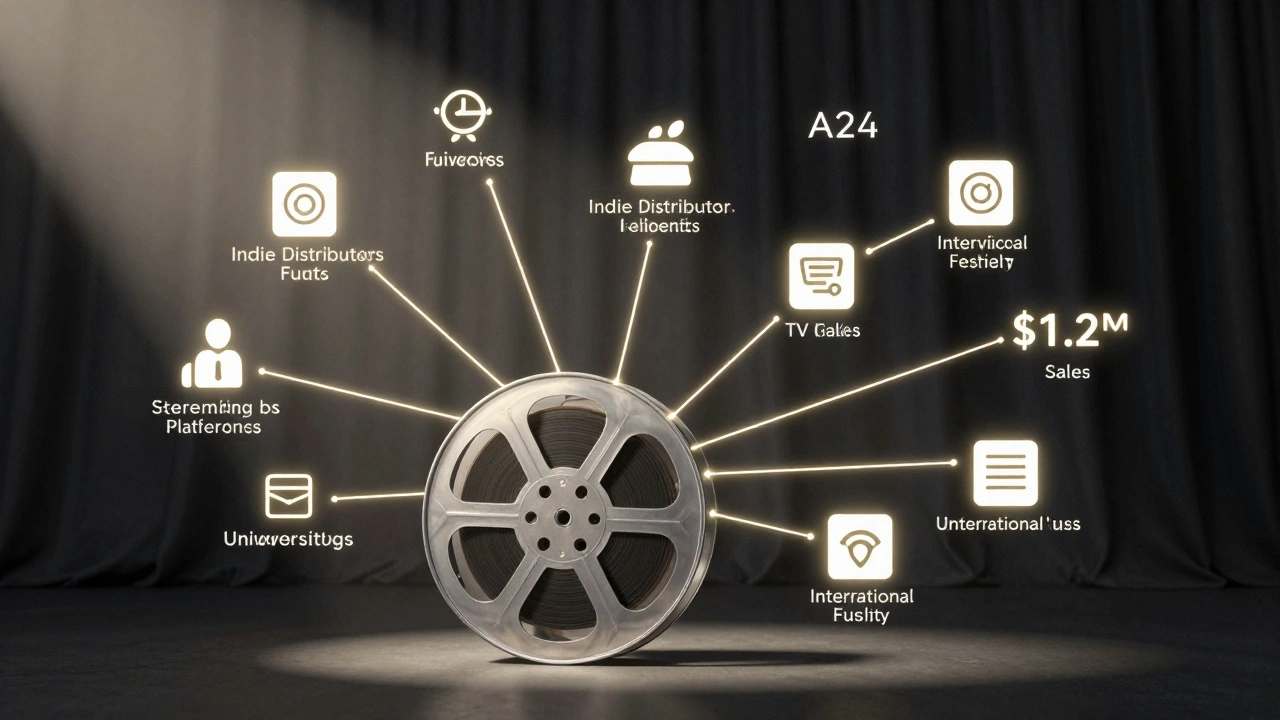
Where the Real Deals Happen
Forget the awards ceremony. The real action is in the side events: the rooftop parties, the private dinners, the 6 a.m. breakfast meetings. These are where relationships are built. A producer who meets a distributor at Sundance might not close a deal that day. But they’ll follow up. They’ll send the next script. They’ll introduce them to a financier. That’s how deals compound.
That’s why top producers don’t just bring films. They bring relationships. A producer from Nigeria who spent three years building connections at Lagos Film Festival now has a pipeline to U.S. distributors. A Canadian producer who attended 12 festivals over five years now has a direct line to Netflix’s international acquisitions team. It’s not about luck. It’s about showing up, year after year.
The Future of Festival Deals
Festivals aren’t disappearing. They’re evolving. More are now offering hybrid formats - online screenings for buyers who can’t travel. Some, like the Berlinale, have started using AI tools to match films with potential buyers based on past purchases. Others are creating curated marketplaces where producers can upload trailers, scripts, and financial projections before the festival even starts.
But the core hasn’t changed. At the end of the day, film festivals are still the most efficient place to connect creators with the people who can turn stories into screens. Whether you’re a first-time filmmaker or a studio exec, if you want to make money from movies, you still need to be there.
Do film festivals still matter if you can stream films online?
Yes - because streaming platforms don’t find films on their own. They rely on festivals to filter, validate, and showcase content. A film that gets into Sundance or Cannes gets instant credibility. Without that, it’s just another title in a sea of 10,000 Netflix originals. Festivals act as the gatekeepers who tell buyers, “This one’s worth your time.”
Can indie filmmakers afford to attend festivals?
It’s expensive, but not impossible. Many festivals offer fee waivers for first-time filmmakers or those from underrepresented regions. Some even provide free lodging or travel grants. Producers who team up with others to share costs can bring multiple films for under $20,000 total. The return on investment? A single sale can cover all costs and then some.
What’s the difference between a film festival and a film market?
A film festival is public-facing - it screens films for audiences and critics. A film market, like the Marché du Film or American Film Market, is a trade show. It’s where buyers and sellers meet. Many festivals have markets attached to them, but you don’t need to be a filmmaker to attend a market - you just need to be in the business.
Do you need a finished film to sell at a festival?
No. Many deals are made on trailers, scripts, or rough cuts. Investors and distributors often commit before a film is finished, especially if the director has a strong track record. Projects that are still in development can also raise money through pitch sessions. The key is having a clear plan, strong visuals, and a believable path to completion.
How long does it take to get a deal after a festival screening?
It can happen in hours - or take months. The fastest deals close within 24 hours if there’s strong competition. But most take 2-6 weeks as buyers negotiate terms, check legal rights, and align with internal budgets. A film that doesn’t sell at the festival may still get offers weeks later. Persistence matters more than timing.




Comments(8)