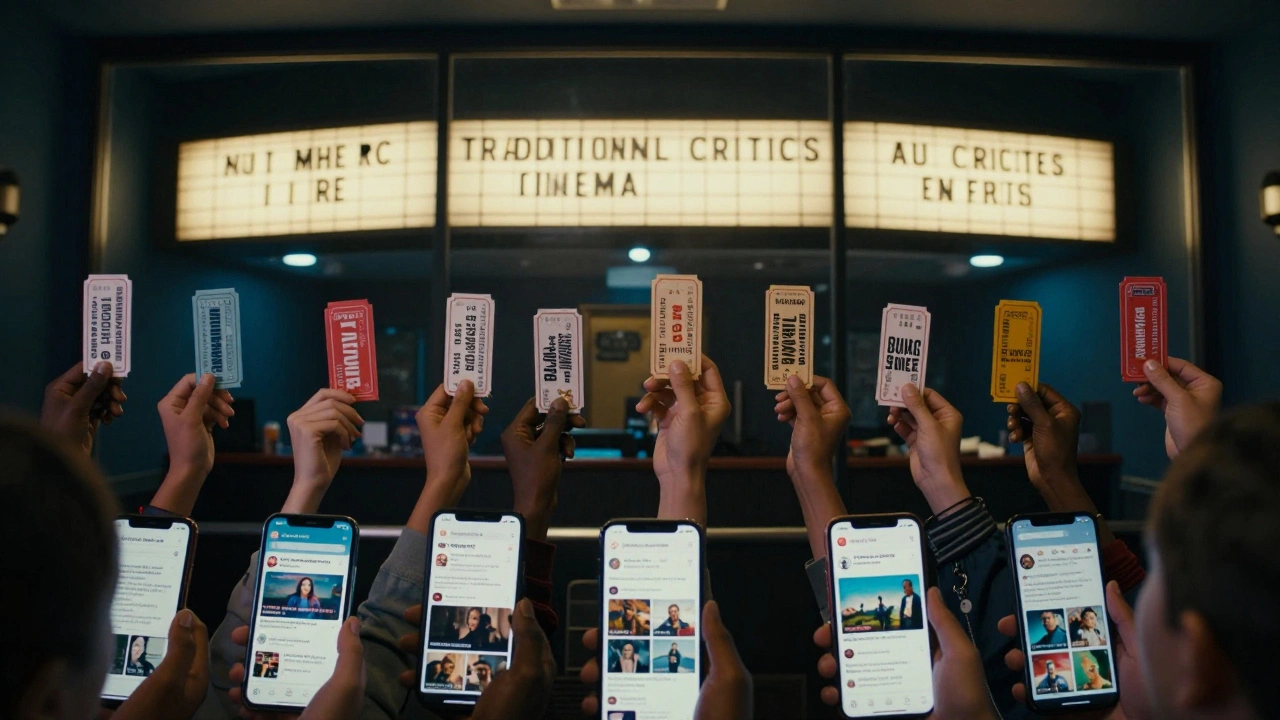
Film Criticism: Understanding How Movies Are Analyzed and Why It Matters
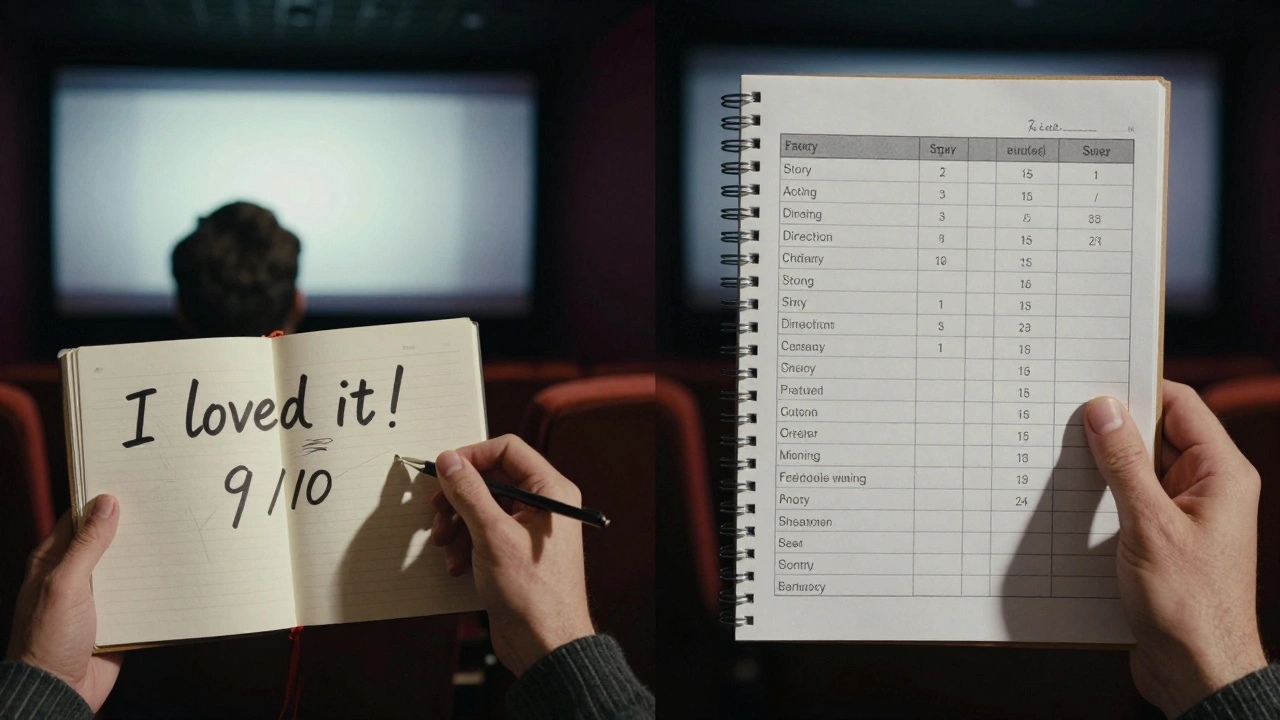
When you hear the term film criticism, the thoughtful analysis of movies beyond simple ratings or opinions. Also known as cinema evaluation, it’s the backbone of how we understand why a film lingers in our minds long after the credits roll. It’s not just about whether a movie is good or bad—it’s about how it uses story, image, sound, and performance to say something real. Critics don’t just tell you what to watch; they help you see what you’re watching.
Film criticism ties directly into how movies are made. A screenplay coverage, the early evaluation of scripts by industry readers often mirrors the same concerns critics later raise: Does the character feel real? Is the theme clear? Is the structure holding up? That’s not coincidence—it’s the same lens. When a film wins a critics’ award, recognition from professional reviewers rather than industry peers, it’s often because it nailed those deeper elements that casual viewers might miss. And those same elements are what festival programmers look for when they pick controversial entries that spark debate.
Film criticism doesn’t live in a vacuum. It reacts to what’s on screen, but it also shapes what gets made. When audiences start paying attention to how diversity in film casting, the inclusion of underrepresented groups in roles is handled, critics are often the first to call out empty gestures or meaningful progress. The same goes for how aspect ratios, the shape of the film frame are used to control emotion, or how film scoring, the music that drives a film’s emotional rhythm can make or break a scene. These aren’t just technical choices—they’re storytelling decisions, and critics are trained to spot them.
Some people think criticism is just negative reviews. But the best criticism asks better questions: Why does this film feel different from the last one? What does it say about the world we live in? Who gets to tell these stories, and who’s left out? The posts below don’t just cover movies—they cover the thinking behind them. You’ll find deep dives into how scripts are evaluated, how awards differ, how audiences shape taste, and why some films become cultural moments while others vanish. This isn’t about telling you what to think. It’s about giving you the tools to think for yourself.