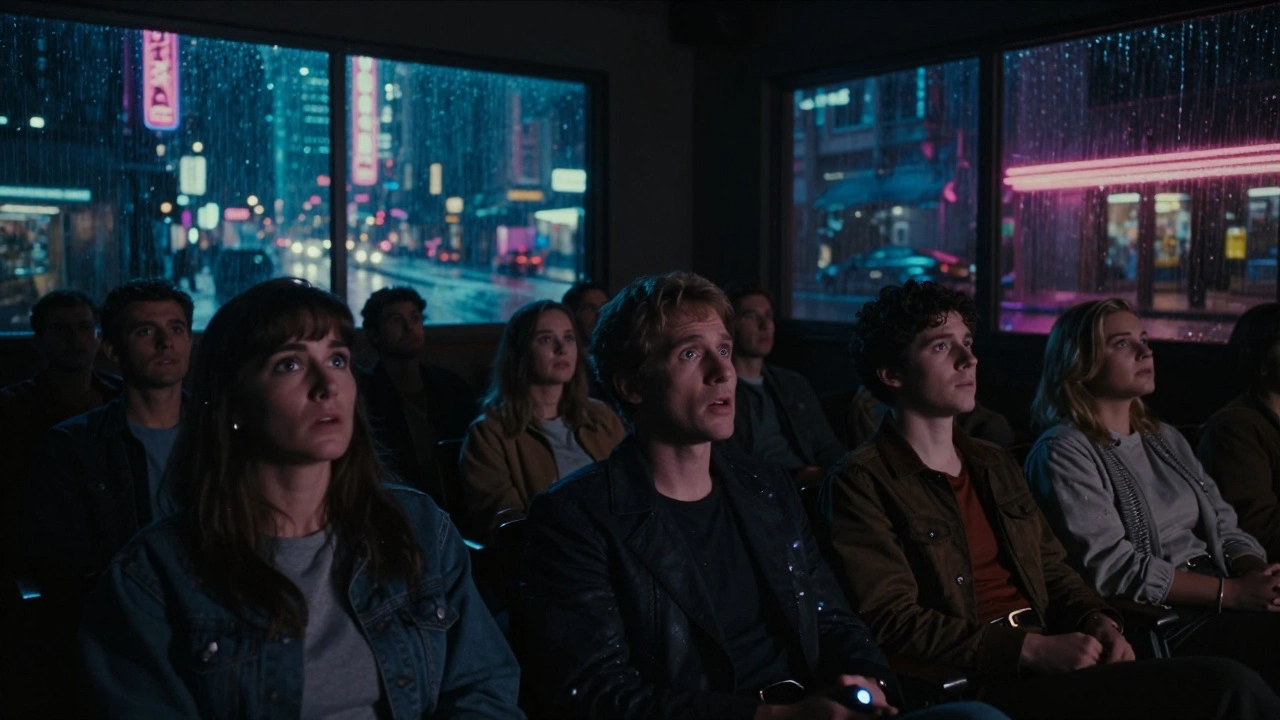
Some movies flop when they first come out. Years later, they’re called masterpieces. Others won every award on release, then vanished from conversation-until someone dug them up and said, "Wait, this was never about what we thought." This isn’t coincidence. It’s how culture works. Films don’t stay frozen in the moment they premiere. They change with us.
Why Do We Misread Movies at First?
When a film drops, everyone’s watching it through the lens of today. Critics judge it by what’s trending. Audiences react to what’s familiar. Take Blade Runner (1982). It was a box office bomb. Critics called it slow, cold, and confusing. Audiences didn’t connect with its moody tone or ambiguous ending. But here’s the thing: it wasn’t ahead of its time. It was ahead of our understanding. We didn’t know yet how much we’d live inside screens, how lonely technology could make us feel. Decades later, with smartphones in every pocket and AI chatbots answering our questions, we finally saw what Ridley Scott was showing us: a future that didn’t just happen-it crept in.
Same with Groundhog Day (1993). People thought it was just a funny Bill Murray comedy. Critics praised the performance but dismissed the premise as gimmicky. No one noticed it was a spiritual parable wrapped in a time loop. Now? It’s taught in philosophy classes. Therapists use it to explain cycles of self-destruction. The movie didn’t change. We did.
The Role of Home Media and Streaming
Before VHS, a movie’s life ended when it left theaters. If you missed it, you rarely saw it again. That meant opinions stuck. A bad opening weekend could bury a film for good. But home video changed everything. Suddenly, you could watch a movie five times. Or ten. Or thirty.
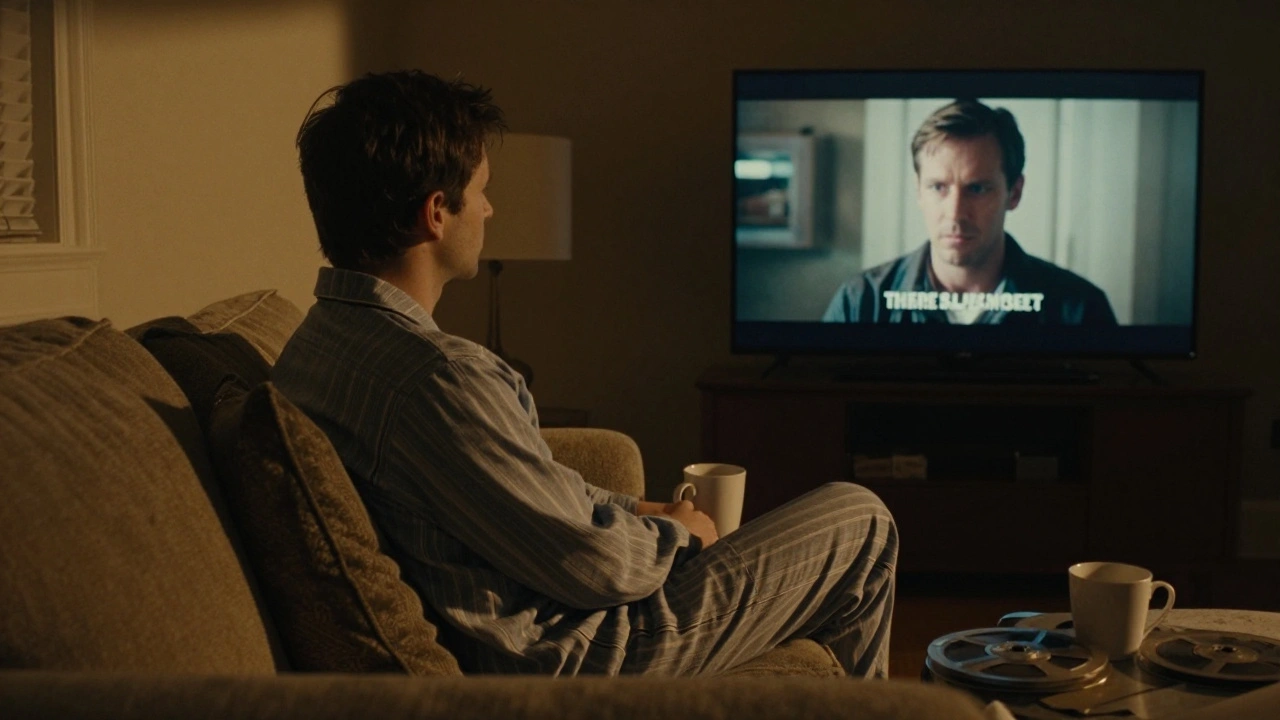
When There Will Be Blood came out in 2007, it was hailed as brilliant-but also exhausting. Some called it self-indulgent. Then it hit streaming. People started watching it late at night, alone. They paused it. Rewound it. Studied Daniel Plainview’s silence. His eyes. The way he never blinked during the final scene. Suddenly, the film wasn’t about oil. It was about loneliness disguised as ambition. The longer you sat with it, the more it unraveled.
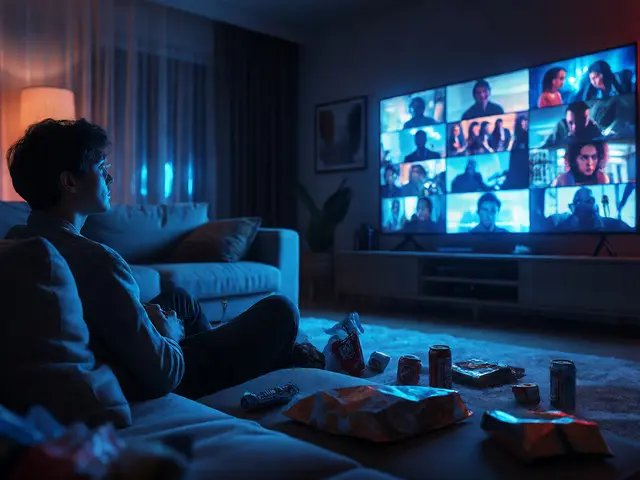
Streaming didn’t just make old films accessible. It changed how we watch. No more waiting for Sunday night TV. No more commercials breaking the mood. We binge. We pause. We rewatch. And that changes our judgment. A film that felt dull on a first viewing? Now it feels layered. A plot hole you shrugged off? Now it’s a deliberate choice.
Critics Revisit, But So Do Audiences
It’s not just critics who change their minds. It’s us. Regular viewers. People who never wrote reviews. People who just watched, felt, and forgot. Social media turned that quiet reevaluation into a public conversation.
Look at Star Wars: Episode I - The Phantom Menace. In 1999, it was mocked for Jar Jar Binks, wooden dialogue, and Anakin’s weird kid vibe. Twenty years later, Gen Z fans started posting breakdowns of its themes: corporate control, the erosion of democracy, the rise of fascism disguised as order. They noticed how the Senate scenes mirrored real-world politics. How the Jedi Order was a failing institution. How the film was a warning, not a fantasy. Suddenly, it wasn’t the worst Star Wars movie. It was the most prophetic.
Even the Oscars have caught on. In 2023, the Academy screened King Kong (1933) as part of a "Reclaimed Classics" series. Why? Because modern viewers saw it differently-not as a monster movie, but as a metaphor for exploitation, colonialism, and the objectification of the Other. The original reviews called it "a thrilling spectacle." Now, we call it tragic.
How Time Rewrites Meaning
Time doesn’t just give films distance. It gives them context. A movie made in 1975 doesn’t carry the same weight as one made in 2026. Look at Apocalypse Now. In 1979, it was seen as a chaotic, overlong war film. Critics were divided. Decades later, with veterans speaking out about PTSD and the moral rot of endless conflict, the film became a mirror. Coppola didn’t make a war movie. He made a psychological descent. The jungle wasn’t Vietnam. It was the mind.
Even comedies get reevaluated. Dr. Strangelove (1964) was a satire of nuclear paranoia. But today? It’s not funny anymore. It’s terrifying. The joke about "mutually assured destruction" doesn’t land the same when we’re watching AI-driven drones and nuclear treaties crumbling. The film didn’t lose its edge. We lost our naivety.
That’s the brutal truth: films don’t age. We do. And as we change, we see new things in old movies. What felt like a flaw becomes a feature. What felt like a cliché becomes a prophecy.
The Dark Side of Retrospective Criticism
But this isn’t all good. Reappraisal can be unfair. Sometimes, we romanticize films we didn’t understand. We ignore their flaws because they "got something right."
Take The Birth of a Nation (1915). It’s a technical marvel. Revolutionary editing. Powerful cinematography. But it’s also a virulently racist propaganda piece. Some modern critics try to separate the art from the artist. Others say: you can’t. The film’s power comes from its poison. Rewriting its legacy as "ahead of its time" erases the damage it did.
Same with Psycho (1960). Hitchcock’s genius is undeniable. But the film’s treatment of women-especially Marion Crane’s murder-is now seen as deeply exploitative. Can we admire the filmmaking without excusing the violence? Maybe. But we can’t pretend it doesn’t matter.
Retrospective criticism isn’t just about redemption. It’s about responsibility. We owe it to the past to see it clearly-not to glorify, not to erase, but to understand why we once thought differently.
What This Means for New Films Today
If you’re a filmmaker, don’t panic if your movie gets roasted on release. Don’t celebrate if it wins everything. Time is the real critic.
Look at Everything Everywhere All At Once (2022). Critics called it overwhelming. Some audiences said it was too chaotic. But within months, people started rewatching it. They saw the quiet grief beneath the multiverse. The immigrant mother who lost her way. The daughter who couldn’t say "I love you." It wasn’t just a wild ride. It was a love letter to silence, to exhaustion, to trying to hold on when everything falls apart. That’s why it stuck.
The lesson? Don’t chase reviews. Don’t beg for awards. Make something that makes you feel something. If it’s true, time will catch up.
Final Thought: The Movies We’ll Reclaim in 2040
What films from 2026 will we look back on and say, "We didn’t get it then"? Maybe Oppenheimer-not for its science, but for how it mirrors our current fear of unstoppable innovation. Maybe The Marvels-not for its effects, but for how it reflects our need for connection in a fractured world. Maybe even John Wick: Chapter 5-if we realize it’s not about revenge. It’s about grief that never ends.
Time doesn’t judge films. It judges us. And as we grow, we’ll see them differently. Not because they changed. But because we finally learned how to look.
Why do some movies get hated at first but loved later?
Movies often get misunderstood at release because audiences and critics judge them through the lens of their own time. Cultural norms, technology, and social issues shift. A film that feels slow, strange, or too dark today might reveal deep truths tomorrow. For example, "Blade Runner" was seen as confusing in 1982, but now it’s a mirror to our digital isolation. Time doesn’t change the movie-it changes us.
Do streaming services change how we view old films?
Yes. Streaming lets us watch films repeatedly, pause, rewind, and analyze. We’re no longer limited to one theater viewing. This changes our perception. Films like "There Will Be Blood" or "The Shining" gained new layers when people could study them frame by frame. What once seemed boring became profound. What seemed messy became intentional.
Can a film be both a product of its time and timeless?
Absolutely. The best films do both. "Citizen Kane" (1941) used revolutionary techniques for its era, but its themes-power, loneliness, identity-transcend time. A film doesn’t need to ignore its context to become timeless. In fact, its connection to the era often gives it depth. Timelessness comes from truth, not detachment.
Is it fair to judge old films by today’s standards?
It’s not about fairness-it’s about honesty. We can appreciate a film’s craftsmanship while still acknowledging its harmful elements. "The Birth of a Nation" is technically brilliant but racially toxic. We don’t have to choose between admiration and condemnation. We can hold both truths: the art matters, and its damage matters too. Ignoring one erases history.
What films from 2025 might be reevaluated in 20 years?
Films that deal with loneliness, AI, climate anxiety, or fractured identity are strong candidates. "Oppenheimer" might be seen not as a biography, but as a warning about unchecked ambition. "Dune: Part Two" could be read as a metaphor for ecological collapse masked as heroism. Even comedies like "A Real Pain" might be remembered for how they captured generational grief. The ones that stick will be those that speak to deeper human patterns, not just trends.


Comments(6)