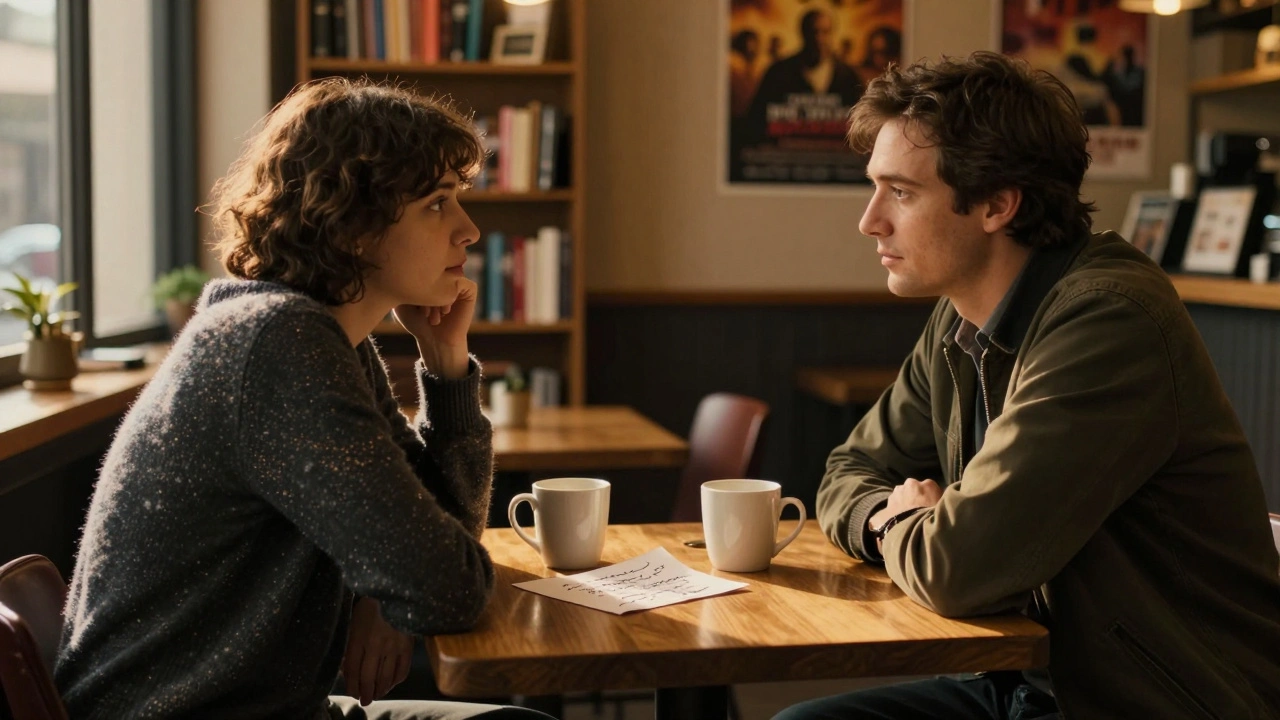
What if the most important conversation about a movie doesn’t happen in a theater, on a review site, or even in a film class-but between the person who made it and the person who tore it apart? Real film progress doesn’t come from reviews that say ‘good’ or ‘bad.’ It comes from dialogue that digs deeper. When critics and creators actually talk to each other-not just through published pieces, but in person, over coffee, or in private emails-it changes everything.
Why Most Critic-Creator Conversations Fail
Too often, critics write reviews like verdicts. Filmmakers read them like punishments. The result? Silence. Defensiveness. A wall between the people who make movies and the people who watch them closely. This isn’t just bad for art-it’s bad for audiences. When creators stop listening to feedback because they feel attacked, they stop growing. When critics stop engaging because they feel ignored, their analysis becomes predictable.
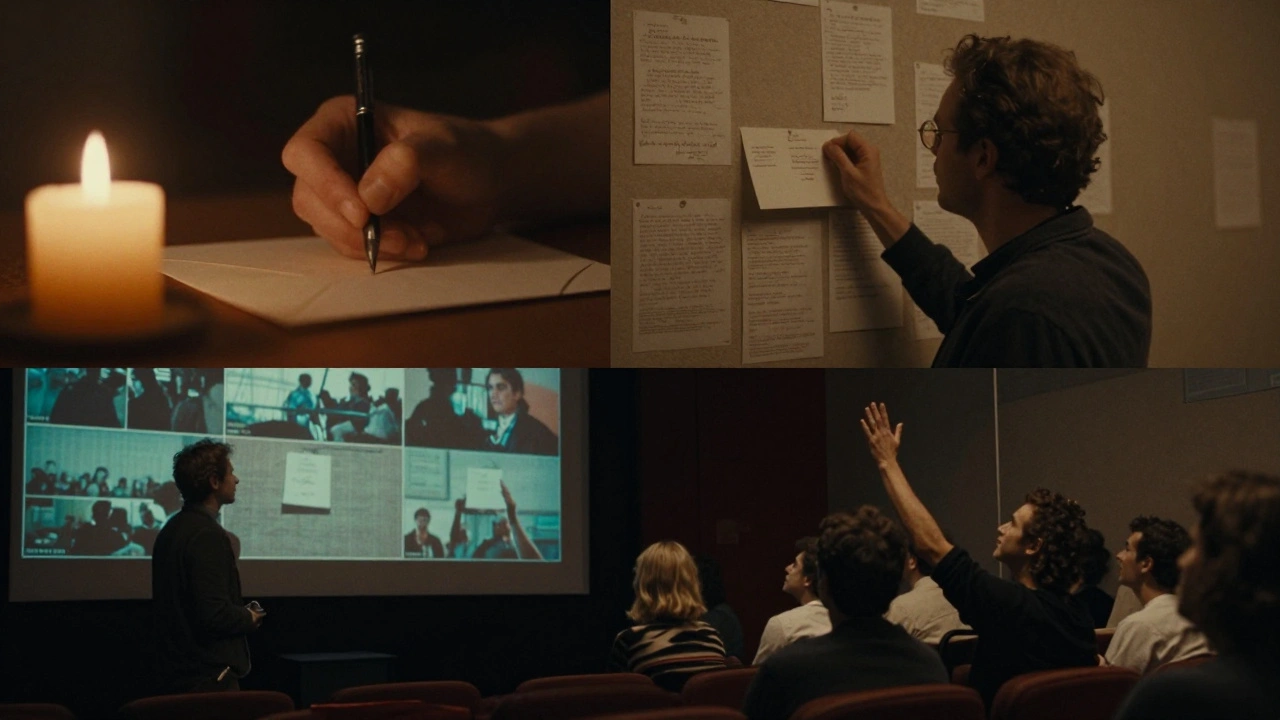
Take the 2021 film Minari. After its Sundance premiere, several critics called it ‘too quiet’ or ‘slow.’ But one critic, a longtime film scholar who’d worked with indie filmmakers for decades, didn’t just write a review. She sent a handwritten letter to director Lee Sung Jin. She wrote: ‘I didn’t feel the silence as a flaw. I felt it as a choice. Tell me why you let the quiet breathe.’ That letter didn’t change the review. But it changed how Lee thought about his own film. He later said that conversation helped him refine the edit for the theatrical release.
That’s the difference between a critique and a conversation.
The Anatomy of a Productive Dialogue
Productive critic-creator dialogues don’t follow a script. But they do share patterns. Here’s what actually works:
- They start with curiosity, not correction. Instead of saying, ‘This scene doesn’t work,’ a good critic asks, ‘What were you trying to achieve here?’
- They focus on intent, not execution. A filmmaker might miss the mark technically-but if the emotion behind the scene is real, that’s worth exploring, not dismissing.
- They’re two-way. Critics who’ve made films themselves (like Roger Ebert or Manohla Dargis) often bring that perspective. But even critics without production experience can learn by asking, ‘If you had one more week, what would you change-and why?’
- They happen off the record. Most of the most valuable conversations happen in private. Public reviews are performance. Private talks are discovery.
There’s a reason why directors like Kelly Reichardt and Barry Jenkins keep close relationships with a handful of critics. It’s not about getting praise. It’s about getting clarity.
When Critics Become Co-Creators
Some critics don’t just comment on films-they help shape them. Not by rewriting scripts, but by asking the right questions at the right time.
In 2019, critic and filmmaker Jonathan Rosenbaum had a long email exchange with director Sean Baker after seeing The Florida Project. Rosenbaum pointed out that the film’s use of color in the motel scenes felt intentionally artificial, almost like a child’s drawing. Baker hadn’t thought of it that way. He went back to the dailies, rethought the color grading, and adjusted the final palette. He didn’t change the story. But he deepened its emotional texture.
This isn’t about critics giving notes. It’s about critics seeing what the creator might have missed-and having the courage to say it without sounding like they’re in charge.
How Filmmakers Can Use Criticism Without Losing Their Voice
Not every review is worth responding to. But every thoughtful critique is a mirror. The trick is knowing which one to look into.
Here’s a simple filter filmmakers can use:
- Did the critic watch the film more than once? One-time viewers often miss nuance.
- Did they mention specific moments? ‘The ending felt off’ is vague. ‘The last 90 seconds of the final scene broke my rhythm’ is useful.
- Did they say what they felt, not just what they thought? Emotion is data. Logic is noise.
- Did they acknowledge your influences? If they didn’t notice the nods to Tarkovsky or Ozu, maybe they didn’t see the film you were trying to make.
When filmmaker Ava DuVernay was working on A Wrinkle in Time, she saved every review-even the harsh ones. She didn’t reply to any. But she read them all. She noticed a pattern: several critics said the film felt ‘overstuffed.’ She didn’t cut scenes. But she did restructure the pacing, trimming transitions that felt rushed. The result? A version that connected better with audiences and critics alike.
Where These Dialogues Are Happening Today
These conversations aren’t happening in press junkets or award shows. They’re happening in:
- Small film festivals like Locarno, Rotterdam, or True/False-where Q&As are longer, and critics actually stick around after screenings.
- Private mailing lists run by indie film collectives. Some groups have 15-20 filmmakers and 5-8 critics who exchange notes on rough cuts.
- YouTube comment threads that turn into deep dives. A comment from a film student on a review of Everything Everywhere All at Once led to a 45-minute Zoom call with the Daniels. They later credited that talk with helping them understand how the film landed with younger viewers.
- Academic journals like Screen or Cinema Journal, where peer reviews often spark direct correspondence between scholars and directors.
The most powerful dialogues aren’t the ones that go viral. They’re the ones that go quiet-then change something.

What Happens When the Dialogue Stops
Look at the last five years of studio blockbusters. Many feel hollow. Not because they’re badly made-but because the people who made them stopped listening to anyone outside their bubble. Critics became irrelevant. Audiences became passive. The result? A wave of films that look like they were designed by algorithm, not emotion.
Compare that to the rise of films like Past Lives, The Quiet Girl, or Aftersun. These films didn’t have huge budgets. But they had deep conversations behind the scenes. Critics didn’t just review them-they asked questions. Filmmakers didn’t just defend them-they listened.
That’s why these films feel alive.
How You Can Start a Dialogue-Even If You’re Not a Pro
You don’t need to be a critic or a director to start a real conversation about film. Here’s how:
- Write a thoughtful comment on a review you agree or disagree with. Don’t say ‘I hated it.’ Say, ‘I felt the father’s silence was meant to show grief, but I didn’t believe it. What did you think the director was going for?’
- Reach out to a local filmmaker after a screening. Ask them: ‘What’s one thing you wished someone had asked you about this film?’
- Start a small reading group with friends. Pick a review and a film. Watch the film. Read the review. Talk about it. No agenda. Just curiosity.
- Support critics who write like they’re in conversation-not like they’re judges. Look for writers who say ‘I think’ instead of ‘This is wrong.’
Change doesn’t come from louder reviews. It comes from deeper questions.
The Future of Film Depends on This
AI can generate reviews. Algorithms can predict box office. But only humans can ask why a silence in a film feels heavier than a scream. Only humans can sit across from a director and say, ‘I didn’t understand this moment-but I want to.’
The best films aren’t made in isolation. They’re made in conversation. And the most important conversations aren’t the ones that get published. They’re the ones that stay private-until they change a movie forever.
Can film critics really influence how movies are made?
Yes-but only when the dialogue is personal, thoughtful, and respectful. Critics don’t rewrite scripts, but they can help filmmakers see blind spots. Many directors, like Barry Jenkins and Kelly Reichardt, credit specific critics with helping them refine their work through private conversations.
Why do filmmakers often ignore reviews?
Most reviews are written as judgments, not invitations. When critics use language like ‘this is bad’ or ‘this fails,’ it triggers defensiveness. Filmmakers tune out because they feel attacked, not understood. Productive feedback focuses on intent, not outcome.
Are there any famous examples of critics helping shape films?
Yes. Roger Ebert famously advised directors like Martin Scorsese and Werner Herzog. More recently, critic Jonathan Rosenbaum’s feedback helped Sean Baker adjust the color grading in The Florida Project. And after Minari, a critic’s handwritten note led director Lee Sung Jin to rework the film’s pacing.
How can I tell if a critic’s review is worth listening to?
Look for reviews that mention specific scenes, describe emotional responses, and acknowledge the filmmaker’s intent. Avoid reviews that use vague terms like ‘boring’ or ‘confusing’ without examples. The best critiques ask questions, not just give answers.
Do I need to be a professional to have a meaningful film conversation?
No. The most powerful dialogues often start with film students, indie theatergoers, or even YouTube commenters. What matters isn’t your title-it’s your curiosity. Ask a director why they made a choice. Share how a scene made you feel. That’s the foundation of real film discourse.


Comments(6)