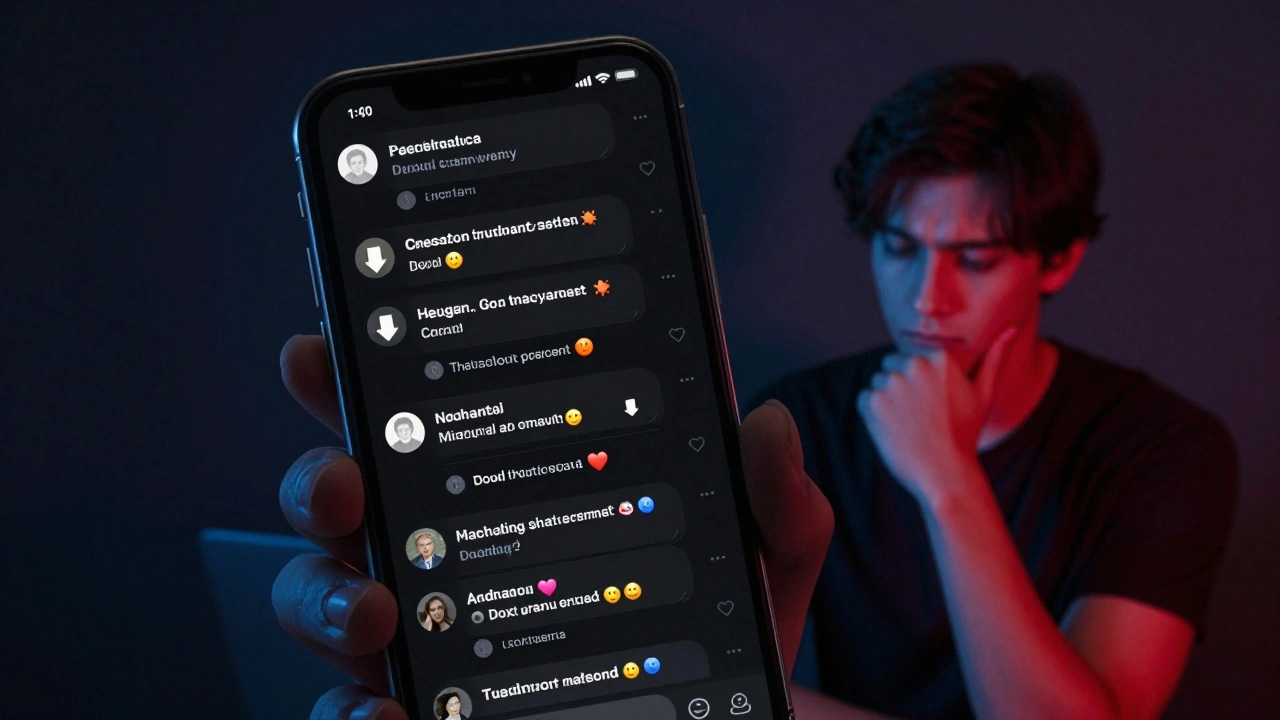
It starts with a tweet. A passionate fan defends their favorite superhero movie. Someone disagrees. Then comes the replies-sarcastic, personal, relentless. Within hours, the thread turns into a war zone. Comments get deleted. Accounts get banned. The original post? Forgotten. This isn’t rare. It’s routine.
What Toxic Fandom Really Looks Like
Toxic fandom isn’t just people yelling online. It’s a system. A network of loyalty, fear, and rage that turns movie discussions into battlegrounds. You see it when fans attack critics for saying a film wasn’t perfect. Or when they flood a director’s social media because a character didn’t live up to their childhood memory. Or when a single review triggers coordinated harassment campaigns.
This isn’t about loving a movie too much. It’s about treating disagreement as betrayal. And it’s poisoning the way we talk about film.
Think about the backlash against Marvel’s Eternals in 2021. Fans who had waited years for representation were furious-not because the movie was bad, but because it didn’t match their expectations. They didn’t just critique it. They weaponized it. Reviews were downvoted en masse. Critics were doxxed. Cast members got death threats. The film’s box office didn’t collapse because of quality. It collapsed because the conversation became unbearable.
Why Film Discourse Broke
Before social media, film criticism lived in newspapers, magazines, and late-night TV. You had time to think. Space to respond. A buffer between you and the person you disagreed with.
Now? Every opinion is broadcast instantly. Algorithms reward outrage. Engagement metrics don’t care if you’re praising a film or tearing it apart. They just want clicks. And the more emotional the reaction, the more it spreads.
Platforms like Twitter and Reddit turned film fans into soldiers. Groups formed around franchises-Star Wars, Marvel, DC. Identity became tied to the movie. If you didn’t love it the way they did, you weren’t just wrong. You were an enemy.
And when a studio makes a change-casting a woman as James Bond, adding a queer character, rebooting a classic-it’s not just a creative decision. It’s a personal attack in their eyes.
The Cost of Silence
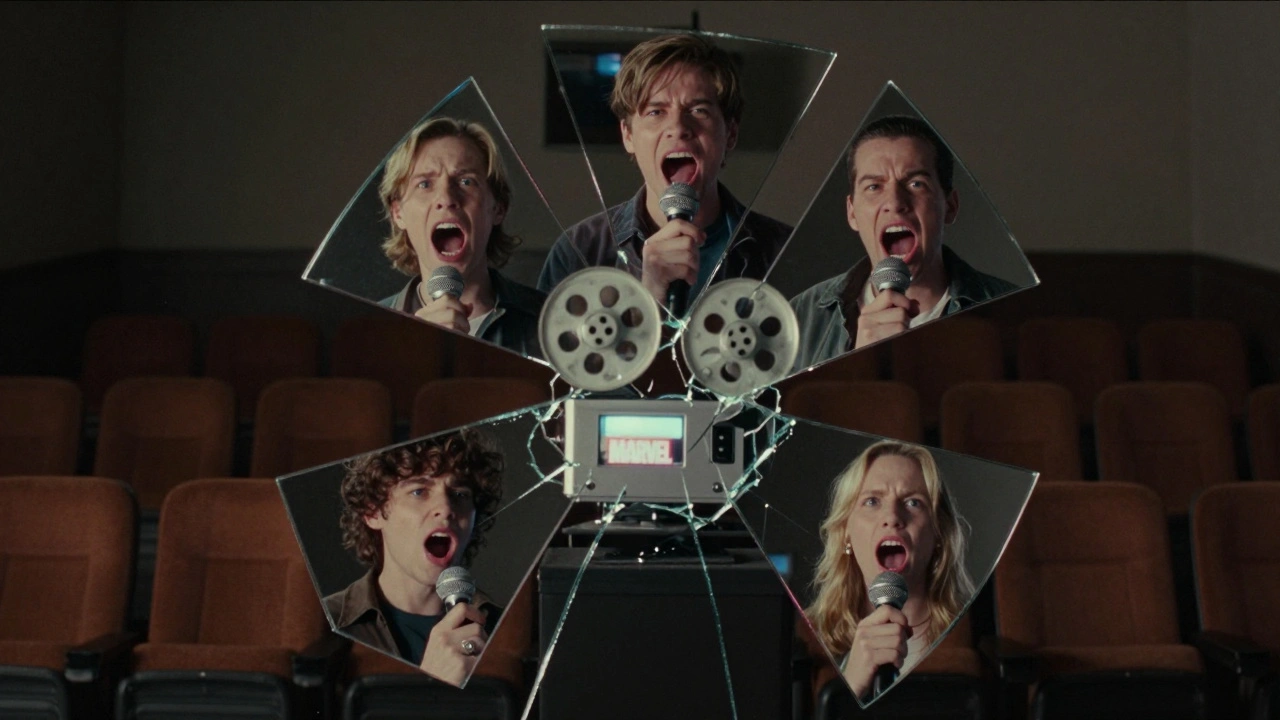
Many critics and creators have quit because of this. Film journalists leave Twitter. Directors delete their accounts. Actors stop answering interviews. The people who should be shaping the conversation? They’re gone.
What’s left? A vacuum filled with bots, trolls, and the most extreme voices. Quiet fans who just want to talk about cinematography or sound design? They’ve been scared off. The discussion isn’t about film anymore. It’s about who wins.
And here’s the sad part: the loudest fans don’t even represent the majority. A 2023 survey by the Motion Picture Association found that 78% of moviegoers enjoy discussing films with others-but only 12% feel safe doing it online.
How Moderation Can Fix This
Platforms can’t just delete posts and call it a day. That’s not moderation. That’s avoidance.
Real moderation means building rules that protect conversation, not just silence dissent. Here’s what works:
- Clear community guidelines that define harassment, doxxing, and coordinated attacks-not just slurs and threats.
- Context-aware filtering that doesn’t block criticism but flags repetitive, targeted abuse. Example: if 10 users reply to the same post with “This movie ruined my childhood,” that’s not opinion. That’s harassment.
- Verified reviewer badges for critics and journalists. Not to give them special status, but to help users distinguish between thoughtful analysis and mob mentality.
- Time-delayed replies on high-traffic posts. Let people cool off before they reply. A 15-minute delay reduces hostile responses by 41%, according to a 2024 study from the University of California.
- Community-elected moderators from diverse fan backgrounds-not just the most vocal ones. If a Star Wars forum has 100,000 members, pick 5 moderators from different age groups, cultures, and viewing habits.
Reddit’s r/Filmmakers and Letterboxd’s community guidelines are good examples. They don’t ban criticism. They ban personal attacks. They don’t silence fans. They silence mobs.

What Fans Can Do
Moderation isn’t just the job of platforms. It’s the job of every person who clicks “reply.”
Before you respond to a review you hate, ask yourself:
- Am I trying to understand, or to punish?
- Would I say this to the person’s face?
- Is this comment adding to the conversation-or just fueling the fire?
There’s a difference between saying, “I think this film missed the point,” and “You’re an idiot for liking this garbage.” One invites dialogue. The other shuts it down.
And if you see someone being attacked? Don’t stay silent. Say something. Even a simple “Hey, that’s not cool” can stop a chain reaction.
The Future of Film Talk
We don’t have to accept this. Film is one of the most powerful art forms ever created. It connects us. It makes us laugh, cry, think. But we’re losing that because we’ve turned discussion into combat.
Imagine a world where fans debate the symbolism in Oppenheimer without threatening the director. Where someone can say they didn’t like Barbie without being called a misogynist. Where a new indie film gets a fair shot, not buried under 500 angry comments from people who just wanted it to be more like Avengers.
That world is possible. But it needs effort. From platforms. From studios. And from you.
Next time you open a film discussion, don’t join the fight. Start a conversation.
What’s the difference between healthy criticism and toxic fandom?
Healthy criticism focuses on the work-its storytelling, visuals, performances, or themes. Toxic fandom attacks the people behind it or those who disagree. One says, "I didn’t like how the ending was handled." The other says, "You’re a traitor for not loving this movie." The first invites debate. The second demands loyalty.
Can fan communities ever be safe again?
Yes-but only if they stop treating movies like religious texts. Fandom should be about shared joy, not enforced belief. Communities that allow space for different opinions, encourage respectful disagreement, and remove repeat offenders have thrived. Look at Letterboxd or MUBI’s forums. They’re quiet, thoughtful, and growing-not because they banned all criticism, but because they banned abuse.
Why do studios keep making films that trigger toxic reactions?
They don’t always mean to. Studios chase trends, not outrage. But they’ve learned that controversy drives clicks. A movie that sparks debate-even angry debate-gets more attention than one that’s quietly good. So they push boundaries, cast differently, or take risks. The problem isn’t the films. It’s the system that rewards rage over reflection.
Do moderators have too much power?
They can, if they’re not held accountable. That’s why transparency matters. Good moderation teams publish their rules, explain their decisions, and let users appeal bans. The worst systems are opaque-ban someone for no reason, no explanation. The best ones treat moderation like journalism: fair, consistent, and open to review.
Is it okay to dislike a popular movie?
Absolutely. A movie’s popularity doesn’t make it art. And art isn’t meant to be universally loved. Some people connect with Everything Everywhere All At Once. Others find it chaotic. Neither is wrong. The moment you start calling someone a bad fan for not liking the same thing you do-that’s when discourse dies.



Comments(8)