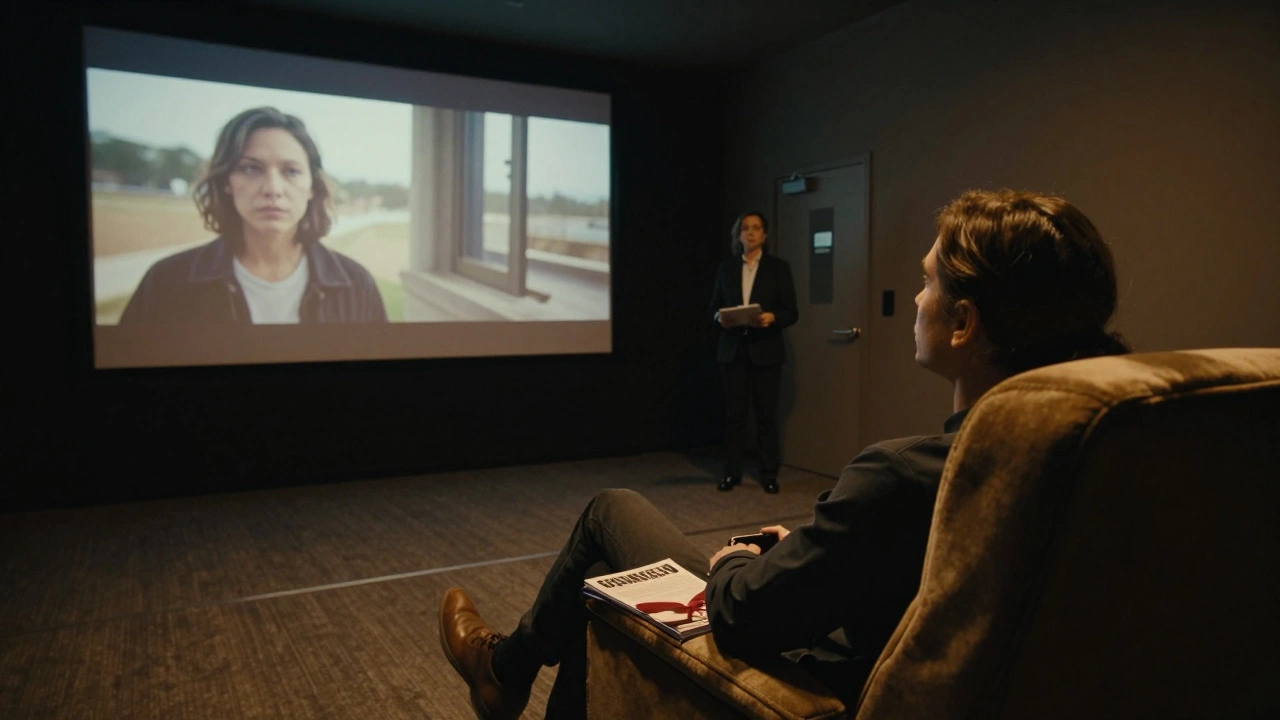
When a film hits theaters, the buzz doesn’t just come from audiences-it’s engineered. Film PR teams work hard to shape perception, secure reviews, and build momentum. But there’s a line between promotion and manipulation. Too many campaigns cross it, pressuring critics, cherry-picking quotes, or ghostwriting reviews. The result? A broken trust between filmmakers, studios, and the critics who help shape public understanding. The best film PR doesn’t just sell a movie-it respects the independence of criticism.
Why Critical Independence Matters
Critics aren’t just reviewers. They’re cultural interpreters. A well-written review can change how a film is seen for years. Think of Parasite in 2019. Its Oscar win wasn’t just luck-it was built on genuine critical consensus. Critics didn’t just like it; they analyzed its class commentary, its structure, its quiet rage. That depth came from their freedom to speak honestly, without fear of losing access or being blacklisted.
When studios pressure critics-by threatening to cut off press screenings, offering exclusive interviews only to those who give glowing reviews, or flooding social media with bots praising a film-they undermine that integrity. The public starts to wonder: Is this film great, or just well-marketed?
The most respected critics don’t need hand-holding. They need space. And film PR that respects that space builds long-term credibility-not just for the movie, but for the entire industry.
What Not to Do
Here are the most common missteps in film PR-and why they backfire.
- Conditioning access: Offering exclusive Q&As or behind-the-scenes footage only to critics who promise positive coverage. This isn’t access-it’s coercion.
- Ghostwriting reviews: Submitting fake or heavily edited reviews to aggregator sites like Rotten Tomatoes. Audiences catch on. One leaked internal email from a major studio in 2023 showed PR staff drafting reviews for critics to copy. The backlash killed the film’s word-of-mouth.
- Overloading with promotional material: Sending critics 15 press kits, 30 stills, and a 10-page “talking points” document. It screams, “We’re trying to control the narrative.”
- Attacking negative critics: Social media campaigns targeting reviewers who gave honest, mixed reviews. This doesn’t change opinions-it makes the studio look desperate and insecure.
- Timing manipulation: Holding back screeners until the last minute so critics can’t write thoughtful pieces. If you don’t trust your film to stand on its own, why should anyone else?
These tactics might work short-term. But they erode trust. And trust, once lost, takes years to rebuild.
What Works: The Real Best Practices
Good film PR doesn’t try to control the message. It helps critics understand the film-so they can judge it fairly.
- Give early, clean access: Send screeners at least two weeks before release. Let critics watch, reflect, and write without pressure. The 2025 film Where the River Runs sent screeners three weeks early. The result? 12 major outlets ran deep, thoughtful reviews-not one of them identical. The film opened to strong word-of-mouth and a 91% on Rotten Tomatoes, built on authentic praise.
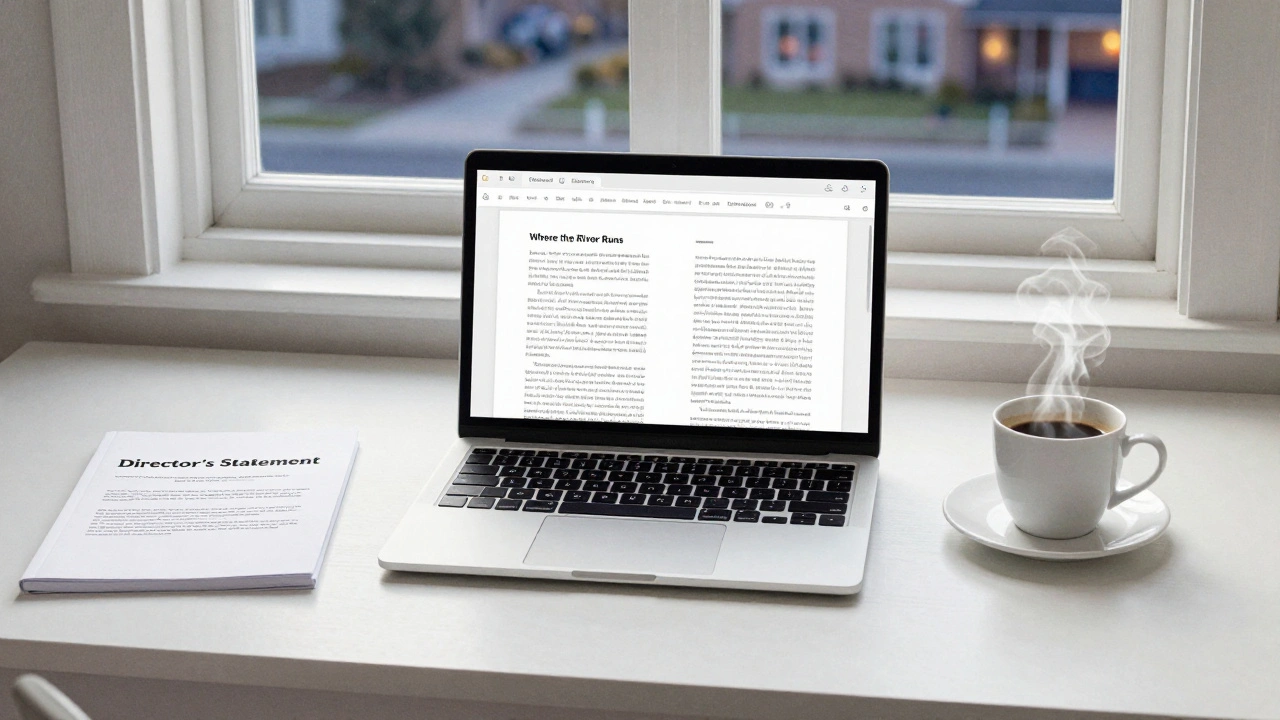
- Provide context, not scripts: Share the director’s vision, the production challenges, the cultural references. But don’t tell critics what to think. A simple PDF with background info, a director’s statement, and key themes is enough.
- Respect the critic’s time: Don’t schedule 15 back-to-back interviews. Don’t demand responses by a certain date. Let them work on their own schedule. Critics notice when you treat them like professionals.
- Don’t respond to negative reviews: If a critic says the film is slow, don’t tweet a rebuttal. If they say the characters are flat, don’t send them a 10-minute video explaining the “intentional ambiguity.” Silence is not defeat. It’s professionalism.
- Engage with all reviews: If a critic gives a mixed review, thank them for their insight. If they highlight a flaw you hadn’t considered, acknowledge it publicly. That kind of humility builds respect.
Building Relationships, Not Campaigns
The best film PR professionals aren’t salespeople. They’re connectors. They know the critics who write about independent cinema, the journalists who cover global films, the podcasters who dig into cinematography. They don’t pitch-they listen.
They attend film festivals not to push their movie, but to learn. They ask: What are critics talking about? What’s missing from the conversation? What films are getting overlooked?
That’s how God’s Country (2023) became a breakout success. Its PR team didn’t bombard critics. They invited 12 reviewers to a quiet screening in upstate New York, followed by a 45-minute conversation with the director. No slides. No talking points. Just an honest talk about isolation, land, and grief. Five of those critics wrote features that went viral. The film earned $12 million on a $1.5 million budget-not because it was hyped, but because it was understood.
The Long Game
Most studios think PR is about opening weekend. But the real ROI of film PR shows up years later. A film with honest, respected criticism becomes a reference point. It gets taught in film schools. It’s included in retrospectives. It’s rediscovered on streaming platforms.
Look at The Celebration (1998). It was a Danish film with no U.S. marketing budget. But critics who saw it at Cannes wrote passionately. That writing kept the film alive for decades. Today, it’s a textbook example of emotional realism in cinema.
That’s the power of critical independence. It doesn’t guarantee a hit. But it guarantees legacy.

What Studios Should Stop Doing
Here’s a simple rule: If you wouldn’t want someone doing it to you, don’t do it to critics.
Would you want a car company to send you a script for your review of their new model? Would you want a restaurant to tell you exactly what to say about the food before you even taste it? Of course not. Yet studios do this every day with film.
It’s time to stop treating critics like targets. Start treating them like partners.
Why do some film PR teams try to control critics?
Many PR teams believe that controlling the narrative guarantees box office success. They think if they can get enough positive reviews, audiences will follow. But this ignores how audiences actually behave. People distrust overly polished campaigns. They trust authentic voices-even negative ones. When critics are pressured, audiences sense the manipulation. The result? Lower word-of-mouth, more skepticism, and ultimately, weaker performance.
Can a film succeed without positive reviews?
Absolutely. Films like Uncut Gems (2019) and Sound of Metal (2019) opened with mixed-to-positive reviews, not perfect scores. But their reviews were thoughtful, nuanced, and honest. Audiences trusted that critics weren’t just repeating marketing lines. That authenticity built momentum. A film doesn’t need 100% positive reviews-it needs credible ones.
What’s the difference between film PR and advertising?
Advertising tells you what to think. Film PR should help you think for yourself. Advertising says, “This movie is amazing!” PR says, “Here’s what the filmmakers were trying to do. You decide.” The best PR doesn’t sell-it informs. It gives critics and audiences the tools to engage deeply, not just consume.
How do critics feel about film PR teams?
Most critics don’t hate PR teams-they hate being manipulated. The best PR professionals are respected because they’re transparent, respectful, and give space. The worst are the ones who treat critics like pawns. Critics remember who gave them access without strings, and who tried to rewrite their opinions. That memory lasts longer than any trailer.
Is it okay for PR teams to share negative feedback with filmmakers?
Yes-and it’s essential. A good PR team acts as a bridge, not a filter. If critics raise legitimate concerns about pacing, character development, or tone, the PR team should relay that feedback to the filmmakers. That’s how films improve in future releases or sequels. Hiding criticism doesn’t protect the film. It prevents growth.
Final Thought
Film isn’t a product. It’s an experience. And experiences can’t be manufactured-they’re felt. The best PR doesn’t try to manufacture feeling. It creates the conditions for it to happen. By respecting critical independence, studios don’t lose control. They gain something far more valuable: credibility. And credibility? That’s the only thing that lasts.




Comments(6)