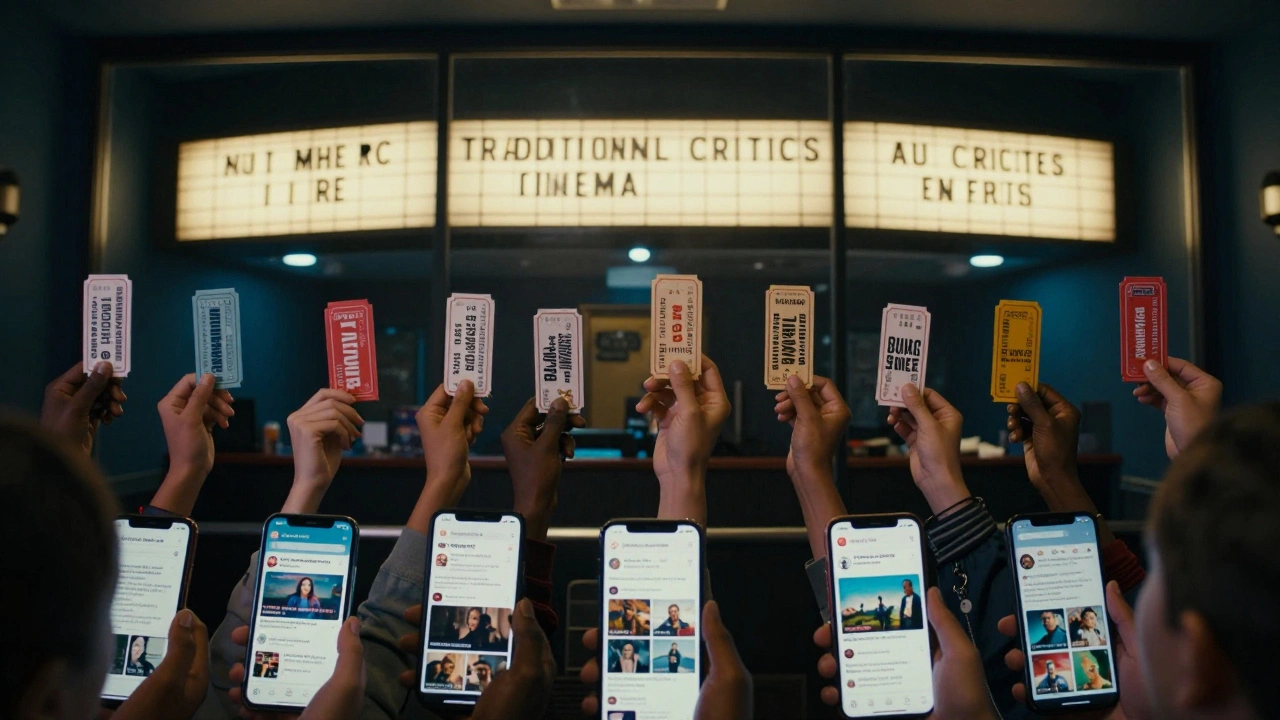
When you watch a movie and walk out thinking, "That was brilliant," or "That was a waste of time," who made you feel that way? Chances are, it wasn’t you. It was a film critic - someone whose opinion got published, shared, and amplified. But whose opinions? And more importantly, whose voices are missing?
The Gatekeepers of Taste
For decades, the loudest voices in film criticism came from the same narrow pool: white, male, college-educated, often based in New York or Los Angeles. Major outlets like The New York Times, The Atlantic, and even early online platforms like RogerEbert.com were dominated by critics who shared similar backgrounds, tastes, and cultural references. Their reviews shaped what films got attention, what festivals picked up, and what studios greenlit next.That’s not to say those critics didn’t write good work. But when the same lens is used to judge every story - from a quiet indie drama about grief to a Black-led superhero film - something gets lost. The lens doesn’t just see differently. It often doesn’t see at all.
Who Gets to Review What?
In 2020, the University of Southern California’s Annenberg Inclusion Initiative analyzed over 1,100 top-grossing films from 2007 to 2019 and found that 84% of film critics in major outlets were white. Only 8% were Black, 5% were Latinx, and just 2% were Asian. Women made up 42% of critics - but even that number hides a deeper imbalance. Women of color accounted for less than 10% of all critics reviewed in top-tier publications.It’s not just about numbers. It’s about context. A white critic might praise a film for its "universal themes" while missing how it erases cultural specificity. A critic from a marginalized background might notice the subtle stereotypes baked into a character’s dialogue - or the absence of authentic community representation.
Take the 2018 film Black Panther. Many mainstream critics called it a "blockbuster with heart." But critics of color, like Aisha Harris of NPR and Alissa Wilkinson of Vox, highlighted how the film’s Afrofuturism wasn’t just visual flair - it was a political act. They wrote about the weight of seeing Black characters not as sidekicks or victims, but as kings, scientists, warriors, and mothers. Those perspectives didn’t just add depth. They changed the conversation.
The Rise of Independent Critics
When traditional outlets ignored or misunderstood stories outside their experience, new voices built their own platforms. YouTube channels, Substack newsletters, TikTok reviews, and independent blogs became the new film criticism landscape.People like Stephanie Chen, who reviews Asian cinema with a focus on diaspora identity, or Marisol Rivera, who critiques Latinx representation through the lens of immigration and language, aren’t writing for The Hollywood Reporter. They’re writing for people who’ve never seen themselves reflected in mainstream reviews - and they’re building communities around it.
These critics don’t just review movies. They ask: Who funded this? Who was hired behind the camera? Did the director consult with the community they’re portraying? Did the script hire consultants from that background? These questions weren’t part of the standard review checklist 15 years ago. Now, they’re essential.
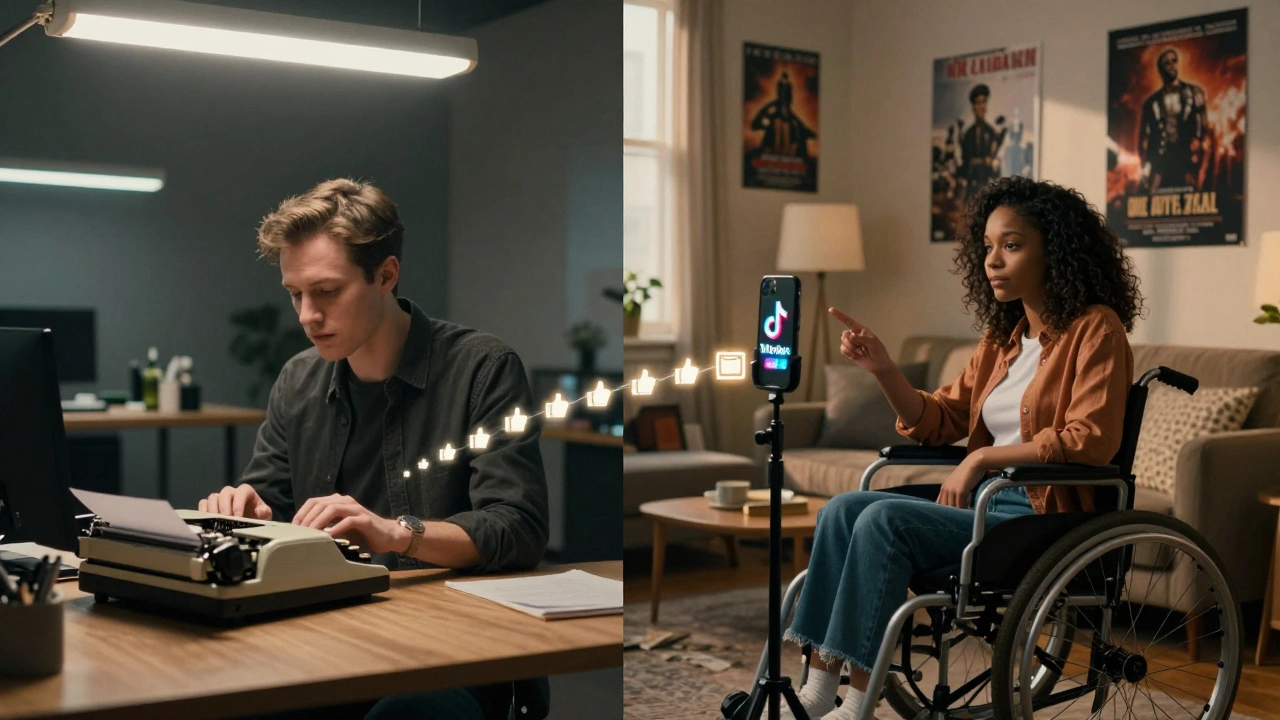
What’s Changed - and What Hasn’t
There’s been progress. In 2023, the Los Angeles Times hired its first full-time Indigenous film critic. The Guardian expanded its critic roster to include more writers from the Global South. The Criterion Collection started featuring reviews from emerging critics of color in their online journal.But the power structures haven’t fully shifted. Top-tier awards still lean heavily on critics from traditional outlets. Streaming platforms still rely on reviews from legacy publications to decide which films get promoted. A critic writing for a small blog might reach 10,000 people. A critic in The New York Times reaches millions - and their word still carries more weight with studios and distributors.
And when diversity does appear in critic rosters, it’s often performative. A publication might hire one Black or queer critic and expect them to speak for every experience within that identity. That’s not inclusion. That’s tokenism.
Why This Matters Beyond the Screen
Film criticism isn’t just about telling you whether a movie is good. It’s about shaping cultural memory. The films we remember, the ones we study in schools, the ones that get restored and re-released - they’re chosen by the critics who had the platform to write about them.If only one kind of person gets to decide what stories matter, then entire cultures become invisible. A film like Parasite (2019) didn’t just win an Oscar - it won because critics from outside the U.S. mainstream helped frame it as a global masterpiece, not just a "foreign film." That shift didn’t happen by accident. It happened because critics from Korea, the Philippines, and Latin America wrote about it in ways American critics hadn’t considered.
When we say "diversity in film criticism," we’re not asking for more feel-good stories. We’re asking for a broader set of tools to understand cinema - tools that come from lived experience, not just academic training.
Who’s Missing? And How Do We Fix It?
Here’s who’s still underrepresented in mainstream film criticism:- Disabled critics - especially those with invisible disabilities
- Neurodivergent critics - whose perspectives on pacing, sound design, and visual storytelling are rarely asked for
- Critics from rural communities - who see films differently than urban audiences
- Trans and nonbinary critics - whose insights on gender and identity are often sidelined
- Senior critics over 60 - who bring historical context but are pushed out of digital spaces
Fixing this isn’t about quotas. It’s about access. Film studios and publications need to fund fellowships for critics from underrepresented backgrounds. They need to pay them fairly - not ask them to write for exposure. They need to stop treating diversity as a checkbox and start treating it as a necessary lens for understanding art.
And if you’re a viewer who wants change? Follow critics who don’t look like the ones on TV. Support their newsletters. Share their reviews. Demand that your favorite podcast or YouTube channel include diverse voices. Film criticism isn’t a monologue. It’s a conversation - and it’s time we let more people speak.
What You Can Do Right Now
You don’t need a journalism degree to help shift the landscape. Here’s how you can make a difference:- Follow at least three critics outside your usual feed - look for ones from different races, genders, countries, or abilities.
- When you read a review, ask: "Who wrote this? What’s their background?" Then search for other reviews of the same film by different critics.
- Support independent platforms like The Black Film Review, Queer Film Critic, or Disabled Critics - subscribe, donate, share.
- Ask your local film festival or streaming service: "Who’s on your review panel?" Push for transparency.
- If you write about films - even on social media - you’re a critic. Own it. Your perspective matters.
The movies we love aren’t just stories on a screen. They’re mirrors - and sometimes, they’re windows. But only if the people holding the mirror are diverse enough to reflect the world we actually live in.
Why does diversity in film criticism matter if I just want to know if a movie is good?
Because "good" isn’t universal. A movie that feels emotionally powerful to one person might feel alienating or offensive to another. Diverse critics bring different lenses - cultural, personal, historical - that help you see what you might miss. A film about immigration might seem "slow" to one critic but deeply authentic to someone who lived it. Your enjoyment isn’t just about plot or acting - it’s about whether the story respects your reality or ignores it.
Are traditional film critics becoming obsolete?
Not obsolete, but no longer the only voice. Legacy critics still have reach, but audiences are turning to social media, newsletters, and video reviews because they feel more honest and relatable. The real shift isn’t about replacing critics - it’s about expanding who gets to be one. The best film criticism now comes from a mix of traditional outlets and independent voices, each adding something the other can’t.
Do studios really care about what critics say?
Yes - but selectively. Studios care most about reviews from major outlets because those influence awards, streaming algorithm picks, and press coverage. A glowing review in The New York Times can mean a film gets a wider release. But studios are also watching social media buzz. A film with low critic scores but high audience engagement from diverse creators can still go viral and turn a profit. It’s a two-track system now.
Can a white critic give a good review of a film about a marginalized community?
Absolutely - but only if they’re willing to listen, learn, and acknowledge their limits. A good critic doesn’t pretend to speak for others. They ask questions, cite perspectives from within the community, and admit when they don’t fully understand. The best reviews don’t claim authority - they invite dialogue.
Is there data showing diverse critics change how films are made?
Yes. When critics of color consistently called out stereotypical portrayals in horror films, studios began hiring cultural consultants. When disabled critics highlighted inaccessible sound design in action movies, filmmakers started including audio descriptions as standard. Film criticism doesn’t just reflect culture - it shapes it. When the critics change, the stories change too.



Comments(10)