
When a movie like Barbie or Parasite becomes a cultural moment, it’s not just because of the story or the acting. It’s because who made it, who’s on screen, and who gets to review it all shape how people feel about it. Film criticism doesn’t happen in a vacuum. It’s filtered through the lens of gender, race, identity, and power - and those filters change what gets praised, ignored, or dismissed.
Who Writes the Reviews Matters More Than You Think
For decades, film criticism was dominated by white men. In 2017, a study by the Annenberg Inclusion Initiative found that 78% of top film critics in the U.S. were male, and 86% were white. That didn’t mean women or people of color didn’t write about movies - they just weren’t hired by the big outlets like The New York Times, Los Angeles Times, or Variety in the same numbers.
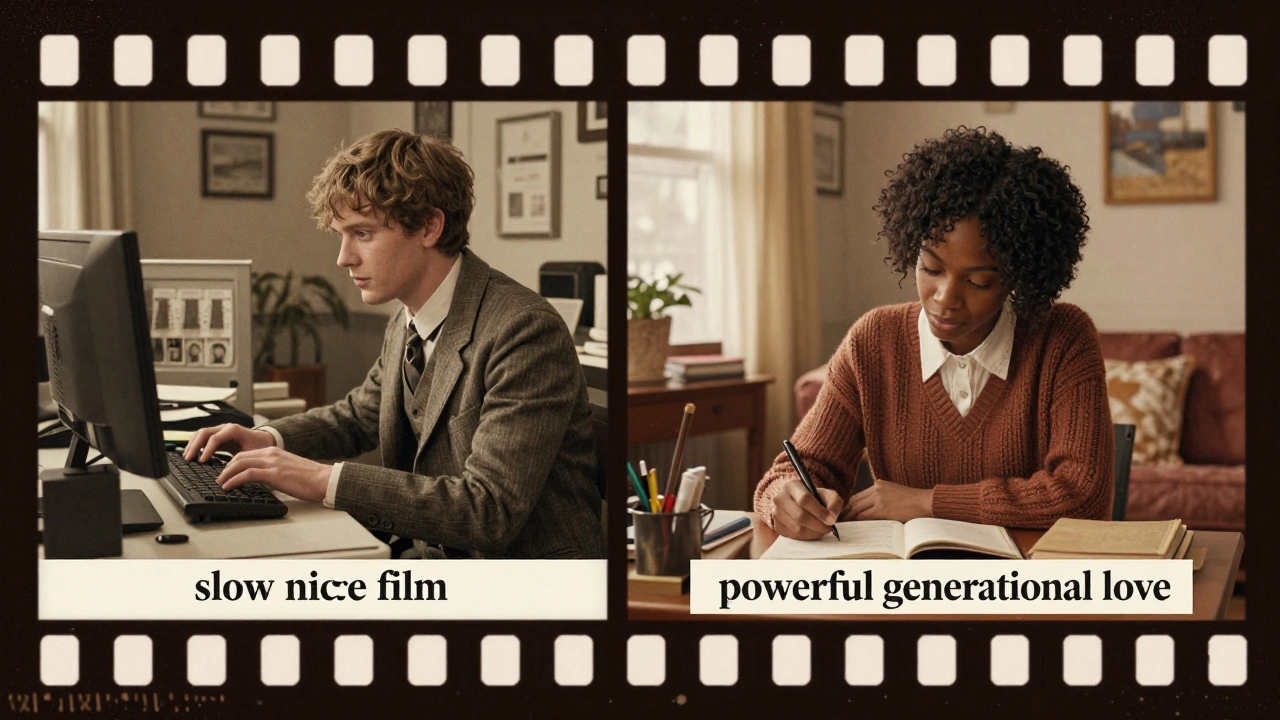
That imbalance changed how movies were judged. Films centered on women’s lives - think Little Women or The Farewell - were often called ‘niche’ or ‘slow,’ while male-driven action films with similar pacing got labeled ‘masterful.’ When critics don’t see themselves in the characters, they don’t always understand the emotional stakes. A critic who’s never experienced sexism might not notice how a scene in Mad Max: Fury Road quietly flips the script on male hero tropes. But a woman critic? She sees it immediately.
Representation On Screen Changes How Audiences React
People don’t just watch movies - they look for themselves in them. When audiences see someone who looks like them, talks like them, or lives like them on screen, the movie stops being entertainment. It becomes validation.
Look at Black Panther. It wasn’t just a superhero movie. It was a cultural reset. Black audiences didn’t just enjoy it - they showed up in African print clothing, brought their kids, cried during the funeral scene. The box office numbers were huge, but the real impact was in the comments sections, the social media posts, the essays written by students who finally saw a king who looked like their father.
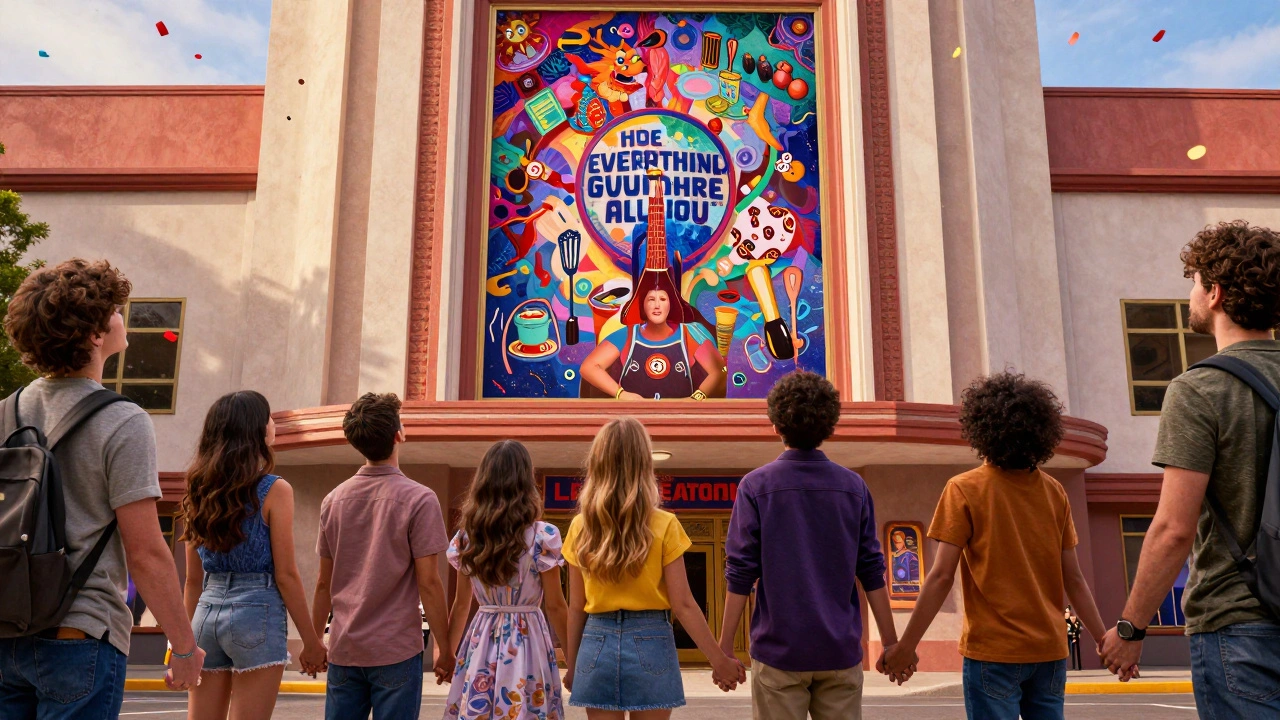
Meanwhile, movies with diverse casts that don’t center trauma - like Everything Everywhere All At Once - still faced pushback from critics who called them ‘confusing’ or ‘too busy.’ But audiences who grew up juggling multiple identities? They saw the chaos as real. The reviews didn’t match the experience. That’s not a flaw in the film. It’s a flaw in the critic’s frame of reference.
Gender Bias in Reviews: The ‘Woman’s Movie’ Label
There’s a phrase critics still use - sometimes without realizing it - that quietly undermines films made by or for women: ‘a woman’s movie.’
It’s never ‘a man’s movie.’ A film about a man’s midlife crisis is ‘a profound character study.’ A film about a woman’s midlife crisis? ‘A chick flick.’ The language doesn’t just describe - it diminishes.
Studies show that films with female leads get rated lower on average, even when controlling for budget, genre, and critical consensus. A 2023 analysis of over 10,000 reviews from Rotten Tomatoes and Metacritic found that movies with female protagonists scored 12% lower than comparable male-led films. The difference wasn’t in the storytelling. It was in the tone of the reviews. Words like ‘emotional,’ ‘self-indulgent,’ and ‘overwrought’ appeared far more often in reviews of films with women at the center.
And it’s not just critics. Male audiences often dismiss these films as ‘not for them.’ But when you flip the script - say, a male-led drama about grief - no one says it’s ‘a man’s movie.’ It’s just a movie.
Who Gets to Be the Expert?
There’s a quiet hierarchy in film criticism. The people who get invited to press junkets, interviewed by major outlets, or quoted in marketing campaigns are rarely from marginalized groups - unless the film is about their identity. Then suddenly, they’re asked to explain their whole culture in 300 words.
That’s tokenism. It’s not inclusion. It’s using someone’s identity as a marketing tool while keeping them out of the decision-making rooms.
Look at the rise of independent critics on YouTube, TikTok, and Substack. People like @thefilmexaminer, @browngirlcinema, or @queerfilmcritic are building audiences because they speak directly to communities that mainstream critics ignore. They don’t just review movies - they ask: ‘Who was left out of this story?’ ‘Who wrote this script?’ ‘Does this feel true to the people it claims to represent?’
These voices aren’t replacing traditional critics. They’re exposing the blind spots.
The New Wave of Critics Is Changing the Game
Things are shifting - slowly, but visibly. Outlets like The Ringer, Vox, and even The Atlantic now regularly feature critics who are women, Black, queer, or disabled. Film festivals like Sundance and TIFF have made diversity a hiring priority for their press teams. Streaming platforms now release data on who’s watching what - and they’re noticing that audiences of color are driving engagement for films that traditional critics dismissed.
Take Minari. Critics initially called it ‘quiet’ and ‘small.’ But Asian American viewers saw a family that looked like theirs - struggling, loving, silent in ways that didn’t need explanation. The film’s Oscar nomination didn’t come from mainstream reviews. It came from word-of-mouth, from parents showing it to their kids, from bloggers writing about the rice scene that made them cry.
That’s the power of representation. It doesn’t just change who’s on screen. It changes who gets to decide what’s good.
What This Means for You as a Viewer
You don’t have to agree with every review. But you should ask: Who wrote this? What’s their background? What stories do they usually care about?
Try this: Watch a movie, then read three reviews - one from a mainstream outlet, one from a critic of color, one from a queer critic. Notice how the focus changes. One might talk about pacing. Another might talk about the silence between characters. A third might point out the absence of a grandmother figure - something you didn’t even notice.
That’s not ‘bias.’ That’s perspective. And the more perspectives you hear, the richer your understanding becomes.
Film criticism isn’t about finding the ‘right’ opinion. It’s about expanding the conversation. When we stop treating one kind of voice as the default, we stop missing the truth in stories that don’t look like ours.
Why This Isn’t Just About Fairness - It’s About Better Movies
When only one group holds the power to define what’s great in cinema, the art form gets smaller. It becomes predictable. Safe. Limited.
But when critics from different backgrounds - different genders, races, sexual orientations, classes - are given space to speak, films start to change. Stories that were once seen as ‘too specific’ become universal. Characters who were labeled ‘unrelatable’ are now seen as deeply human.
Look at the last five Best Picture winners. Each one broke a mold. Parasite - a Korean family drama that won the top Oscar. Everything Everywhere All At Once - a multiverse movie made by a Chinese American family. Nomadland - a quiet film about a woman living out of her van, directed by a woman.
These weren’t outliers. They were signals. The gatekeepers are finally letting in new voices. And the movies are better because of it.
Why do some critics call films with female leads ‘emotional’ or ‘self-indulgent’?
Those terms are often code for ‘not masculine enough.’ Critics trained in a male-dominated system equate emotional depth with weakness when it comes to women’s stories. A man’s grief is ‘powerful.’ A woman’s grief is ‘overwrought.’ It’s not about the film - it’s about whose pain is allowed to be taken seriously.
Does representation on screen really affect box office success?
Yes - and not just in niche markets. Black Panther made over $1.3 billion worldwide. Minari earned $25 million on a $7 million budget. Everything Everywhere All At Once became the highest-grossing R-rated indie film ever. Audiences show up when they see themselves reflected. Studios are finally noticing.
Are film critics biased against movies made by women?
Data says yes. A 2023 analysis of over 10,000 reviews found that films with female leads scored 12% lower on average than comparable male-led films, even when quality was equal. The language used - words like ‘niche,’ ‘slow,’ or ‘emotional’ - reveals unconscious bias, not objective judgment.
How can I tell if a review is biased?
Check who wrote it. Look at their past reviews. Do they consistently praise certain types of stories and dismiss others? Read multiple reviews from different backgrounds. If one critic calls a film ‘boring’ while another calls it ‘quietly powerful,’ the difference isn’t the movie - it’s the lens.
Is diversity in film criticism just a trend?
It’s not a trend - it’s a correction. For decades, film criticism was shaped by a narrow group. Now, audiences are demanding more voices, and platforms are responding. Independent critics on social media, new publications, and inclusive hiring practices are making this permanent. The art form is expanding - and it’s better for it.




Comments(9)