
Most people watch movies for escape, emotion, or entertainment. But if you’ve ever sat through a film and felt something deeper-like a quiet unease, a hidden message, or a strange rhythm in the editing-you weren’t just watching. You were experiencing film theory in action. Film theory isn’t about whether a movie is good or bad. It’s about learning the language that films use to speak to us, often without saying a word.
What Film Theory Actually Means
Film theory is the study of how movies create meaning. It’s not a set of rules you follow to get the right answer. It’s a toolkit of ideas that helps you see what’s underneath the surface. Think of it like learning to read music. You can hum a tune, but once you understand scales, harmony, and tempo, you hear the song differently.
Early film theorists like Sergei Eisenstein noticed that cutting two shots together-say, a man looking, then a close-up of a woman-creates an idea that isn’t in either shot alone. The mind connects them. That’s called montage. It’s not just editing. It’s how meaning is built. Modern films use this every day. A character stares out a window. Cut to a storm. You don’t need dialogue to know they’re feeling alone. That’s film theory at work.
The Building Blocks: Visual Language
Every film speaks in visuals. Camera angles, lighting, color, movement-these aren’t just choices. They’re grammar. A low-angle shot makes someone look powerful. A high-angle shot makes them look weak. A red filter doesn’t just change the mood-it signals danger, passion, or obsession. In The Sixth Sense, the color red appears only where ghosts are present. That’s not an accident. It’s a visual code.
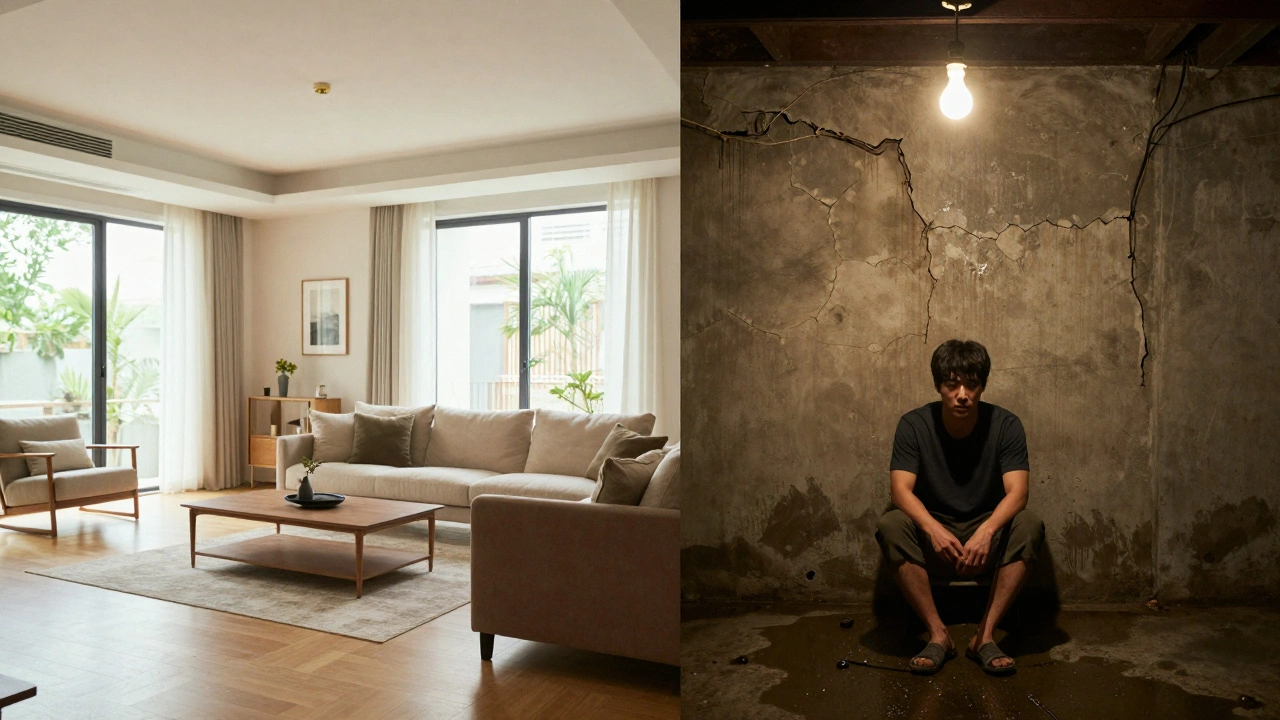
Lighting tells you who to trust. In film noir, shadows swallow half the face. That’s not just style. It’s moral ambiguity. In Parasite, the wealthy home is bright, open, and full of natural light. The basement is damp, dim, and claustrophobic. The architecture itself is telling you about class. You don’t need a character to say, “We’re unequal.” The camera says it for them.
Sound and Silence as Narrative Tools
Sound design is often ignored in casual viewing. But silence can be louder than a scream. Think of the quiet moments in There Will Be Blood. The absence of music makes the moments of violence feel even more brutal. The score doesn’t tell you how to feel-it lets you sit in the discomfort.
Diegetic sound (what characters hear) and non-diegetic sound (what only the audience hears) create tension. In Jaws, the iconic two-note theme isn’t heard by the characters. It’s the audience’s warning system. That’s film theory: using sound to manipulate perception. When a character hears a noise and turns around, but we hear nothing, you feel the dread before they do. That’s control. That’s craft.
Editing: The Hidden Storyteller
Editing isn’t just cutting scenes together. It’s how time, emotion, and meaning are shaped. A fast cut can mean panic. A long take can mean realism-or boredom, depending on the intent. In 1917, the entire film looks like one continuous shot. That’s not a trick. It’s a way to make you feel like you’re walking through war with the soldiers. No cuts. No escape. You’re trapped in the moment.
Continuity editing keeps things smooth-eye lines match, objects stay in the same place. But when filmmakers break those rules, it’s intentional. In Requiem for a Dream, the rapid cuts during drug sequences don’t just show addiction. They mimic the fractured mind. The editing isn’t following the story. It’s becoming the story.
Symbolism and Metaphor in Film
Not every object in a movie is just an object. A car can be freedom. A mirror can be identity. A door can be opportunity-or imprisonment. In The Shining, the maze outside the hotel isn’t just a set piece. It’s a metaphor for psychological entrapment. The Overlook Hotel isn’t haunted by ghosts. It’s haunted by the protagonist’s unraveling mind.
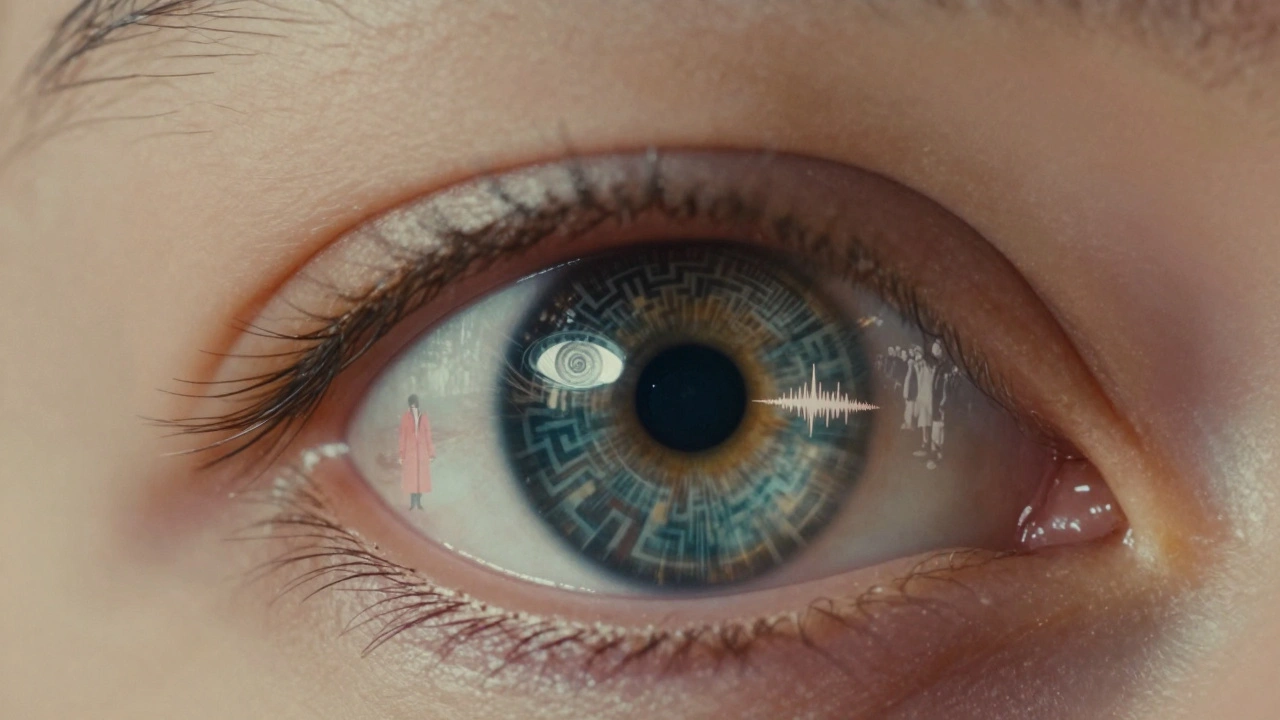
Colors, animals, weather-all carry symbolic weight. In Get Out, the sunken place isn’t just a visual effect. It’s a metaphor for systemic erasure. The hypnotic spiral isn’t magic. It’s the slow, invisible force that silences Black voices in society. These aren’t random symbols. They’re carefully chosen to connect the personal with the political.
How Film Theory Changes How You Watch
Once you start noticing these tools, you can’t unsee them. You’ll watch a rom-com and realize the camera lingers on the woman’s face longer than the man’s. That’s not just “good cinematography.” That’s the film telling you whose perspective matters. You’ll notice how action movies always shoot the hero from behind during a run-making them look unstoppable. The villain? Shot from the front, so you see their fear.
Film theory turns passive watching into active reading. You stop asking, “Did you like it?” and start asking, “How did it make you feel that way?”
Common Theories You’re Already Seeing
You don’t need a degree to use film theory. You just need to know a few key ideas:
- Psychoanalytic theory: Films tap into unconscious desires. Think of the “mother figure” in horror movies, or the lonely hero who seeks connection.
- Feminist film theory: Who is looking? Who is being looked at? In many films, the camera lingers on women’s bodies for the male gaze. Laura Mulvey coined the term in 1975-and it still applies today.
- Marxist theory: Who has power? Who’s exploited? Films like Parasite and The Hunger Games don’t just tell stories-they expose class struggle.
- Postcolonial theory: Who gets to tell the story? Many Hollywood films still center white protagonists in non-Western settings. Film theory asks: whose history is being told?
You don’t have to agree with these theories. But knowing them helps you spot when a film is reinforcing stereotypes-or challenging them.
Why This Matters Beyond Movie Night
Film isn’t just entertainment. It’s culture. It shapes how we think about gender, race, power, and truth. When a film shows a police officer as always right, or a woman as only valuable for her looks, it doesn’t just reflect society-it reinforces it.
Learning film theory helps you question what you’re being shown. It gives you the tools to recognize manipulation, bias, and artistry. You start seeing how ads, TV shows, and even social media videos use the same techniques. A 30-second commercial can use the same lighting, music, and editing as a 2-hour drama. Once you know the language, you’re less likely to be fooled by it.
Where to Start Practicing
You don’t need to analyze every frame. Start small. Pick one scene from a movie you love. Watch it three times.
- First time: Watch like a regular viewer. What did you feel?
- Second time: Turn off the sound. What do you see? How does the camera move? Where are the shadows?
- Third time: Watch only the sound. What’s the music doing? Is there silence? What does it add?
Write down one thing you noticed. That’s your first step into film theory. You don’t need to know all the terms. Just notice. That’s the point.
Final Thought: Films Don’t Just Tell Stories. They Shape Reality
People think movies are just stories. But the way they’re made-the shots, the cuts, the sounds, the silences-teaches us how to see the world. Film theory gives you the power to see behind the curtain. You don’t need to become a critic. You just need to stop accepting what’s shown to you. Start asking why.
Is film theory only for film students?
No. Film theory is for anyone who watches movies and wants to understand why they affect them. You don’t need a degree. You just need curiosity. People who use film theory include teachers, writers, marketers, and everyday viewers who want to think deeper about what they watch.
Can film theory help me write better reviews?
Absolutely. Instead of saying “the movie was boring,” you can say, “The long takes and muted color palette created emotional distance, which worked for the theme but made the pacing feel slow.” That’s not just opinion-it’s analysis. Film theory gives you the vocabulary to explain why something works-or doesn’t.
Are all films made with film theory in mind?
Not every filmmaker studies theory. But every filmmaker makes choices-about lighting, editing, framing, sound. Those choices, whether intentional or not, follow patterns that theory describes. Even a simple horror movie uses jump scares and low lighting because those techniques have been proven to trigger fear. Film theory explains why those patterns work.
Does film theory make movies less fun to watch?
Not if you do it right. Thinking about how a film is made doesn’t take away the emotion-it deepens it. Knowing how a director builds suspense doesn’t ruin the scare. It makes you appreciate the skill behind it. It’s like learning how a magic trick works. You still enjoy the show-you just understand the wonder more.
What’s the easiest way to start learning film theory?
Watch a scene from a classic film like Psycho or Vertigo and pause every 30 seconds. Ask: What’s the camera doing? Where is the light? What’s in the background? Write down one observation. Repeat with a different scene. After five scenes, you’ll start seeing patterns. That’s film theory-no books required.
Start noticing. Start asking. The movies have been speaking all along. You just needed to learn how to listen.


Comments(10)