When critics talk about queer cinema, they don’t just watch movies-they unpack decades of erasure, caricature, and forced tragedy. For years, LGBTQ+ characters were either punchlines, victims, or invisible. Critics who truly engage with queer cinema now ask different questions: Who gets to tell this story? Does the film honor complexity, or does it recycle old tropes? The shift isn’t just about representation-it’s about authority.
Breaking the Tragic Queer Trope
For decades, queer characters in film were doomed by design. The bury your gays trope wasn’t an accident; it was a pattern. Critics used to treat these stories as noble tragedies, but now they call them out. A film like Brokeback Mountain (2005) was praised for its emotional depth, but many critics later questioned why the only path to authenticity for these characters had to end in death. The same scrutiny applies to films like Carol (2015), where the love story was beautiful but still framed by societal repression. Today’s critics don’t just accept that. They ask: Why can’t queer joy be the whole story?
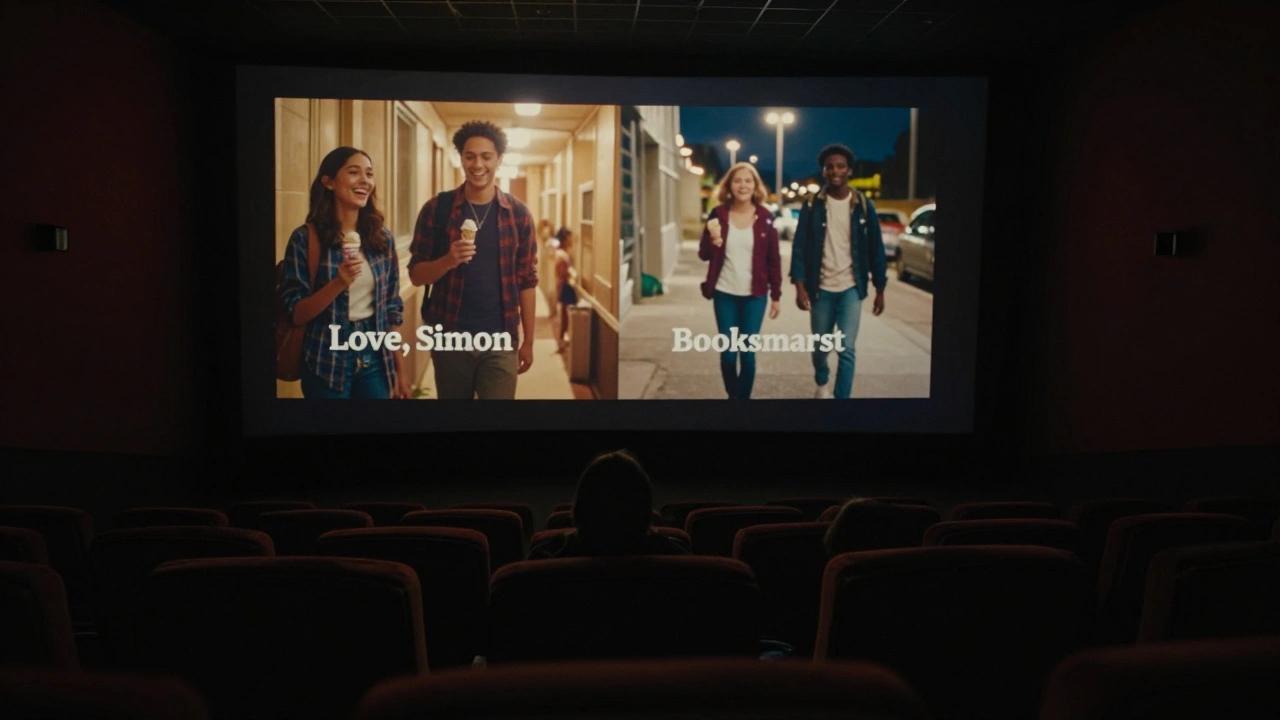
That’s why Love, Simon (2018) and Booksmart (2019) sparked real conversation. They didn’t fixate on coming out as trauma. They showed queer teens navigating friendships, crushes, and family drama-just like anyone else. Critics noted this wasn’t revolutionary because it was new, but because it was ordinary. And that’s the point.
Who’s Behind the Camera?
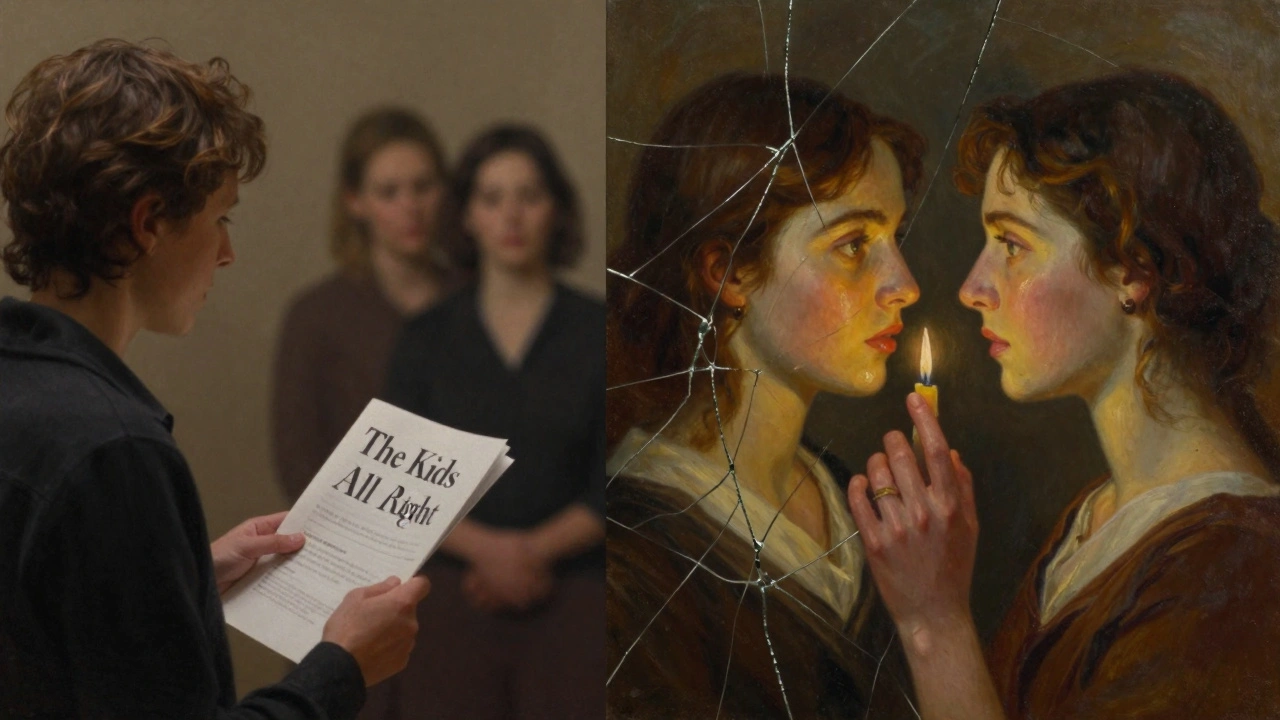
It’s not enough to cast queer actors. Critics now look at who wrote, directed, and produced the film. A straight filmmaker telling a queer story often misses the nuances. Take The Kids Are All Right (2010). It had strong performances, but critics pointed out it centered on the straight mother’s perspective, reducing the lesbian couple to a subplot. Contrast that with Portrait of a Lady on Fire (2019), directed by Céline Sciamma. Critics praised how the film didn’t explain queerness to the audience-it simply lived inside it. The gaze wasn’t male, wasn’t heteronormative, wasn’t performative. It was intimate, quiet, and unapologetically queer.
When a film is made by someone who’s lived the experience, critics notice the difference. The details change: how a character touches their partner’s hand, how silence is used between them, how their family reacts in ways that feel real, not scripted. Critics no longer treat queer stories as exotic. They treat them as human.
Language Matters
Words carry weight. Critics used to say things like “gay protagonist” or “lesbian romance” as if those labels were the whole story. Now, they avoid reducing identity to a checkbox. Instead, they say: “The film centers on a woman who falls in love with another woman.” Or: “The protagonist navigates gender expression without needing a coming-out moment.”
Terms like “coming out” are still used, but only when the story actually revolves around that moment. Critics now recognize that many queer people don’t have a single “out” moment-they live in layers. That’s why films like Disclosure (2020), a documentary about trans representation, changed the conversation. Critics didn’t just review it as a film. They treated it as a cultural document. They highlighted how trans actors spoke for themselves, not through the lens of cisgender filmmakers.
Language also shapes what gets funded. When critics call out lazy tropes-like the “sassy best friend” or the “tragic trans woman”-they influence studios. That’s how Heartstopper (2022) got made. Critics didn’t just praise its tone; they demanded more stories like it. And studios listened.
Queer Joy as Resistance
One of the most powerful shifts in queer film criticism is the celebration of joy. For years, critics equated authenticity with pain. But joy isn’t shallow. It’s radical. Think of Paris is Burning (1990)-a documentary about Black and Latinx drag performers in New York. Critics now recognize it not just as a historical artifact, but as a blueprint for survival through creativity. The same goes for Everything Everywhere All At Once (2022). While not a queer film by definition, its queer-coded themes of identity, chaos, and love resonated deeply. Critics didn’t label it “queer.” They saw how it mirrored queer emotional labor: the pressure to perform, the fear of being unseen, the power of chosen family.
When critics stop asking “Is this queer enough?” and start asking “Does this feel true?”, the films change. Ammonite (2020) didn’t need a happy ending to be valid. But it didn’t need a death either. Critics praised how it let its characters simply exist in their love, even if the world outside was hostile. That’s the new standard: authenticity over predictability.
The Role of Audience Feedback
Critics don’t work in a vacuum. They listen. When queer audiences speak up-on Twitter, in Reddit threads, in letters to film festivals-critics take note. A film like Spencer (2021) got heavy criticism for using queer subtext without ever naming it. Critics didn’t just say “It’s vague.” They asked: Why not let Diana’s queerness be visible? Why make it a metaphor when real queer people are demanding visibility?
That pressure led to more films being made with direct queer input. The Half of It (2020) became a cult hit because critics and audiences alike noticed how it handled a bisexual teen’s internal world without turning her into a trope. She wasn’t confused. She wasn’t a joke. She was thoughtful, funny, and messy-exactly how real teenagers are.
Today, film festivals like Outfest and Frameline don’t just showcase queer films. They host panels where critics and creators sit side by side with audiences. The conversations are messy, honest, and sometimes heated. And that’s how progress happens.
What’s Next?
Critics aren’t done. They’re pushing for more trans stories that aren’t about transition. More nonbinary leads who aren’t sidekicks. More films set outside the U.S. and Europe. More stories where queerness isn’t the conflict-it’s the context.
They’re also calling out the rise of “rainbow capitalism.” Films that use queer aesthetics to sell products without including queer people behind the scenes. Critics call that exploitation. And they’re not afraid to say so.
The future of queer cinema isn’t about checking boxes. It’s about trusting queer voices to tell their stories in their own way. Critics are no longer gatekeepers. They’re translators-helping mainstream audiences understand that queer stories aren’t niche. They’re universal. Because love, fear, longing, and belonging? Those don’t come with a label.
Why do critics now avoid the term 'gay protagonist'?
Critics avoid labeling characters by their sexuality alone because it reduces their identity to a single trait. A person’s queerness is part of who they are, not the whole story. Using phrases like "a woman who falls in love with another woman" focuses on the narrative, not the category. This shift respects the complexity of identity and avoids turning characters into symbols.
How has queer cinema changed since the 1990s?
In the 1990s, queer cinema was often limited to underground films with tragic endings or heavy political messaging. Today, queer stories appear in mainstream studios, feature diverse genres (comedy, sci-fi, romance), and are created by LGBTQ+ filmmakers. The focus has shifted from survival to self-expression, and from trauma to everyday humanity. Films like Heartstopper and Everything Everywhere All At Once show queerness woven into the fabric of life, not as a plot device.
Can straight filmmakers make authentic queer films?
Some can, but it’s rare. Authenticity comes from lived experience, not research. Straight filmmakers who succeed-like Ang Lee with Brokeback Mountain-do so by listening deeply to queer collaborators and surrendering creative control. Most attempts still center straight perspectives, even unintentionally. Critics now prioritize films made by queer creators because they’re more likely to capture nuance, silence, and emotional truth that outsiders miss.
What’s wrong with "bury your gays" tropes?
The "bury your gays" trope reinforces the idea that queer happiness is temporary or dangerous. It suggests that love between same-sex partners is inherently doomed. This isn’t just lazy storytelling-it’s harmful. It mirrors real-world stigma and teaches audiences that queer lives aren’t meant to last. Critics now call it out not just as a cliché, but as a form of narrative violence.
Why is queer joy considered political?
In a world where queer people are still targeted by legislation, media, and violence, simply showing queer joy is an act of resistance. It defies the narrative that queer lives are only worthy of pity or tragedy. When a film shows two women laughing over coffee, or a trans teen dancing at a party, it says: We exist. We are happy. We are here. That’s not frivolous-it’s revolutionary.






Comments(8)