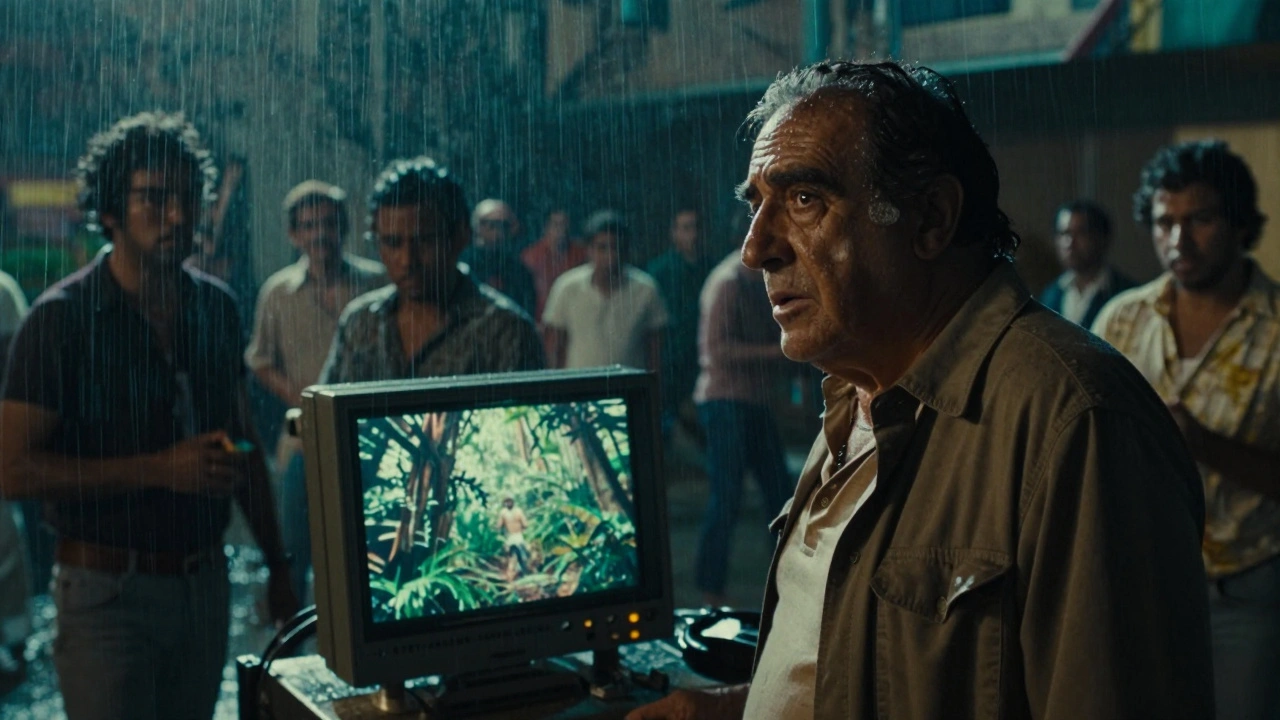
Why context changes everything in film criticism
Ever watched a movie and felt something was off-but couldn’t put your finger on it? That’s usually because you were missing the context. Critics don’t just judge a film by its final frame. They dig into the time it was made, the people behind it, the pressures they faced, and the patterns in their work. Two movies can look identical on the surface, but if one was made during a studio strike and the other during a creative peak, their meaning shifts completely. That’s where production history and auteur analysis come in.
Production history: What was happening when the film was made
Every film is a product of its moment. Take Blade Runner 2049. Released in 2017, it looked like a sleek sci-fi sequel. But critics who dug into its production history saw something else: a studio that had lost faith in the project, slashed the budget, and forced director Denis Villeneuve to cut scenes he’d fought for. The film’s slow pacing wasn’t just a stylistic choice-it was a compromise. That context turned a box office flop into a critical triumph. Without knowing that, you’d miss why the film feels so lonely, so broken.
Look at Apocalypse Now. Francis Ford Coppola went over budget, lost actors to health crises, and filmed in the Philippines during a political uprising. The chaos on set bled into the film’s madness. Critics didn’t just praise its visuals-they understood the film was a mirror of its own making. The director’s descent into obsession became part of the story. That’s not coincidence. That’s context.
Production history includes things like: studio interference, release delays, censorship battles, budget cuts, and even weather. A film shot in a heatwave might have actors moving slower, lighting dimmer. A movie rushed to meet a holiday deadline might have patchy editing. Critics track these details because they shape what ends up on screen.
Auteur theory: The director as author
Auteur theory says the director is the true author of a film. Not the writer. Not the producer. The director. That doesn’t mean they do everything. But their vision, recurring themes, and visual style leave a fingerprint across their body of work.
Think of Alfred Hitchcock. He didn’t just make thrillers-he made films about guilt, surveillance, and mistaken identity. In Psycho, the killer is hidden in plain sight. In Vertigo, the main character obsesses over an illusion. In North by Northwest, an innocent man is chased by forces he doesn’t understand. These aren’t random plots. They’re Hitchcock’s obsessions. Critics use this pattern to read deeper. When you see a character looking into a mirror, or a shot framed through a doorway, you’re not just watching a scene-you’re reading a signature.
Modern auteurs like Paul Thomas Anderson, Greta Gerwig, and Jordan Peele work the same way. Anderson’s films often feature fathers who are absent or broken. Gerwig’s characters wrestle with identity and time. Peele uses horror to expose racial trauma. Critics don’t just say, “That was a good movie.” They say, “This fits his pattern of using domestic spaces to show emotional isolation.” That’s auteur analysis.
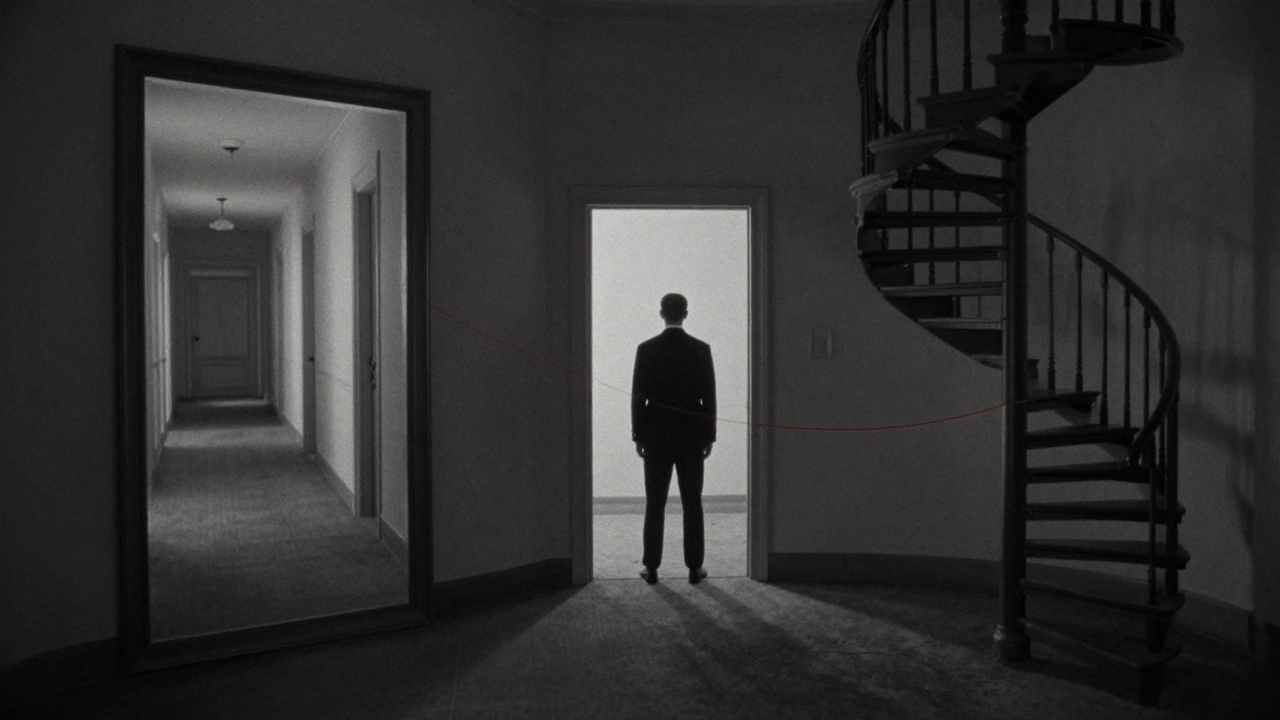
When production history and auteur theory collide
The most powerful criticism happens when these two approaches meet. Take Her (2013). On the surface, it’s a love story between a man and an AI. But critics who looked at Spike Jonze’s past work saw something else: his films always explore emotional disconnection in modern life-Being John Malkovich, Adaptation, Where the Wild Things Are. All of them deal with people trying to connect but failing.
Then they looked at the production history. Jonze wrote the script after his divorce. He recorded voice notes of himself talking to his ex. He didn’t just make a sci-fi romance-he made a diary. The AI’s voice? Based on his own voice. The loneliness? Real. The film wasn’t just fiction. It was therapy.
Another example: Parasite. Bong Joon-ho had been making films about class division for years-Mother, Snowpiercer. Critics knew his style. But when they learned the film was written during South Korea’s growing wealth gap, and that the crew lived in the actual house used for filming to capture the claustrophobia, the movie became more than a thriller. It became a document.
Why ignoring context leads to shallow reviews
Many audience reviews say, “I didn’t like it.” But they don’t say why. They judge the film as if it appeared out of nowhere. That’s like judging a novel without knowing the author’s childhood, or a painting without knowing the artist’s political climate.
Take Citizen Kane. In 1941, critics called it arrogant and self-indulgent. Today, it’s seen as a masterpiece. Why? Because later critics learned Orson Welles was 25, fighting a media mogul (William Randolph Hearst), and trying to prove he could make something revolutionary on a tight budget. The film’s structure, its symbolism, its flaws-all make sense when you know the battle behind it.
Without context, you’re just watching. With context, you’re understanding.
How to start reading films like a critic
You don’t need a degree to think like a critic. You just need to ask the right questions before and after watching.
- Who directed it? Look up their other films. Do you see patterns? Recurring colors? Types of characters? Settings?
- When was it made? Check the year. What major events happened then? Wars? Strikes? Social movements? A film made in 1968 feels different than one made in 2008.
- What was the budget? A low-budget film with great ideas is more impressive than a big-budget one with nothing to say.
- Did it face censorship or cuts? Search for deleted scenes or interviews with the crew. What was removed? Why?
- How did audiences react at the time? Was it a flop? A scandal? A surprise hit? Later reactions often change-but the original response tells you what scared or moved people back then.
Try this with Get Out. You might think it’s just a horror movie. But if you know Jordan Peele was a comedy writer switching genres, and that he wrote it after Obama’s presidency, and that he used horror tropes to mirror real racial fears-you start seeing layers you never noticed before.
Context doesn’t excuse bad films-but it explains them
Knowing the backstory won’t turn a terrible movie into a great one. But it stops you from dismissing it too quickly. A film might be messy, slow, or strange. But if you know the director was grieving, the studio was shutting down, or the actors were working without pay-you start seeing the film as a survival act, not a failure.
Take Requiem for a Dream. It’s brutal. But Darren Aronofsky made it after his mother’s death. He wanted to show addiction as a spiral, not a choice. The rapid editing, the color shifts, the distorted sound-they’re not just style. They’re grief made visible.
Context turns movies from entertainment into history. It turns directors from hired hands into storytellers with something to say. And it turns viewers into thinkers.
What critics know that casual viewers don’t
Critics don’t watch films in a vacuum. They watch them in a web-of other films, of real events, of personal struggles. They know that a single shot can echo a director’s childhood. That a line of dialogue might have been rewritten after a real-life argument. That a studio logo at the start might signal the difference between artistic freedom and corporate control.
That’s why two people can watch the same movie and walk away with completely different opinions. One sees a boring drama. The other sees a cry for help from a filmmaker who had nothing left to lose.
Context doesn’t give you all the answers. But it gives you the right questions.
What’s the difference between auteur theory and just liking a director’s style?
Liking a director’s style is personal taste-maybe you like their color palette or music choices. Auteur theory is analytical. It looks for consistent themes, recurring symbols, and narrative patterns across multiple films. It asks: Is this director shaping the film’s meaning, or just following orders? It’s about authorship, not preference.
Can a film be a masterpiece even if the director didn’t intend it?
Yes. Intention matters, but so does impact. Sometimes accidents become meaning. The famous shower scene in Psycho was edited to be faster than planned-and that randomness created terror. Critics don’t ignore intention, but they also don’t ignore what the film becomes once it’s released. A film can outgrow its creator.
Do critics always get it right?
No. Critics misread films all the time. But their strength isn’t perfection-it’s depth. They don’t just say if a movie is good or bad. They explain why it matters. Even when they’re wrong, they push you to look closer. That’s more valuable than a star rating.
Is auteur theory outdated in today’s collaborative filmmaking?
Not really. Even in big studio films with dozens of writers and producers, the director still makes final creative calls-on casting, pacing, tone, visuals. Look at Marvel movies. They’re all made the same way, but each director’s version feels different. That’s because they still inject their own voice. Auteur theory just helps you spot who that voice belongs to.
How do I find reliable production history for a film?
Start with director interviews on YouTube or podcasts. Look for behind-the-scenes documentaries. Check archived film magazines like American Cinematographer or Sight & Sound. Books like The Filmmaker’s Handbook or biographies of directors often include production details. Avoid Wikipedia for deep context-it’s a summary. Go for primary sources: interviews, journals, or studio records if available.


Comments(5)