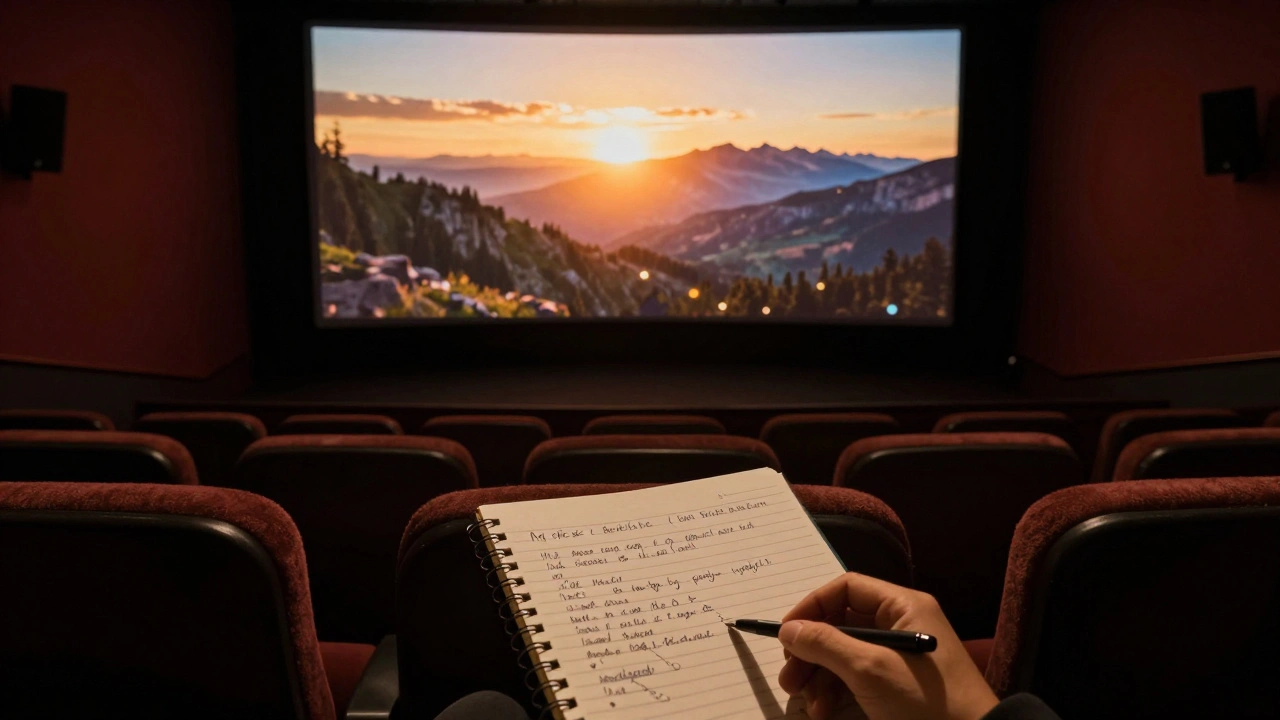
Writing a negative film review doesn’t mean you have to trash the filmmakers, insult the cast, or turn your readers into enemies. In fact, the most powerful reviews are the ones that hurt the least-but still say the truth. You don’t need to be cruel to be credible. You just need to be clear, fair, and human.
Start with what worked
Even the worst films have moments. Maybe the cinematography was beautiful. Maybe one actor gave a performance that felt real. Maybe the soundtrack stuck with you long after the credits rolled. Find those moments. Name them. Give them space.For example, if you’re reviewing a superhero movie that collapsed under its own weight, you might say: "The opening sequence, shot in natural light over the Colorado Rockies, had a quiet elegance rarely seen in this genre. The camera lingered just long enough to make you feel the wind-and that’s something worth praising."
This isn’t flattery. It’s fairness. It tells the reader you’re not just angry-you’re thoughtful. And it tells the filmmakers you saw their effort, even if it failed.
Focus on the film, not the people
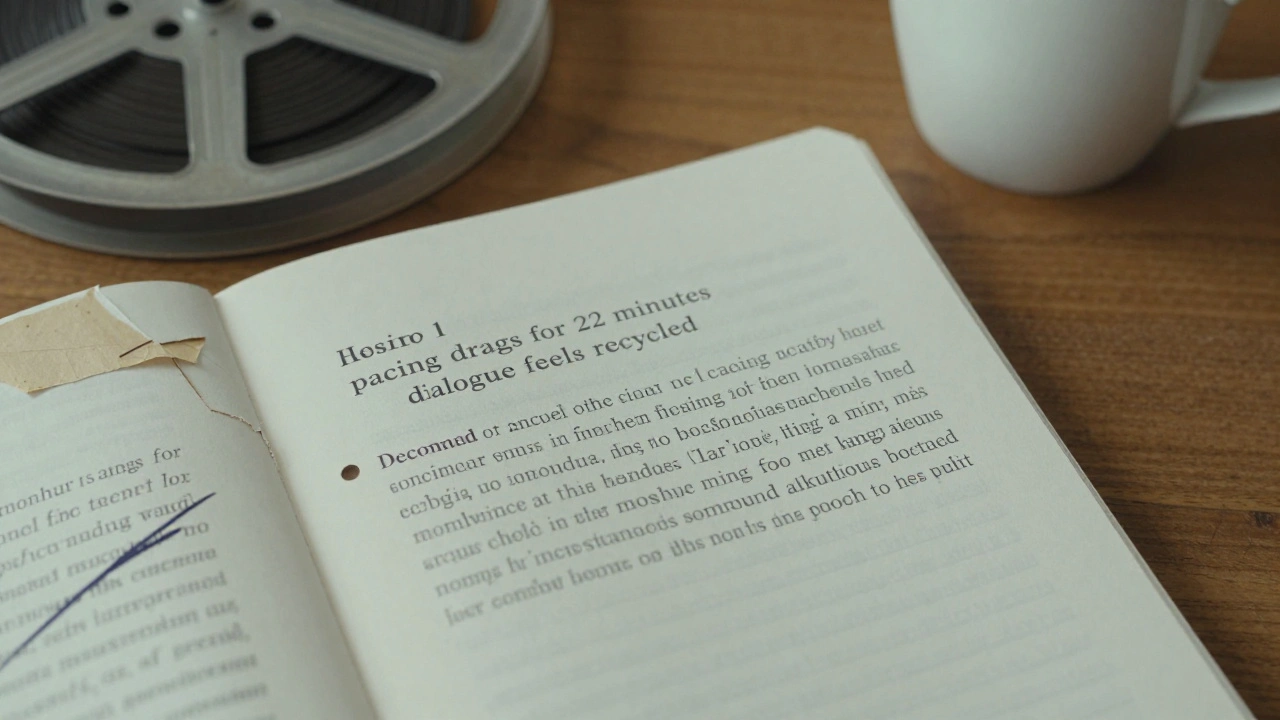
Never write: "The director is clueless." Or: "The lead actor clearly didn’t try." That’s personal. And it’s cheap.Instead, focus on what’s on screen. Say: "The pacing drags for 22 minutes after the third act setup, leaving no room for emotional payoff." Or: "The dialogue feels recycled from 2018 TV pilots, with every line serving plot instead of character."
There’s a difference between criticizing a choice and attacking a person. The first builds authority. The second makes you look bitter.
Use specific examples
Vague complaints are lazy. Saying "It was boring" or "The story made no sense" tells readers nothing. They’ve probably already felt that way.Be precise. Say: "The villain’s motivation is introduced in a 45-second montage with no dialogue, while the hero spends 17 minutes arguing with a vending machine." Or: "The film cuts from a tense courtroom scene to a slow-motion kiss in a rainstorm-without a single line of dialogue to justify the emotional shift."
These aren’t opinions. They’re observations. They’re evidence. And evidence makes your review impossible to ignore.
Compare it to something better
Don’t just say: "This isn’t good." Say: "It wants to be like ‘Parasite’-a layered thriller with social stakes-but it ends up looking like a poorly edited YouTube short."Comparisons ground your critique. They give readers a frame of reference. They also show you know what good looks like. That builds trust.
But don’t compare it to masterpieces unless you’re ready to back it up. If you say "It’s not ‘Citizen Kane’," you better explain why-and how.
Don’t assume bad intent
A lot of negative reviews assume the filmmakers were lazy, greedy, or stupid. That’s rarely true. More often, they were trying. They just missed the mark.Try this: "I can see they wanted to make a heartfelt family drama. The script was clearly rewritten five times to soften the edges. But in the process, they stripped out the tension that makes stories stick."
You’re not accusing them. You’re diagnosing them. And that’s how you keep the door open.
End with what could’ve been
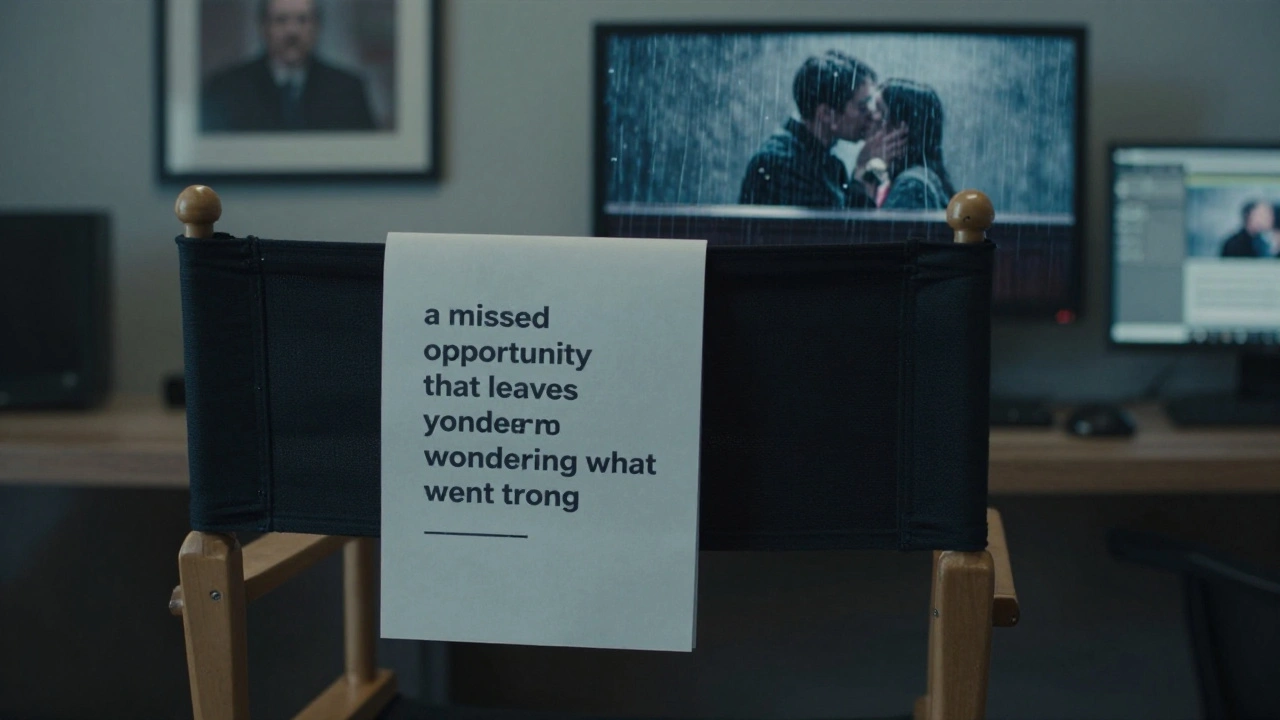
The strongest negative reviews don’t just tear down-they rebuild. Not with praise, but with possibility.Try closing with: "With tighter editing and a more grounded performance from the lead, this could’ve been a compelling indie drama. As it stands, it’s a missed opportunity that leaves you wondering what went wrong."
That’s not a punchline. It’s a challenge. And it’s a gift to the filmmakers. They’ll read it. They’ll remember it. And if they’re serious, they’ll thank you for it.
Why this matters
Film is a collaborative art. Every movie you review-good or bad-is someone’s five-year labor. Someone’s savings. Someone’s sleepless nights.If you write reviews to vent, you’ll burn out. And you’ll burn bridges. But if you write reviews to help, you’ll build a reputation. And you’ll earn respect-even from the people you criticize.
There’s a difference between being harsh and being honest. One is a weapon. The other is a tool.
What to avoid
- Personal attacks: "The director is a hack."
- Over-the-top language: "This is the worst movie ever made." (It’s not. You know it’s not.)
- Assuming malice: "They made this just to make money." (Most filmmakers lose money.)
- Ignoring context: "Why did they make this now?" (Maybe they had a window. Maybe they had funding. Maybe they believed in it.)
- Using memes or slang: "This film is a whole vibe." (It’s not. It’s a movie.)
When to hold back
Not every review needs to be published. Sometimes, you should wait. Sometimes, you should write it privately first.Ask yourself: "If I sent this to the director, would they feel seen-or attacked?"
If the answer is "attacked," rewrite it. Not to be nicer. To be sharper. To be more useful.
There’s no rule that says you have to review every film. But if you do, make it count. Make it fair. Make it human.
Final thought
You’re not here to be the loudest voice. You’re here to be the clearest.The best film critics don’t make people hate movies. They make people think about them. They make people care enough to notice what’s missing. That’s the power of a thoughtful negative review.
Write like you’re talking to a fellow movie lover-not a stranger you’re trying to crush.
Can I still be honest if I don’t want to hurt feelings?
Absolutely. Honesty doesn’t require cruelty. You can say a film failed without saying the people behind it are failures. Focus on the work, not the person. Use specific examples. Explain why something didn’t land. That’s honest-and respectful.
What if the filmmaker responds to my review?
If they reach out, thank them. Most won’t, but those who do are usually looking for insight, not a fight. A simple "I appreciate you reading it-and I’m glad you took the time to respond" goes further than you think. Keep it short. Keep it kind. You don’t owe them a debate, but you do owe them dignity.
How do I avoid sounding like every other critic?
Stop using clichés. "A mess," "a trainwreck," "a waste of time"-these mean nothing. Instead, describe what you saw: "The third act had three plot twists in seven minutes, none of which were earned." Or: "The dialogue sounded like a script written by someone who’d never met a real person." Specificity is your voice. The more precise you are, the more unique you become.
Should I mention the box office or studio politics?
Only if it directly affects the film. A studio forcing a happy ending? That’s relevant. A studio changing the release date? Only if it changed the tone. Stick to what’s on screen. The business side matters, but it’s background noise unless it’s visible in the final product.
Is it okay to say I didn’t like it because of personal taste?
Yes-but only as a footnote. If you hate musicals and this is a musical, say so: "I generally avoid musicals, but even by those standards, this felt forced." Then still critique the craft. Taste is personal. Craft is public. Your job is to evaluate the craft, not just your reaction to it.






Comments(7)