Layout and Camera in Animation: Cinematic Choices
Layout and camera work in animation aren't just technical choices-they're emotional tools. From Studio Ghibli to Spider-Verse, how space, light, and movement shape unforgettable scenes.
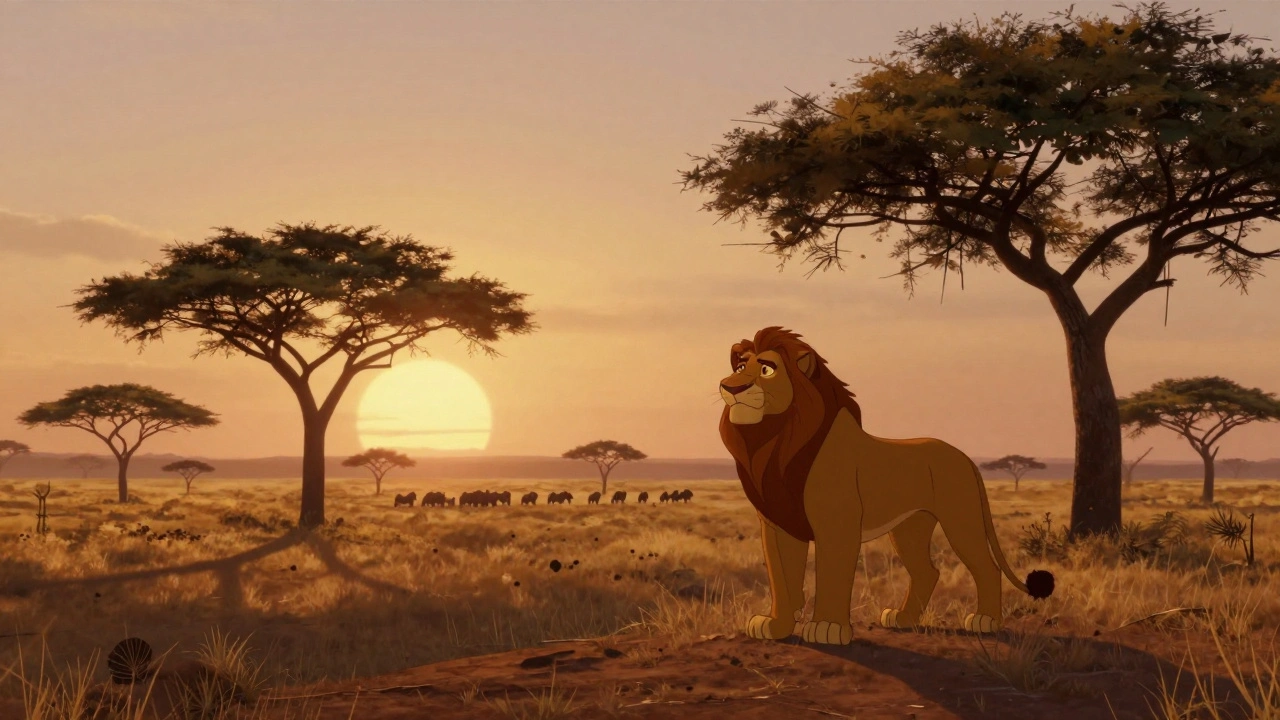
Layout and camera work in animation aren't just technical choices-they're emotional tools. From Studio Ghibli to Spider-Verse, how space, light, and movement shape unforgettable scenes.
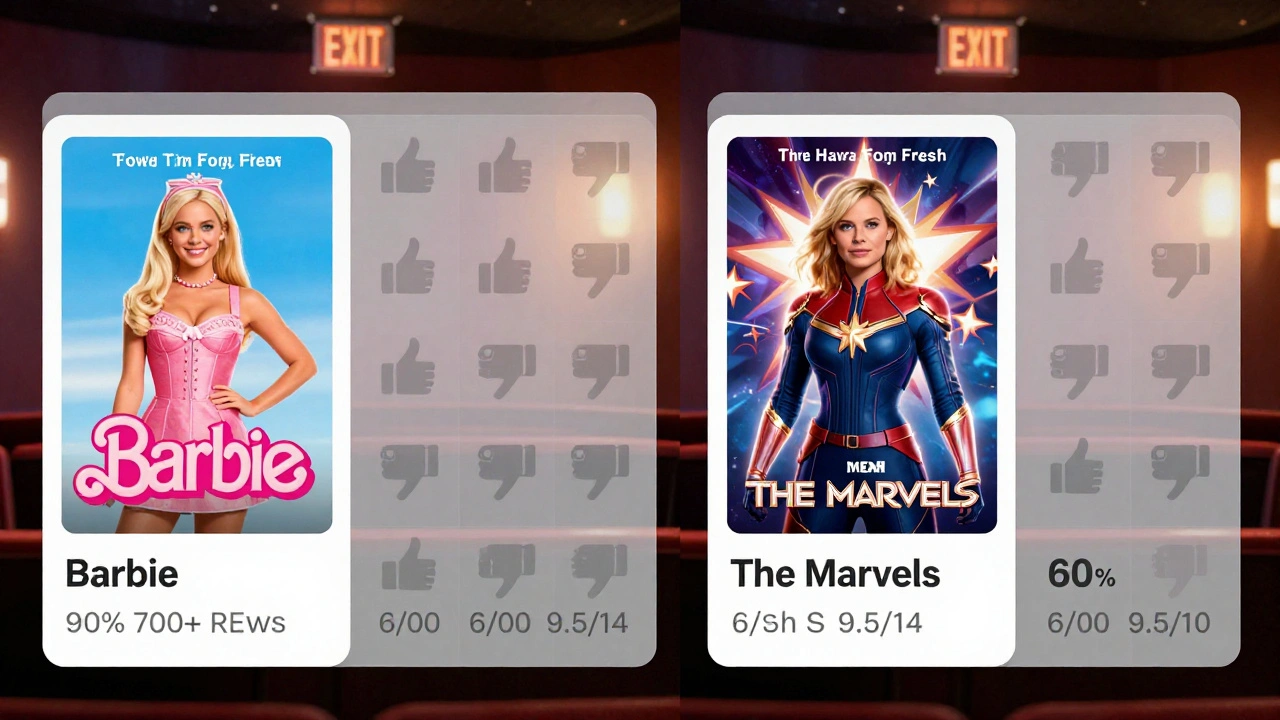
Rotten Tomatoes scores are based on whether critics rate a film 6/10 or higher - not on average ratings. Understand how the Tomatometer works, why audience scores differ, and how to use it wisely.
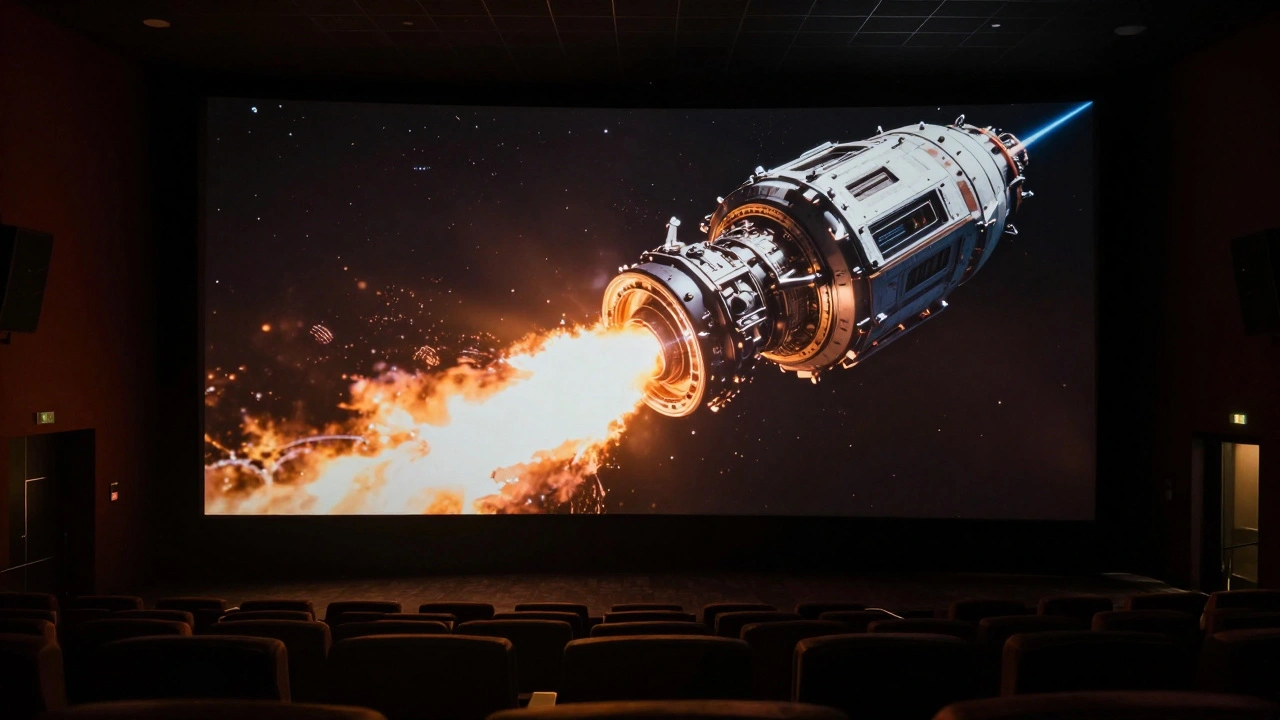
HDR tone mapping ensures filmmakers' color and contrast choices aren't lost in theaters. Learn how modern projection systems preserve artistic intent, from shadow detail to vibrant highlights, so movies look exactly as directors intended.
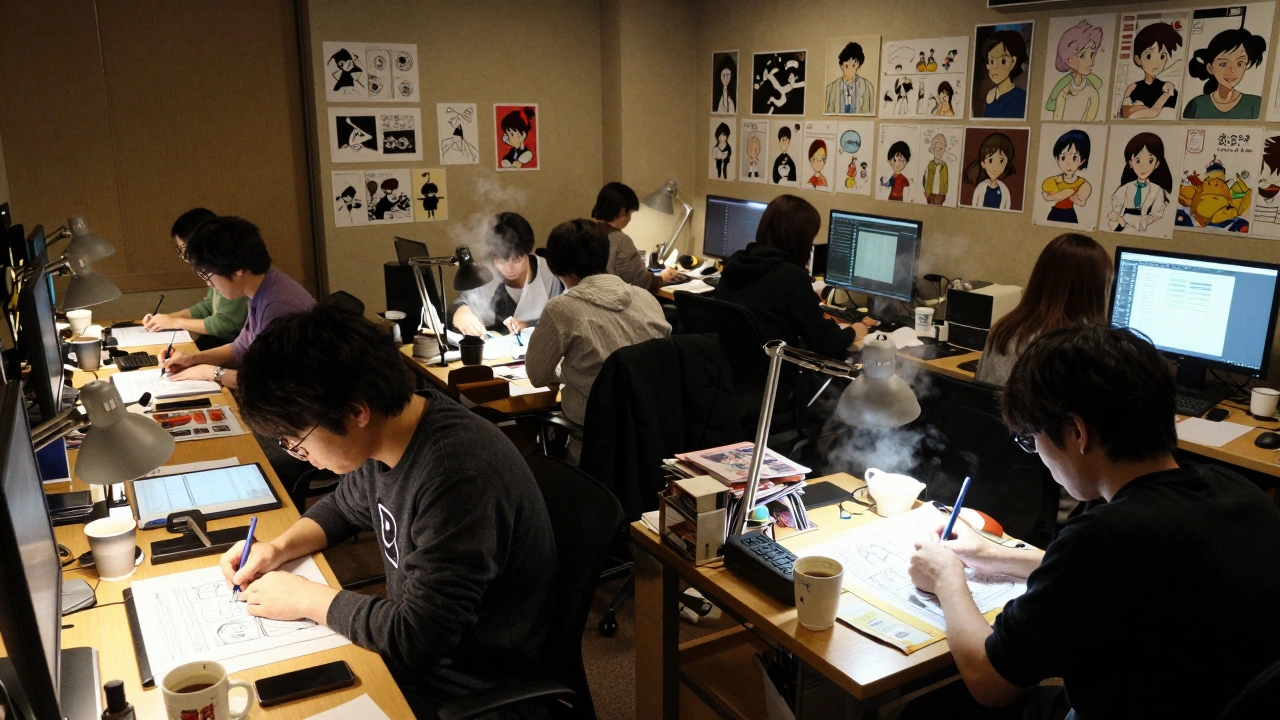
Japan, France, and Canada are the world’s top animation hubs, each with unique styles, funding models, and cultural influences. From Japan’s mass-produced anime to France’s art-house films and Canada’s behind-the-scenes powerhouse role, these countries shape global animation.
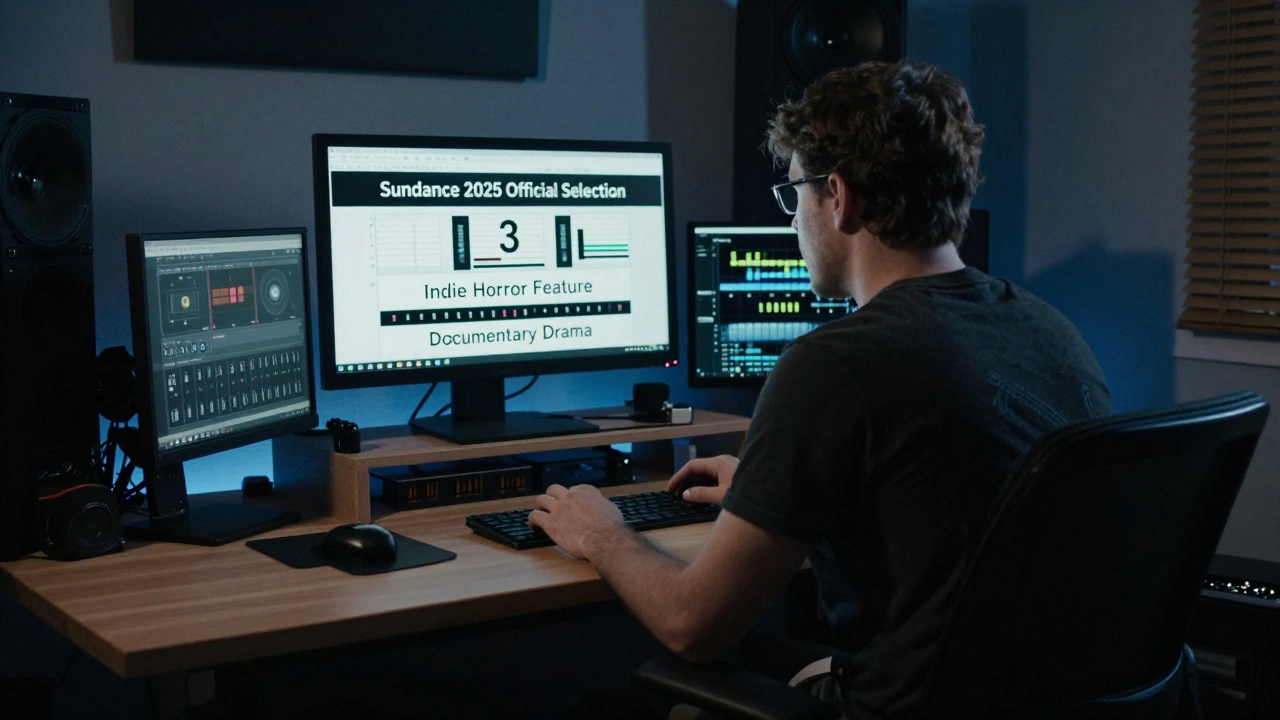
Building a scoring career in film music requires more than talent-it needs the right representation. Learn how agents and managers open doors, negotiate deals, and help composers land gigs in indie films, documentaries, and streaming series.
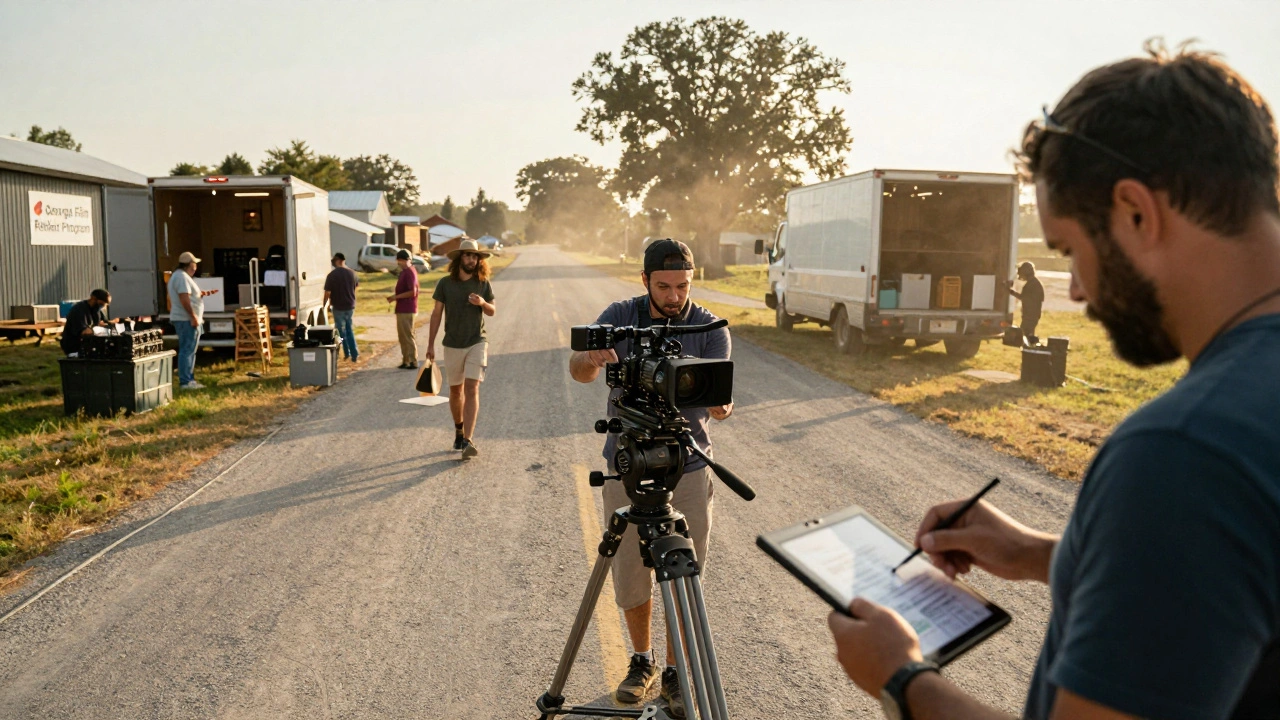
Soft money in film means tax rebates and credits that help filmmakers cut costs by spending locally. Learn how Georgia, Louisiana, and other states offer millions in incentives-and how to actually get them.
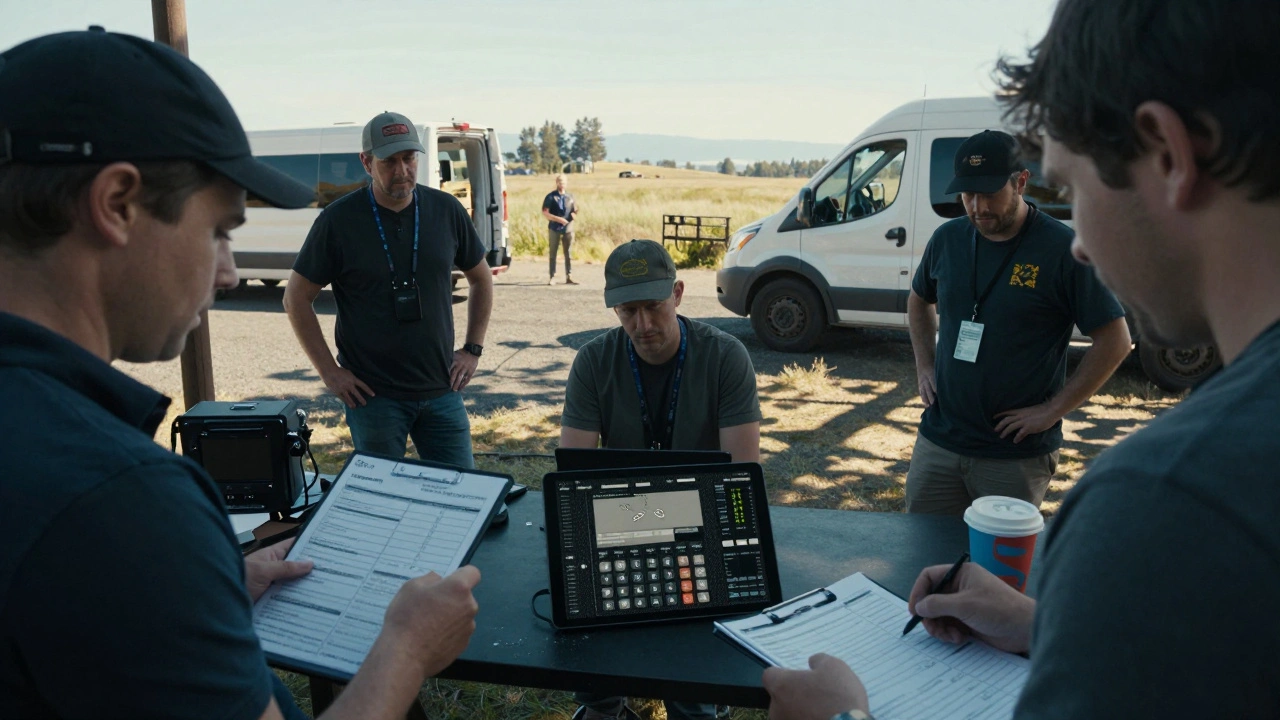
Carbon calculators for film shoots help producers measure and reduce emissions from travel, power, and equipment. From indie films to blockbusters, tracking emissions is now a standard practice - and it's changing how movies are made.
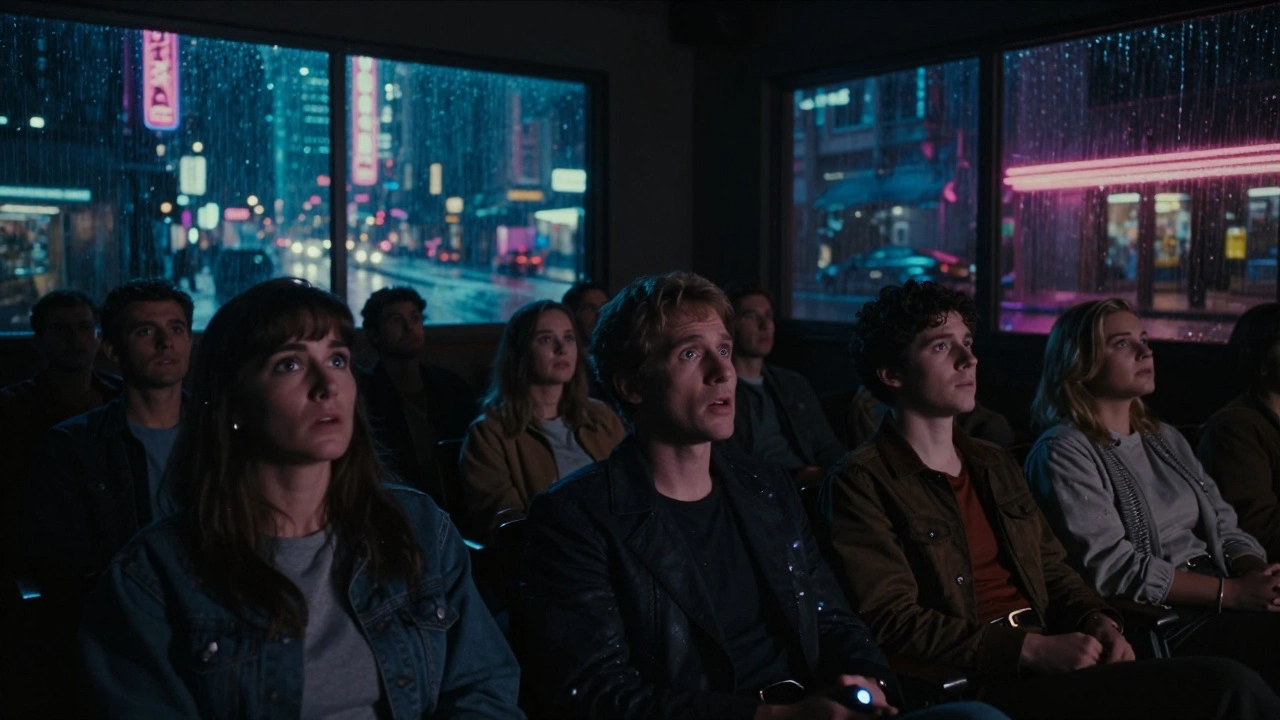
Films once dismissed or misunderstood often gain new meaning years later as culture evolves. Time doesn’t change movies-it changes how we see them. From Blade Runner to Groundhog Day, reappraisal reveals truths we weren’t ready to face.
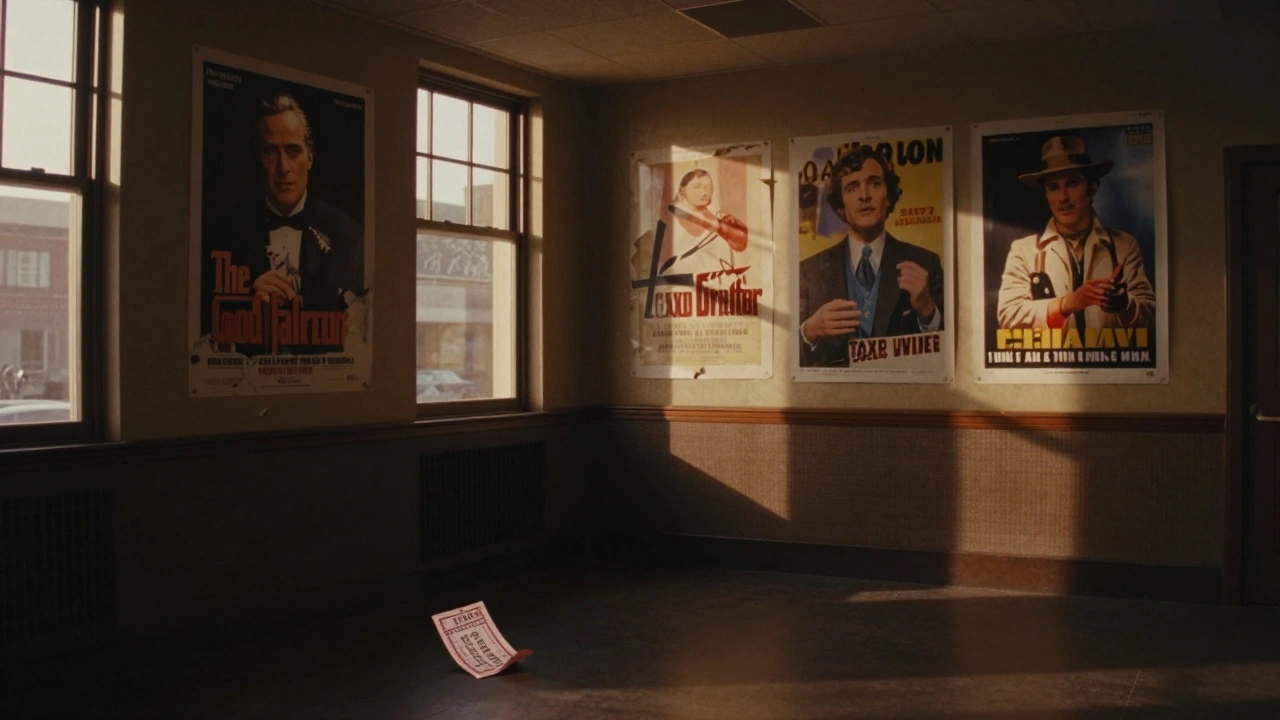
The 1970s gave us some of cinema’s most powerful films-raw, risky, and unforgettable. Directors like Coppola and Scorsese broke rules and redefined storytelling. These weren’t just movies-they were cultural turning points.
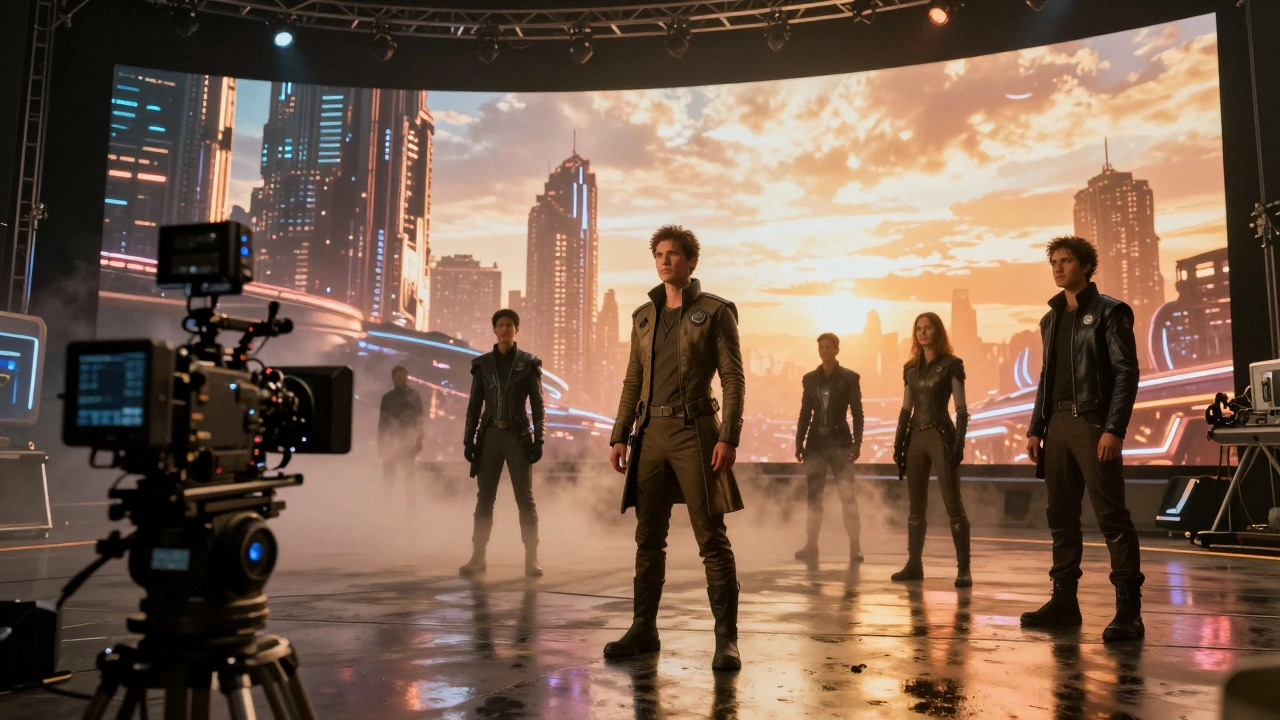
LED walls and in-camera VFX are transforming film production by allowing filmmakers to capture realistic virtual environments live on set. This technology replaces green screens with real-time rendering, improving lighting, performances, and efficiency.
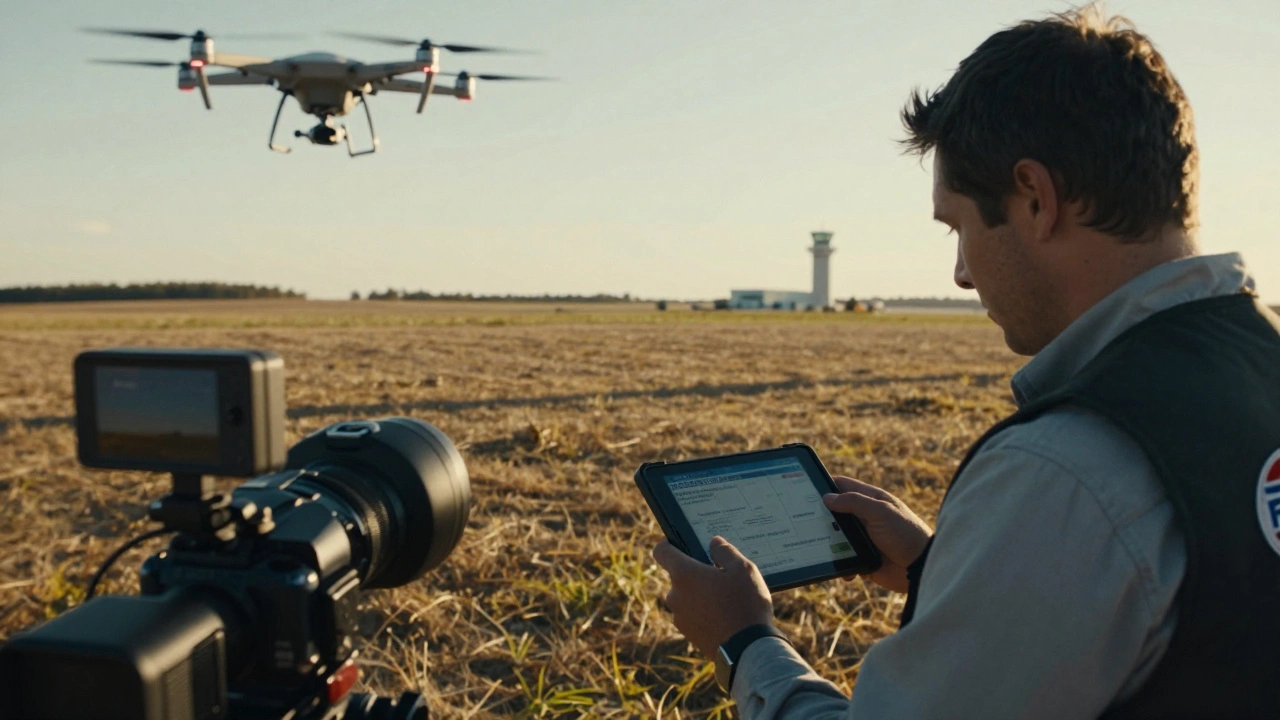
Learn the legal requirements for drone filming in U.S. film production, including FAA rules, waivers, insurance, and local restrictions. Avoid fines and shutdowns with clear, up-to-date guidelines for aerial cinematography.
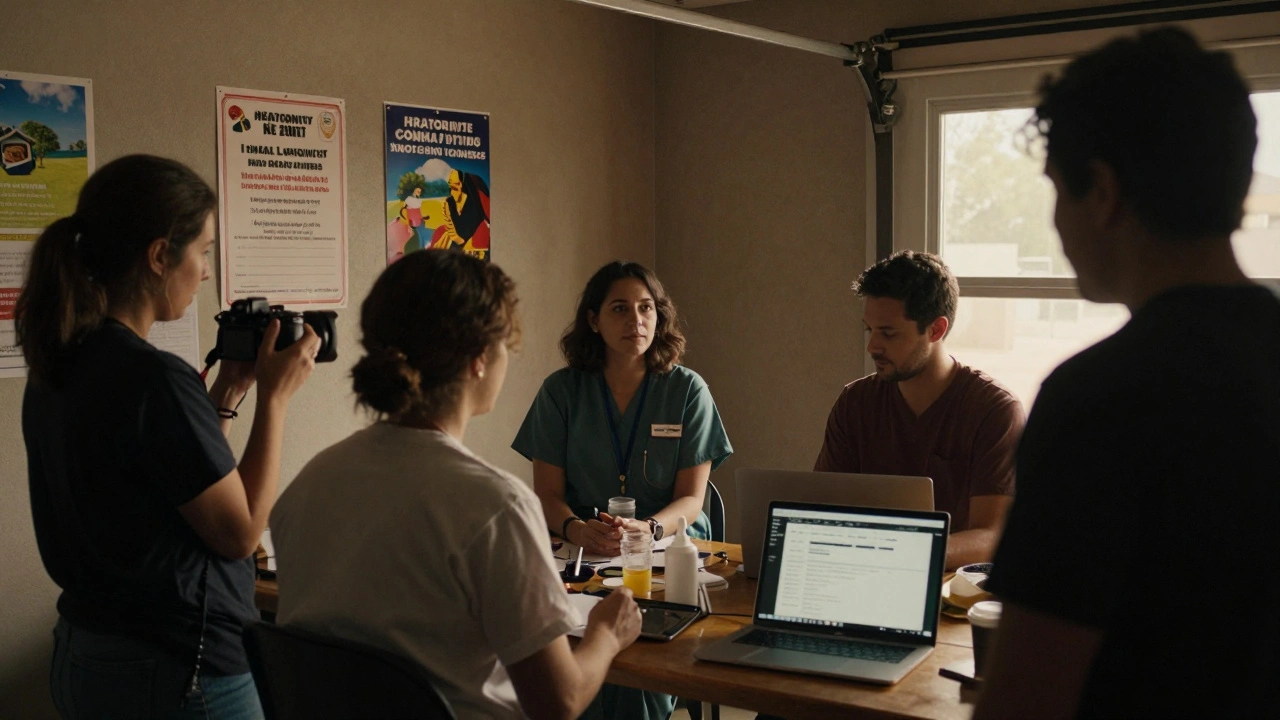
Independent films can be profitable even on tiny budgets. Learn how smart distribution, direct sales, and audience building turn $50,000 projects into long-term income streams - without studios or festivals.