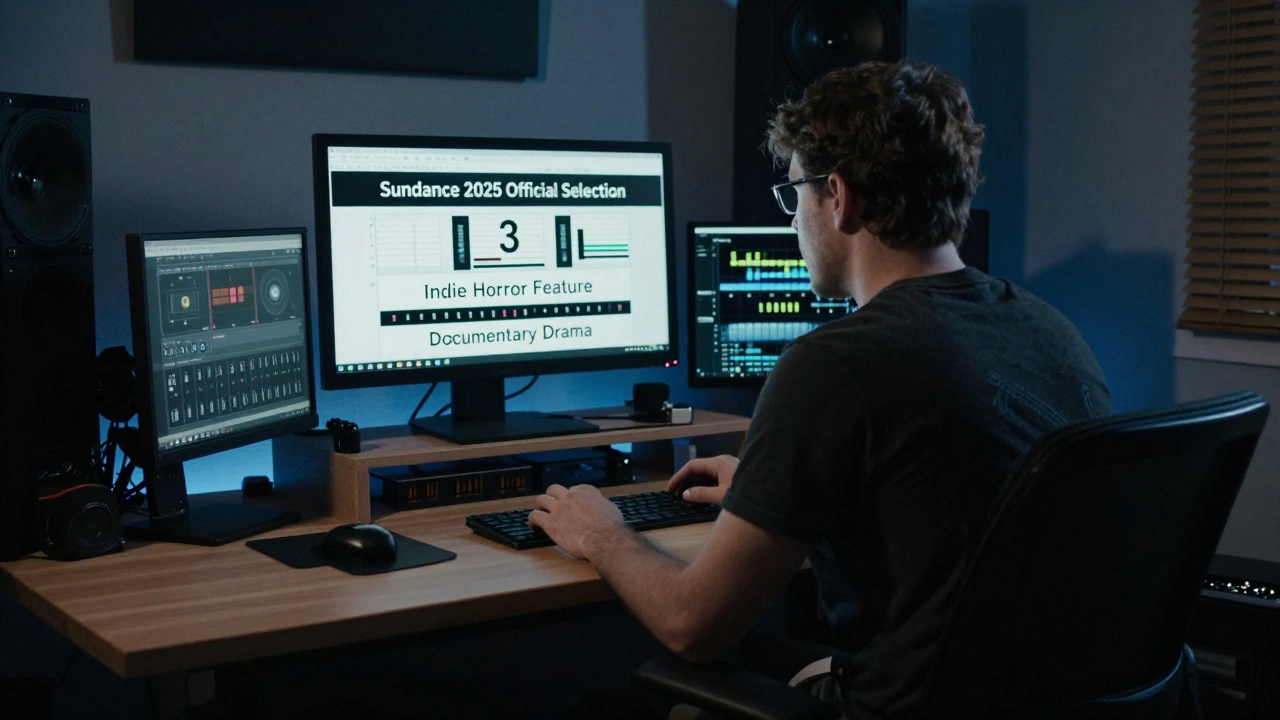
Getting your music into films isn’t just about writing great themes. It’s about who you know, how you present yourself, and whether you have the right people working behind the scenes. Most successful film composers don’t land big projects because they sent a demo to a studio. They land them because their agent called a music supervisor at the right time, or their manager had lunch with a producer who was looking for someone just like them.
Why You Need an Agent or Manager (Even If You Think You Don’t)
You’ve scored a short film. You’ve built a portfolio. You’ve got a SoundCloud page with 5,000 listens. So why haven’t you been hired for a Netflix documentary or a indie horror feature? The answer isn’t your talent. It’s access.
Music supervisors, directors, and producers don’t scroll through Bandcamp looking for composers. They get recommendations from trusted agents. They hear about new talent through industry events their managers booked them for. They don’t hire unknowns-they hire people who come recommended by someone they already trust.
Agents and managers aren’t middlemen who take a cut. They’re gatekeepers who open doors. A good agent knows which directors are looking for a bold orchestral sound. A sharp manager knows which festivals are hosting industry panels where you should perform. They’re the ones who make sure your name shows up on the right lists, at the right time.
What’s the Difference Between an Agent and a Manager?
People use the terms interchangeably, but they’re not the same. Confusing them can cost you time, money, and opportunities.
An agent focuses on getting you work. They pitch your music to music supervisors, studios, and production companies. They negotiate deals-licensing fees, sync rights, residuals. They have direct relationships with the people who hire composers. Their job is to get you gigs. They typically take 10% of your earnings from projects they secure.
A manager focuses on your career. They help you build your brand, plan your next steps, and connect you with the right people. They might help you get into film scoring workshops, set up meetings with directors, or advise you on which projects to say yes to (and which to walk away from). They don’t usually pitch you for jobs directly, but they make sure you’re ready when the opportunity comes. Managers usually take 15% of your total income.
Think of it this way: your agent is your sales rep. Your manager is your CEO.
How to Find the Right Agent or Manager
Not every agent who represents pop artists can place your orchestral cues in a period drama. You need someone who understands film scoring.
Start by looking at credits. Check the end titles of films you admire. Who’s listed as the music supervisor? Who’s listed as the composer’s representative? Look up those reps on industry databases like IMDb Pro or Musicbed’s Directory of Reps. See what composers they represent. If they work with people who score indie horror or documentary dramas, that’s your lane.
Don’t cold-email agencies with a 20-track demo. Instead, build a 3-track reel that shows range: one emotional cue, one action cue, and one ambient piece. Include the title of the project, how it was used, and where it was released (e.g., “Featured in Sundance 2025 Official Selection”). Send that with a short note: “I’m a composer focused on narrative-driven films. I’d appreciate the chance to discuss how we might work together.”
Agents and managers get hundreds of pitches. The ones that stand out are specific, professional, and show you’ve done your homework.
What You Should Expect (and Not Expect)
When you sign with an agent or manager, you’re not signing a magic contract. You’re signing a partnership.
Here’s what they will do:
- Pitch your music to music supervisors and producers
- Negotiate fair fees and rights
- Connect you with collaborators (orchestrators, mixers, directors)
- Advise you on which projects align with your brand
- Keep you on the radar during awards season and film markets
Here’s what they won’t do:
- Write your music for you
- Guarantee you’ll land a big studio film
- Work for free until you’re famous
- Handle your social media or website
Many composers think signing with an agent means they’ll suddenly get hired for blockbusters. That’s not how it works. Most first gigs come from mid-budget indie films, student projects, or web series. Those are the stepping stones. Your agent’s job is to make sure you get those gigs-and that you get paid fairly for them.

How to Build Your Brand Before You Have Representation
You don’t need an agent to start building your reputation. But you do need to act like you already have one.
First, define your sound. Are you known for haunting strings? Minimalist electronic textures? Big brass-driven action cues? Don’t be a jack-of-all-trades. Be the go-to composer for emotional character-driven stories. Or the one who delivers punchy, rhythmic scores for thrillers. Be specific.
Second, get your music heard in the right places. Submit to film festivals that have music programs-Sundance, Tribeca, SXSW, Locarno. Even if you don’t win, being selected gets your name on a public list. That’s valuable.
Third, build relationships with music supervisors. Attend industry panels. Follow them on LinkedIn. Comment thoughtfully on their posts. Don’t ask for work. Ask questions. “What’s one thing you wish more composers understood about your job?” That’s how you get noticed.
Fourth, keep your online presence clean. No amateur websites with Flash animations. No unmastered tracks on SoundCloud. Use a simple, professional site with clear credits, a bio, and a downloadable reel. Make it easy for someone to say yes.
Red Flags: Who to Avoid
There are plenty of people who claim to be agents or managers but are just taking your money.
Avoid anyone who:
- Asks you to pay upfront fees (no legitimate rep does)
- Can’t show you a list of clients or projects they’ve placed
- Doesn’t have a website or professional email address
- Offers to “get you signed” to a label or studio in exchange for a fee
- Pressures you to sign quickly without reviewing your contract
Legitimate agents and managers make money when you make money. If they’re asking for $500 just to “review your demo,” walk away.
What Happens After You Sign?
Signing with an agent or manager isn’t the finish line-it’s the starting line.
After you sign, you’ll likely get a call asking for:
- Updated credits and bio
- High-res audio files of your best work
- Clear rights information (who owns the master? Who owns the publishing?)
- A list of past projects and where they were used
They’ll then start pitching you. You might get a call saying, “A director needs a score for a 12-minute short in two weeks. Can you do it?” That’s your first real gig. Do it. Do it well. And then tell your rep: “I did it. Here’s the link.”
Every project you complete adds to your credibility. Every credit you earn makes your rep’s job easier. And every time you get paid fairly, you build a reputation as a professional who delivers.

How to Know You’re Ready
You’re ready for an agent or manager when:
- You have at least 3 completed projects with public credits
- You can clearly describe your musical style in one sentence
- You have a professional website with a downloadable reel
- You’ve sent pitches to music supervisors and gotten responses
- You’re not just hoping to get hired-you’re actively building relationships
If you can answer yes to all of those, you’re ready. Don’t wait for perfection. Wait for progress.
Where the Best Opportunities Are Right Now
Streaming platforms are hiring more composers than ever. But not just for big-budget shows. Netflix, Apple TV+, and Amazon Prime are commissioning dozens of indie films and documentaries every year. These projects often have smaller budgets but higher creative freedom. They’re perfect for emerging composers.
Documentaries are a goldmine. They need emotional, atmospheric scores. They rarely have big orchestras, but they need strong thematic identity. If you can write a haunting piano theme that carries a 90-minute story about climate refugees, you’re in demand.
Also, don’t ignore international markets. European co-productions, Latin American indie films, and Asian streaming originals are all hungry for fresh voices. Your agent should be pitching you everywhere-not just Hollywood.
Final Thought: It’s a Marathon, Not a Sprint
There’s no secret formula. No shortcut. No magic trick. The composers who succeed are the ones who keep showing up. They keep writing. They keep submitting. They keep building relationships. They don’t quit after one rejection.
Your agent or manager can open doors. But you have to walk through them. You have to deliver. You have to be reliable. You have to be professional. And you have to keep getting better.
The film music industry doesn’t reward talent alone. It rewards persistence, professionalism, and people who make it easy to say yes.
Do I need a manager if I’m only scoring short films?
Yes-even if you’re only doing shorts. Short films are often the gateway to feature films. A good manager will help you target the right festivals, connect you with directors who are moving into features, and position you as a serious composer, not just a “short film guy.” Many composers who later scored Netflix series started with shorts that their managers helped place.
Can I have both an agent and a manager?
Absolutely. In fact, most professional film composers do. The agent focuses on getting you gigs and negotiating deals. The manager focuses on your long-term career-branding, networking, and strategic planning. They often work together. For example, your manager might introduce you to a director, and your agent will handle the contract once the project is greenlit.
How much do film composer agents and managers charge?
Agents typically take 10% of the fees they secure for you. Managers take 15% of your total income (from all sources, not just the ones they pitch). These are industry standards. If someone asks for more, it’s a red flag. Never pay upfront fees-legitimate reps only earn when you do.
What’s the biggest mistake new composers make when looking for representation?
Sending a 30-track demo with no context. Reps don’t want to listen to 45 minutes of music. They want to know who you are, what kind of films you score, and why they should care. A 3-track reel with clear labels and credits tells them more than 10 hours of random tracks.
Is it possible to succeed without an agent or manager?
Yes-but it’s much harder. You’ll need to do all the pitching, negotiating, and networking yourself. Many composers start that way. But once you land your first feature or get noticed by a music supervisor, having representation becomes essential. It’s not about laziness-it’s about scaling. You can’t manage your career and write a 90-minute score at the same time.







Comments(8)