Most people think indie films are passion projects that never make money. But that’s not true. In 2024, over 1,200 independent films released in the U.S. turned a profit - some with budgets under $500,000. The key isn’t how much you spend. It’s how you plan, distribute, and protect your money from day one.
It’s Not About the Budget - It’s About the Strategy
A film doesn’t need a million dollars to make a million dollars. Take Primer (2004). Made for $7,000, it earned over $250,000 in theatrical sales and later cleared $1.2 million through DVD and streaming. How? The filmmakers didn’t chase festivals. They built an audience before the camera even rolled.
Today, the rules are even clearer. You don’t need a studio. You need a plan. And that plan starts with knowing your audience before you shoot a single frame. If your film is about rural healthcare workers in Appalachia, don’t assume it’ll find viewers in Tokyo. Target the right people early. Use social media, local radio, community boards. Build a mailing list. Get 5,000 email sign-ups before production. That’s your first audience. And that’s your first revenue stream.
Where the Money Actually Comes From
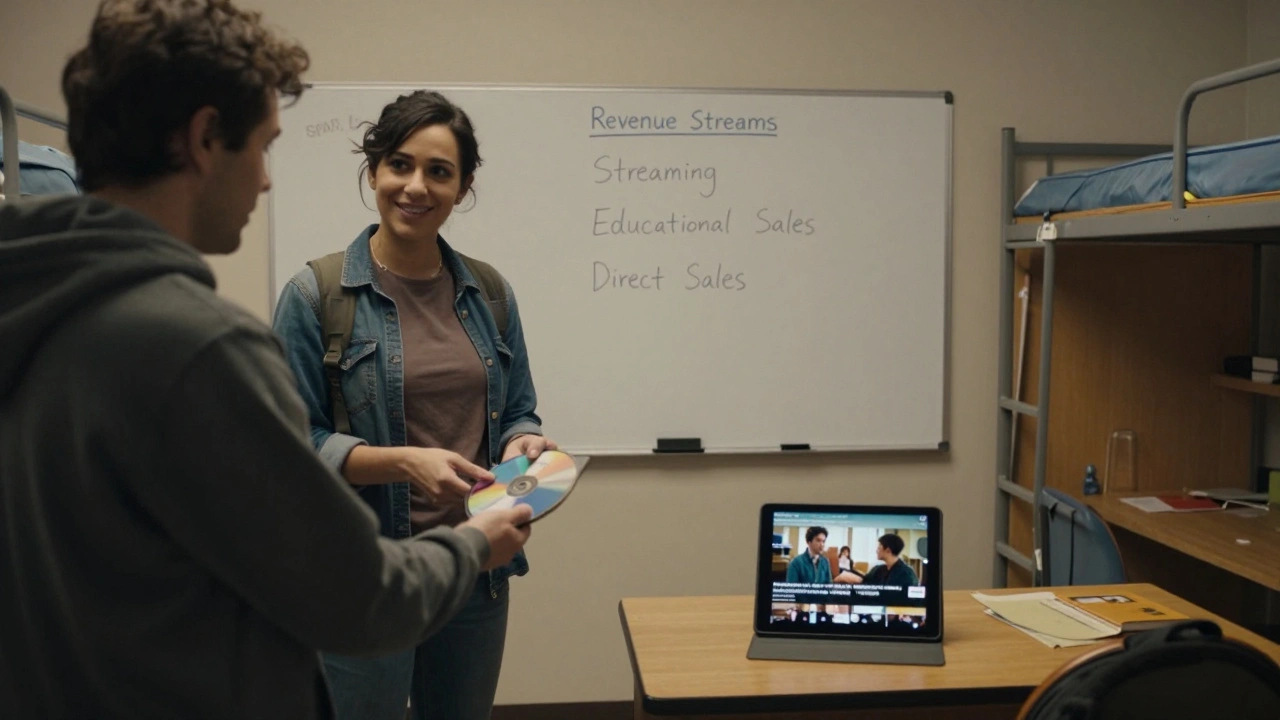
Most indie filmmakers think box office is the main source of income. It’s not. The real money comes from four places:
- Streaming licensing - Platforms like Netflix, Amazon, and Tubi pay $50,000-$500,000 for non-exclusive rights to indie films. Even smaller platforms like VHX or MUBI offer $10,000-$50,000 for niche audiences.
- Educational and institutional sales - Universities, libraries, and nonprofits buy films for classroom use. A documentary on climate change in the Midwest? Sell it to 200 community colleges at $1,000 each. That’s $200,000.
- Brand partnerships - If your film features a local coffee shop, a handmade guitar, or a sustainable fashion brand, they’ll pay to be included. Not as ads. As integration. Think product placement done right.
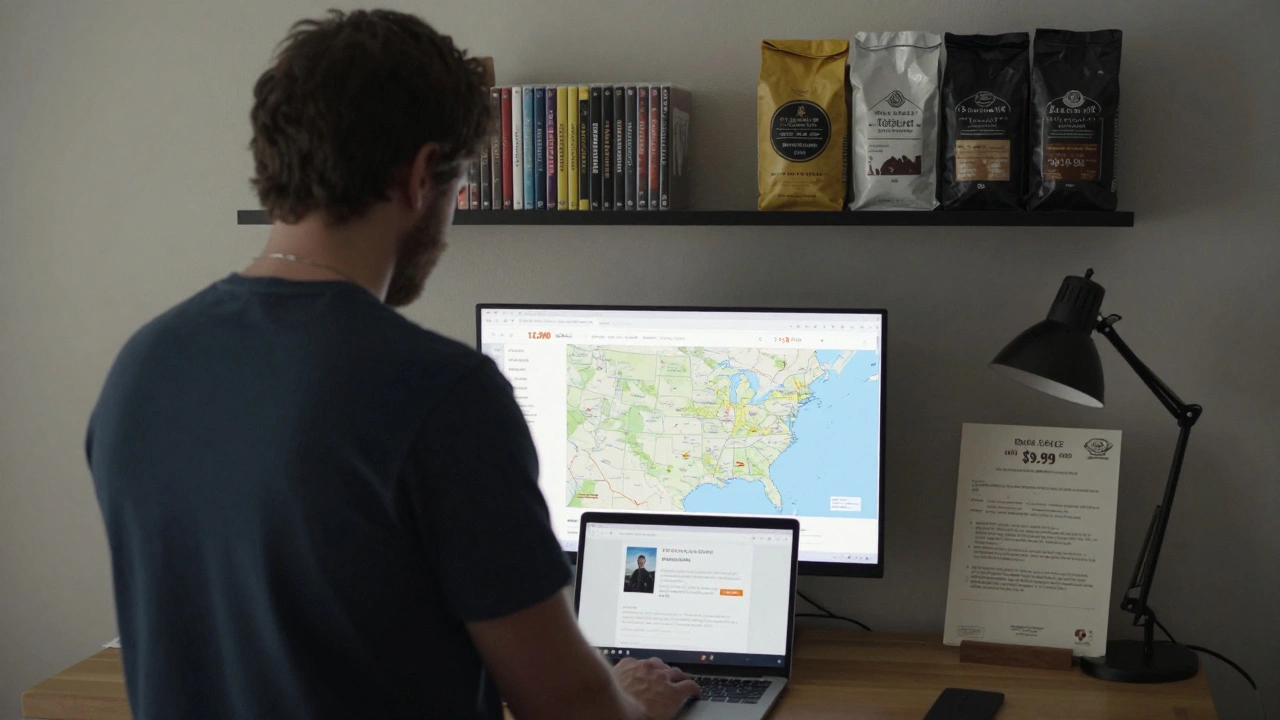
- Direct-to-consumer sales - Sell your film on your own website. Use platforms like Shopify or Vimeo On Demand. Charge $9.99. If you sell 10,000 copies? That’s $99,900. No middleman. No cut. Just you and your audience.
One film, The Last Repair Shop (2023), won an Oscar and made $1.8 million - not from theaters, but from educational sales and streaming deals. Its budget? $180,000.
How to Avoid the Biggest Money Killers
Most indie films lose money because of three mistakes:
- Overpaying for equipment - You don’t need a Red Komodo. A Sony A7S III costs $2,500 and shoots cinematic 4K. Rent gear only when you need it. Save $20,000 just by avoiding rental traps.
- Wasting money on festivals - Submitting to 20 festivals costs $5,000+. Only enter 3-5 that matter. Sundance? Great. A random festival in Slovakia? Probably not. Focus on festivals that have buyers. Look for ones with industry screening days - that’s where deals happen.
- Not securing rights early - If you use a song in your film without clearing it, you can’t license it later. Same with footage, interviews, or even a logo on a T-shirt. Get written permissions before you shoot. Use a simple template from the Independent Filmmaker Project (IFP). It’s free.
One filmmaker in Asheville spent $30,000 on a festival run for a short film. It didn’t win. It didn’t get picked up. He lost everything. Then he made a $15,000 feature. He skipped festivals. He sold it directly to 12 public school districts. Made $120,000. The lesson? Don’t chase validation. Chase buyers.
Real Numbers: What’s Possible?
Here’s a breakdown of what a $200,000 indie film can realistically earn in its first year:
| Revenue Source | Typical Earnings | Notes |
|---|---|---|
| Streaming Licensing | $100,000-$300,000 | Non-exclusive deals with 2-3 platforms |
| Educational Sales | $50,000-$150,000 | Target 50-100 institutions at $1,000-$1,500 each |
| Direct Sales (Website) | $30,000-$80,000 | 10,000-20,000 sales at $9.99 |
| Brand Integration | $10,000-$50,000 | Local businesses pay for authentic placement |
| Foreign Sales | $20,000-$70,000 | Sell to distributors in Canada, UK, Australia |
That’s a total range of $210,000 to $650,000. Even at the low end, you’re making a profit. And you didn’t need a studio.
How to Start Before You Shoot
Here’s the checklist every indie filmmaker should follow before turning on the camera:
- Define your audience: Who are they? Where do they hang out online?
- Build an email list: Use Mailchimp or ConvertKit. Offer a free short film or behind-the-scenes video in exchange for emails.
- Secure distribution partners: Reach out to distributors like FilmHub, CineSend, or Seed&Spark. Ask about their submission windows.
- Plan your budget around revenue: Don’t spend $100,000 on actors if you’re making a horror film with no theatrical potential. Put money into marketing, not costumes.
- Get legal paperwork ready: Use the IFP’s free contract templates. Get signed releases for everyone on camera.
One team in Ohio made a $40,000 documentary about Appalachian coal miners. They didn’t have a distributor. So they partnered with a local historical society. They screened it in 17 towns. Sold DVDs. Took donations. Made $110,000. And they never left their state.
What Doesn’t Work Anymore
Forget about the old model: shoot, submit to Sundance, hope for a deal. That path is nearly closed. In 2025, only 3% of Sundance entries got distribution deals. And most of those were for films with budgets over $1 million.
Also, don’t rely on crowdfunding. Kickstarter campaigns for films have a 25% success rate. And the average raise is $18,000 - barely enough for a week of shooting. Use crowdfunding for marketing, not production. Pay for a trailer. Pay for ads. Don’t pay for a camera.
And stop thinking you need a famous actor. A local theater performer with charisma and a strong social media following is worth more than a washed-up TV star with no audience.
Final Truth: Profit Comes from Ownership
The biggest mistake indie filmmakers make? Giving away too much. If you sell your film outright for $50,000, you own nothing. But if you license it for 5 years, keep the rights, and control the digital distribution? You can keep earning for a decade.
Own your masters. Own your distribution. Own your audience. That’s how small-budget films become long-term assets. Not just one-time projects.
There’s no magic formula. Just discipline. Planning. And a willingness to sell directly to the people who care.
Can you really make money on a $50,000 film?
Yes. In 2024, 217 films with budgets under $50,000 earned over $100,000 in revenue. The key is targeting niche audiences and selling directly. A documentary on beekeeping in rural Ohio sold 8,000 copies to gardening clubs and libraries. That’s $80,000. No studio needed.
Do I need to go to film festivals to make money?
No. Festivals are for exposure, not income. Only 1 in 20 indie films gets a distribution deal from a festival. Focus instead on platforms that buy films directly - like VHX, Vimeo On Demand, or educational distributors. These pay upfront and don’t require you to win awards.
What’s the best way to sell an indie film online?
Use Vimeo On Demand or Shopify. Both let you set your own price, keep 90% of sales, and track who buys it. Build an email list first. Then promote your film to people who already care. A 5,000-person email list can generate 1,000 sales - $10,000 at $9.99. That’s a 20x return on your marketing budget.
How do I get paid for educational sales?
Reach out to university media departments, public libraries, and nonprofit training centers. Offer a site license for $1,000-$1,500. Many have budgets set aside for educational content. You can sell 100+ licenses without ever leaving your home. FilmHub and CineSend help automate this process.
Should I use crowdfunding for my film?
Only if you already have an audience. Most campaigns fail because they’re trying to build interest, not fund a project. Use crowdfunding to fund marketing - a trailer, ads, a website - not the shoot. A $15,000 campaign that gets you 10,000 email sign-ups is worth more than $50,000 in production funding with no audience.