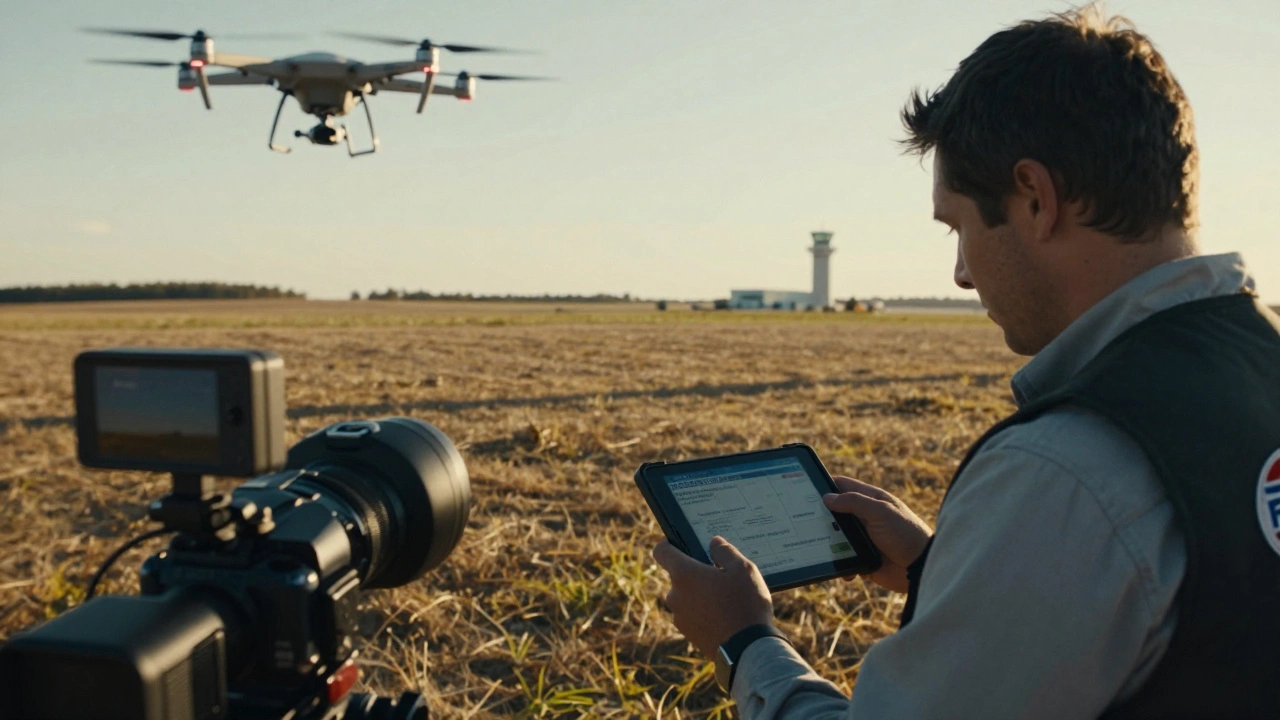
Using a drone to shoot cinematic footage sounds exciting-until you get fined $25,000 for flying over a crowded street without a permit. In 2026, drone filming for films isn’t just about having the right gear. It’s about knowing the rules, staying legal, and avoiding costly mistakes that can shut down a production.
Why Drone Filming Rules Matter for Filmmakers
Every year, dozens of independent film crews get stopped mid-shoot because they didn’t follow federal drone laws. Some didn’t know they needed a license. Others thought filming in a park was fine-even if it was within 5 miles of an airport. The result? Gear confiscated, schedules derailed, and insurance claims denied.
The FAA doesn’t treat drone filming like a hobby. If you’re using a drone to capture footage for a commercial film, documentary, or TV show, you’re operating under Part 107 of the FAA regulations. That means you’re a commercial operator, no matter how small your crew is. And commercial operators have strict requirements.
What You Need to Fly Legally in the U.S.
To legally film with a drone in the United States, you must have three things:
- A Remote Pilot Certificate from the FAA
- Registration for your drone
- Compliance with Part 107 rules
The Remote Pilot Certificate isn’t optional. You can’t just buy a DJI Inspire 3 and start shooting. You have to pass the FAA’s aeronautical knowledge test. It covers airspace classes, weather patterns, radio communication, and emergency procedures. Most people study for 10-15 hours and pass on the first try. The test costs $175, and the certificate lasts two years.
Your drone must also be registered. If it weighs over 0.55 pounds (250 grams), you pay $5 to register it online through the FAA DroneZone. The registration number must be clearly marked on the drone. No exceptions.
Where You Can and Can’t Fly
Not all airspace is open for drone filming. Here’s what you need to know:
- No-fly zones: Airports, military bases, national parks, and federal buildings are off-limits unless you get special authorization.
- Controlled airspace: If you’re flying within 5 miles of an airport, you must use the LAANC system (Low Altitude Authorization and Notification Capability) to request approval. Most apps like DJI Fly or Skyward do this automatically.
- Populated areas: You can’t fly over people who aren’t involved in your shoot. That means no hovering above crowds, festivals, or busy city streets without a waiver.
- Height limit: 400 feet above ground level is the max. You can go higher only if you’re within 400 feet of a structure-like filming the top of a skyscraper.
Many filmmakers assume they can fly over private property. That’s not true. Even if you’re filming a backyard from above, you need the owner’s written permission. Trespassing laws apply in the air too.
Special Waivers for Film Production
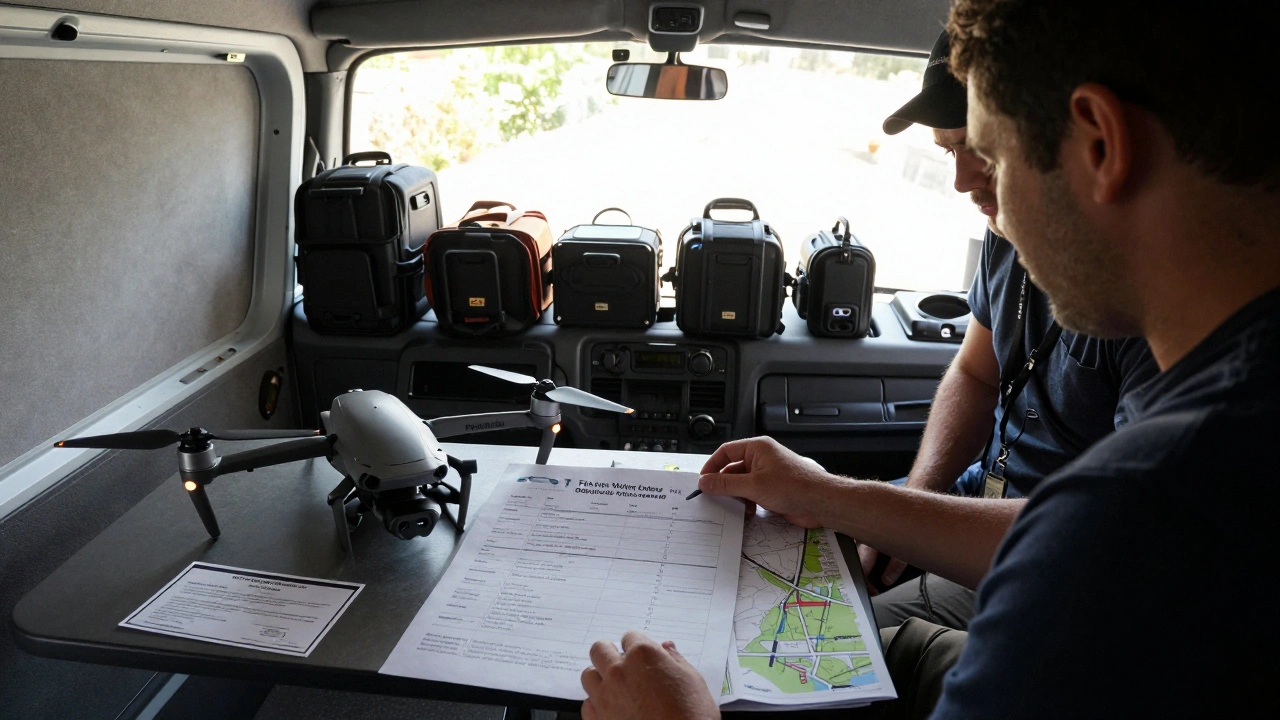
Most indie films need to break at least one Part 107 rule. Maybe you need to fly over people for a dramatic scene. Or maybe you need to fly higher than 400 feet to capture a mountain range. That’s where waivers come in.
The FAA offers two main waivers for filmmakers:
- Waiver for operations over people - Allows drones to fly directly above non-participants. You need a safety plan showing how you’ll prevent injuries. Most productions use drones with propeller guards or fly at low speeds.
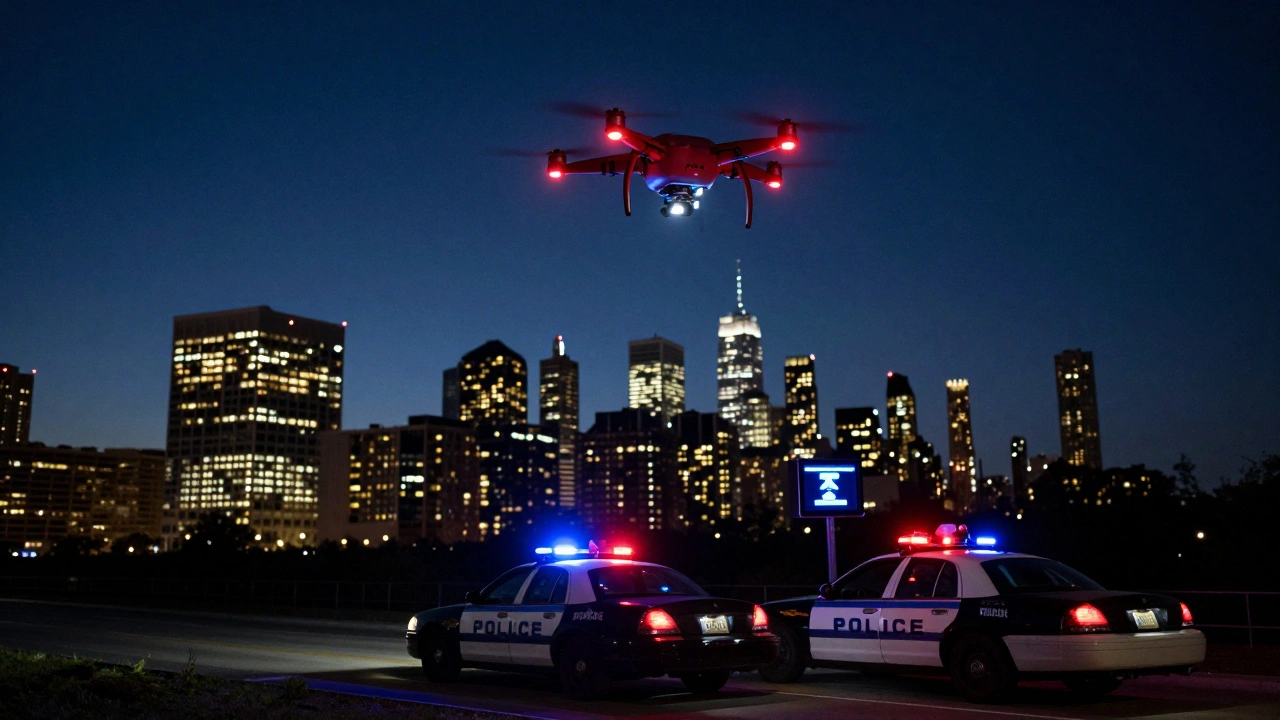
- Waiver for operations at night - Requires anti-collision lighting and additional crew training. Many film crews use this for twilight scenes or urban night shots.
Applying for a waiver takes 90 days. Don’t wait until the day before shooting. Submit your request early. The FAA has a portal where you can track your application. You’ll need to provide drone specs, pilot experience, flight plan, and risk mitigation steps.
Drone Insurance for Film Crews
Liability insurance isn’t just smart-it’s often required by locations, studios, and even cities. If your drone crashes into a car, a building, or a person, you’re on the hook for damages. Without insurance, that could bankrupt you.
Specialized drone insurance for filmmakers covers:
- Third-party property damage
- Personal injury
- Loss or damage to your drone
- Legal defense costs
Companies like Verifly, SkyWatch, and AIG offer policies tailored to film crews. Basic coverage starts around $500 per year. For high-value shoots, you’ll want $1 million or more in liability. Always check if your production company already has a blanket policy-it might cover your drone use.
Some film festivals and distributors now require proof of insurance before accepting your project. Don’t assume your homeowner’s policy covers it. It doesn’t.
State and Local Rules Can Override Federal Law
Just because the FAA says you can fly doesn’t mean your city lets you. Asheville, for example, bans drone flights over public parks without a special permit. New York City requires additional notification to the mayor’s office. California has strict privacy laws that prohibit filming people without consent-even from above.
Always check with local authorities before shooting. A city’s film commission can help. Many have online forms or dedicated drone coordinators. Skip this step, and you could be asked to land immediately-even if you’re FAA-compliant.
What Happens If You Break the Rules?
The FAA doesn’t joke around. First-time violations can mean:
- $1,000-$5,000 in civil penalties
- Confiscation of your drone
- Loss of your Remote Pilot Certificate
- Criminal charges if you endanger aircraft or people
There are real cases of filmmakers being fined for flying near wildfires, hospitals, or during airshows. One crew in Colorado had to pay $22,000 after their drone interfered with a firefighting helicopter.
Insurance won’t cover fines. It won’t cover lost footage. And it won’t cover your reputation. Studios won’t hire you again.
Pro Tips for Drone Filmmakers
- Always carry your Remote Pilot Certificate and drone registration in the field-on your phone or printed.
- Use apps like B4UFLY or AirMap to check real-time airspace restrictions.
- Plan your shots with a backup camera. Drones fail. Batteries die. Weather changes.
- Never fly under the influence. The FAA treats drone pilots like pilots of manned aircraft.
- Document everything: flight logs, permissions, waivers, and communication with local authorities.
Some top indie filmmakers now hire certified drone pilots as part of their crew-not just for technical skill, but because they know the rules inside out. That’s the smart move.
What’s Changing in 2026?
The FAA is rolling out new drone tracking systems. By mid-2026, all drones over 0.55 pounds must have Remote ID enabled. This broadcasts your drone’s location, altitude, and ID in real time. If you bought a drone after 2023, it likely already has it. Older models need a retrofit module.
Also, the FAA is testing AI-powered drone detection systems near airports. If your drone shows up on radar without authorization, you’ll get a notification-and possibly a visit from law enforcement.
Staying legal isn’t about avoiding trouble. It’s about protecting your work, your crew, and your future as a filmmaker.
Do I need a license to fly a drone for filming?
Yes. If you’re filming for any commercial purpose-including YouTube ads, indie films, or client work-you need an FAA Remote Pilot Certificate. Hobbyists don’t need it, but filmmakers do. You can’t legally earn money from drone footage without one.
Can I fly a drone over a crowd for a movie scene?
Not without a waiver. The FAA bans flying over people who aren’t part of your operation. To get permission, you must submit a safety plan showing how you’ll prevent injuries-like using drones with propeller guards, flying at low speeds, or limiting altitude. Most major studios get this waiver ahead of time.
Is drone insurance required for film production?
It’s not federally required, but most locations, studios, and distributors demand it. Insurance covers damage to property, injury to people, and loss of equipment. Without it, one crash could cost you tens of thousands. Basic policies start at $500/year.
Can I fly a drone at night for film work?
Yes, but only with a FAA night waiver. You need anti-collision lights on your drone and proof that your crew is trained for low-light operations. Many filmmakers use this for twilight scenes, cityscapes, or horror films. The waiver takes 90 days to approve, so plan ahead.
What if I fly illegally and no one sees me?
The FAA doesn’t need to see you to catch you. Remote ID broadcasts your drone’s location to authorities. Neighbors can report you. Airport radar picks up unauthorized drones. Even if you’re alone in the woods, you’re still breaking federal law-and you could be traced. Penalties don’t care how stealthy you think you are.



Comments(9)