Art House Cinema: Independent Films That Challenge Aesthetics
Discover how art house cinema challenges traditional aesthetics through slow pacing, ambiguous narratives, and visual experimentation. Learn to appreciate independent films.
When we talk about Film & Arts, the intersection of moving images and creative expression that transforms everyday moments into emotional experiences. Also known as cinematic art, it’s not just what happens on screen—it’s how the world behind the camera thinks, feels, and builds meaning. This isn’t about blockbusters or celebrity gossip. It’s about the quiet choices: how a long hallway in a film makes you feel trapped, or how a single cut between two faces can say more than a whole script.
Cinema as art, a medium where every frame is a brushstroke and every sound a note in a symphony. Also known as cinematic expression, it doesn’t need dialogue to move you. Think of how a building in a film becomes a character—silent, imposing, alive. That’s architecture in film, the use of physical spaces to shape mood, memory, and tension. Also known as cinematic space, it’s why you remember the Overlook Hotel more than the actor who walked through it. Filmmakers don’t just shoot locations—they use them to whisper secrets. The way light falls on a cracked wall, the echo in an empty room, the way a staircase twists like a question—that’s not set design. That’s storytelling with bricks and shadows.
And it’s not just about looks. Sound design, editing rhythm, color grading—they’re all part of the same language. One wrong cut can break the spell. One right note can make you cry without knowing why. That’s the power of visual storytelling, telling stories through composition, movement, and silence rather than words. Also known as non-verbal narrative, it’s how films like Children of Men or The Revenant pull you in without a single monologue. This is why film & arts matters: it doesn’t just reflect culture—it shapes how we see truth, loneliness, hope, and fear.
What you’ll find below aren’t just articles. They’re windows into how filmmakers turn steel and silence into soul. Whether it’s how a building holds a story or why editing feels like breathing, these pieces show you the hidden craft behind every great scene. No fluff. No hype. Just the real work that makes cinema something you don’t just watch—you feel.
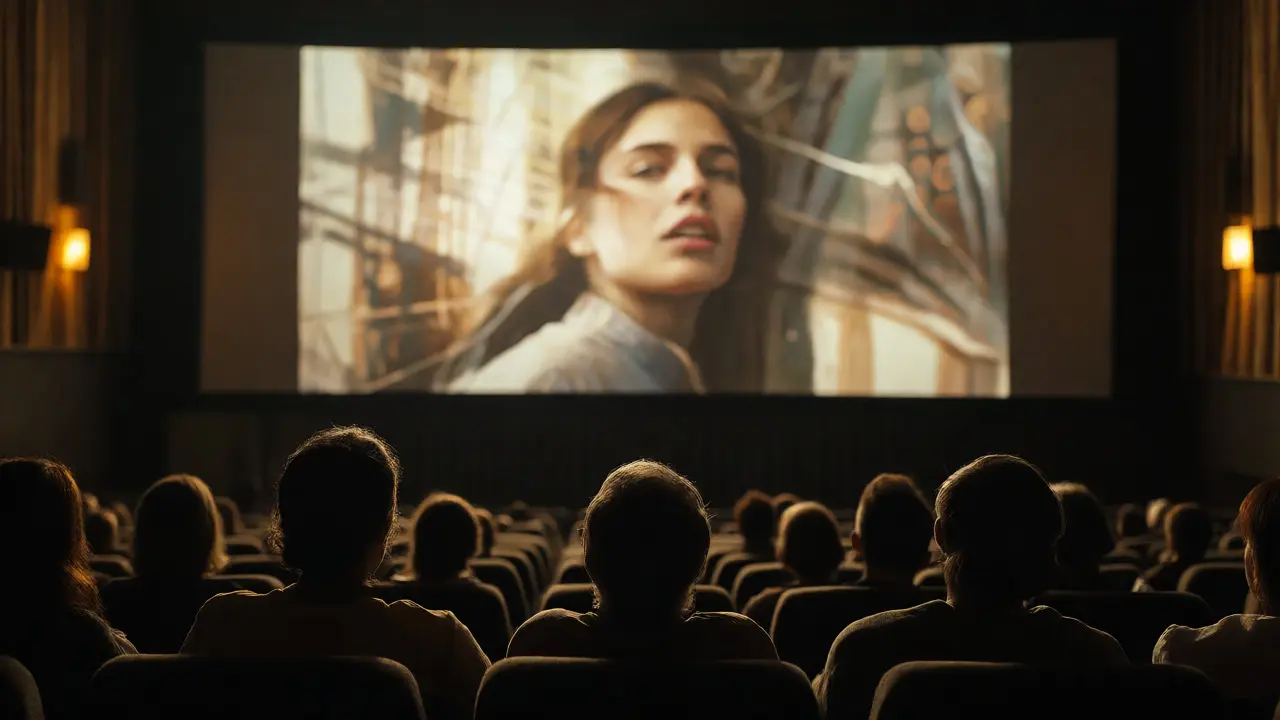
Discover how art house cinema challenges traditional aesthetics through slow pacing, ambiguous narratives, and visual experimentation. Learn to appreciate independent films.
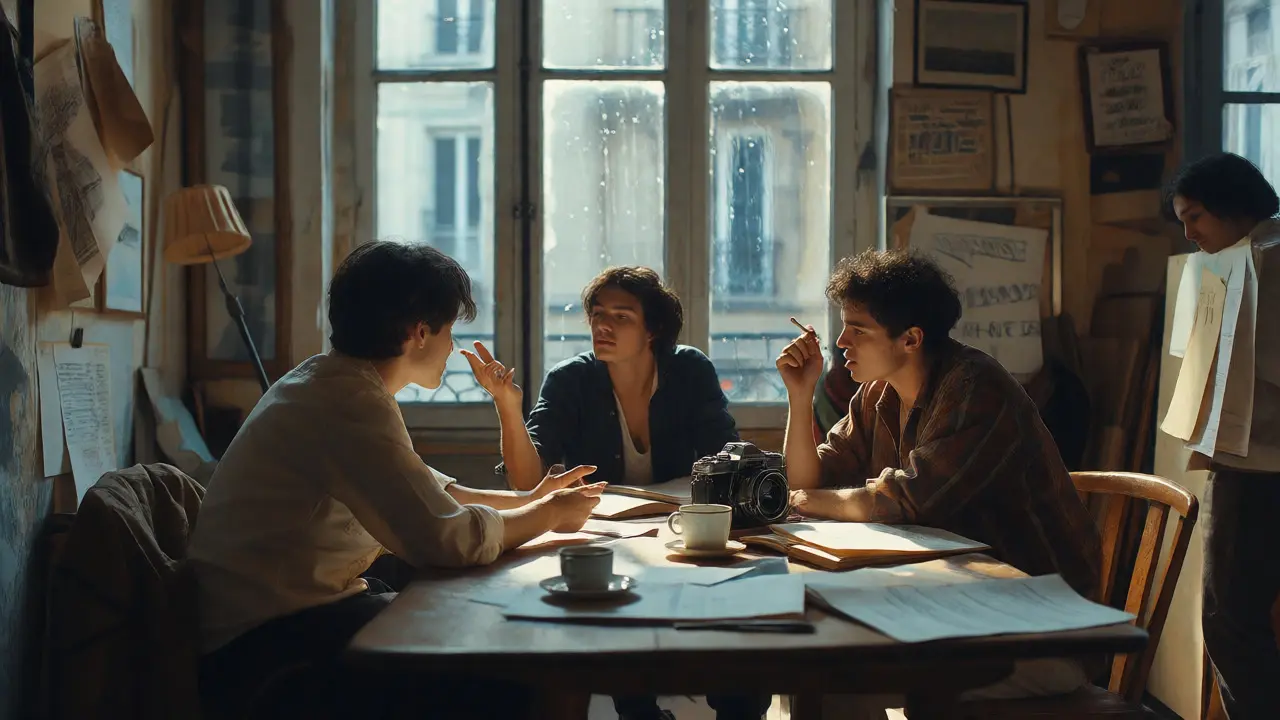
Explore how artist communities and studio systems shape film narratives. Learn why collaboration drives cinematic innovation and how to build your own creative hub.
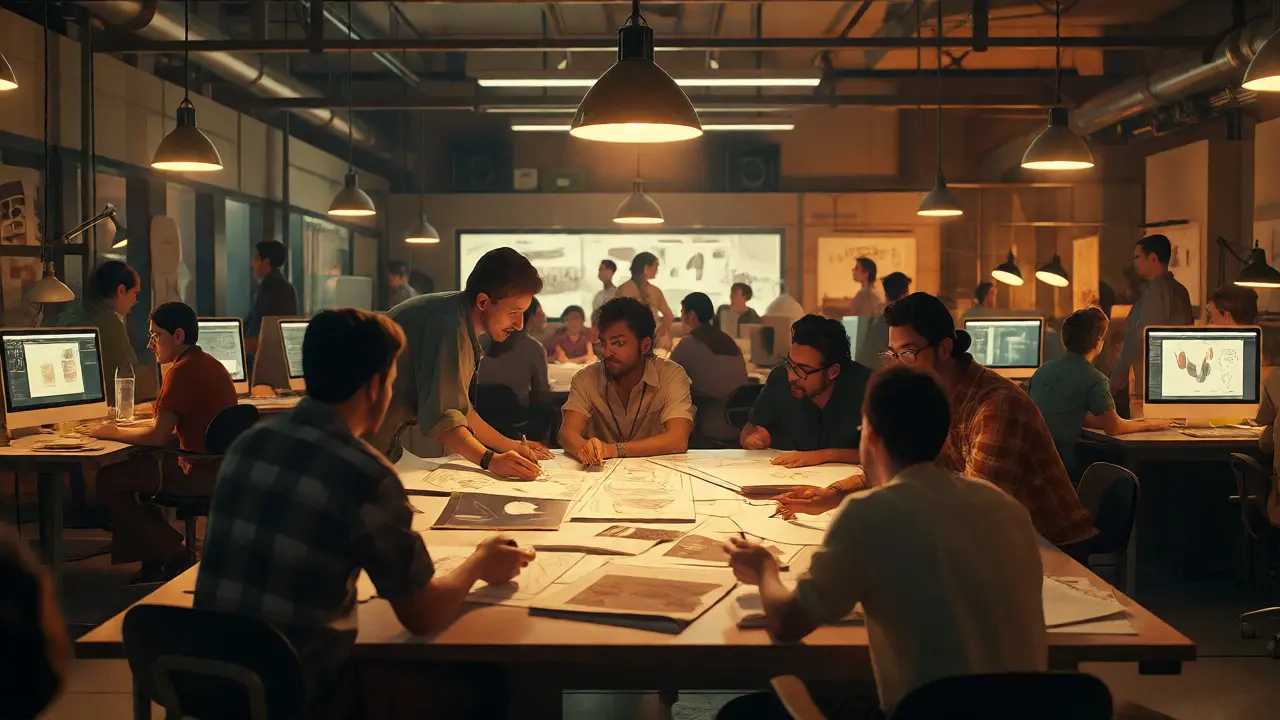
Explore how artist communities, from traditional studios to modern collectives, shape film narratives. Discover the trade-offs between stability and creative freedom.
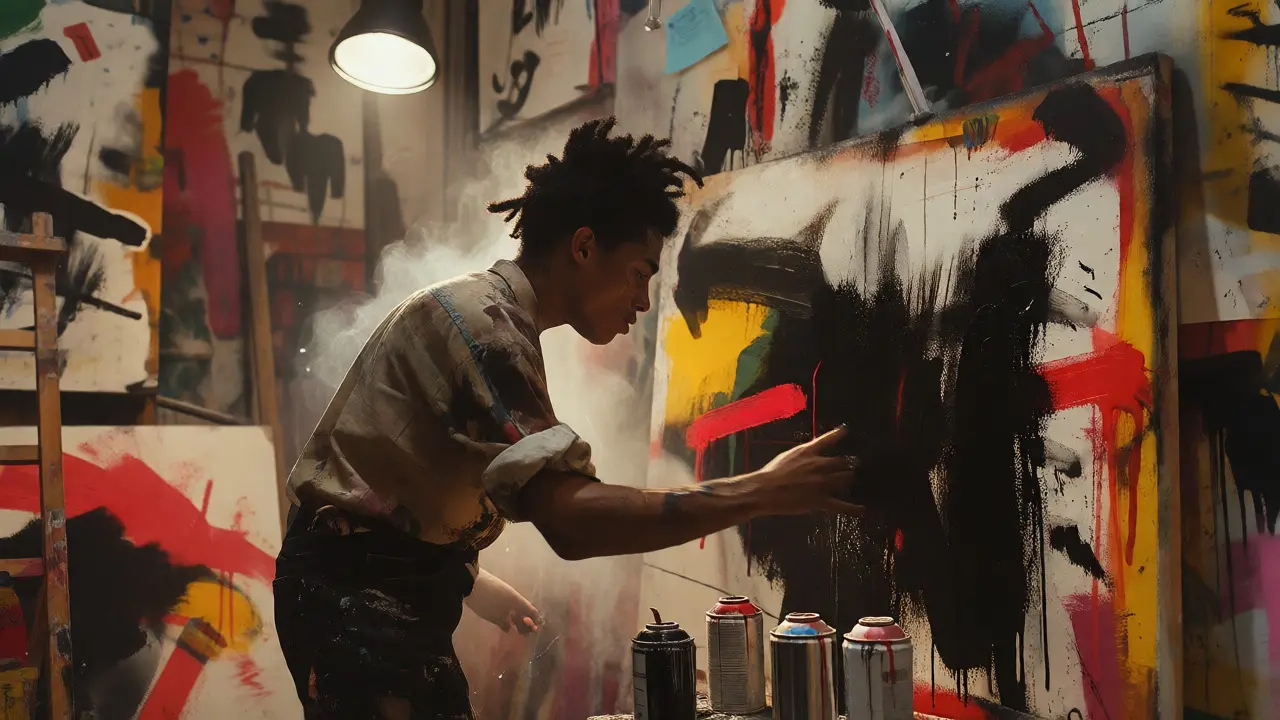
Discover the best documentaries about legendary artists in music, visual arts, and literature. Learn how these films reveal the raw creative process, personal struggles, and cultural impact of icons like Basquiat, Amy Winehouse, and Yayoi Kusama.
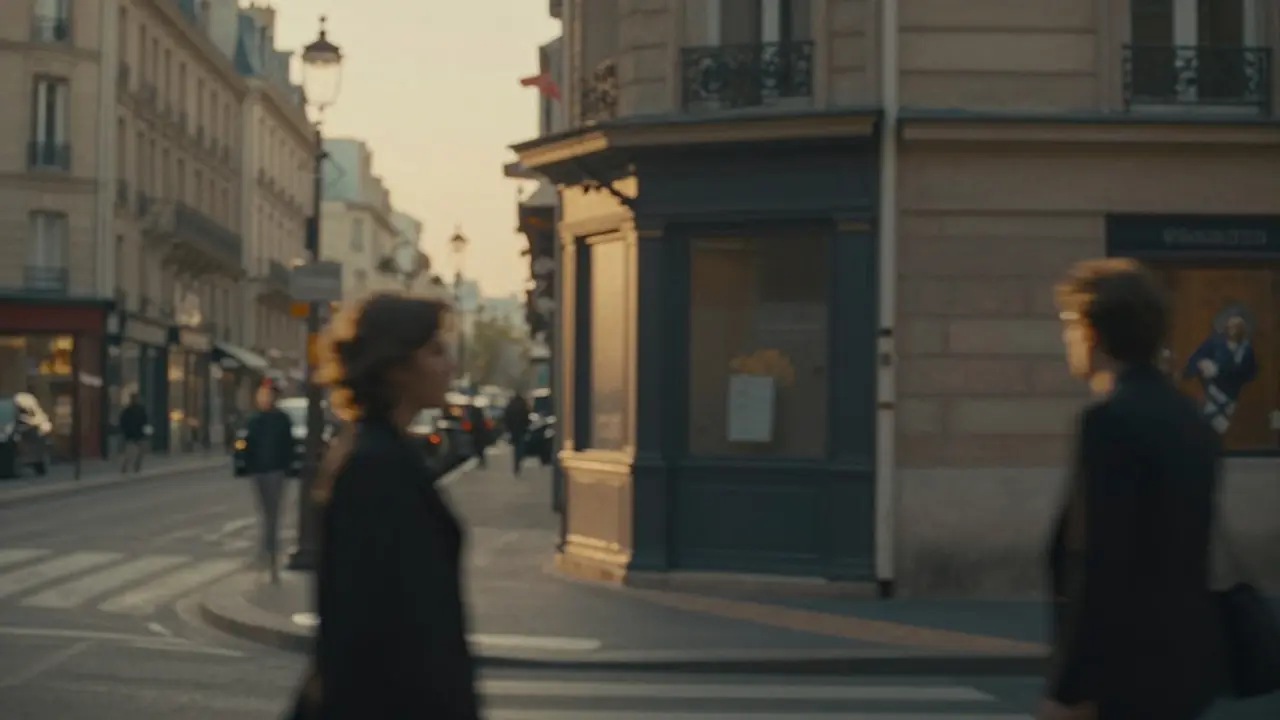
Discover how international art movements like Impressionism and Expressionism shaped cinema. Learn to spot these visual influences in modern films.
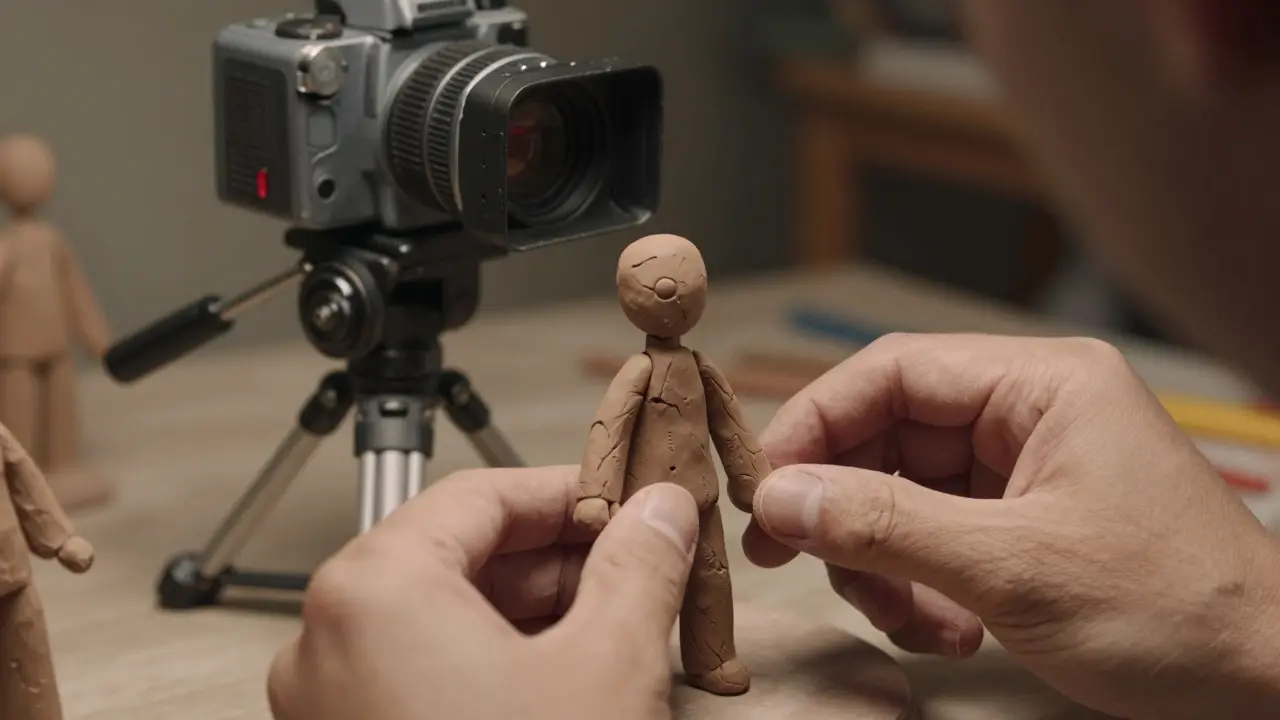
Explore the intricate world of stop-motion animation, from clay modeling to digital post-production. Learn how frame-by-frame crafting brings physical objects to life in modern films.
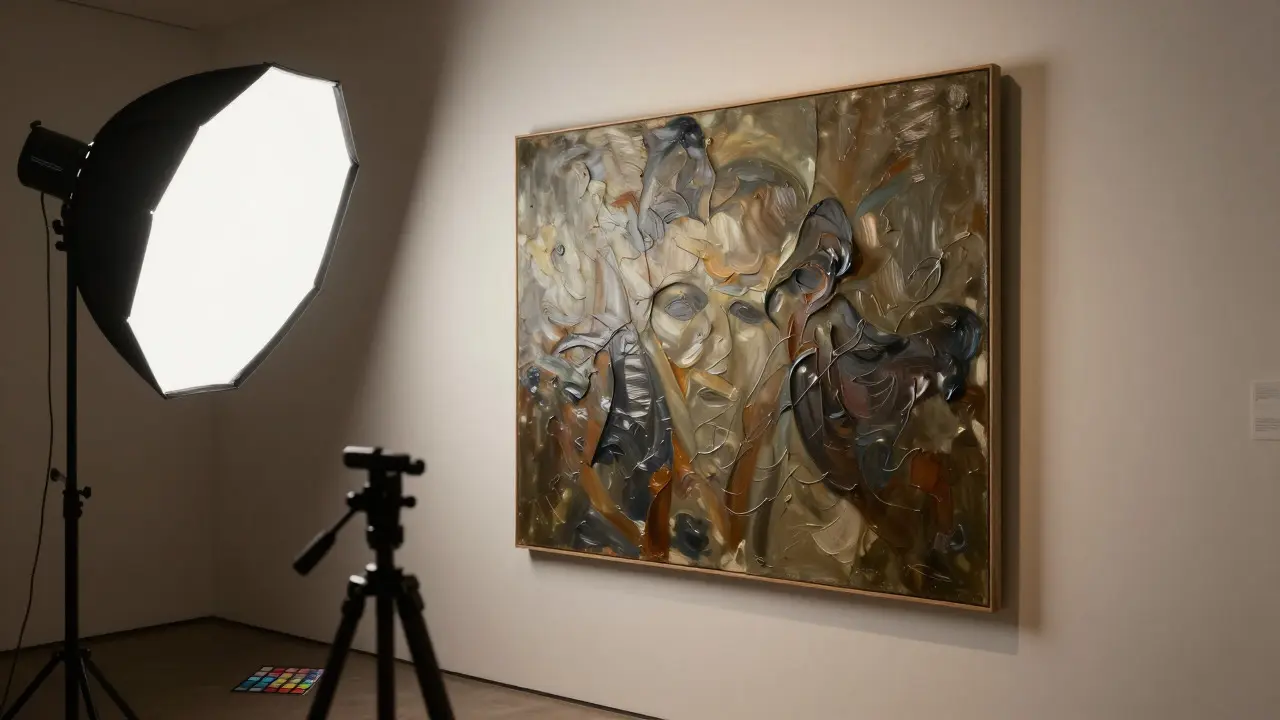
Learn how to light, frame, and edit paintings and sculptures for film. Discover techniques to capture texture, manage reflections, and preserve color accuracy in art-dense productions.
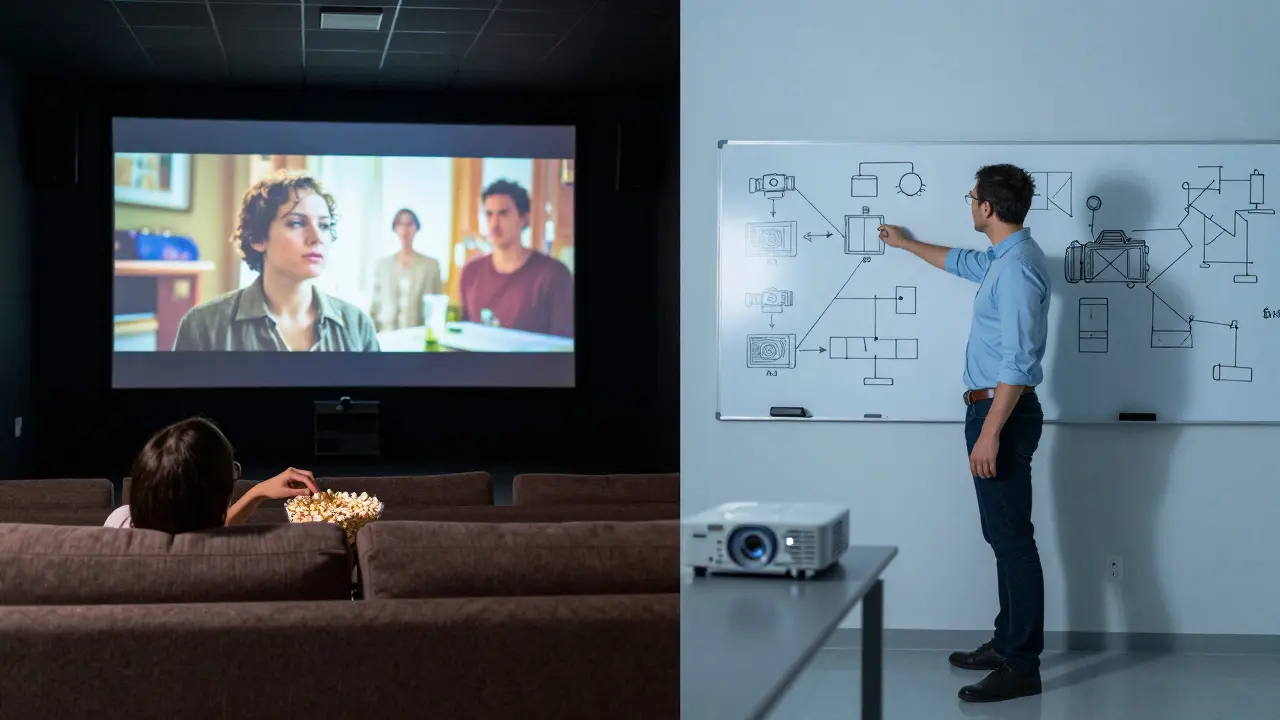
Discover how academic film criticism differs from standard reviews. Learn about theoretical lenses, analysis methods, and why scholarly perspectives deepen your understanding of cinema.
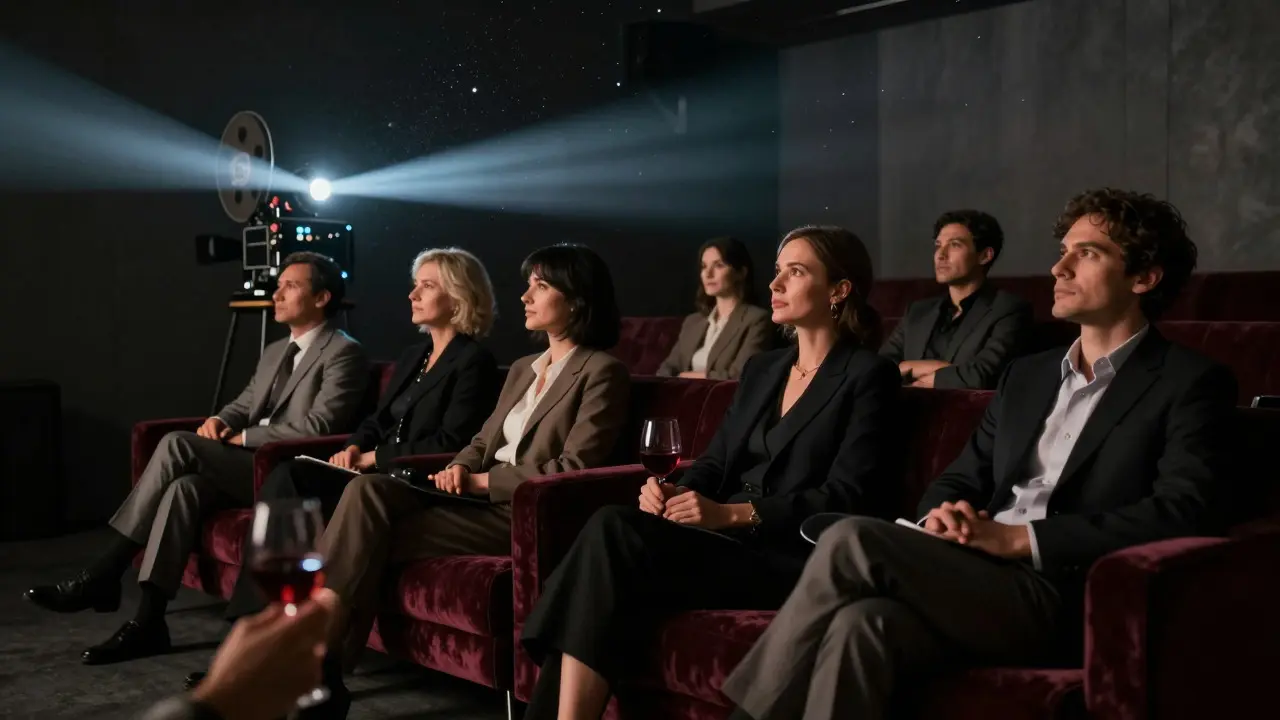
Discover how collectors and private patrons fund artist-centered cinema. Learn practical strategies for building relationships, structuring deals, and maintaining creative autonomy.
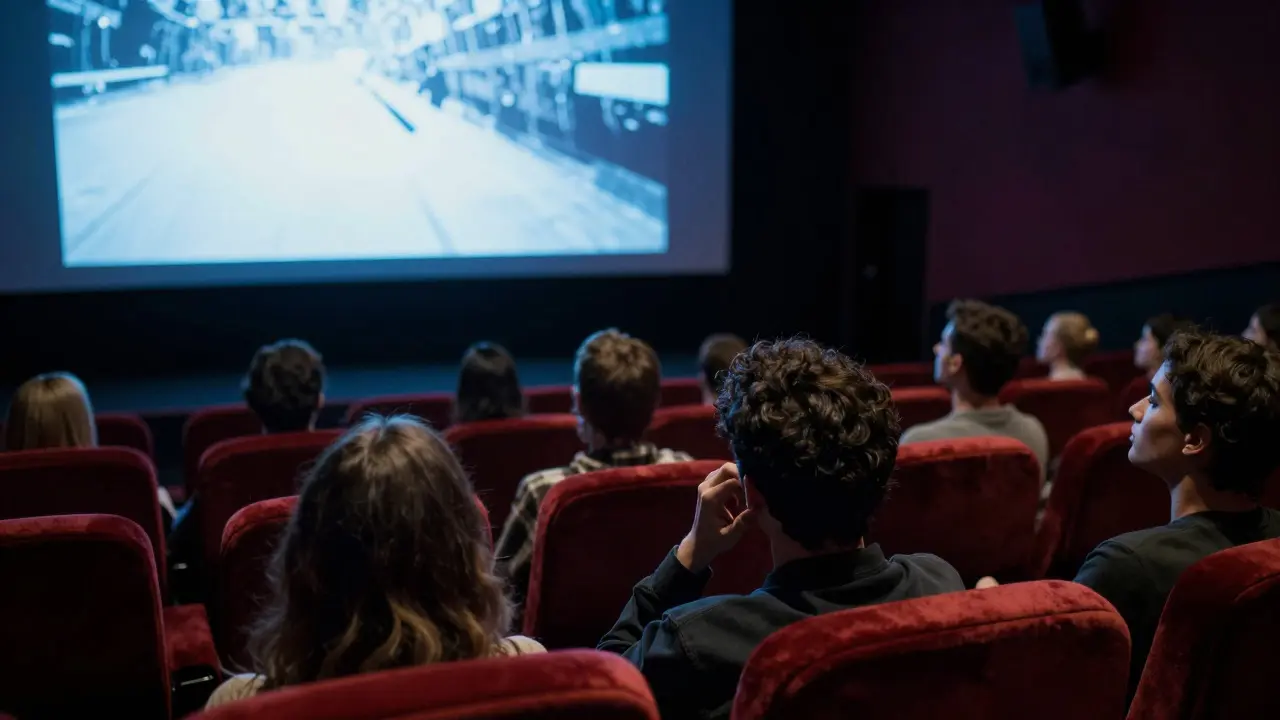
Learn how to ethically screen extreme and transgressive films. We cover trigger warnings, venue safety, and audience consent to ensure a respectful cinematic experience.

Discover how animated short films serve as essential calling cards for VFX studios. Learn strategic tips on production, distribution, and measuring success to attract high-value clients.

Discover how to effectively adapt stage plays for cinema by mastering camera techniques, spatial design, and performance styles to bring static stories to life.