Walk into your favorite independent cinema is a non-chain movie theater that often screens art-house, independent, and classic films on a Tuesday night. The lights dim, the projector hums, and for two hours, you are transported somewhere else. But when the credits roll, the reality sets in. The ticket sales alone rarely cover the electricity bill, let alone the rent or staff wages. For decades, these cultural anchors have been bleeding money, squeezed by streaming giants and big-box multiplexes. Yet, some survive. Some even thrive. How? They stopped acting like mere screening rooms and started acting like community hubs.
The secret isn't just showing good movies; it's building deep, reciprocal relationships with the people who live nearby. This shift from passive exhibition to active community partnership is a strategic collaboration between a business and local organizations to create mutual value is what keeps the lights on. It transforms a theater from a place you visit occasionally into a destination you rely on weekly. If you run a small theater, or if you care about keeping one alive, understanding this model is no longer optional-it's survival.
Why Traditional Revenue Models Fail Independent Theaters
Let's look at the math. A standard blockbuster film is a high-budget mainstream movie released simultaneously worldwide might pull in $100 per showtime. But after the distributor takes their cut-often 50% or more-you're left with $50. That has to cover staffing, marketing, cleaning, and overhead. Now imagine a quiet week. No blockbusters. Just indie dramas with smaller audiences. The revenue gap widens quickly. Most independent cinemas operate on razor-thin margins, often less than 5%. One bad month can wipe out three good ones.
This financial fragility forces owners to make difficult choices. Do you raise ticket prices and risk losing patrons? Do you cut hours and reduce accessibility? Or do you find new revenue streams that don't rely solely on seat occupancy? The answer lies in diversification through local programming is events and screenings tailored to specific community interests and demographics. By hosting events that bring people in for reasons beyond just watching a movie, theaters create multiple income sources and build loyalty that transcends box office trends.
The Power of Hyper-Local Programming
Generic marketing doesn't work for small theaters. You can't outspend Netflix on ads. Instead, you need to out-community them. Hyper-local programming means curating content that speaks directly to the identity of your neighborhood. Think about what makes your area unique. Is there a strong agricultural heritage? Host a documentary series on sustainable farming, followed by a Q&A with local farmers. Is there a vibrant LGBTQ+ community? Partner with local Pride groups for themed screening nights. These aren't just movies; they are social gatherings anchored by film.
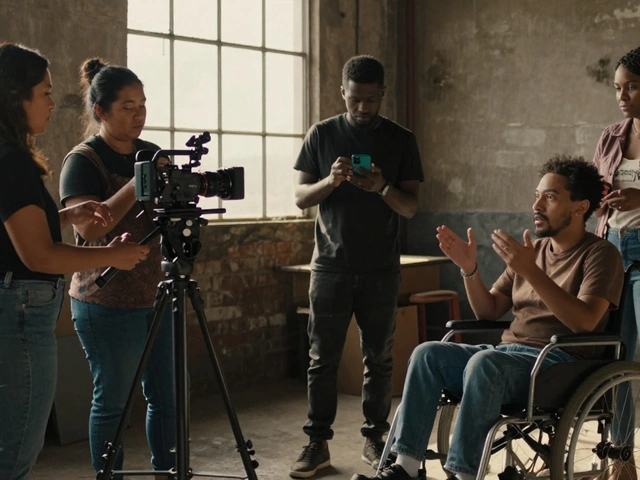
Consider the success of the film festival circuit is a series of organized public screenings of films, often focused on specific genres or themes. Major festivals like Sundance or Cannes draw crowds because they offer exclusivity and connection. Small theaters can replicate this on a micro-scale. Create a "Neighborhood Film Week" where local filmmakers screen short works. Invite schools to submit projects. Suddenly, the theater becomes a launchpad for local talent, not just a consumer of Hollywood product. This approach builds emotional investment. People support what they help create.
Strategic Alliances with Non-Profits and Schools
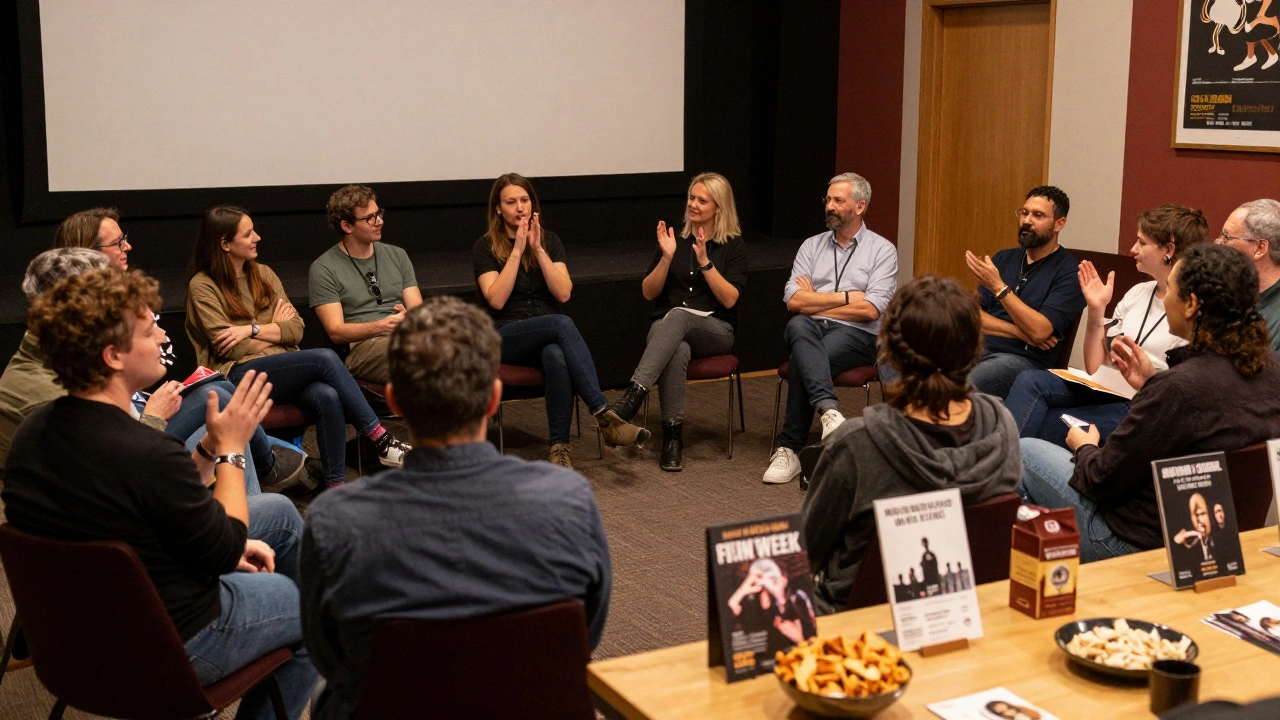
Your strongest allies are often right next door. Non-profits, schools, libraries, and historical societies share your goal: enriching the community. Forming formal partnerships with these entities unlocks resources you don't have. A local history museum might provide artifacts for a pre-show exhibit. A university film department could offer student volunteers for ushering duties. In exchange, you provide them with a venue and an audience.
One effective model is the "benefit screening." Many charities struggle to raise funds. Offer your space for a percentage-of-ticket-sales event. They handle the promotion to their mailing list; you handle the logistics. This brings in foot traffic from demographics you might not normally reach. Additionally, educational partnerships are gold mines. Schools need engaging curriculum tools. A theater can become an outdoor classroom. Offer discounted group rates for students attending relevant documentaries. Provide study guides. Over time, you cultivate a generation of regulars who associate cinema with learning and fun.
Cultivating Corporate Sponsorships Without Selling Out
Money talks, but tone matters. Corporate sponsorships are essential for financial stability, but they must be handled carefully to maintain artistic integrity. The key is alignment. Don't accept a sponsorship from a fast-food chain if your brand is built on health and wellness documentaries. Look for local businesses whose values mirror yours. A regional bank, a craft brewery, or a tech startup often wants to demonstrate community involvement.
Create tiered sponsorship packages. Top-tier sponsors get naming rights to a monthly series. Mid-tier sponsors get logo placement on posters and social media shout-outs. Lower tiers get recognition during intermissions. Crucially, always disclose sponsorships transparently. Audiences appreciate honesty. When done right, corporate partners feel like part of the family, not advertisers interrupting the experience. This creates long-term relationships rather than transactional one-offs.
| Partnership Type | Primary Benefit | Cost to Theater | Long-Term Impact |
|---|---|---|---|
| School Groups | Audience cultivation | Low (discounted tickets) | High (future loyalists) |
| Non-Profit Benefits | New customer acquisition | Medium (venue prep) | Medium (brand association) |
| Corporate Sponsors | Direct revenue | Low (marketing coordination) | High (financial stability) |
| Local Artists | Content uniqueness | Very Low (exhibit space) | Medium (cultural relevance) |

Leveraging Digital Tools for Community Engagement
In 2026, your physical lobby extends online. Social media isn't just for posting showtimes; it's for conversation. Use platforms like Instagram and Facebook to highlight behind-the-scenes stories. Show the projectionist calibrating the lens. Feature interviews with local directors. Encourage user-generated content by creating branded hashtags for special events. When someone posts a photo from your theater, reshare it. It validates their experience and shows others that real people love your space.
Email newsletters remain powerful. Segment your lists based on interest. Send documentary lovers updates on environmental films. Send comedy fans info on stand-up nights. Personalization increases open rates dramatically. Also, consider using simple CRM tools to track attendance patterns. Who comes on Fridays? Who attends matinees? This data helps you tailor programming and offers, making every patron feel seen.
Measuring Success Beyond Box Office Numbers
If you only count ticket sales, you'll miss the bigger picture. True success for a community-focused theater includes qualitative metrics. Track engagement levels. How many people stay for post-screening discussions? How many volunteer hours do partners contribute? Monitor social media sentiment. Are people tagging friends? Are they asking questions? These indicators predict long-term viability better than any single month's revenue report.
Set goals for community impact. Aim to host ten school visits per semester. Secure five new corporate partners annually. Increase volunteer participation by 20%. Celebrate these wins publicly. They reinforce your mission and attract further support. Remember, you're not just selling seats; you're preserving culture. Every handshake, every shared laugh in the dark, adds up to a resilient institution.
Common Pitfalls to Avoid
- Over-programming: Don't schedule too many events. Burnout affects staff and dilutes quality. Curate carefully.
- Poor Communication: Always keep partners informed. Missed emails kill trust. Use clear contracts outlining expectations.
- Igoring Feedback: Listen to your audience. If they want more subtitles, add them. If they complain about noise, address it. Adaptability is key.
- Neglecting Staff: Your team faces the customers. Train them to engage warmly. Happy staff create happy patrons.
How much does it cost to start community partnerships?
Starting costs are minimal. Most partnerships begin with conversations and shared goals. You may spend time designing flyers or updating website pages, but direct cash outlay is low. Focus on sweat equity first. As relationships grow, larger investments like sponsored series can follow naturally.
Can small towns sustain independent cinemas?
Yes, absolutely. Small towns often have tighter-knit communities, making hyper-local programming easier. Residents value local gathering spots highly. The challenge is scale, but passion and creativity can overcome limited population size. Many rural theaters thrive by becoming central civic hubs.
What if local businesses refuse to sponsor?
Don't take it personally. Pitch again with different angles. Highlight specific ROI metrics like foot traffic or brand exposure. Sometimes, starting small with in-kind donations (like coffee supplies) builds trust before monetary contributions. Persistence and flexibility are crucial.
How do I balance commercial films with art-house content?
Use a mixed schedule. Screen popular titles on weekends to drive revenue. Reserve weekdays for niche, educational, or partner-driven content. This hybrid model ensures financial health while maintaining your artistic identity. Clear signage helps manage audience expectations.
Is digital marketing enough for independent theaters?
Digital is vital, but face-to-face interaction remains irreplaceable. Combine online outreach with local flyers, word-of-mouth referrals, and in-person events. Physical presence in the community strengthens digital efforts. People trust places they can touch and see.