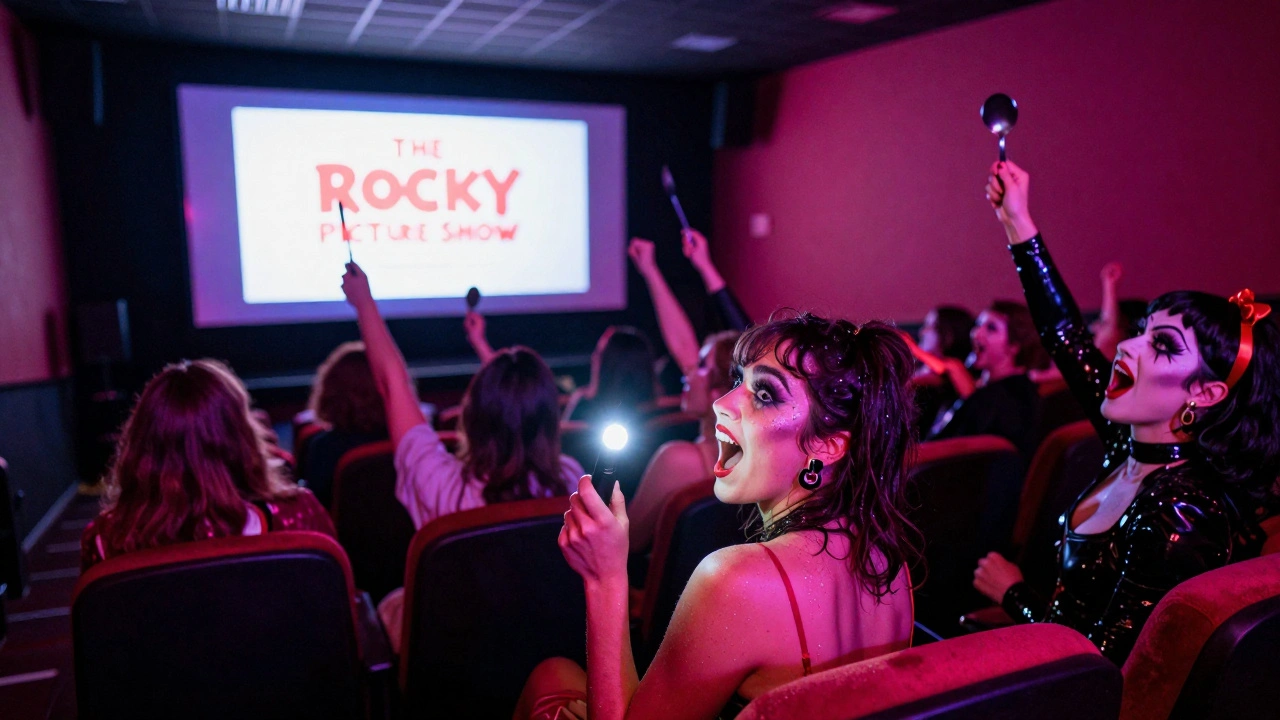
There is a specific kind of movie night where the goal isn't to be moved by realism or stunned by visual effects. It’s the night you put on The Rocky Horror Picture Show, turn the lights up, and scream at the screen. You aren’t watching for plot coherence; you are watching for the excess, the artifice, and the sheer joy of something being deliberately "bad" in the best possible way. This is the world of camp cinema, a cultural phenomenon that transforms kitsch into high art through irony, exaggeration, and a deep appreciation for the theatrical.
If you’ve ever found yourself laughing at a melodramatic villain’s monologue or appreciating the glittering absurdity of a low-budget sci-fi film, you have engaged with camp. But what exactly makes a film "campy"? Is it just bad acting? Or is there a deeper aesthetic code at play? Understanding camp cinema requires looking past the surface-level humor to see how it functions as a language of resistance, community, and stylistic rebellion.
The Origins of Camp: From Slang to Serious Theory
To understand why we love these films, we have to look back at where the term came from. The word "camp" has traveled a long road. In the mid-19th century, it was used in African American Vernacular English to describe effeminate gay men. By the early 20th century, it had entered broader slang, often associated with exaggerated affectation and flamboyance. However, the moment that changed everything for cinema and culture was 1964.
Susan Sontag published her seminal essay, Notes on \"Camp\". She didn’t invent camp, but she gave it a vocabulary. Before Sontag, camp was mostly an underground sensibility, particularly within gay communities who used it as a shield against mainstream judgment. Sontag argued that camp is not about content, but about style. It is the love of the unnatural: of artifice and exaggeration.
Sontag famously stated, "Camp is the love of the exaggerated, the \"off\", of things-being-what-they-are-not." This distinction is crucial. Camp isn’t just "bad taste." It’s a specific perspective. When you watch a film like Showgirls (1995), directed by Paul Verhoeven, you aren’t just seeing a poorly written drama. You are seeing a film that takes its own seriousness so literally that it loops back around to comedy. That loop is the essence of camp.
The Aesthetic of Excess: What Makes a Film Camp?
Not every over-the-top movie qualifies as camp. There is a fine line between unintentional comedy and true camp aesthetics. To identify camp cinema, look for specific stylistic markers. These elements create a texture that invites the audience to participate rather than just observe.
- Artifice over Authenticity: Camp rejects naturalism. If an actor delivers a line with obvious, heavy-handed emotion, that’s good camp. If they try to be subtle and fail, that’s just bad acting. Camp requires the performer to commit fully to the bit.
- Exaggerated Gender Roles: Many classic camp films feature hyper-masculine or hyper-feminine characters. Think of the muscular, shirtless heroes in old serials or the dramatic, swooning heroines in silent melodramas. The exaggeration highlights the performative nature of gender.
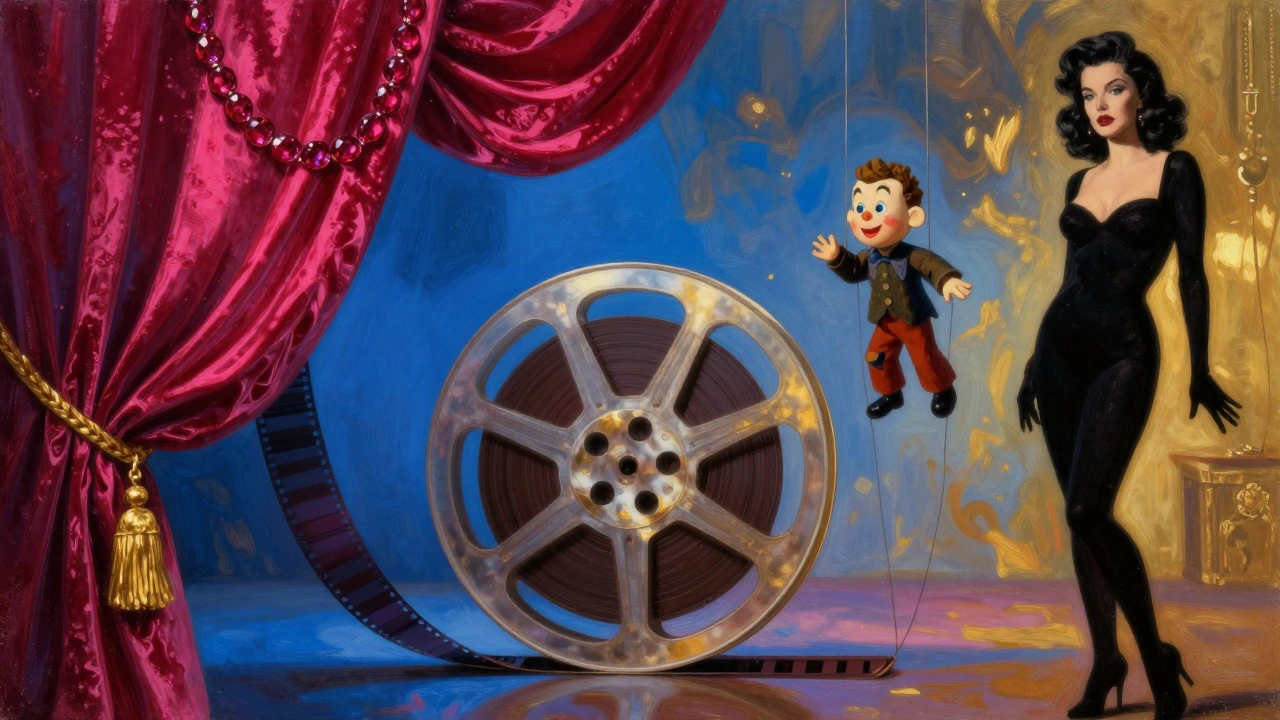
- Kitsch and Kitschiness: Camp loves cheap materials used in expensive ways. Plastic jewelry, velvet curtains, neon lighting-these elements signal a lack of pretension that camp audiences find refreshing.
- Failure as Success: Sometimes, a film fails so spectacularly at being serious that it succeeds as camp. This is often called "so-bad-it's-good," though purists argue this is distinct from intentional camp.
Consider Plan 9 from Outer Space (1959) by Ed Wood. It is widely considered one of the worst films ever made. Yet, it is a cornerstone of camp cinema. Why? Because Wood’s sincere attempt to make a grand sci-fi epic, combined with visible string puppets and lip-syncing errors, creates a delightful disconnect. The audience knows it’s fake, and that knowledge allows them to enjoy the spectacle without the burden of critical judgment.
Irony and the Death of Sincerity
One of the most debated aspects of camp is its relationship with sincerity. Susan Sontag insisted that camp is apolitical and purely aesthetic. She believed that camp objects are enjoyed ironically, detached from their original meaning. However, many modern scholars and fans disagree. They argue that camp is deeply political, especially for marginalized groups.
For LGBTQ+ audiences, camp has historically been a tool for survival and subversion. By embracing irony, viewers could critique mainstream norms while staying safe. Laughing at a heterosexual normativity portrayed in a 1950s musical allowed gay viewers to decode hidden messages and build community. This is known as queer coding.
Take Cat People (1982), also directed by Paul Verhoeven. On the surface, it’s a horror film. But through the lens of camp, the sexual tension, the transformation metaphors, and the exaggerated emotions resonate strongly with queer experiences. The irony here isn’t just about mocking the film; it’s about reclaiming it. The audience watches with a wink, acknowledging the film’s flaws while celebrating its accidental truths.
This duality is key. You can appreciate camp both ironically and sincerely. You can laugh at the ridiculousness of a scene while simultaneously feeling a genuine emotional connection to the characters’ struggles. This complex layering is what keeps camp cinema alive and evolving.
Fandom and Participatory Culture
Camp cinema doesn’t end when the credits roll. In fact, for many fans, the real experience begins after the film. Camp fosters a unique type of fandom-one that is highly participatory, interactive, and communal.
The most famous example is the midnight movie tradition surrounding The Rocky Horror Picture Show. Audiences don’t sit quietly. They shout dialogue back at the screen, throw spoons, and dress up in costumes. This ritual transforms passive viewing into active performance. The film becomes a canvas for collective creativity.
This participatory culture extends beyond theaters. Online communities thrive on analyzing and celebrating camp films. Platforms like TikTok and Instagram are filled with edits, memes, and reviews that highlight the aesthetic details of camp cinema. Fans dissect the fashion choices in Betty Blue or the choreography in Hairspray, creating new layers of meaning.
Fandom also plays a role in preservation. Many camp classics were nearly lost or forgotten until fans championed them. Elvira, Mistress of the Dark, played by Cassandra Peterson, helped revive interest in B-horror films during the 1980s. Her show introduced a generation to the joys of low-budget terror, proving that camp appreciation can drive commercial success.
| Archetype | Key Characteristics | Example Films |
|---|---|---|
| Melodrama | Exaggerated emotions, tragic plots, lavish sets | Queen Christina, Gilda |
| B-Movie Sci-Fi | Low budget, practical effects, earnest tone | Plan 9 from Outer Space, The Beast from 20,000 Fathoms |
| Musical Extravaganza | Bright colors, dance numbers, theatricality | Hairspray, The Rocky Horror Picture Show |
| Horror Comedy | Gore, sex, satire, self-awareness | Showgirls, Cat People |
Modern Camp: From Niche to Mainstream
In recent years, camp has moved from the fringes to the center of pop culture. Directors like Tim Burton, David Lynch, and Pedro Almodóvar have incorporated camp aesthetics into their work, bringing it to wider audiences. Even blockbuster franchises now include camp elements. The Marvel Cinematic Universe, for instance, often uses humor and stylized visuals that echo camp traditions.
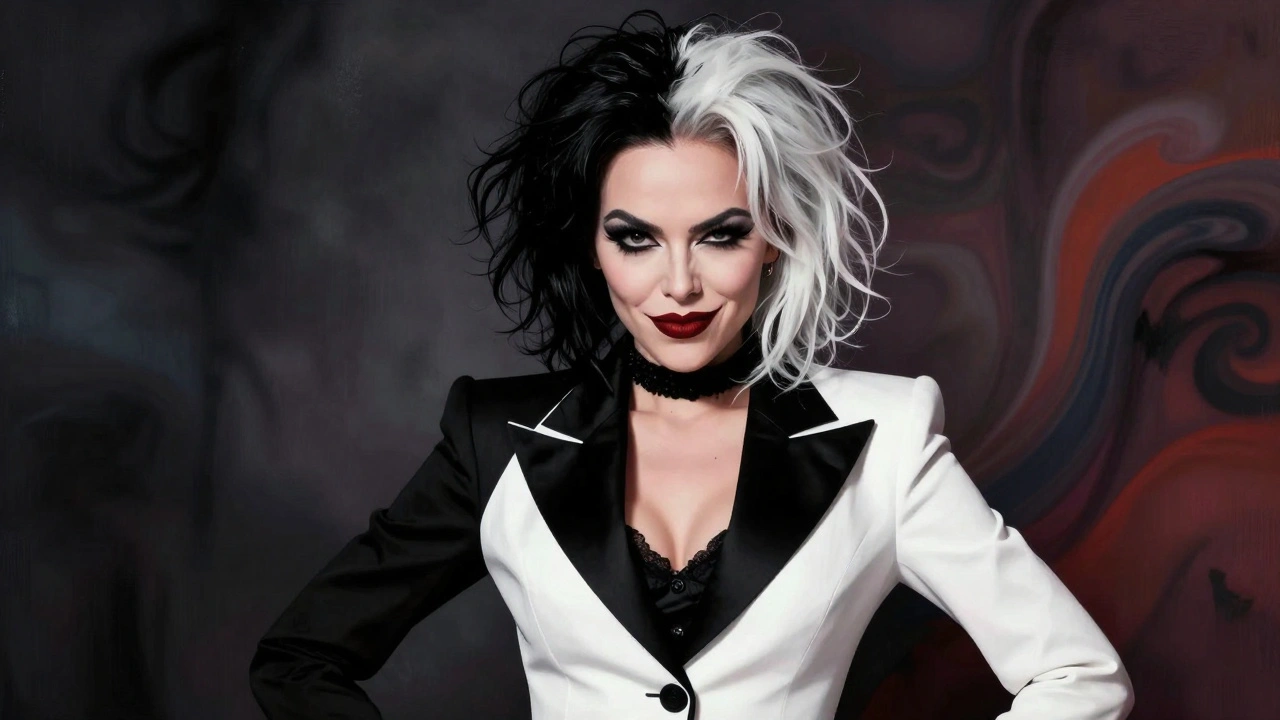
Cruella (2021) is a perfect example of modern camp. With its bold black-and-white fashion, exaggerated villainy, and playful tone, it appeals to both traditional camp fans and general audiences. The film acknowledges its own artifice, inviting viewers to enjoy the spectacle without taking it too seriously.
However, this mainstream adoption raises questions. Does camp lose its edge when it becomes popular? Some argue that once camp is commodified, it loses its subversive power. Others believe that camp is adaptable and can survive even in corporate environments. Regardless of the debate, one thing is clear: camp cinema continues to evolve, reflecting changing cultural attitudes toward gender, sexuality, and art.
How to Build Your Own Camp Watchlist
If you’re new to camp cinema, where do you start? Here’s a simple guide to building a diverse and engaging watchlist.
- Start with the Classics: Watch The Rocky Horror Picture Show and Plan 9 from Outer Space. These films define the genre and provide context for later works.
- Explore Melodrama: Look for films from the 1930s and 1940s with strong female leads and dramatic plots. Gilda (1946) starring Rita Hayworth is a great choice.
- Dive into B-Horror: Seek out low-budget horror films from the 1950s and 1960s. It Came from Outer Space offers fun special effects and earnest performances.
- Check Out Modern Interpretations: Watch Cruella or The Death of Stalin to see how contemporary filmmakers use camp techniques.
- Join a Community: Find local midnight movie screenings or online forums dedicated to cult films. Engaging with other fans enhances the experience.
Remember, there’s no wrong way to enjoy camp. Whether you’re watching alone with popcorn or with a group of friends shouting lines, the goal is to embrace the joy of artificiality.
What is the difference between camp and kitsch?
Kitsch refers to art or objects that are considered tacky or sentimental, often due to poor quality or excessive ornamentation. Camp, on the other hand, is an aesthetic attitude that embraces kitsch but adds layers of irony, style, and intentionality. While kitsch might be unintentionally funny, camp is often a conscious celebration of the exaggerated and artificial.
Is all camp cinema intentionally camp?
No. Much of camp cinema is unintentional. Films like Plan 9 from Outer Space were made with sincere intentions but failed technically, resulting in a camp effect. Intentional camp, however, is created by filmmakers who deliberately use exaggeration and irony to engage audiences, such as in The Rocky Horror Picture Show.
Why is camp important to LGBTQ+ culture?
Camp provides a space for queer individuals to express themselves freely and critique heteronormative standards. Through irony and exaggeration, camp allows for the subversion of traditional gender roles and social expectations. It fosters community and resilience by turning marginalization into a source of creative power.
Can mainstream movies be camp?
Yes. Many mainstream films incorporate camp elements, such as exaggerated performances, bright colors, and humorous tones. Films like Cruella and various Marvel movies use camp aesthetics to appeal to broad audiences while maintaining a sense of playful artifice.
Who wrote the definitive essay on camp?
Susan Sontag wrote "Notes on \"Camp\"" in 1964, which is widely regarded as the foundational text on the subject. Her analysis helped elevate camp from a niche slang term to a serious topic of cultural and aesthetic discussion.



Comments(5)