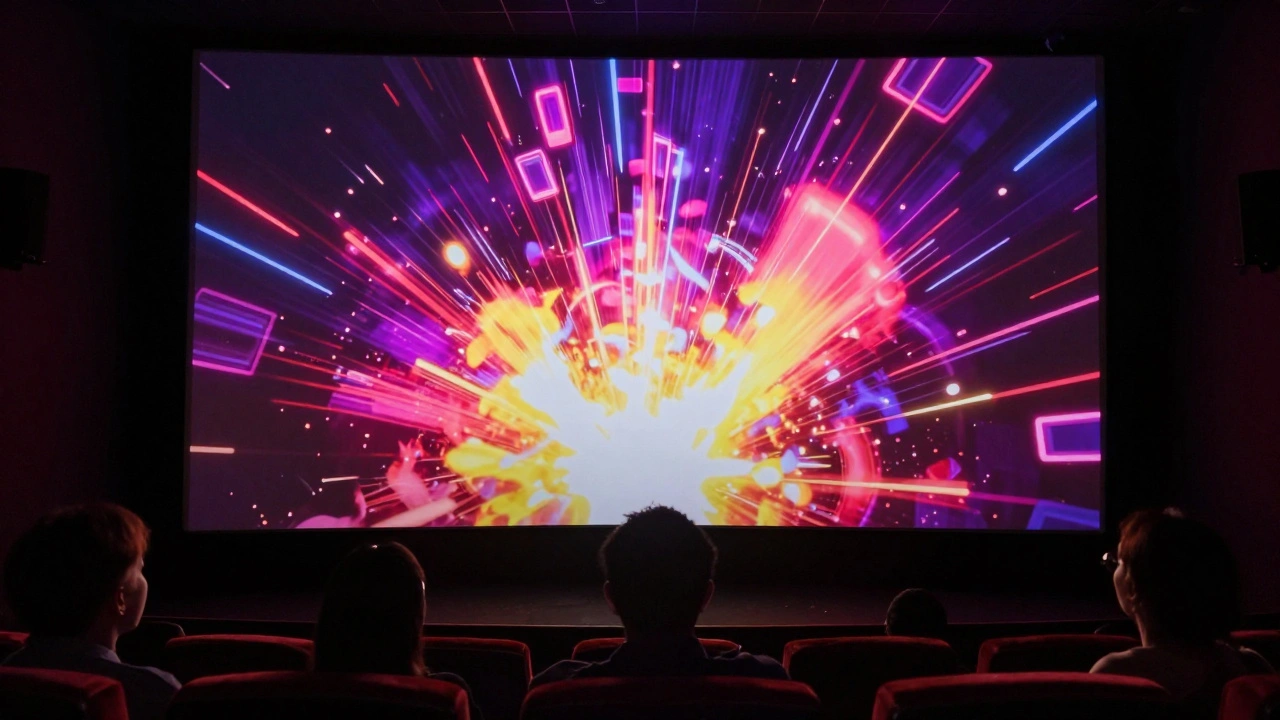
Let's be clear: this isn't about a "weird" indie movie with a twist ending. We are talking about art that questions what a movie even is. While a standard film focuses on the "what happens next," experimental cinema focuses on the "how does this feel" or "what is the nature of a frame." It is the difference between reading a novel and looking at a piece of abstract expressionist art. You aren't looking for a resolution; you are experiencing a sensory event.
What Actually Makes a Film Avant-Garde?
The term avant-garde comes from the French military, referring to the vanguard-the soldiers who go first into battle. In art, it describes the people who push the envelope and try things that haven't been done before. Avant-Garde Cinema is a body of work that rejects the commercial constraints of mainstream cinema, prioritizing artistic expression over narrative coherence.
Unlike a blockbuster, these films often ignore the "Three-Act Structure." You won't find a clear protagonist with a goal, a conflict, and a resolution. Instead, you might find Non-linear Narrative, which is a storytelling technique where events are portrayed out of chronological order. Sometimes, the "story" is just the way the film is edited. For example, a filmmaker might cut between two images every half-second to create a feeling of panic, or they might hold a single shot of a wall for ten minutes to force you to notice the tiny movements of dust in the light.
Another key trait is the use of Abstract Cinema, which is film that does not represent a recognizable reality, focusing instead on shapes, colors, and movements. This approach treats the screen like a canvas. The goal isn't to tell you a story about a person, but to evoke an emotion through visual rhythm.
The Tools of the Trade: How the Boundaries are Pushed
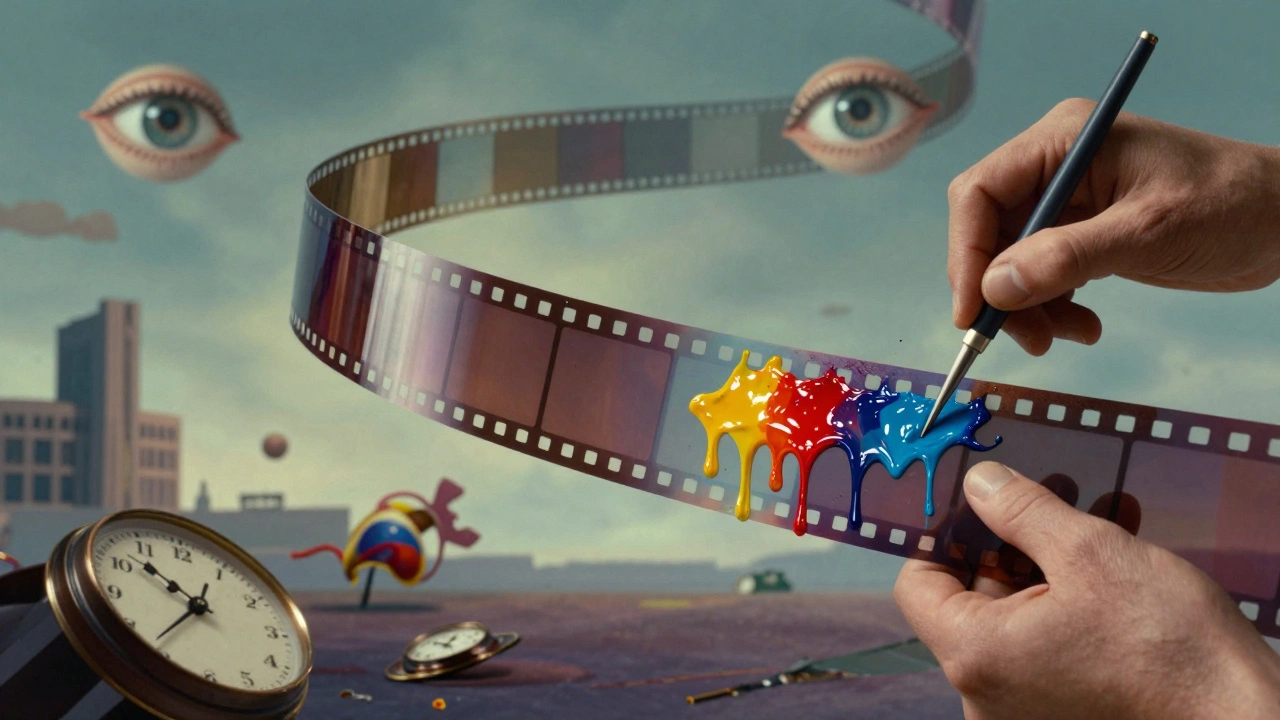
Experimental filmmakers don't just change the story; they change how the film is physically made. Some of the most influential works come from people who treat the film strip itself as a physical object. In the early days, artists would literally scratch the emulsion of the film or paint directly onto the cells. This is called "direct film," and it removes the need for a camera entirely.
Then there is the psychological side. Surrealism is an artistic movement that seeks to release the unconscious mind by depicting illogical scenes and dream-like imagery. Think of the 1929 classic Un Chien Andalou. It doesn't make sense if you try to follow it like a plot, but it makes perfect sense if you treat it like a dream. The shocking images are designed to bypass your logic and hit your subconscious directly.
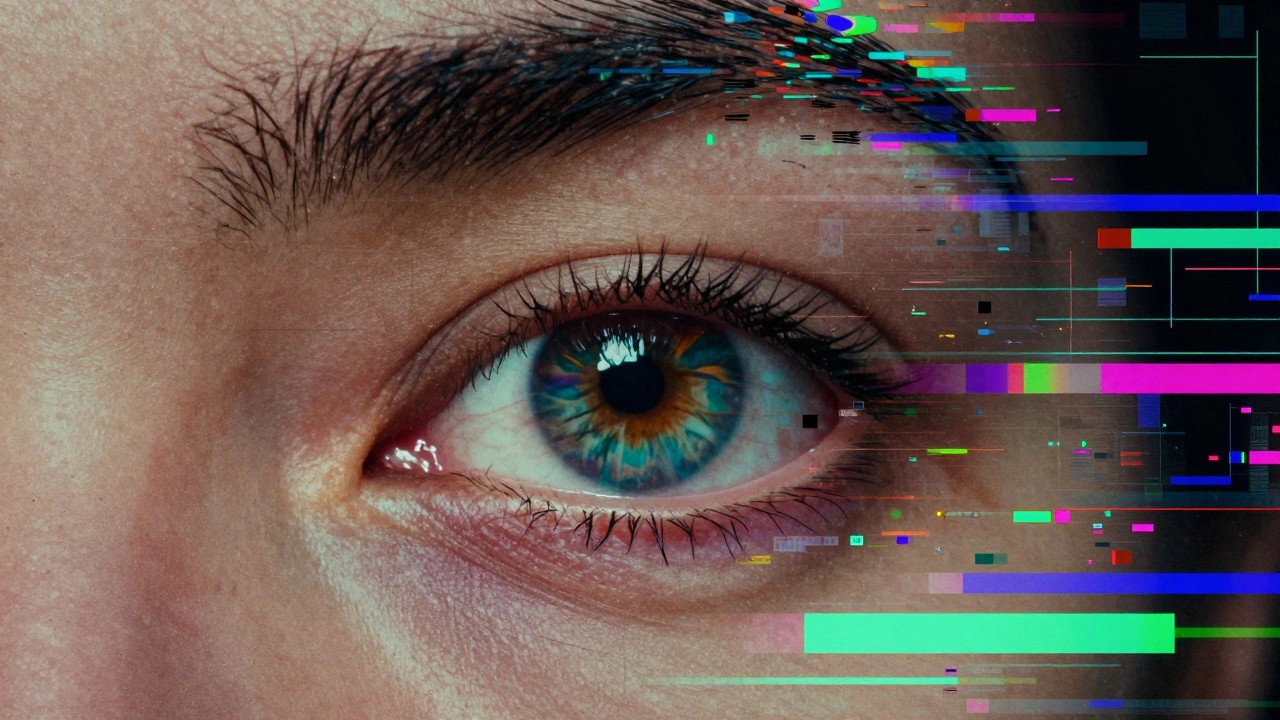
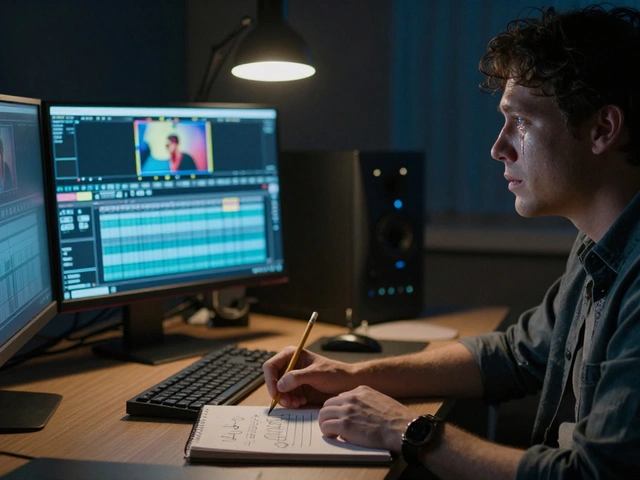
Modern experimentalists use digital tools to push these limits even further. They might use algorithmic editing, where a computer decides when to cut the scene, or they might use extreme slow-motion (thousands of frames per second) to turn a simple splash of water into a cosmic event. The common thread here is a desire to see the medium's limits and then break them.
| Feature | Mainstream Cinema | Avant-Garde Cinema |
|---|---|---|
| Goal | Entertainment / Profit | Artistic Discovery / Provocation |
| Structure | Linear (Beginning, Middle, End) | Abstract, Cyclical, or Non-existent |
| Visuals | Clear, representative imagery | Distorted, fragmented, or non-objective |
| Audience Role | Passive consumer of story | Active interpreter of meaning |
The Influence of the Underground
You might think this stuff is too niche to matter, but the "weird" techniques of avant-garde cinema eventually leak into the movies you actually watch. Every time you see a music video with fast, disjointed cuts or a psychological thriller that uses a dream sequence to explain a character's trauma, you are seeing the influence of experimental film. Directors like David Lynch owe everything to the surrealists. His films often blend a traditional noir plot with avant-garde logic, creating a feeling of "dream-state" storytelling that keeps the viewer off-balance.
The 1960s saw a huge boom in Structural Film, which is a movement that emphasizes the physical properties of the film medium over the content. These filmmakers were obsessed with the gear-the zoom lens, the loop, the grain. They wanted the viewer to be aware that they were watching a movie, even as they were getting lost in the visuals. This "meta" approach paved the way for the modern art installations you see in galleries today.
When you watch an experimental film, you have to change your mindset. Stop asking "What does this mean?" and start asking "What am I feeling?" It is a shift from an intellectual exercise to a visceral one. If a film makes you feel uncomfortable, bored, or mesmerized, it is doing its job. The boundary being pushed isn't just on the screen; it is the boundary of your own patience and perception.
Common Pitfalls for New Viewers
If you are diving into this for the first time, you will likely hit a wall. The most common mistake is trying to "solve" the movie. You can't solve an avant-garde film because there is often no puzzle to solve. There is no secret key that explains why the screen is flashing red for five minutes. The flashing red *is* the meaning. It's about the physiological reaction of your eyes and brain to that specific stimulus.
Another pitfall is ignoring the sound. In experimental cinema, Sound Design is the process of creating and manipulating audio elements to support the atmosphere of a film. Often, the audio is intentionally dissonant or detached from the image. This is called "asynchronous sound," and it creates a psychic gap that the viewer has to fill. If you're watching with low-quality speakers or ignoring the audio, you're missing half the experience.
Finally, don't feel bad if you don't "get it." Even the artists who make these films often have different interpretations of their own work. The beauty of the avant-garde is that it is a conversation between the image and the individual viewer. Your personal history, your current mood, and your biases all color how you see the film. No two people see the same experimental movie.
Getting Started with Your Own Experiments
You don't need a fancy studio to start pushing boundaries. In fact, the best experimental work often comes from limitation. Try these few exercises to get your brain moving in a non-linear way:
- The Random Cut: Record ten random 5-second clips of your neighborhood. Put them in a random order without any transitions. See if a mood emerges from the sequence.
- The Sensory Limit: Film one object for three minutes without moving the camera. Then, in editing, speed up the middle section by 400% and slow down the end to 10%. Notice how the perception of time changes.
- Sound Displacement: Record audio from a busy kitchen but pair it with visuals of a quiet forest. This creates a cognitive dissonance that forces the viewer to question the reality of the image.
By focusing on the raw materials of cinema-light, time, and sound-you move away from being a storyteller and start becoming a visual composer. This is where the boundary between cinema and fine art disappears.
What is the main difference between experimental and avant-garde cinema?
While the terms are often used interchangeably, "avant-garde" usually refers to the movement's goal of being at the forefront of art and challenging the status quo. "Experimental" refers more specifically to the process of testing new techniques, materials, or structures without a predetermined outcome. Essentially, avant-garde is the philosophy, and experimental is the methodology.
Do I need to know art history to appreciate these films?
Not at all. While knowing about movements like Surrealism or Dadaism can provide context, the core of experimental cinema is visceral. It is designed to trigger an emotional or sensory response. If you feel something while watching, you are appreciating the film exactly as intended.
Why do some experimental films have no sound?
Removing sound is a way to force the viewer to focus entirely on the visual rhythm and composition. It strips away the "crutch" of dialogue or music that tells the audience how to feel, making the visual experience more raw and demanding.
Where can I find a community of experimental filmmakers?
Look for independent art house cinemas, university film departments, and niche festivals. Many cities have small, artist-run cooperatives that screen "underground" films that would never make it into a multiplex.
Is digital film as "experimental" as analog film?
Yes, though the methods differ. Analog experimentation involves chemistry and physical manipulation of the strip. Digital experimentation involves glitch art, code-based generation, and extreme manipulation of pixels. Both aim to challenge the viewer's perception of the image.


Comments(4)