The Impossible Task of Filming a Poem
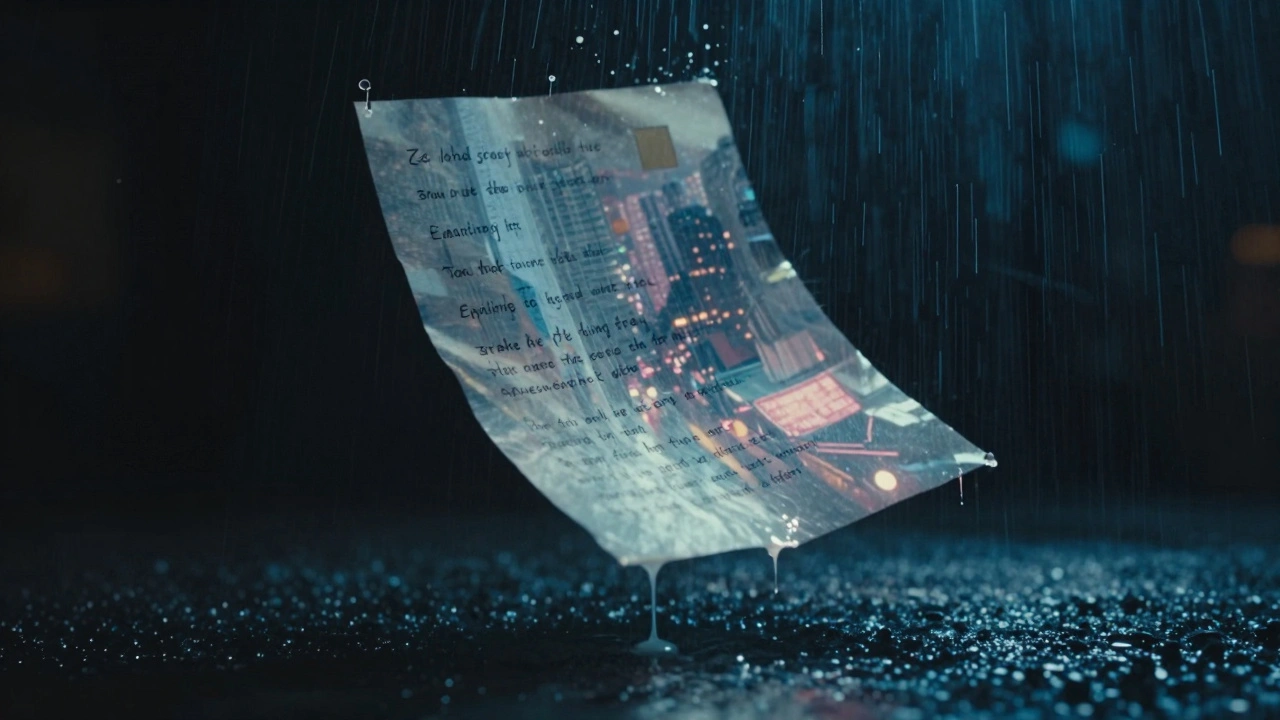
Most people think you can't film a poem. After all, poetry lives in the gaps between words, the rhythm of a breath, and the private theater of a reader's mind. Film, on the other hand, is literal. It shows us exactly where the character is standing and what color their shirt is. When you try to adapt poetry, you're not just changing the medium; you're trying to translate a feeling into a series of images. If you just put a poem on screen and have a narrator read it over a montage of slow-motion rain, you haven't adapted it-you've just made a music video.
The real challenge is that poetry often lacks a linear plot. A sonnet doesn't have a three-act structure. It doesn't have a protagonist who wants a specific goal and overcomes an obstacle to get it. To make poetry film adaptation the process of translating poetic verse or lyrical structures into a cinematic visual medium work, you have to stop looking for a story and start looking for an emotional logic. You aren't filming the words; you're filming the space the words create.
Key Takeaways for Poetic Filmmaking
- Focus on emotional resonance rather than literal translation of lines.
- Use visual metaphors to replace abstract poetic imagery.
- Let the editing rhythm mimic the poetic meter of the original text.
- Avoid over-explaining the poem through dialogue; let the images do the heavy lifting.
Breaking the Narrative Chain
In a standard movie, we follow a chain of cause and effect. Character A does this, which leads to Event B. Poetry doesn't work that way. It works through association. One image triggers another, not because they are logically linked, but because they feel the same. To adapt this, filmmakers often use Non-linear Narrativea storytelling approach where events are portrayed out of chronological order.
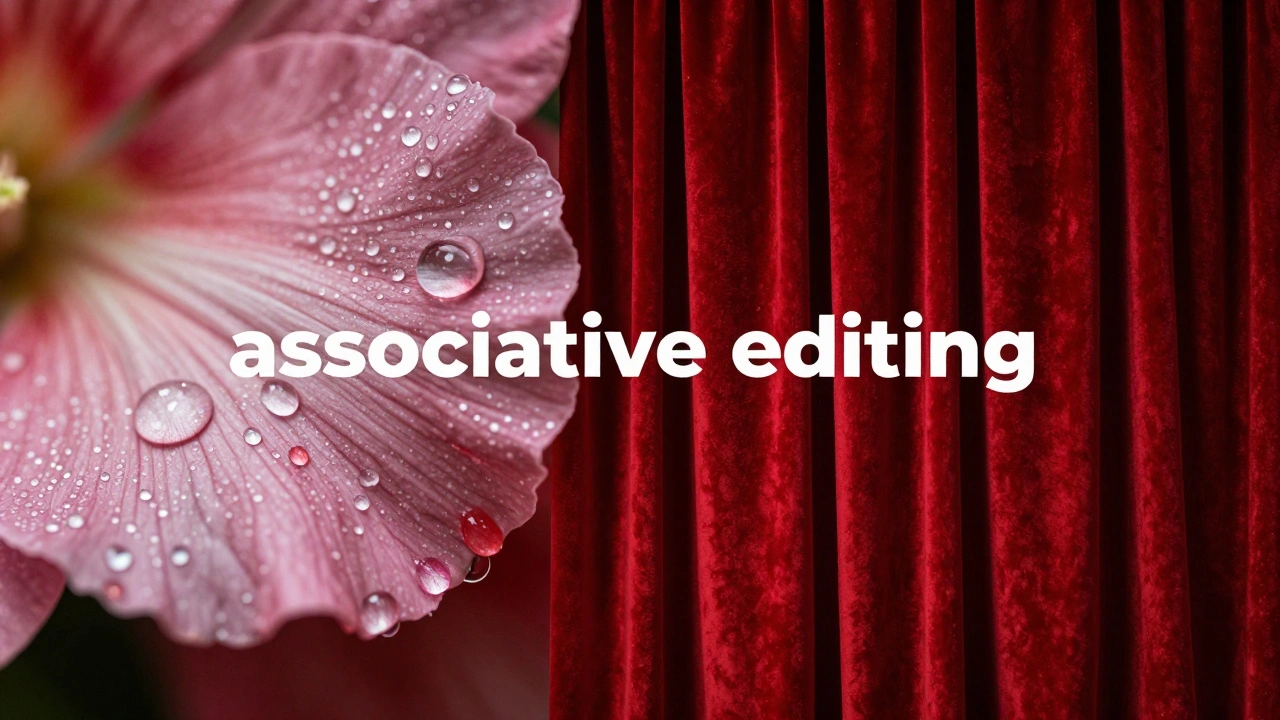
Think about how a poet might jump from a memory of a childhood garden to the feeling of cold steel. In film, you can achieve this through a match cut. You might show a close-up of a flower petal and cut instantly to a shot of a red velvet curtain. The audience doesn't need a bridge or a transition; they feel the connection instinctively. This is how you build a narrative that feels poetic-by prioritizing the "vibe" over the timeline.
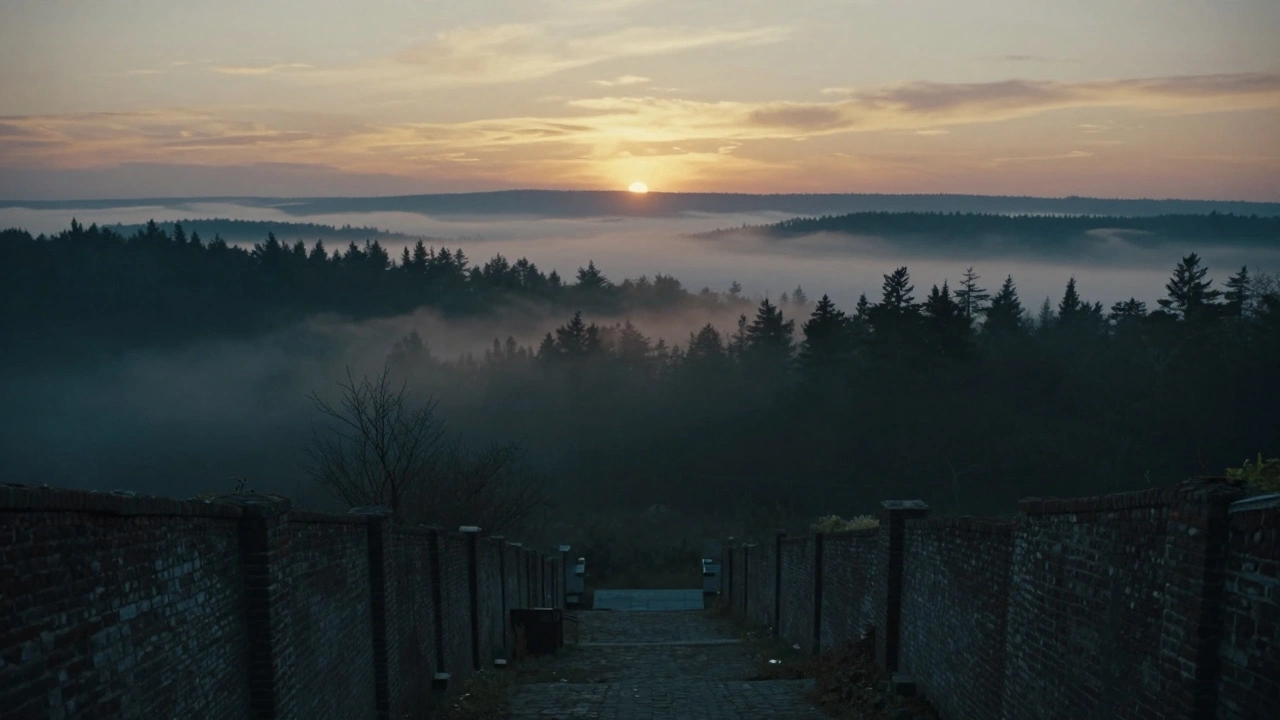
When you remove the need for a traditional plot, you open up the possibility of a mood-driven film. Instead of asking "What happens next?", the audience asks "What does this feel like?" This shift allows the filmmaker to use the environment as a character. A desolate landscape doesn't just set the scene; it becomes the physical manifestation of the poem's grief or loneliness.
Translating Metaphor into Visuals
Poetry relies heavily on metaphor-saying one thing is another to reveal a deeper truth. If a poem says "my heart is a lonely hunter," showing a literal heart and then a literal hunter is a mistake. That's too literal and usually looks silly. The goal is to find a visual equivalent that evokes the same feeling of isolation and longing.
Consider the use of Cinematographythe art of photography and camerawork in cinematography to create these metaphors. If the poem is about feeling trapped, you don't need to put the character in a cage. You can use extreme close-ups that crop out the world around them, or shoot through window frames and doorways to create a sense of confinement. This is called visual poetry.
The most effective adaptations use a technique called "associative editing." This means placing two unrelated images together to create a new meaning in the viewer's mind. For example, cutting from a shot of a ticking clock to a shot of a decaying leaf. Neither image is the "plot," but together they communicate the theme of mortality more powerfully than any line of dialogue could.
| Attribute | Literary Poetry | Cinematic Poetry |
|---|---|---|
| Primary Tool | Rhythm and Word Choice | Composition and Pacing |
| Mechanism of Meaning | Metaphor and Symbolism | Visual Association and Montage |
| Progression | Stanzas and Verses | Scenes and Cuts |
| Audience Experience | Internal Imagination | Sensory Immersion |
The Role of Sound and Silence
In a poem, the silence is just as important as the words. The white space on the page represents a pause, a breath, or a moment of reflection. In film, this translates to the Soundscapethe overall sonic environment of a film, including music, ambient noise, and silence. A common mistake is to fill every second of a poetic film with orchestral music to "tell" the audience it's emotional.
True poetic cinema uses silence as a weapon. When you cut the audio completely, you force the viewer to lean in and look closer at the image. This mimics the experience of reading a poem slowly. You can also use "diegetic sound"-sounds that exist within the world of the film-to create rhythm. The steady drip of a faucet or the wind howling through a corridor can act as the "meter" of your film, replacing the iambic pentameter of a poem.
Voiceover is another tricky tool. If the voiceover simply describes what we see on screen, it's redundant. If the voiceover contradicts the image, it's interesting. Imagine a narrator reading a poem about peace and love while the screen shows the chaos of a crowded city. This tension creates a third meaning that exists only in the gap between the sound and the sight.
Structuring the "Unstructureable"
How do you actually organize a film that has no plot? You can't just throw random pretty shots together and call it a movie. You need a structural anchor. One way to do this is through a Motifa recurring image, sound, or action that has symbolic significance in a story. A motif acts like a chorus in a song; it's a familiar point that the audience can return to.
Maybe the motif is a specific color, like a recurring flash of yellow, or a specific action, like a character constantly washing their hands. Every time this motif appears, it anchors the viewer, letting them know they are in a coherent world even if the narrative is fragmented. This gives the film a sense of intentionality and prevents it from feeling like a collection of disjointed clips.
Another strategy is to follow a "thematic arc." Instead of a plot arc where the character changes, a thematic arc is where the *idea* evolves. You start with a feeling of confusion, move toward a feeling of confrontation, and end with a feeling of acceptance. The images you choose should mirror this emotional progression, moving from tight, claustrophobic shots to wide, open vistas as the theme unfolds.
Common Pitfalls to Avoid
The biggest trap is the "illustrated poem." This is when a filmmaker treats the poem like a script for a commercial. If the poem says "The red rose wilted in the sun," and the filmmaker shows a time-lapse of a red rose wilting, they've failed. They've just illustrated the text. The goal is to find an image that *feels* like a wilting rose without necessarily being one.
Another mistake is over-reliance on slow motion. While slow motion can evoke a dreamlike quality, using it for the entire film makes it feel sluggish and pretentious. To keep the audience engaged, you need contrast. Pair a slow, lingering shot with a series of rapid-fire cuts. This creates a visual heartbeat and prevents the film from becoming static.
Finally, beware of the "meaning vacuum." Just because a film is poetic doesn't mean it shouldn't mean anything. Even the most abstract works should have a core human truth at their center. If you can't explain the core emotion of your film in one sentence, you're probably just playing with aesthetics instead of storytelling.
What is the difference between a poetic film and a standard narrative film?
A standard narrative film focuses on plot, causality, and character arcs to drive the story forward. A poetic film prioritizes atmosphere, emotion, and visual associations over a linear sequence of events. It functions more like music or a painting, where the goal is to evoke a feeling rather than resolve a conflict.
Can a poem be adapted into a full-length feature film?
Yes, but it rarely involves a literal adaptation of the text. Usually, the filmmaker expands the themes, imagery, and mood of the poem into a larger world. The poem might serve as the thematic backbone or a recurring narrative voice, while a more flexible story is built around it to sustain a longer runtime.
How do I choose the right images for a poem?
Don't look at the nouns in the poem; look at the adjectives and the verbs. If a poem describes a "sharp" wind, don't just film wind-film things that are sharp, jagged, or cutting. Look for visual parallels that mirror the emotional weight of the words rather than the literal objects mentioned.
Is voiceover always necessary in poetry films?
Absolutely not. In many cases, the most powerful poetic films are entirely silent or use only ambient sound. When you remove the words, you allow the viewer to project their own meaning onto the images, which is exactly what happens when someone reads a poem in private.
What is associative editing?
Associative editing is the practice of cutting between two images that aren't logically connected by plot but are connected by a shared emotion, shape, or theme. This mimics the way a poet uses metaphors to jump between disparate ideas to create a new, singular meaning.
Next Steps for Aspiring Visual Poets
If you're looking to try this yourself, start small. Pick a single stanza from a poem you love and try to capture its essence in a 30-second clip without using any of the words from the poem. Focus on texture, light, and sound. Experiment with different frame rates to see how the speed of the image changes the emotion.
For those who want to go deeper, study the works of filmmakers like Andrei Tarkovsky or Terrence Malick. They don't always adapt specific poems, but their entire approach to cinema is poetic. Notice how they use long takes to let the viewer breathe and how they weave nature and memory together into a tapestry that feels more like a lyric poem than a traditional movie.



Comments(6)