Most people think of movies as something you stream on a screen or watch in a theater. But for artist-made films - the kind that blur the line between visual art and cinema - that’s not where they live. These films aren’t made to go viral or earn box office numbers. They’re made to be experienced in a space where silence matters as much as movement, where the walls around you are part of the story. And that’s why gallery distribution has become the most honest way to show them.
What Makes an Artist-Made Film Different?
An artist-made film isn’t just a short film shot by a painter or a video piece by a sculptor. It’s work that comes from a visual art mindset. The pacing is slow, the narrative is ambiguous, and the sound design might feel like a sculpture you walk around. These films often don’t have traditional plots. Instead, they build moods, explore time, or question how we see.
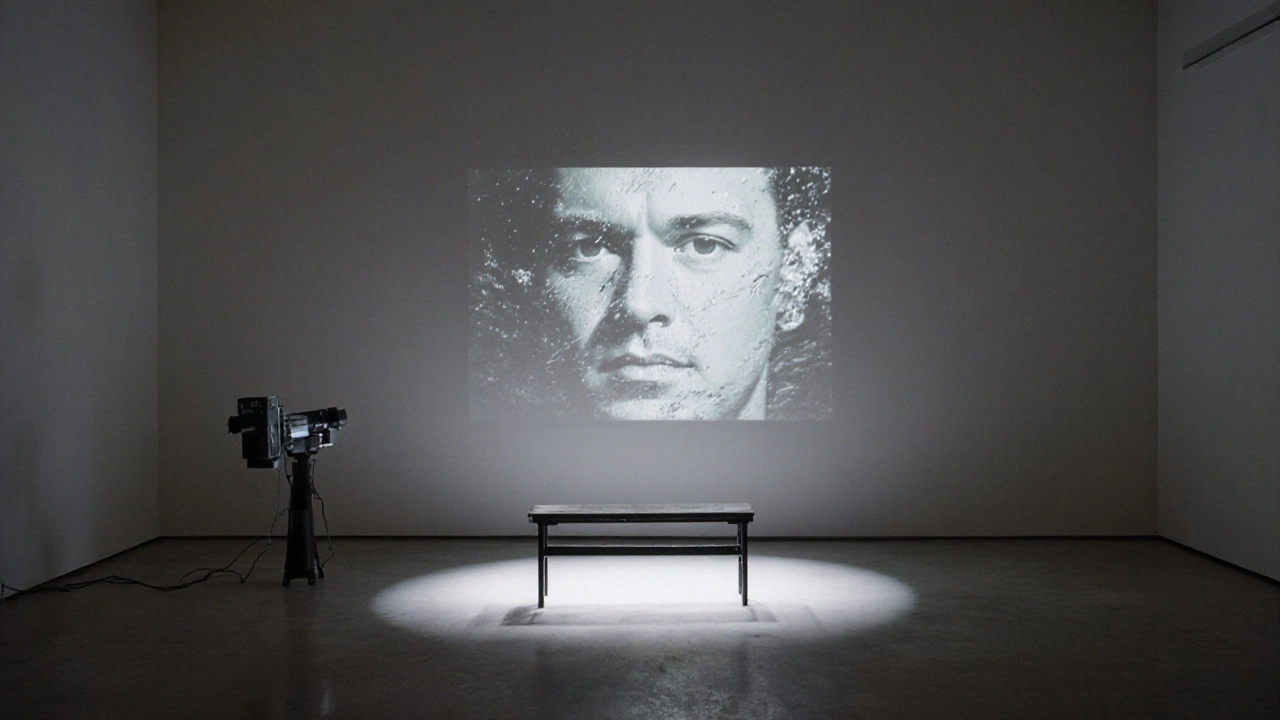
Think of Bill Viola’s The Greeting, where a woman’s face slowly transforms over ten minutes as she reacts to an unseen presence. Or Tacita Dean’s Film, a 108-minute black-and-white silent film shot on 16mm - a deliberate act of resistance against digital dominance. These aren’t meant for Netflix. They’re meant for a white-walled room with a single projector, where you sit on a bench and let the image sink in.
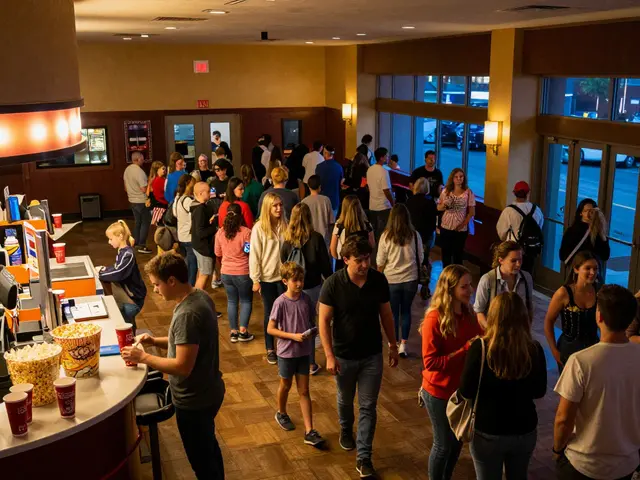
When you watch a film in a gallery, you’re not part of an audience. You’re part of an encounter. You arrive when you want. You leave when you’re done. There’s no start time, no credits, no popcorn. That freedom changes everything.
How Gallery Distribution Works
Gallery distribution isn’t a system. It’s a set of practices shaped by museums, biennials, and private art spaces. Here’s how it actually works in 2025:
- Looped screenings: Films run on continuous loops, often for weeks or months. You walk in, watch for five minutes or fifty - it doesn’t matter. The work exists in time, not in a sequence.
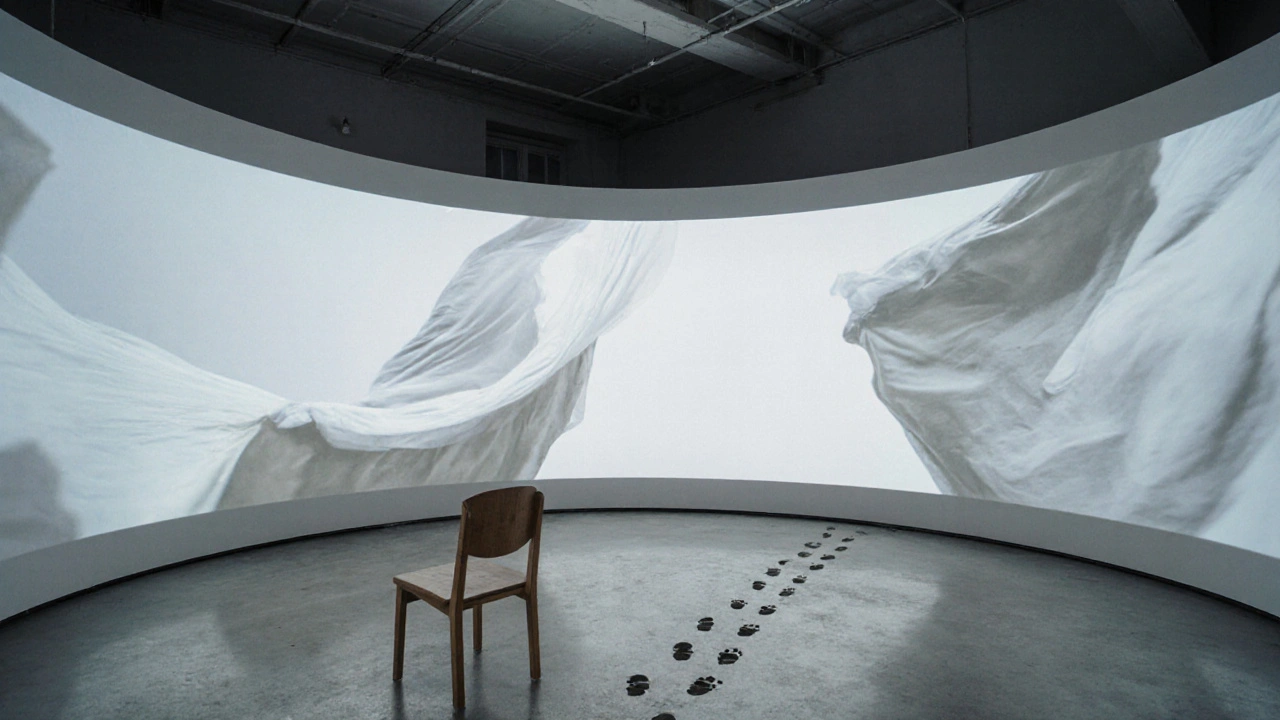
- Site-specific presentation: The projector, screen, and seating are chosen to match the artwork’s tone. A film about isolation might be shown in a small, dark room with a single chair. One about movement might be projected onto a curved wall in a high-ceilinged hall.
- No ticketing: Access is usually included with museum admission. Some galleries offer free entry during certain hours to encourage casual viewing.
- No marketing push: You won’t see ads. Promotions are quiet: a postcard in the museum shop, a listing in the exhibition catalog, a mention in an art magazine.
Unlike commercial distribution, which relies on algorithms and click-through rates, gallery distribution depends on curation. A curator picks a film because it fits a theme - maybe "The Body in Motion," or "Echoes of the Archive." The film’s value comes from its context, not its reach.
Why Artists Choose Galleries Over Film Festivals
Many artist-filmmakers are invited to Sundance, Cannes, or Berlinale. But too often, their work gets lost in the noise. A 12-minute experimental film screening at 8 a.m. after a 3-hour lineup? It’s easy to miss. The audience is there for narrative features. They’re tired. They’re checking their phones.
In a gallery, the same film might be shown for six weeks. People come back. They watch it twice. They bring friends. They sit with it. The work isn’t competing. It’s being held.
There’s also money - or the lack of it. Film festivals rarely pay screening fees. Galleries, especially major institutions like MoMA, Tate Modern, or the Centre Pompidou, often do. Some pay up to $10,000 for a three-month exhibition. That’s not a profit, but it’s enough to cover the cost of transferring a 16mm print or hiring a technician to calibrate the projector.
And then there’s legacy. A film shown in a gallery becomes part of a permanent collection. It’s cataloged. It’s preserved. It’s studied. A film screened at a festival might vanish into a digital archive, forgotten after the credits roll.
Challenges of Gallery Distribution
It’s not perfect. Gallery distribution has limits.
Reach is tiny. A film shown in a gallery might be seen by 5,000 people over six months. A viral TikTok clip gets millions in a day. For artists who want to be heard beyond the art world, this can feel isolating.
Funding is unstable. Galleries rely on grants and donors. If a museum’s budget shrinks, the film program is often the first to go. Artist films rarely have sponsors. They’re not commodities. They’re experiments.
Technical barriers. Not every gallery has a 4K projector. Some still use 16mm. If your film was made in 8K HDR, but the space only has a 1080p projector from 2012, you have to adapt. That’s part of the process - but it’s frustrating.
And then there’s the audience. Not everyone understands it. People walk in, look at the screen for ten seconds, and say, "Is that it?" They’re used to stories with beginnings, middles, and ends. Artist films often refuse those rules.
Who Is This For? The Real Audience
Gallery distribution doesn’t aim for mass appeal. It’s for people who seek quiet. For students of visual culture. For curators who track how artists use time. For collectors who buy film as an object - not just a file.
It’s also for artists who refuse to compromise. Who won’t cut their film to fit a 90-minute slot. Who don’t want to add voiceover just because someone said, "It’s hard to follow."
The audience here is small, but it’s deep. They come back. They write about it. They teach it. They argue about it. They remember it.
One artist, Lila Chen, told me her film Still Life in Motion was shown in five galleries over two years. It was seen by about 18,000 people total. But 120 of them sent her handwritten letters. One wrote: "I watched it three times. I didn’t understand it, but I felt it. That’s rare." That’s the kind of connection gallery distribution makes possible.
The Future: Hybrid Models
Some artists are now blending gallery and digital distribution. They show their film in a museum for three months, then release a high-res version online - but only to subscribers, or as a limited-edition download with an artist’s statement and behind-the-scenes notes.
Others work with platforms like Artforum or Video Data Bank, which archive artist films and offer them for institutional licensing - universities, libraries, non-profits. These aren’t commercial sales. They’re educational. They keep the work alive.
There’s also a growing trend of artist-run screening spaces. In Berlin, a collective called Projector 7 rents out a small room in a former print shop and shows one artist film per week. No ads. No tickets. Just an open door and a chair. They don’t make money. But they’ve built a loyal following.
The future isn’t about choosing between galleries and streaming. It’s about using both - but never letting the market dictate the form.
What Artists Should Know Before Choosing This Path
If you’re making artist films and considering gallery distribution, here’s what you need to know:
- Make it for the space. Think about how the film will look on a white wall, in low light, with no surround sound. Design for that.
- Prepare multiple versions. Have a 4K digital file, a 16mm print, and a low-res web version. Galleries need options.
- Don’t expect sales. You won’t make money from tickets. But you might get a fee for exhibition, or a commission for a new piece.
- Build relationships with curators. Go to gallery openings. Talk to them. Send them your work - but only if it’s finished. Don’t spam.
- Document the experience. Take photos of the installation. Record how people interact with it. That becomes part of your archive - and your future grant applications.
This isn’t a shortcut to fame. It’s a slow, quiet way to build a lasting body of work.
Where to Start
Here are five places where artist films are regularly shown in 2025:
- Tate Modern (London) - Their Tanks space hosts rotating artist film programs.
- MoMA (New York) - Their Film and Media department acquires and screens experimental works.
- Centre Pompidou (Paris) - Their Cinéma section has one of the largest collections of artist films in Europe.
- Los Angeles County Museum of Art (LACMA) - Their Art + Technology Lab often includes film installations.
- Whitney Biennial - Every two years, it’s one of the most important platforms for emerging artist-filmmakers in the U.S.
Apply to their open calls. Submit your work. Be patient. It takes time. But if your film belongs in a gallery, it will find its way there.
Can artist-made films be sold like traditional movies?
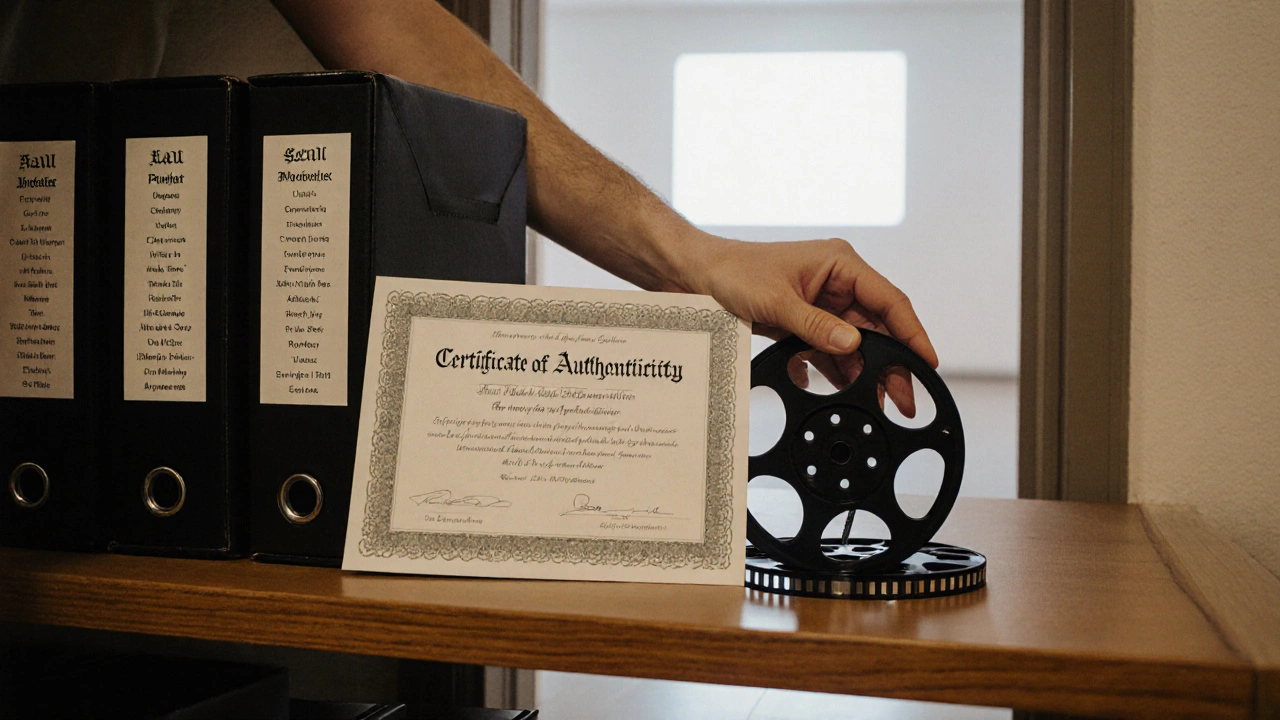
No, not in the traditional sense. Artist films aren’t licensed to streaming services or theaters for commercial release. They’re often sold as limited-edition video art pieces - usually one to five copies - to museums or private collectors. Each copy comes with a certificate of authenticity and installation instructions. Prices range from $5,000 to $50,000, depending on the artist’s reputation and the work’s complexity.
Do galleries pay artists to show their films?
Yes, many do - especially major institutions. Exhibition fees typically range from $2,000 to $15,000, depending on the length of the show and the artist’s profile. Some also cover shipping, installation, and technical support. Smaller galleries may not pay, but they often offer exposure and access to their network.
Is gallery distribution only for established artists?
No. While big museums often show well-known names, many smaller galleries and artist-run spaces actively seek new voices. Biennials, open calls, and university partnerships are great entry points. The key is not fame - it’s clarity of vision. If your film has a strong concept and is technically well-made, it can find a home.
How do I get my film into a museum collection?
First, get it shown in a reputable exhibition. Then, send a proposal to the museum’s Film and Media department. Include a high-res file, installation specs, and a short statement about the work’s significance. If they’re interested, they’ll contact you about acquisition. Some museums also have acquisition funds specifically for time-based media.
Can I release my artist film on YouTube or Vimeo?
You can - but it changes the work. A gallery film is designed for a controlled environment. On YouTube, it becomes a video among millions. Some artists release low-res versions online as a preview, with a note that the full experience is only in person. Others choose not to share it digitally at all, to preserve the integrity of the gallery experience.