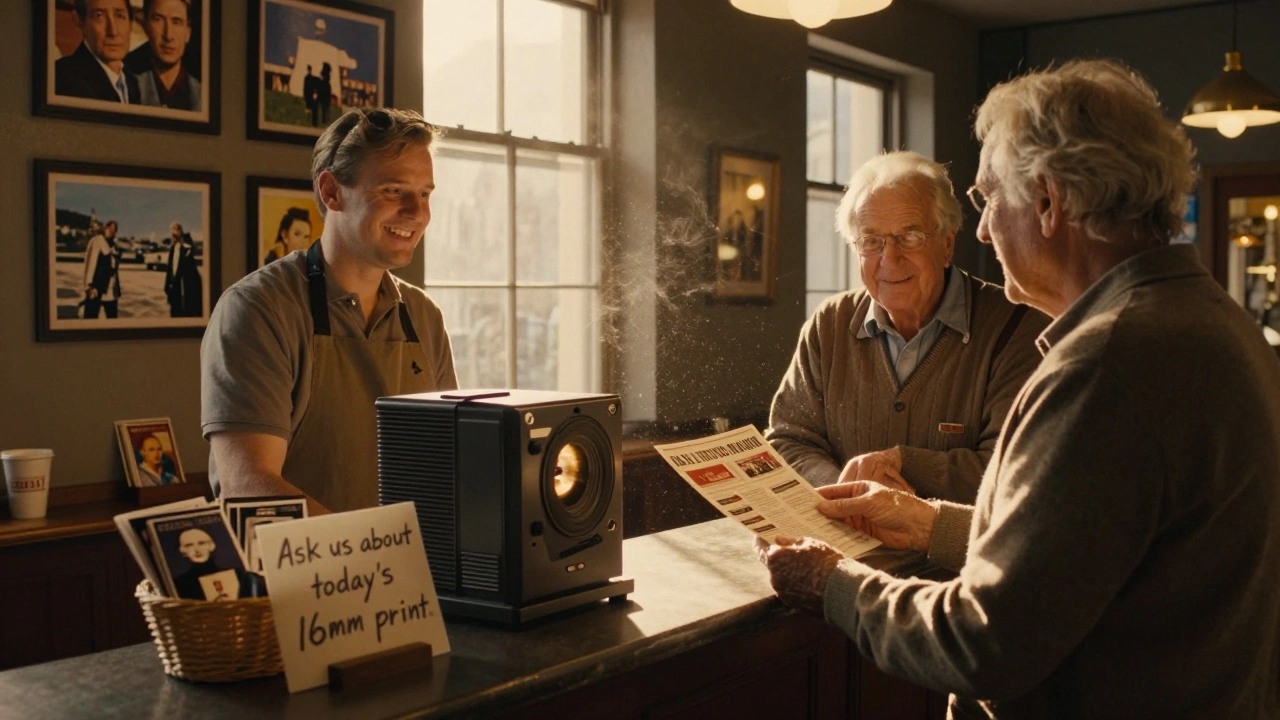
Art-house cinemas aren’t just showing films-they’re offering experiences. A well-trained volunteer handing you a program with a smile, a staff member who remembers your name and asks if you liked the last indie documentary, or a projectionist who fixes a flickering reel before the lights go down-these moments matter more than you think. In 2025, art-house film attendance in the U.S. is climbing again, but not because of new releases alone. It’s because audiences are choosing theaters where they feel seen, respected, and cared for.
Service Quality Isn’t a Bonus-It’s the Main Feature
People don’t go to an art-house theater just to watch a foreign film or a restored 1970s experimental piece. They go because they want to feel part of something deeper. That feeling doesn’t come from the screen. It comes from the people behind it.
A 2024 survey by the National Association of Independent Cinemas found that 73% of regular art-house attendees said they chose one theater over another because of staff friendliness. Only 28% cited film selection as the deciding factor. That’s not a typo. People are voting with their tickets-not for the most obscure titles, but for the most welcoming environments.
Think about it: if you walk into a theater and the ticket taker barely looks up, the concession stand is out of popcorn, and no one knows when the next screening starts, you’re not going to come back-even if they’re showing a newly restored Kiarostami film. But if someone asks if it’s your first time seeing a film by Agnès Varda and recommends a related documentary in the archive, you’ll remember that. You’ll tell a friend. You’ll buy a membership.
Training Volunteers Like You Train Projectionists
Most art-house theaters rely heavily on volunteers. They run the box office, usher guests, manage the lobby, and sometimes even host Q&As. But too often, volunteers get a 15-minute orientation and a name tag. That’s not training. That’s luck.
Effective volunteer training includes three things: knowledge, empathy, and consistency.
- Knowledge: Volunteers should know the difference between a 35mm print and a digital DCP. They should understand why a film is being shown in its original language with subtitles. They should be able to explain the significance of a restoration project-like how the 2023 re-release of La Jetée used original negatives from the Cinémathèque Française.
- Empathy: Not everyone knows what an art-house film is. Some people show up because their partner dragged them. Others are film students. Volunteers need to meet people where they are. That means no jargon. No eye-rolls. Just clear, warm explanations.
- Consistency: If one volunteer tells you the theater serves organic popcorn and another says it’s just regular, you lose trust. Training creates standards. A simple 20-page handbook with FAQs, film blurbs, and response scripts makes a huge difference.
The Film Society of Asheville started a monthly training series in 2023. Volunteers watched three films, attended a Q&A with a local film historian, and practiced greeting guests with scripted phrases like, “This is a rare 16mm print-we don’t show it often.” Attendance from new visitors increased by 41% in six months. Repeat visits jumped 68%.
Staff Training Should Include Emotional Labor
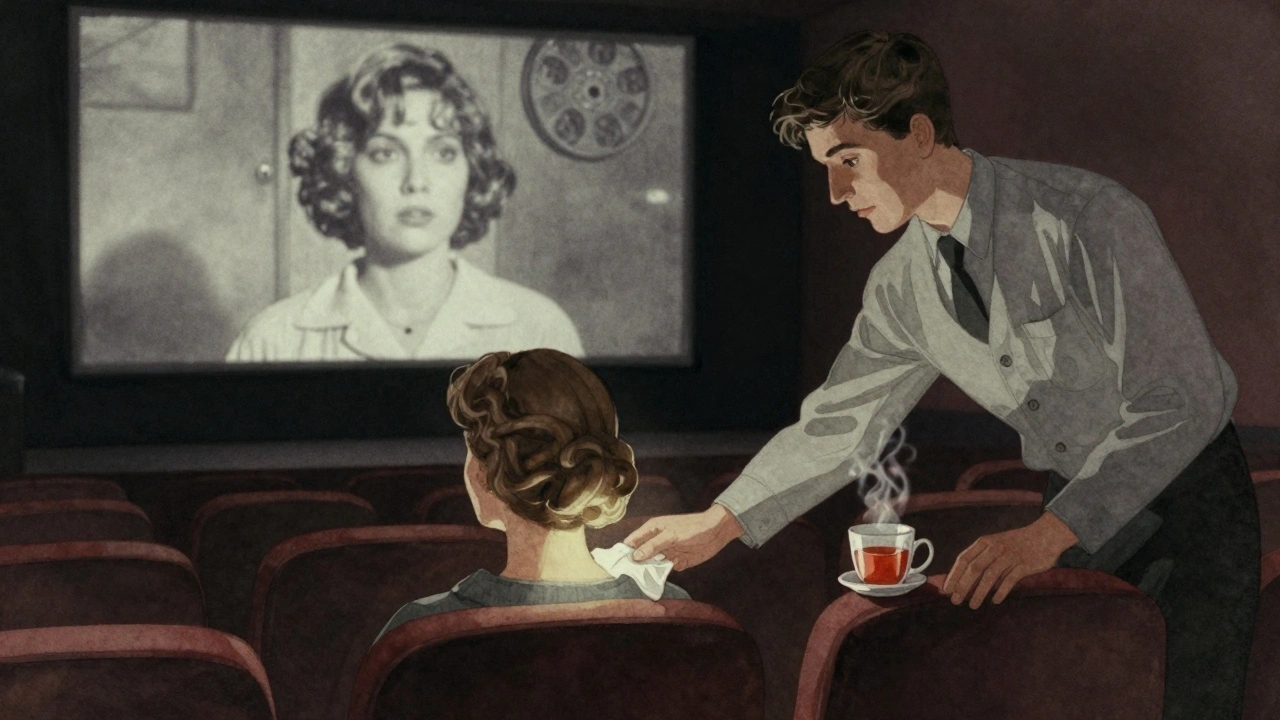
Staff at art-house theaters aren’t just employees. They’re cultural ambassadors. They’re the ones who hold space for audiences after a heavy film. Someone might leave a screening of The Spirit of the Beehive in silence, eyes wet. A well-trained usher doesn’t rush them out. They quietly offer a tissue, a cup of tea, or just a nod. That’s not in the job description-but it’s what keeps people coming back.
Professional staff need training in emotional intelligence, not just ticketing software. That means:
- Recognizing signs of discomfort or overwhelm in patrons
- Knowing when to speak and when to stay quiet
- Understanding cultural context: a film about Syrian refugees might require a different tone than a surrealist French comedy
- Handling difficult questions without defensiveness (“Why is this so slow?” “Is this even a movie?”)
The IFC Center in New York trains all new hires in “cinema hospitality.” They role-play scenarios like dealing with a patron who complains a film is “too boring.” The training doesn’t teach them to argue. It teaches them to say, “I get that. Some people need a few viewings to let it sink in. Would you like to borrow our reading list on the director’s other work?”
Small Actions, Big Impact
Service quality isn’t about fancy decor or expensive espresso machines. It’s about the little things that add up:
- Putting a printed schedule on the counter instead of just a digital screen
- Having a basket of free postcards with film stills for people to take
- Asking if you’d like a program before you buy a ticket
- Not forcing people to sit in the front row because it’s the only seat left
- Calling out the name of the director before the lights dim
These aren’t luxuries. They’re signals. They say: “This place values you. You’re not just a customer. You’re part of the story.”
A 2025 study from the University of Oregon tracked 1,200 first-time visitors to 12 independent theaters. Those who reported “high service quality” were 3.7 times more likely to return within three months. Those who reported “poor service,” even if they loved the film, never came back.
Why This Matters for Film Preservation
Art-house theaters are the last line of defense for non-commercial cinema. Without audiences, these films disappear. Without trained staff, audiences don’t come.
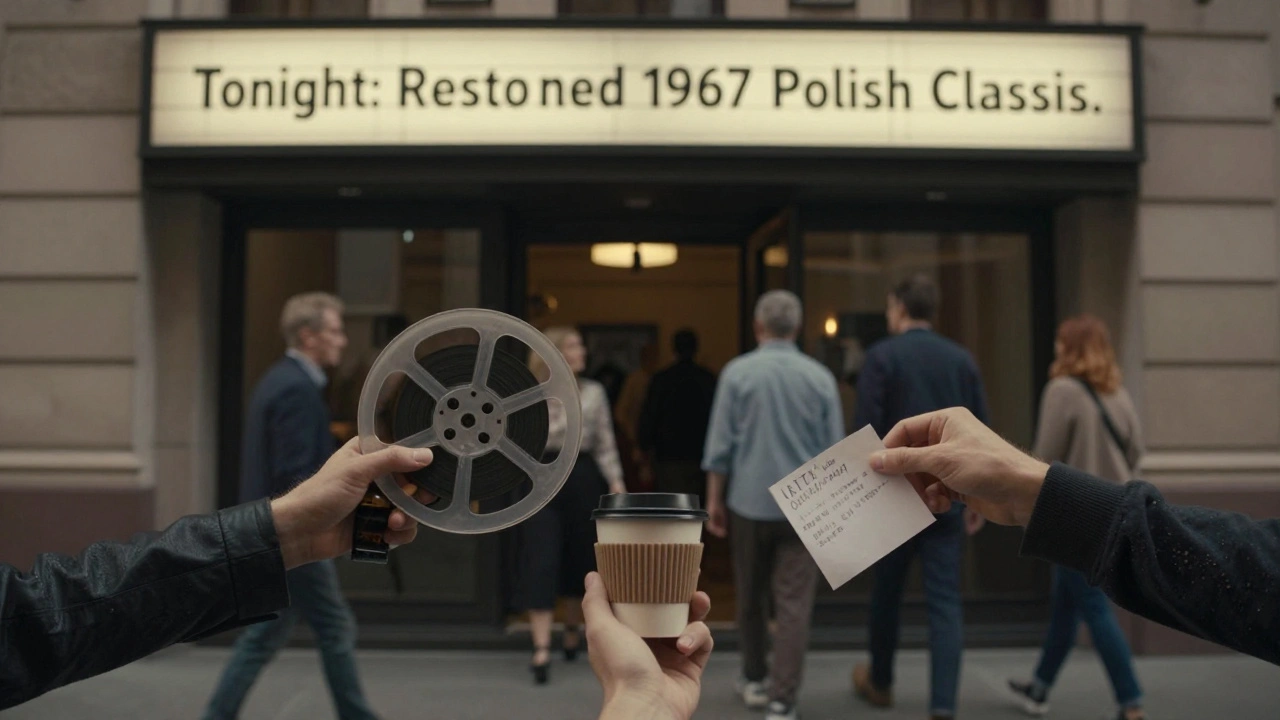
Preservation isn’t just about storing film reels in climate-controlled vaults. It’s about keeping the culture alive. A 1967 Polish film won’t survive if no one knows how to talk about it. A 1980s Iranian documentary won’t find new viewers if the person at the door doesn’t know who Mohsen Makhmalbaf is.
Training your team means you’re not just showing films-you’re curating understanding. You’re turning passive viewers into engaged participants. And that’s how art-house cinema survives.
What Works in Real Theaters
Here are three real examples of theaters that turned training into ticket sales:
- The Trylon, Minneapolis: Every volunteer must watch five films from their archive before working the box office. They write a short reflection on each. Attendance rose 50% in a year.
- The Roxie, San Francisco: Staff get paid to attend local film festivals. They bring back notes and share them with the team. Their Q&As now draw crowds larger than the screenings themselves.
- The Coolidge Corner, Boston: They have a “Film Ambassador” program. Volunteers who complete 20 hours of training get to pick one film each month to program. Engagement soared. Membership doubled.
These aren’t outliers. They’re proof that when you invest in people, you invest in cinema.
Where to Start
If your theater relies on volunteers or has undertrained staff, here’s a simple plan:
- Start with a 90-minute orientation: Show three short films (one classic, one contemporary, one experimental). Talk about why they matter.
- Create a one-page cheat sheet: List the top 10 questions guests ask-and how to answer them simply.
- Pair new volunteers with experienced ones for their first shift. Mentorship matters more than manuals.
- Hold a monthly “Film & Feelings” circle: Open floor for staff and volunteers to share how a film made them feel. No analysis. Just emotion.
- Track attendance before and after training. You’ll see the difference.
You don’t need a big budget. You just need to care enough to teach.
Do volunteers really affect film attendance?
Yes. A 2024 survey of 1,800 art-house patrons found that 73% chose a theater based on staff friendliness, not film selection. Volunteers who are trained, engaged, and warm create a sense of belonging that keeps people coming back-even when the films are challenging.
What if we can’t afford formal training programs?
You don’t need money-you need time. Start small. Have staff watch one film together each week and talk about it. Create a simple guide with answers to common questions. Pair new volunteers with veterans. These low-cost steps build culture faster than expensive seminars.
Can staff training help attract younger audiences?
Absolutely. Younger viewers don’t want to feel talked down to. They want to feel welcomed into a community. A staff member who says, “This film broke rules in 1972-let me tell you why,” speaks their language better than any TikTok ad. Training helps staff connect, not just sell tickets.
How do we measure if training is working?
Track repeat visits, membership sign-ups, and customer feedback. Ask new attendees: “What made you decide to come here?” If more people mention the staff, you’re on the right track. Also, watch for fewer complaints about “cold service” or “no one knew anything.”
Is this only for small theaters?
No. Even large institutions like the Criterion Collection and the BFI Southbank train their front-line staff in film context and guest engagement. Size doesn’t matter-culture does. A big theater with poorly trained staff will lose audiences faster than a small one with passionate, informed volunteers.
Final Thought: The Real Film Is the People
The film on the screen is important. But the real art-the thing that keeps art-house cinema alive-is the human connection. When a volunteer remembers your name, when a staff member slips you a note about where to find the director’s early work, when someone stays after the credits to answer your question-that’s the film you’ll never forget.
Train your people. Value their presence. And the films will find their audience-not because they’re obscure, but because you made them feel like they belong.





Comments(10)