Archive: 2026/02 - Page 9

Joel Chanca - 5 Feb, 2026

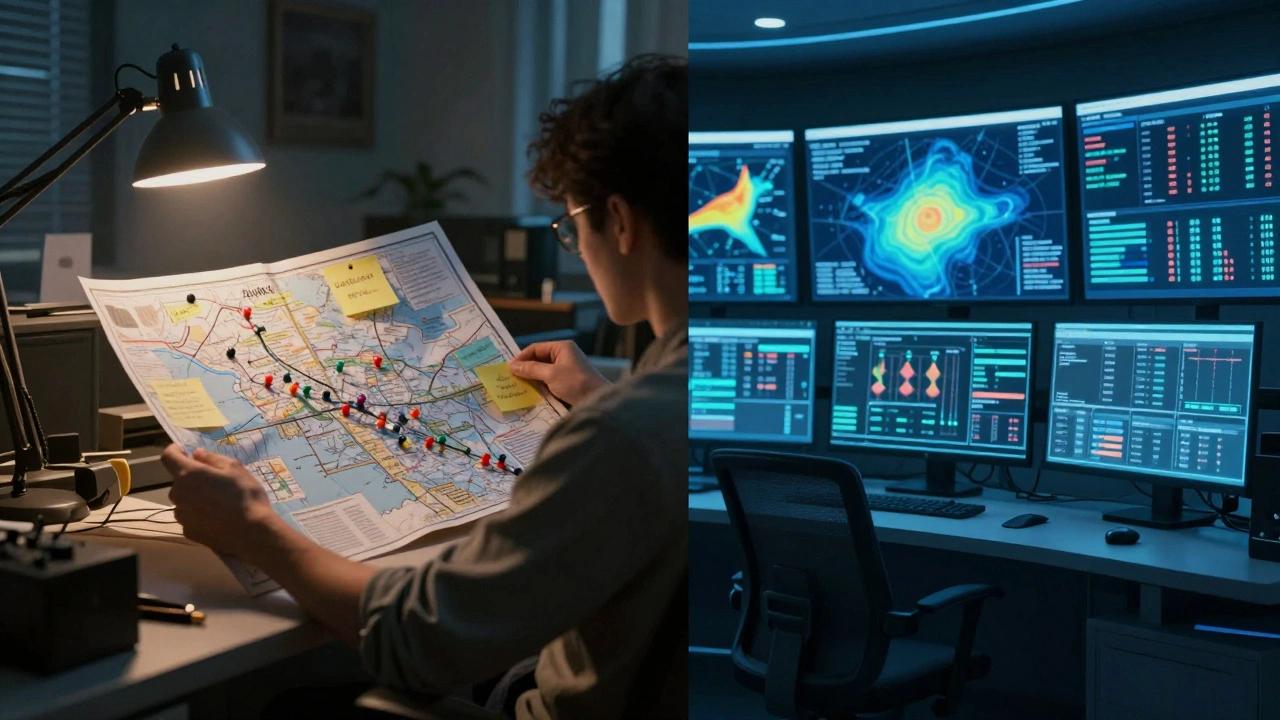
Spy Thrillers: How Tradecraft Builds Tension in Modern Cinema

Modern spy thrillers focus on psychological tension and realistic tradecraft over flashy gadgets. Films like 'Tinker Tailor Soldier Spy' and 'The Night Manager' use subtle techniques to create suspense, while cyber espionage adds new layers to the genre. Understanding these elements reveals why audiences find these stories so compelling.
Joel Chanca - 5 Feb, 2026

Data-Driven Film Distribution: How Predictive Models Match Films to the Right Theaters

Data-driven booking uses predictive models to match films with theaters based on audience data, historical performance, and regional preferences. This approach reduces misbooking risks and boosts ticket sales. Studios analyze demographics, competition, and real-time trends to optimize releases. Learn how this method transforms film distribution strategies.

Joel Chanca - 4 Feb, 2026

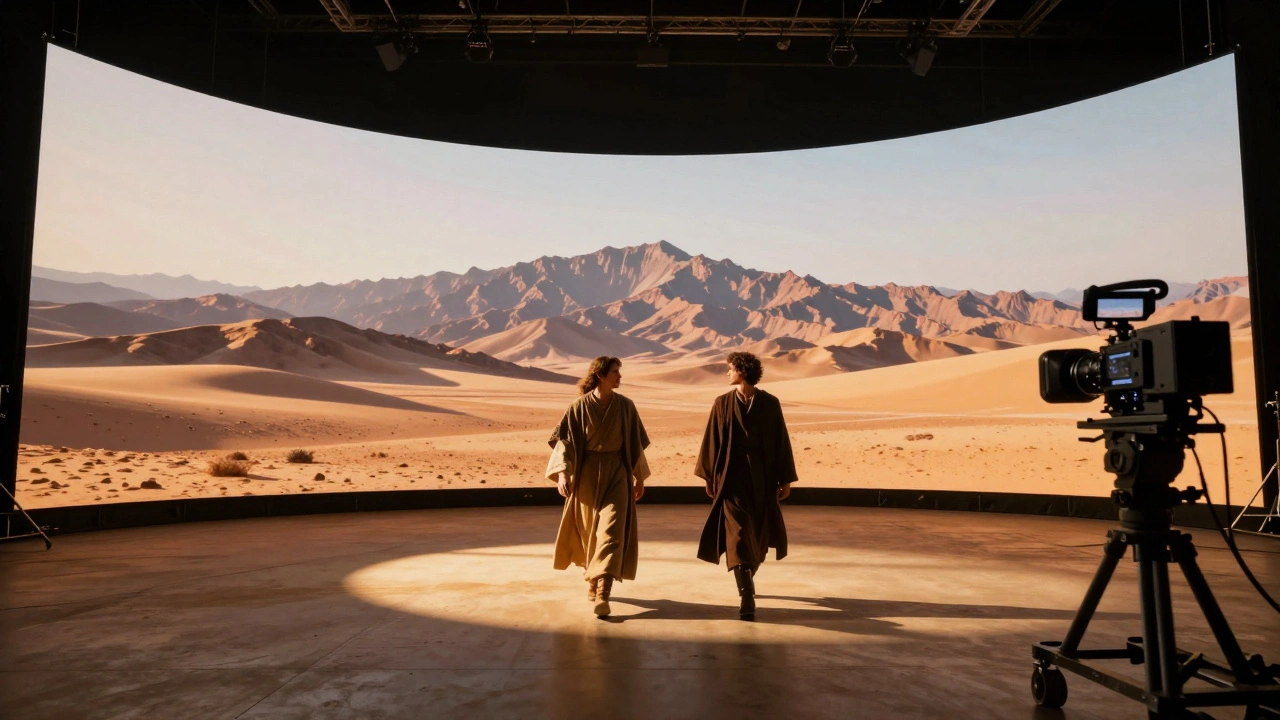
Virtual Production: How LED Walls and Unreal Engine Are Changing Film Production

Virtual production uses LED walls and real-time rendering to create digital sets on set, cutting costs and speeding up filming. Learn how this tech works, real-world examples, and why it's becoming essential for filmmakers.

Joel Chanca - 4 Feb, 2026

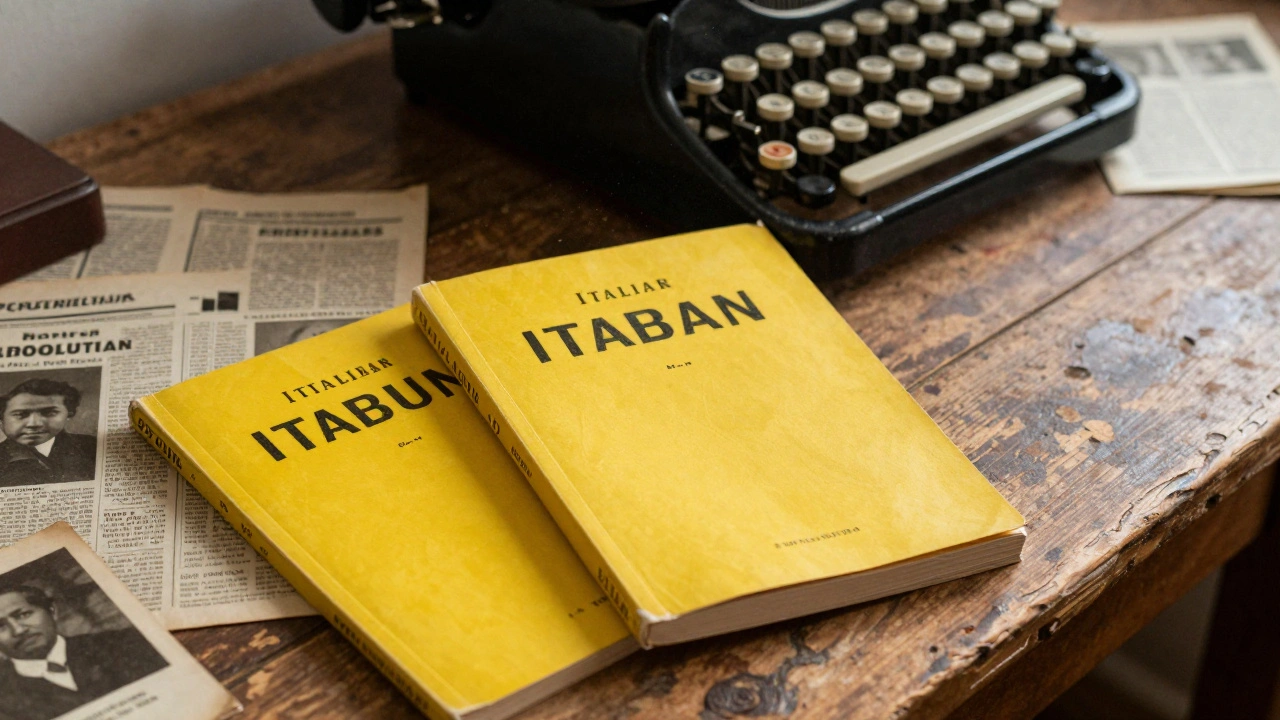
Giallo Films: The Definitive Guide to Italian Horror Thriller Tradition

Giallo films blend mystery, stylish violence, and vivid colors rooted in Italian pulp novels. Originating from yellow-covered crime books, they pioneered black-gloved killers and psychedelic soundtracks. These films directly influenced slashers like Halloween and psychological thrillers. Discover their history, key directors, and lasting impact on cinema today.

Joel Chanca - 4 Feb, 2026

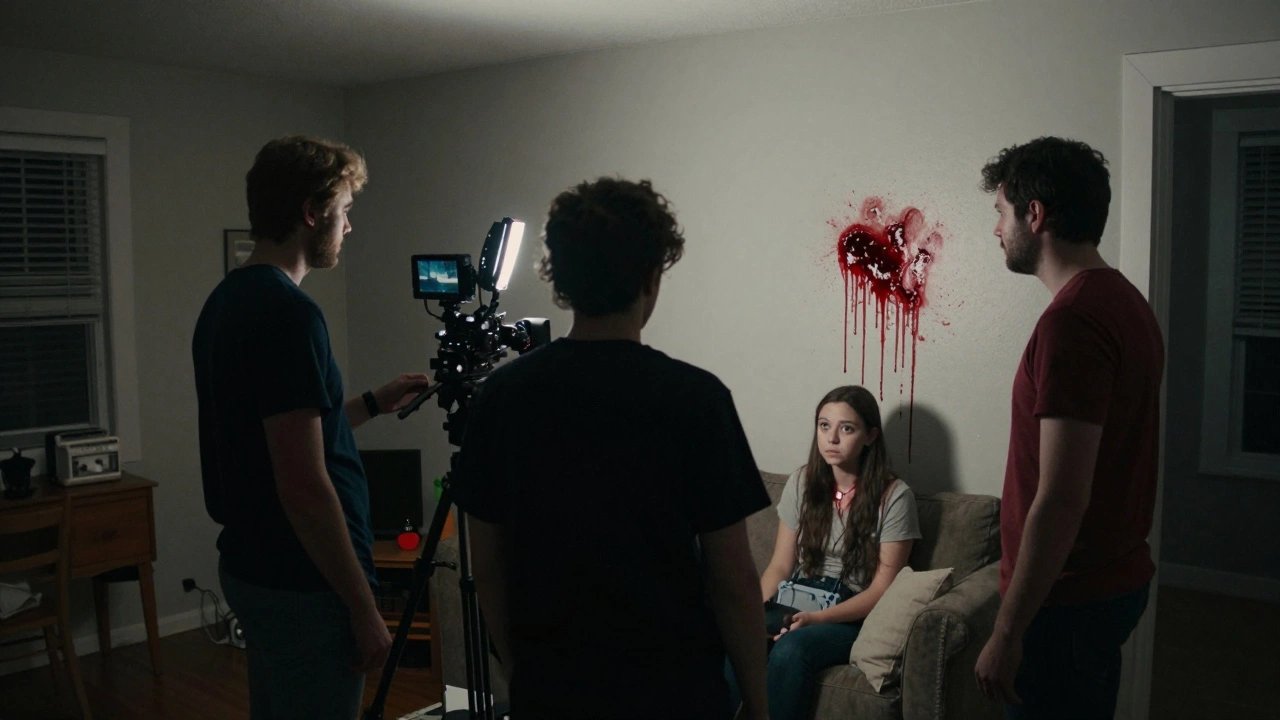
Low Budget Horror Films: Why They Generate High Box Office Returns

Discover why horror films consistently deliver high returns on low budgets. Learn about real examples, marketing strategies, and the economic secrets behind the genre's profitability.

Joel Chanca - 4 Feb, 2026

E&O Insurance for Filmmakers: Protect Your Film from Copyright Claims

Errors and Omissions Insurance protects filmmakers from legal issues like copyright infringement and defamation. This guide explains why it's essential, what it covers, and how to get it. Learn common mistakes to avoid and a quick checklist for securing coverage. Get the facts before your next project hits the screen.

Joel Chanca - 4 Feb, 2026

How Ticket Prices Affect Family Movie Attendance: Pricing Elasticity Explained

Explains how ticket prices impact family movie attendance using real data and examples. Covers elasticity concepts, pricing strategies, and factors like streaming competition. Helps theater owners set optimal prices for family films.

Joel Chanca - 3 Feb, 2026

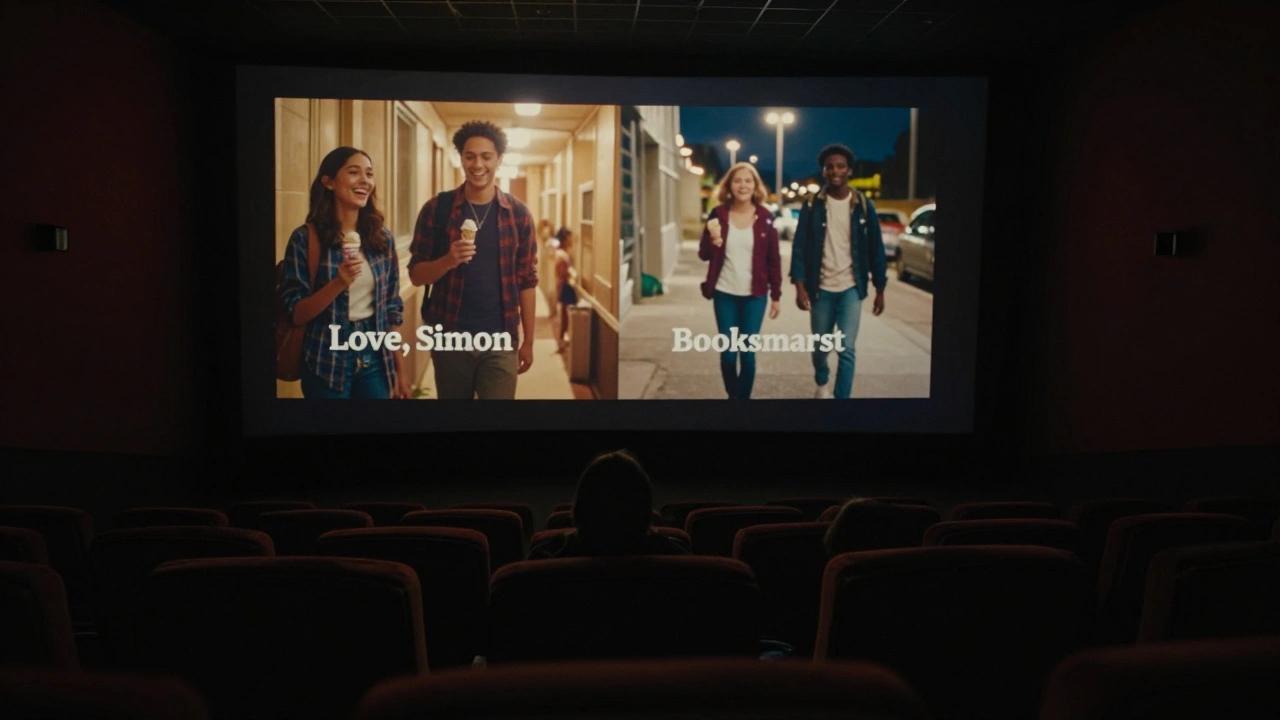
How Critics Discuss Queer Cinema Without Stereotypes

Critics are reshaping how queer cinema is understood by rejecting harmful tropes, centering authentic voices, and celebrating queer joy as a form of resistance-not tragedy.

Joel Chanca - 3 Feb, 2026

War Films: Realism vs Spectacle in Modern Cinema

Modern war films split between gritty realism and cinematic spectacle. From The Hurt Locker to Dunkirk, how these movies portray combat shapes how we remember war-and who we think the real heroes are.

Joel Chanca - 3 Feb, 2026

How Streaming Exclusives Qualify for Film Awards

Streaming exclusives can now win major film awards - but only if they meet specific theatrical screening rules. Learn how Netflix, Apple, and Amazon qualify their films for Oscars and other awards - and why theaters still matter.

Joel Chanca - 3 Feb, 2026

Stage-to-Screen Casting: How Theater Actors Make the Leap to Movies

Theater actors transitioning to film face a steep learning curve. This guide breaks down the key differences between stage and screen acting, what casting directors look for, and how actors can adapt their craft to succeed in movies.

Joel Chanca - 2 Feb, 2026

Color Contrast in Films: How Warm and Cool Tones Shape Emotion and Story

Color contrast in films isn't just visual style-it's emotional storytelling. Warm tones create intimacy and passion; cool tones build tension and isolation. Learn how filmmakers use color to shape how you feel.