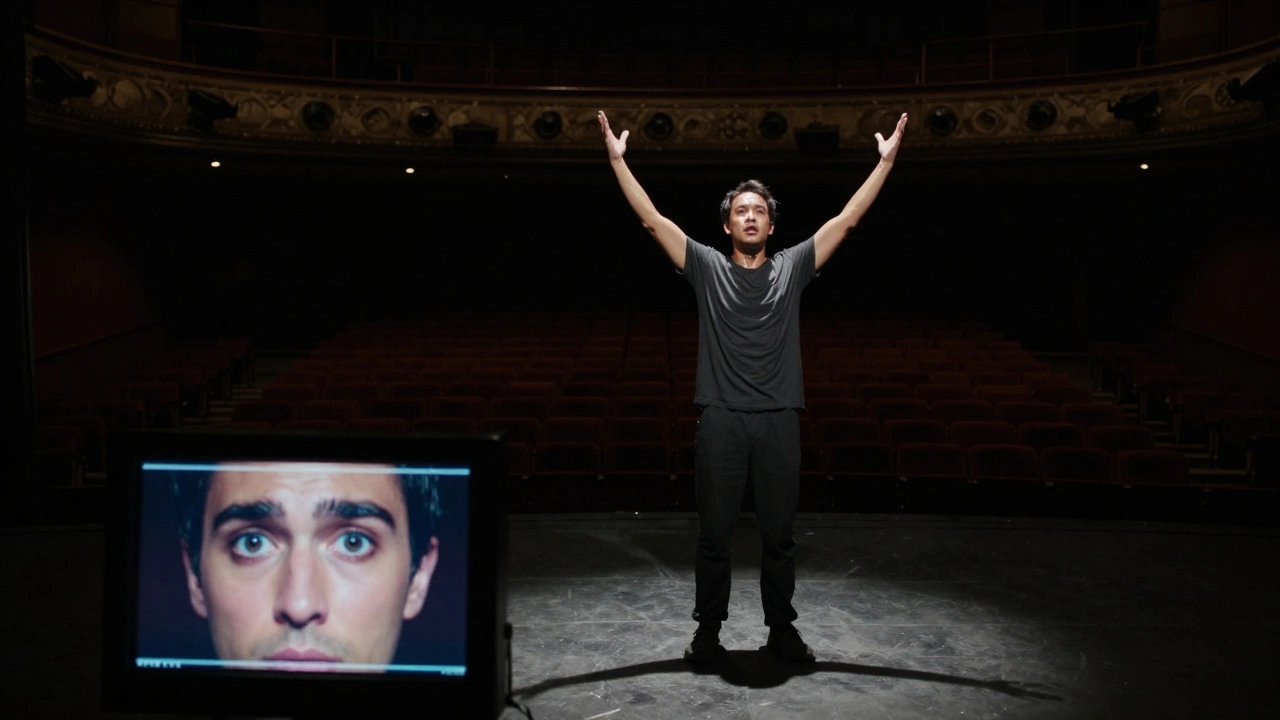
When a theater actor steps onto a movie set for the first time, it’s not just a change of location-it’s a complete rewiring of how they perform. The roar of a live audience, the rhythm of eight shows a week, the unbroken flow of a live performance-none of that exists on a film set. Instead, there’s silence between takes, cameras rolling for 17 seconds at a time, and the director yelling, "Again, but less." For many actors, the jump from stage to screen feels like learning to walk again. But it’s not impossible. In fact, some of the most acclaimed film performers today started on Broadway, in regional theaters, or even in high school drama clubs.
Why the Transition Feels So Hard
The biggest mistake theater actors make when moving to film is assuming their skills transfer directly. They don’t. A stage performance is built for projection: big gestures, clear diction, sustained energy. You’re performing for people sitting 80 feet away, in the third row, under dim lights. Your voice has to carry. Your face has to communicate emotion even if the audience can’t see your eyelashes. Film acting is the opposite. The camera is inches from your face. It catches every flicker of doubt, every involuntary blink. A raised eyebrow can carry more weight than a monologue. Theater actors often struggle with this at first. They’ll overdo it-too much eye movement, too much hand motion-and the director will say, "Too much. You’re yelling at the back of the theater. We’re not in Kansas anymore." Take Viola Davis. She spent over a decade on Broadway before landing her first major film role. In interviews, she’s said she had to relearn how to breathe. On stage, you breathe to sustain a line. In film, you breathe to let silence speak. That shift doesn’t come naturally. It takes practice, feedback, and sometimes, failure.What Casting Directors Look For
Casting directors aren’t just looking for good actors. They’re looking for actors who understand the difference between live performance and cinematic truth. When a theater actor walks into a room for a movie audition, they’re not being tested on their vocal range or their ability to hit a high C. They’re being tested on their stillness. Think about it: in a theater, you’re rewarded for consistency. You deliver the same performance night after night. In film, you’re rewarded for spontaneity. You might shoot a scene 20 times, each time with a slightly different emotional tone. One take might be angry. The next, numb. The third, almost laughing through tears. Theater actors who cling to "the performance" often get passed over. Those who can adapt, who can let go of control, who can be vulnerable in small moments-they’re the ones who get called back. A 2023 study by the Actors’ Equity Association found that 68% of actors who transitioned successfully from theater to film had taken at least one film acting workshop before their first audition. Not a class on Shakespeare. Not a voice coach. A film-specific workshop focused on camera awareness, micro-expressions, and pacing for close-ups.The Tools That Help
There are practical steps theater actors can take to bridge the gap. Here’s what works:- Take a film acting class-not just any class. Find one taught by someone who’s worked on actual sets. Look for instructors who’ve been on indie films or network TV. They’ll know what the camera sees.
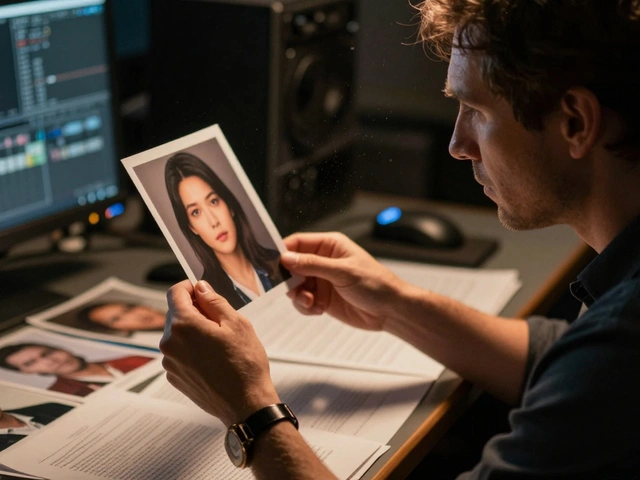
- Watch your own auditions. Record yourself. Play it back. Don’t watch for mistakes. Watch for moments when you stop being an actor and start being a person. Those are the takes that win roles.
- Learn to read a monitor. On set, you’ll be asked to watch playback. Most theater actors hate this. They think it’s distracting. But it’s not. It’s feedback. You’ll see how your face looks under artificial light. You’ll notice when you’re tensing your jaw. That’s gold.
- Work with a scene partner who’s done film. If you’re used to performing with someone who’s trained in theater, you’ll reinforce old habits. Find someone who’s acted in short films. They’ll give you real-time feedback on what feels natural on camera.
Real Examples: Who Made It Work
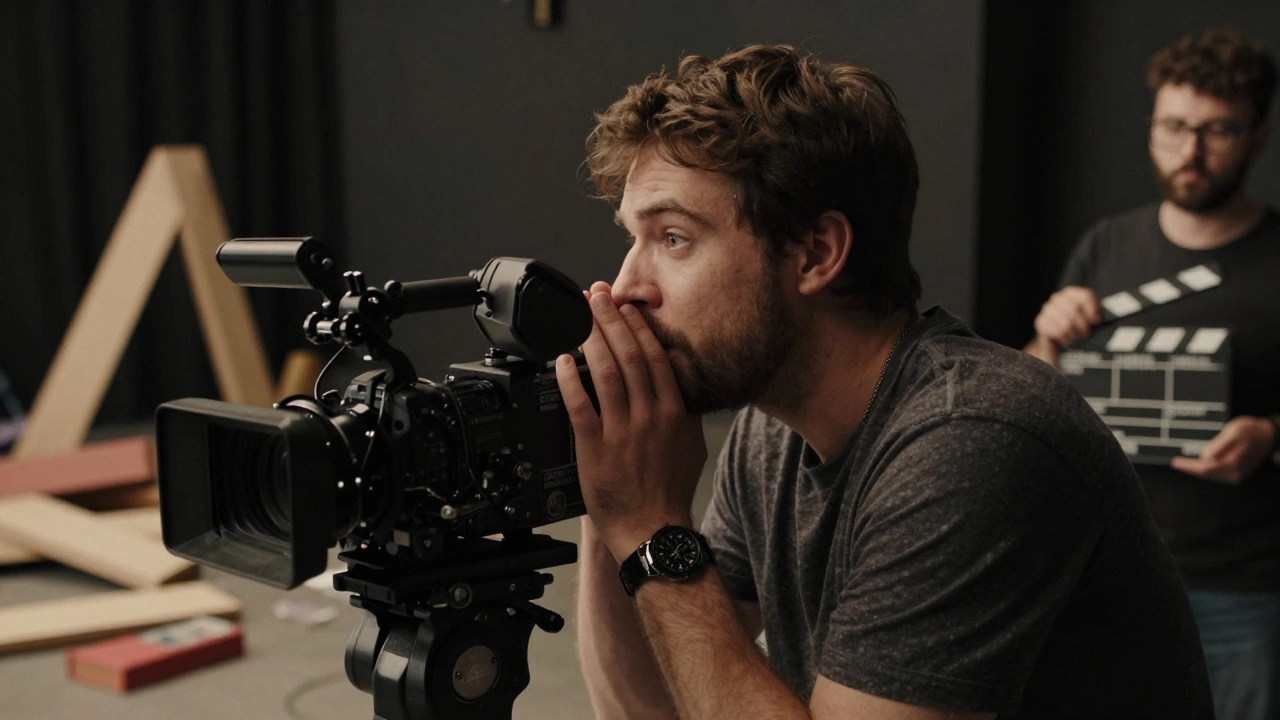
Some actors made the switch look easy. Others fought every step of the way. Meryl Streep didn’t start in film. She spent years on Broadway, including a Tony-winning performance in "The Taming of the Shrew." When she got her first movie role in "The Deer Hunter," she was terrified. She later said she felt like she was "acting in a vacuum." But she learned. She watched herself on playback. She asked directors to shoot takes without her knowing. She stopped trying to "perform" and started just being. Daniel Kaluuya went from stage plays in London to winning an Oscar for "Get Out." He’d never done film before. He spent weeks rehearsing with the director, doing improvisations in front of a single camera. He didn’t rehearse lines-he rehearsed reactions. That’s the key difference. And then there’s the ones who didn’t make it. One actor I know from Asheville-let’s call him Mark-had been performing Shakespeare for 15 years. He moved to LA with a résumé full of theater credits. He auditioned for 47 film roles in 18 months. He never got one. Why? He kept bringing his stage voice. His gestures were too wide. His emotional beats were too loud. He didn’t adapt. He didn’t listen.The Mindset Shift
Theater actors are trained to be in control. You know the script. You know your blocking. You know the cues. You deliver. It’s a craft built on precision. Film acting is built on surrender. You don’t control the lighting. You don’t control the timing. You don’t even control when the scene ends. The camera does. You have to learn to trust it. To trust the silence. To trust the space between words. It’s not about being better. It’s about being different. Many theater actors think they’re being "too dramatic" on camera. But that’s not the issue. The issue is they’re still trying to be dramatic. Film doesn’t want drama. It wants truth.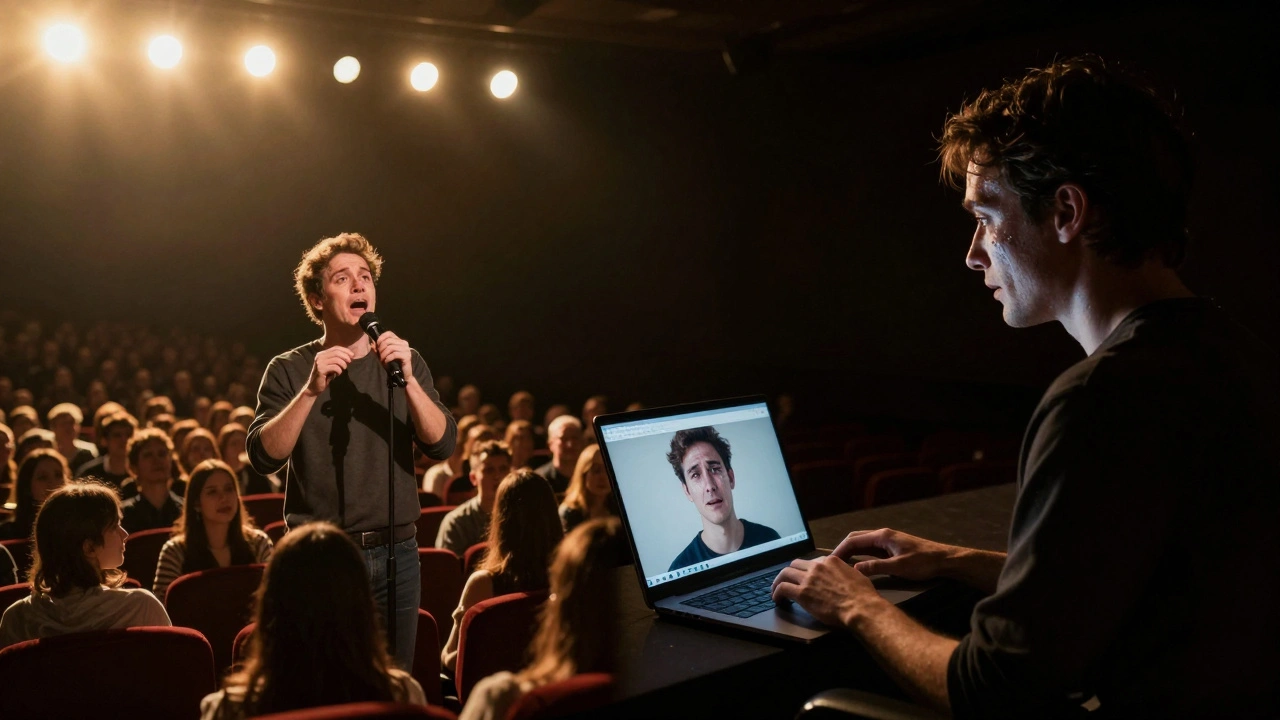
What’s Next for Theater Actors in Film
The lines between stage and screen are blurring. More filmmakers are casting theater actors because they bring emotional depth. Streaming platforms are investing in character-driven stories. Think of shows like "The Crown" or "Succession." The best performances in those aren’t from Hollywood stars-they’re from people who’ve spent years on stage. A 2025 report from the Sundance Institute showed that 41% of lead actors in indie films that premiered at festivals had a theater background. That’s up from 22% in 2018. Studios are starting to notice. They’re not just hiring theater actors as supporting roles anymore. They’re casting them as leads. The truth is, the skills theater actors bring-emotional honesty, discipline, stamina-are exactly what film needs right now. Audiences are tired of performances that feel manufactured. They want actors who’ve lived in a role for months, who’ve felt the weight of it night after night. If you’re a theater actor thinking about film, don’t see it as leaving your craft behind. See it as expanding it. The stage taught you how to hold space. Now, learn how to let the camera hold it for you.Common Pitfalls to Avoid
Here’s what most theater actors do wrong when transitioning to film:- Using their stage voice. Film microphones pick up whispers. You don’t need to project.
- Over-rehearsing. Film takes are not repeats. You’re not memorizing a performance-you’re discovering it.
- Fearing silence. In film, silence is a character. Don’t rush to fill it.
- Ignoring the camera. It’s not your friend. It’s your partner. Learn its rhythm.
- Comparing yourself to film actors. You’re not competing. You’re translating.
Where to Start
If you’re ready to make the move:- Find a local indie film project. Volunteer. Work as an extra. Watch how the crew works.
- Take a one-day workshop on film acting. Look for ones offered by film schools or local theaters with production arms.
- Record a 60-second monologue. Just you, a phone, and natural light. No music. No effects. Just you.
- Watch it back. Ask: "Did I feel anything? Or did I perform something?"
- Repeat until the answer is "I felt it."
The screen doesn’t care how many Tony nominations you have. It cares if you can sit in silence and make someone believe you’re thinking about your mother’s last words. That’s the real audition.



Comments(7)