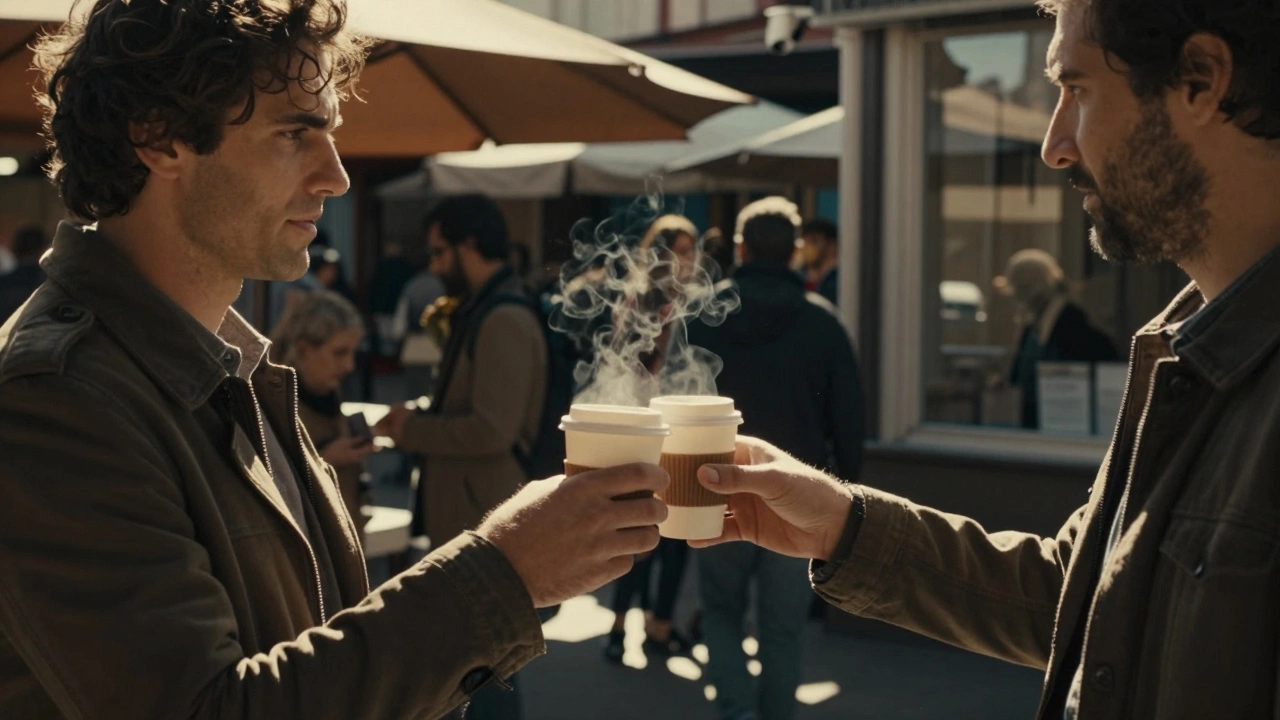
Imagine a scene where two spies meet in a crowded marketplace. No guns, no chases-just a quiet exchange of a coffee cup. That’s tradecraft in action. Modern spy thrillers have moved beyond the James Bond era of flashy gadgets and explosions. Today’s best spy films focus on the quiet, tense moments where a single glance or a whispered word can mean life or death. But how do filmmakers build that tension? And what does 'tradecraft' really mean in today’s context? Let’s break it down.
What Tradecraft Really Means in Modern Spy Thrillers
Tinker Tailor Soldier Spy is a 2011 film directed by Tomas Alfredson that redefines spy tradecraft through its meticulous attention to detail and psychological tension. Unlike older spy films, modern tradecraft isn’t about laser pointers or jetpacks. It’s about human psychology, patience, and subtle manipulation. In Tinker Tailor Soldier Spy, George Smiley (Gary Oldman) uncovers a mole through careful observation of small behaviors. A hesitation in a voice, a slight change in routine-these are the real tools of the trade. Director Tomas Alfredson uses long takes and silence to make the audience feel the weight of every decision. No explosions, just the quiet dread of betrayal.
Real-life intelligence work is often slow and methodical. Spies spend months building cover identities or monitoring targets from afar. Films like The Night Manager capture this perfectly. In one tense scene, Jonathan Pine (Tom Hiddleston) navigates a luxury hotel, gathering intel while avoiding detection. The tension comes from the audience knowing he’s in danger, but seeing no obvious threat. It’s all in the details: a glance at a security camera, a hesitation before opening a door. These moments make tradecraft feel real and nerve-wracking.
Building Tension Without Explosions
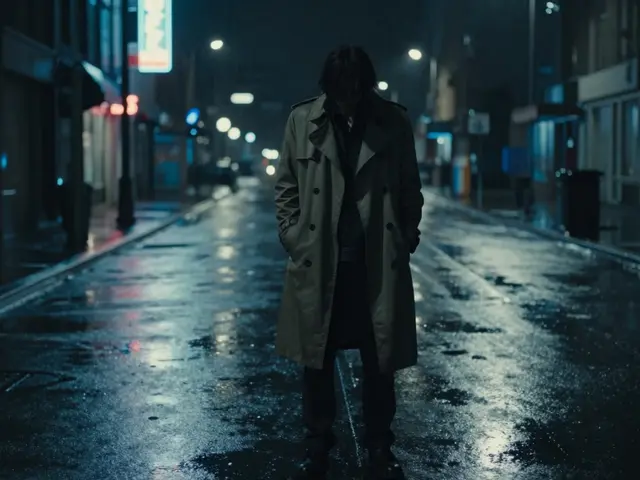
Modern spy thrillers often avoid action sequences to focus on psychological tension. Take Sicario, a film about a CIA operation against Mexican cartels. Director Denis Villeneuve uses lighting and sound to create unease. Scenes set in dark, empty streets feel more dangerous than a firefight. The camera lingers on characters’ faces, showing fear or calculation. This approach forces the audience to imagine the threat, making it more personal and intense.
Another technique is using close-ups. In The Americans (TV series, but influential for cinema), Elizabeth Jennings (Keri Russell) often stares at her husband, Philip, during quiet moments. The camera zooms in on her eyes, showing conflict without dialogue. This visual storytelling creates tension through what’s unsaid. Modern filmmakers know that silence can be louder than gunfire. A single pause in a conversation can make the audience hold their breath.
Real-Life Tradecraft vs. Hollywood Glamour
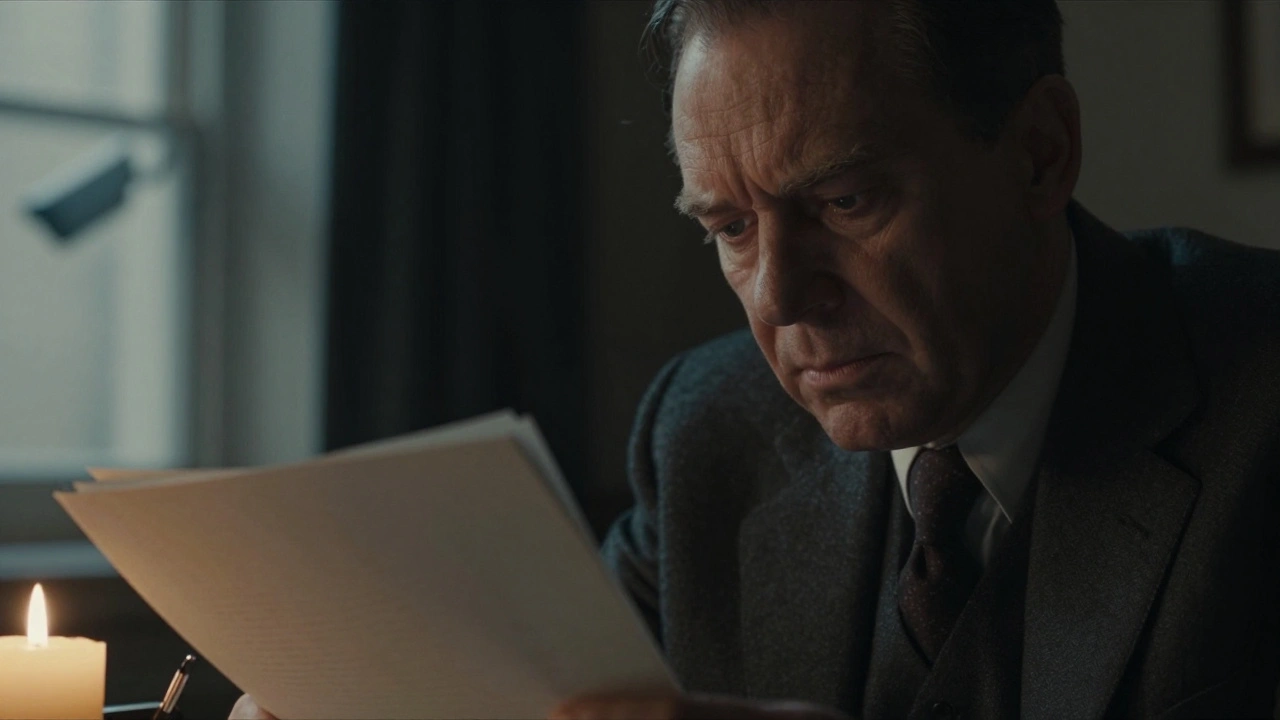
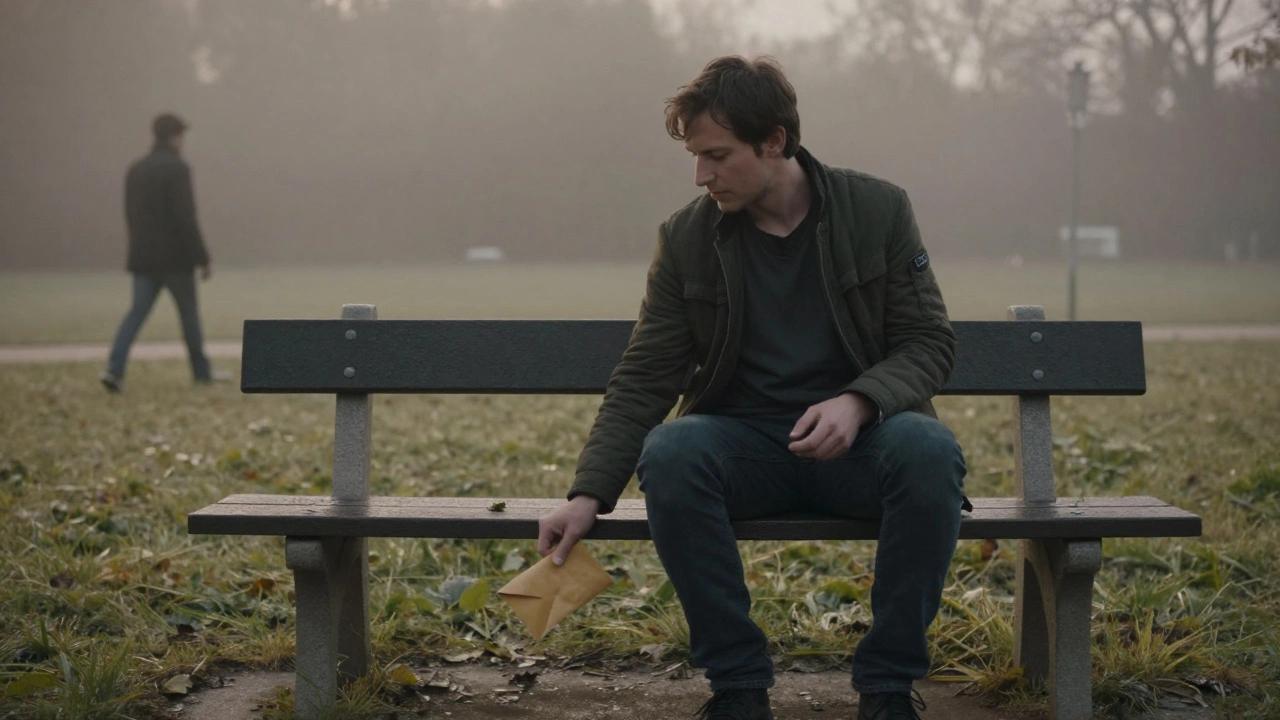
Real spies don’t use gadgets like in Mission: Impossible. While the franchise is fun, it exaggerates tradecraft for entertainment. Actual intelligence work relies on basic tools: encrypted phones, fake passports, and dead drops. A dead drop is a hidden location where spies leave information for others to pick up later. In Bridge of Spies, this technique is shown realistically. Tom Hanks’ character arranges a meeting in a park, leaving documents under a bench. No high-tech gadgets, just careful planning.
However, some films blend realism with drama. Zero Dark Thirty depicts the hunt for Osama bin Laden. The film shows real tradecraft like surveillance, interrogation, and intelligence analysis. It avoids Hollywood tropes, focusing instead on the tedious, high-stakes work of intelligence officers. This authenticity makes the tension feel earned. When the raid happens, the audience understands why every detail matters.
Cyber Espionage and Digital Tradecraft
Modern spy thrillers now include cyber espionage as part of tradecraft. In Mr. Robot (TV series), hackers use social engineering and malware to infiltrate systems. While not a film, it influenced how cinema approaches digital tradecraft. Movies like Blackhat show cyber attacks as real threats. A single line of code can shut down power grids or steal secrets-no physical confrontation needed.
Director Michael Mann’s Blackhat uses fast-paced editing and technical jargon to show hacking as a high-stakes game. But it’s not all about computers. The film also shows physical tradecraft, like surveillance teams tracking targets. This blend of digital and human elements makes the tension feel modern. Real-world cyber threats are everywhere, from government agencies to corporations. Spy thrillers reflect this by showing how tradecraft evolves with technology.
Why These Elements Matter for the Audience
Modern spy thrillers work because they make tradecraft feel relatable. When a character uses a simple trick like a fake ID or a coded message, the audience understands the risk. This creates a deeper connection than a car chase. Films like The Night Manager prove that tension comes from emotional stakes, not explosions. The audience cares because they see the human cost of espionage.
Psychological suspense also reflects real-world fears. In an age of surveillance and data breaches, watching a spy navigate a crowded room feels eerily familiar. The best modern thrillers tap into these anxieties. They show how tradecraft isn’t just about secrets-it’s about trust, identity, and survival. This depth keeps audiences engaged long after the credits roll.
| Element | Old School (1960s-80s) | Modern (2010s+) |
|---|---|---|
| Surveillance | Hidden cameras, tailing on foot | Drones, satellite imagery, social media tracking |
| Communication | Dead drops, coded messages | Encrypted apps, burner phones, digital steganography |
| Weaponry | Disguised guns, poison-tipped umbrellas | Non-lethal tech, cyber attacks, AI-assisted targeting |
What’s the difference between tradecraft in real espionage and spy films?
Real espionage is slow, methodical, and often boring. Spies spend months building cover identities or monitoring targets without action. Films exaggerate this for drama-using gadgets, chases, and explosions to keep viewers engaged. For example, real dead drops involve leaving messages in public places like park benches, while movies might show them as high-stakes handoffs in dangerous locations. However, films like Bridge of Spies and Zero Dark Thirty balance realism with storytelling, showing how tradecraft works without Hollywood flair.
How do modern spy thrillers build tension without action scenes?
Filmmakers use subtle techniques like silence, close-ups, and lighting. In Tinker Tailor Soldier Spy, director Tomas Alfredson uses long takes to focus on characters’ facial expressions. A single glance can convey fear or suspicion. Similarly, The Night Manager builds tension through tight shots of characters in crowded rooms, making the audience feel the danger of being watched. Sound design also plays a role-minimal music or sudden silence heightens anxiety. These techniques create suspense that feels more personal than explosions.
Which recent spy films best represent real tradecraft?
Tinker Tailor Soldier Spy and Bridge of Spies are top examples. Tinker Tailor focuses on bureaucratic espionage, where a mole is uncovered through careful observation of small behaviors. Bridge of Spies shows real-world tradecraft like dead drops and negotiation tactics during the Cold War. Both films avoid gadgets and action, instead highlighting the psychological and procedural aspects of spying. Zero Dark Thirty also stands out for its accurate portrayal of intelligence work leading to Osama bin Laden’s capture.
Are cyber espionage techniques accurately portrayed in movies?
Some films get it right, others exaggerate. Blackhat uses real hacking techniques like SQL injection and malware, but speeds up the process for drama. Real cyber operations take weeks or months, not minutes. More accurate portrayals come from TV shows like Mr. Robot, which shows social engineering and zero-day exploits realistically. However, most spy films simplify cyber tradecraft into quick hacking sequences. The real danger lies in persistent threats like phishing or supply chain attacks-less glamorous but more common in actual espionage.
Why do some spy films feel more realistic than others?
Realism comes from focusing on human psychology and procedural details. Films like Tinker Tailor Soldier Spy and Bridge of Spies avoid gadget-heavy plots, instead showing how spies rely on patience, observation, and trust. Directors work with former intelligence officers to ensure accuracy. For example, Zero Dark Thirty consulted CIA agents on interrogation methods. Films that prioritize emotional stakes over action-like The Night Manager-also feel more authentic because they mirror real-world espionage stress.



Comments(5)