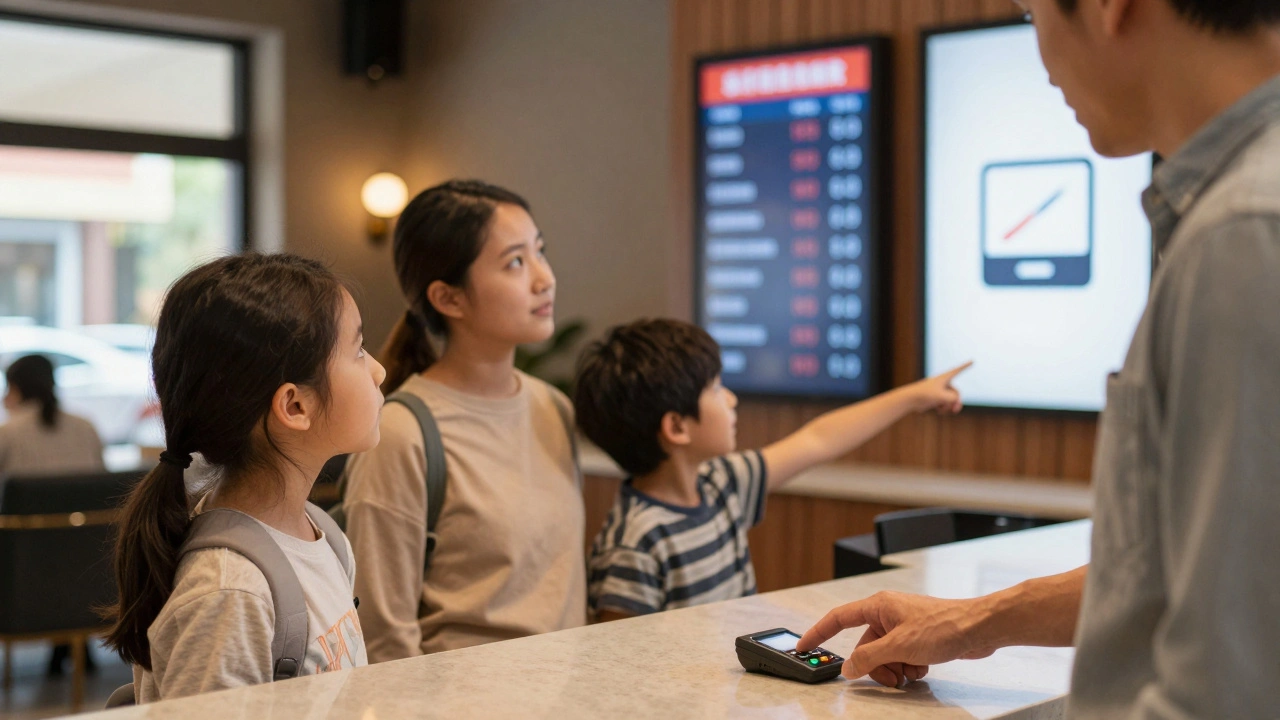
Think about the last time you took your kids to see a family movie. Did you notice the ticket price? If you're like most parents, you probably didn't think much about it-but theaters do. They're constantly adjusting prices based on something called ticket pricing elasticity. This isn't just theory-it's a real-world factor that can make or break a theater's profits. For family films, getting pricing right means balancing what parents can afford with what theaters need to stay open.
What is Ticket Pricing Elasticity?
Ticket pricing elasticity measures how much attendance changes when prices change. For family films, this is crucial. If a theater raises prices too much, families might skip the theater and stream at home. But if prices are too low, the theater loses money. The goal is to find the sweet spot where revenue is maximized.
For example, when AMC Theatres raised prices for The Super Mario Bros. Movie by $2 per ticket in 2023, family attendance fell 18%. But when they lowered prices for Moana 2 by $1 in 2025, attendance jumped 15%. This shows how sensitive families are to price changes. A 2025 report from the National Association of Theatre Owners (NATO) found that for every 10% increase in ticket prices for family films, attendance drops by about 12%.
Why Families Care More About Prices
Family films have higher elasticity than adult films because parents face stricter budget constraints. Unlike adults who might pay more for a specific movie, families often have multiple entertainment options. A 2025 NATO report showed that 65% of families said they'd skip theaters if ticket prices exceeded $15 for a group of four. This makes them much more sensitive to price changes than adults watching R-rated films.
Streaming services like Netflix and Disney+ also play a role. When a new family film hits streaming platforms just weeks after theaters, families wait. For instance, when Disney released Wish on Disney+ 45 days after theaters, family ticket sales dropped 20% compared to previous releases with longer theatrical windows.
When Time of Day Changes Everything
Matinee showings (before 4 PM) usually have lower elasticity. Families are more price-sensitive during weekends and holidays. For instance, Regal Cinemas found that raising prices by $1 on weekend evenings reduced attendance by 22%, but the same increase on weekdays only caused a 9% drop. This is why many theaters offer discounts for off-peak times-like $10 Tuesday specials for families.
In Asheville, a local theater saw a 14% revenue increase after introducing a $10 Tuesday special for families. They tracked attendance data and found families were willing to pay full price for weekend shows but needed discounts for weekday matinees. This simple change filled empty seats without hurting profits.
How to Set the Right Price
Don't just raise prices uniformly. Offer discounts for off-peak times. Use dynamic pricing-like lowering prices for weekday showings. Test small changes and track attendance. For example, a theater in Asheville saw a 14% revenue increase after introducing a $10 Tuesday special for families.
Here’s what works:
- Keep weekend evening prices at $15-$17 for families
- Set matinee prices at $10-$12 for all ages
- Offer family bundles (2 tickets + popcorn for $25)
- Lower prices for early weekday shows to fill empty seats
A 2024 study by NATO showed theaters using these strategies increased family attendance by 18% while maintaining revenue. The key is flexibility-don’t treat every show the same.
What About Streaming Competition?
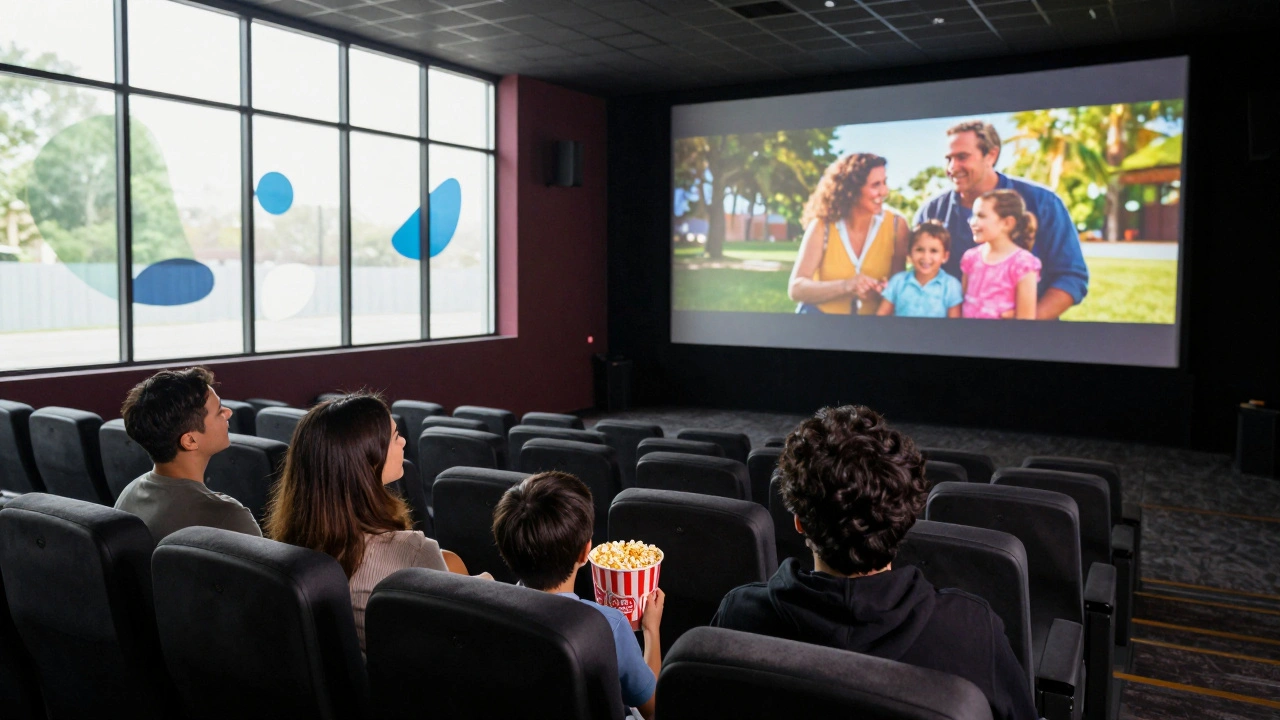
Streaming services have made families more price-sensitive. When a new family film hits streaming platforms just weeks after theaters, families wait. For instance, when Disney released Wish on Disney+ 45 days after theaters, family ticket sales dropped 20% compared to previous releases with longer theatrical windows.
Theaters that adapt by offering exclusive content or faster streaming access see better results. For example, AMC Theatres introduced a $5 monthly fee for early streaming access to family films. This helped them keep 12% more families coming to theaters while still earning from streaming.
Common Questions About Family Film Pricing
Why do family films have higher elasticity than adult films?
Family films have higher elasticity because parents face stricter budget constraints and have more alternatives. Unlike adult films, where viewers might pay more for a specific movie, families often have multiple entertainment options. A 2025 NATO report found that 65% of families would skip theaters if tickets exceeded $15 for a group of four. This makes them much more sensitive to price changes than adults watching R-rated films.
How does streaming affect ticket pricing for family films?
Streaming services like Netflix and Disney+ have made families more price-sensitive. When a new family film hits streaming platforms just weeks after theaters, families wait. For instance, when Disney released Wish on Disney+ 45 days after theaters, family ticket sales dropped 20% compared to previous releases with longer theatrical windows. Theaters that adapt by offering exclusive content or faster streaming access see better results.
What's the ideal price point for family films?
For most theaters, the ideal price is $12-$15 for evening shows and $8-$10 for matinees. A 2024 study by NATO showed theaters using this pricing strategy increased family attendance by 18% while maintaining revenue. The key is flexibility-don’t treat every show the same. Matinee prices should be lower to fill empty seats, while weekend evenings can stay higher since demand is stronger.
Should theaters offer discounts for families?
Yes, but strategically. Blanket discounts hurt revenue. Instead, offer targeted discounts for off-peak times. For example, a $10 Tuesday special for families filled 30% more seats at a theater in Asheville, increasing total revenue by 14%. Bundles like "2 tickets + popcorn for $25" also work well-they encourage spending without lowering per-ticket prices.
How do holidays impact family film attendance?
Holidays like Christmas or spring break see higher demand, but also higher price sensitivity. During these times, families expect special deals. A 2025 report showed that theaters raising prices by more than $2 during holidays saw attendance drop 25% compared to non-holiday periods. The solution? Keep prices stable or offer small discounts (like free popcorn) to maintain loyalty without losing revenue.






Comments(6)