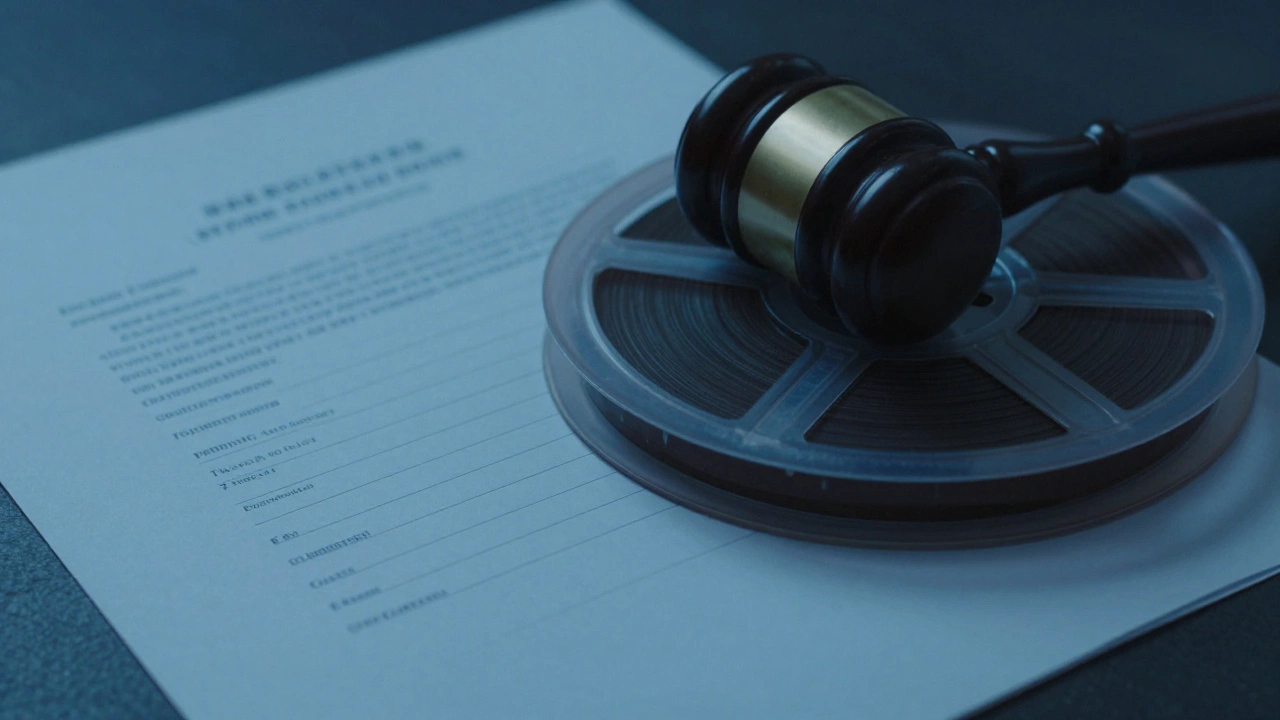
Errors and Omissions Insurance (commonly called E&O insurance) is a specialized type of insurance for filmmakers and media companies. It protects against legal claims related to the content in your film. This includes copyright infringement, defamation, invasion of privacy, and other intellectual property issues. Without this coverage, a single lawsuit could shut down your project.
Why Filmmakers Need E&O Insurance
Picture this: you finish filming your documentary. You’ve spent years on it. Then, out of nowhere, a musician claims you used their song without permission. The distributor refuses to release your film until you fix it. Without E&O insurance, you’d have to pay legal fees and settlements out of pocket. Most distributors won’t touch your film without it. They require it because they’re legally liable for any claims that arise after distribution. This happened to a documentary filmmaker in 2023 when their distributor pulled out after discovering unlicensed music in the final cut. The filmmaker had to scramble to get E&O insurance before the festival premiere.
What Does E&O Insurance Cover?
Here’s exactly what your policy will protect you from:
- Copyright Infringement: Using music, footage, or scripts without proper rights. For example, a filmmaker who used a popular song in their background music without clearing it faced a $150,000 settlement covered by E&O insurance.
- Defamation: False statements that harm someone’s reputation. If your film implies a real person did something illegal without proof, E&O insurance covers the legal defense costs.
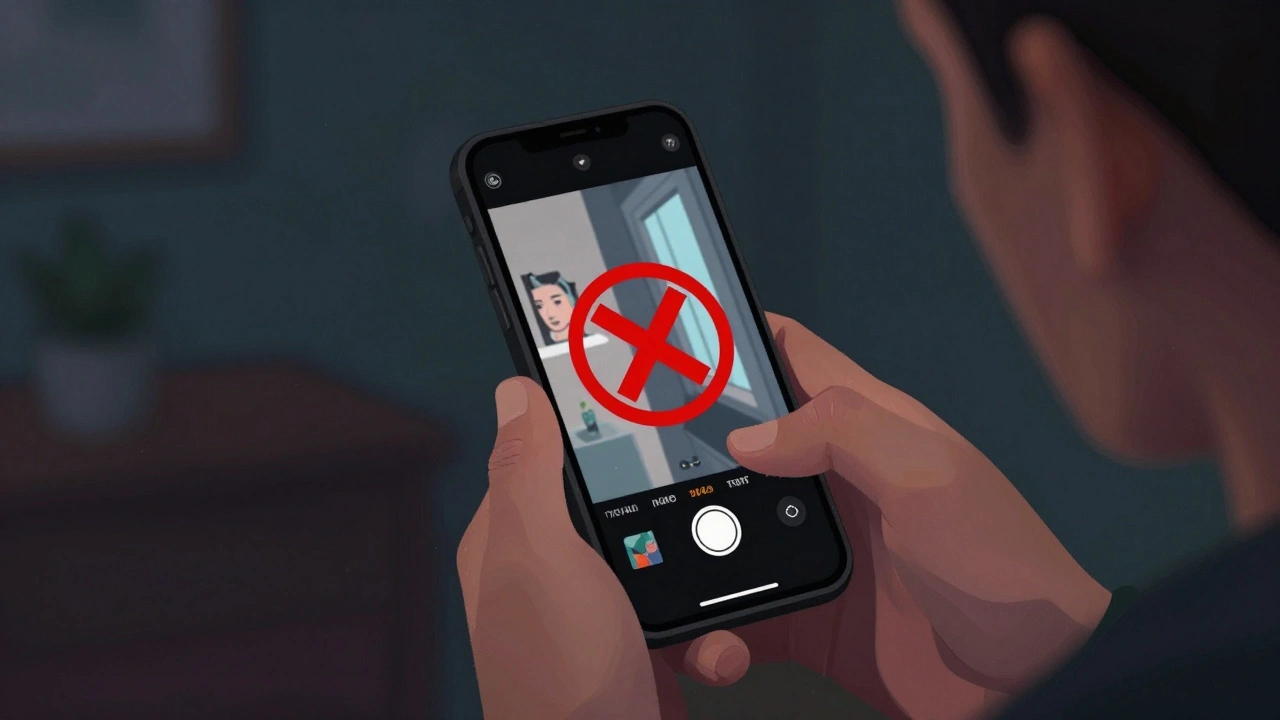
- Invasion of Privacy: Filming someone without consent in a private setting. This includes documentary subjects who weren’t properly released.
- Plagiarism: Copying someone else’s creative work. Even if you didn’t mean to, E&O insurance helps with legal battles.
- Trademark Infringement: Using logos or brand names without permission. Like showing a branded product prominently without a release.

How to Get E&O Insurance for Your Film
Getting E&O insurance isn’t complicated, but it requires preparation. Here’s what you need to do:
- Work with a lawyer: Hire an entertainment lawyer to review your film’s content. They’ll check for clearance issues before you start shooting.
- Verify chain of title: Ensure you have legal rights to all source material. This includes scripts, music, and any real-life stories.
- Clear all third-party content: Get written permissions for music, footage, and other elements. This step is non-negotiable.
- Choose an insurance provider: Specialized insurers like Hiscox or Markel offer E&O policies. Compare coverage limits and costs.
- Apply for coverage: Submit your film’s details, including a clearance report from your lawyer. The insurer will review it before issuing the policy.
Common Mistakes Filmmakers Make
Many filmmakers skip these critical steps, leading to insurance claims being denied:
- Assuming public domain: Just because something is online doesn’t mean it’s public domain. Always verify copyright status. For instance, a viral TikTok clip isn’t free to use in your film.
- Using "fair use" incorrectly: Fair use is a legal defense, not a blanket permission. Relying on it without legal advice is risky. A filmmaker who used 30 seconds of a song under fair use claims still faced a $50,000 lawsuit.
- Ignoring music clearances: Music rights are the most common issue. Even 10 seconds of a song can trigger a claim. A short film was pulled from Netflix in 2024 because of unlicensed background music.
- Not checking release forms: If a subject in your documentary didn’t sign a release, you’re vulnerable to privacy claims. Always get signed releases for anyone appearing on camera.
Quick Checklist for Filmmakers
- Have your lawyer review all content before production starts
- Get written clearances for all third-party materials
- Verify copyright ownership for every asset used
- Ensure all talent and subjects sign release forms
- Confirm your E&O policy covers distribution in all territories
- Keep all clearance documents organized and accessible
Frequently Asked Questions
Is E&O insurance required for all films?
Most distributors and streaming platforms require E&O insurance before releasing a film. It’s especially critical for films with music, real people, or existing IP. While indie films with no third-party content might skip it, the risk of a lawsuit makes it a wise investment for almost everyone.
How much does E&O insurance cost?
Costs vary based on your film’s budget and risk factors. For indie films under $500,000, expect $1,500-$5,000. Larger productions may pay $10,000+. Factors include the type of content, clearance status, and distribution plans. Always get quotes from multiple insurers.
Can I get E&O insurance after my film is finished?
Yes, but it’s riskier. Insurers will scrutinize your clearance process more closely. If you didn’t get proper permissions upfront, they might deny coverage or charge higher premiums. It’s best to secure E&O insurance before finalizing distribution deals.
What’s the difference between E&O insurance and general liability insurance?
General liability covers physical injuries or property damage (like a camera falling on someone). E&O specifically covers intellectual property and content-related legal issues. They’re complementary-you need both for full protection.
Do I need E&O insurance for a documentary?
Absolutely. Documentaries often use real people, historical footage, and music-making them high-risk for copyright and privacy claims. In fact, many documentary distributors require E&O insurance as a condition of distribution.
What happens if I don’t have E&O insurance and get sued?
Without coverage, you’ll pay all legal fees and settlements out of pocket. A single claim could cost $100,000+ and destroy your production company. In 2025, a filmmaker lost their entire budget after a $75,000 lawsuit over unlicensed archival footage.
How long does E&O insurance coverage last?
Most policies cover your film for 1-3 years after distribution. Some insurers offer extended coverage for ongoing projects. Always check the policy terms before signing. For example, a feature film released in 2024 had its E&O policy renewed for two additional years due to international distribution.




Comments(5)