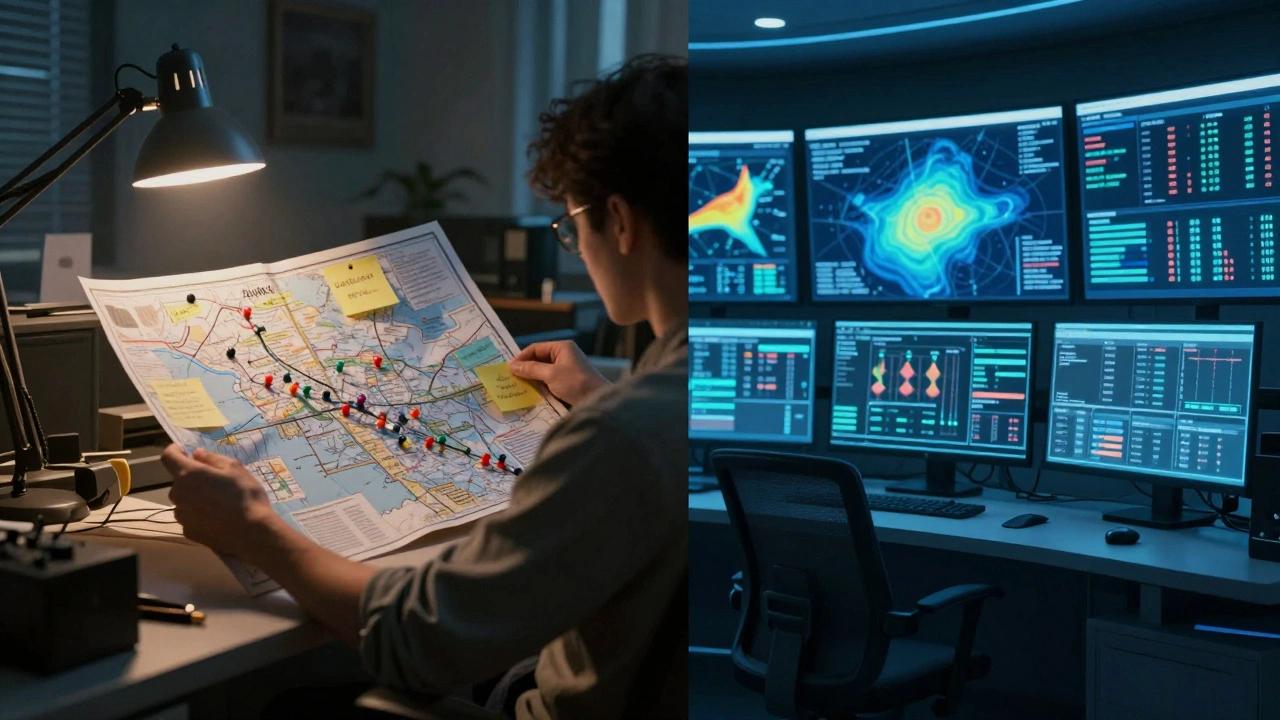
For decades, film distributors chose theaters based on gut feeling and past hits. Today, data-driven booking is rewriting the rules. Studios now use predictive models to analyze real-time data before placing films in theaters. This isn’t science fiction-it’s happening right now, with measurable results. A 2024 Motion Picture Association study showed theaters using these models saw 22% higher average ticket sales for mid-budget films compared to traditional methods. Let’s break down how this works.
How Predictive Models Work
Predictive Models for Film Distribution are systems that combine historical data, audience behavior, and real-time trends to forecast where a film will perform best. These models don’t guess. They crunch numbers from multiple sources: ticket sales from the last five years, social media buzz around trailers, demographic surveys, and even local weather patterns. For example, if a comedy film has strong TikTok engagement in Texas but low interest in New York, the model might prioritize smaller Texas markets first. It’s like having a super-smart assistant that spots patterns humans miss.
Cinema Analytics is the backbone of this process. It’s not just about box office numbers; it includes everything from how often people search for a film online to which neighborhoods have the highest concentration of target audiences. A 2025 Cinema Analytics Group study found that combining social sentiment data with historical ticket sales improved prediction accuracy by 34%. This means studios can avoid costly mistakes-like releasing a horror film in a conservative town where it would flop-or capitalize on unexpected opportunities.
Real-World Success Story: "Midnight Runners"
Take the 2025 indie thriller "Midnight Runners." Traditional booking would have placed it in New York and Los Angeles theaters only. But predictive models showed something different: strong regional appeal in the Midwest. Data revealed that similar films performed well in cities like Des Moines and Kansas City, where audiences had a 40% higher engagement rate with thriller content. The studio booked it in 35 theaters across the Midwest first. Within two weeks, ticket sales hit 110% of projections. By the time it expanded nationwide, it had already built momentum. Without data, this film might have been buried in a few urban theaters and forgotten.
Key Factors in Data-Driven Booking
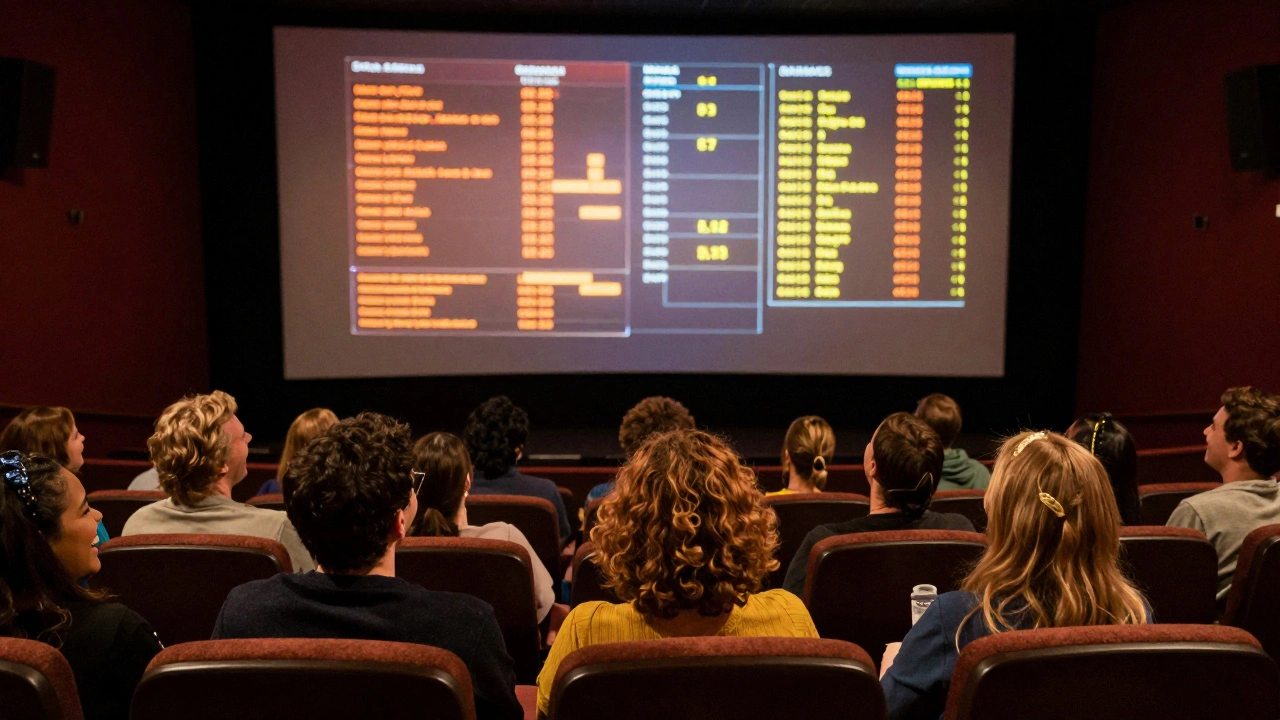
Studios don’t just look at one number. They weigh multiple factors together:
- Audience Demographics -Age, income, and viewing habits in specific areas. For example, a family-friendly animation might target suburbs with high child populations.
- Historical Box Office Data -How similar films performed in the same region. A sci-fi movie released in 2023 might inform where a new one goes in 2026.
- Theater Capacity -Screen size and seating capacity. A blockbuster needs large screens; an art-house film works better in intimate venues.
- Competitive Landscape -What else is playing nearby. Releasing a romance in a week full of action movies could hurt attendance.
- Dynamic Pricing -Adjusting ticket prices based on demand. A packed Friday night might charge $15, while a slow Tuesday could drop to $8.
| Factor | Traditional Approach | Data-Driven Approach |
|---|---|---|
| Decision Basis | Gut feeling and past hits | Real-time analytics from multiple data sources |
| Theater Selection | Major cities only | Targeted locations based on audience data |
| Risk of Misbooking | High (e.g., horror film in family-friendly areas) | Low (matched to audience preferences) |
| Average Ticket Sales for Mid-Budget Films | 15-20% lower | 22% higher (Motion Picture Association, 2024) |

Challenges and Pitfalls
It’s not all smooth sailing. Data-driven booking has risks too. Over-relying on historical data can backfire. For instance, a horror film that did well in 2019 might flop today if cultural attitudes have shifted. A 2025 survey found 30% of distributors ignored local cultural nuances when using models-leading to poor bookings in conservative regions.
Data silos are another issue. If a theater’s internal sales data isn’t shared with studios, the model works with incomplete information. Small theaters often struggle here. But companies like CineMetrics now offer cloud-based tools that integrate data from independent venues. One Texas theater chain boosted revenue by 18% after using these tools to tailor bookings to local tastes.
What’s Next for Film Distribution?
Artificial intelligence is getting smarter. Future models will process live social media trends in real-time. If a trailer goes viral on TikTok, the system could instantly adjust theater placements. Imagine a documentary about climate change suddenly trending in coastal cities-distributors could shift screenings to those areas within hours.
Another trend? Personalized marketing. Instead of blanket ads, studios will use data to target specific neighborhoods. A romantic comedy might show ads only in areas where couples under 30 have high streaming engagement. This precision cuts marketing costs while boosting turnout. Industry experts predict data-driven booking will become standard for all film releases by 2028.
How do studios collect data for predictive models?
Studios gather data from ticket sales history, social media trends (like Twitter/X and TikTok), demographic surveys from companies like Nielsen, and even weather data. A 2025 study by the Cinema Analytics Group showed that combining social media sentiment with box office data improved prediction accuracy by 34%.
Can small independent theaters use predictive models?
Yes, but they often partner with distribution platforms that provide access to these tools. For example, companies like CineMetrics offer cloud-based analytics for indie theaters. A 2024 case study showed a small theater chain in Texas increased revenue by 18% after using these tools to book films tailored to local preferences.
What are common pitfalls in data-driven booking?
Over-reliance on historical data without considering cultural shifts. For instance, a horror film might have done well in a city 10 years ago, but if the population has aged or new regulations changed content ratings, it could flop. Another issue is data silos-if a theater’s internal data isn’t integrated with studio data, the models can’t see the full picture.
How does data-driven booking affect film release strategies?
It allows for staggered releases. Instead of wide releases on the same day everywhere, studios now test films in specific regions first. For example, "The Last Stand" was released in 100 theaters in the Pacific Northwest before expanding nationwide. This approach reduced marketing costs by 20% and allowed studios to adjust based on early audience feedback.
Are predictive models replacing human judgment?
No-they’re tools that enhance human decisions. Distributors still use their expertise to interpret data. For example, a model might flag a comedy for a certain city, but a human might know about a local event that would clash with the release. As industry expert Dr. Lisa Chen notes, "Data tells you what’s possible; experience tells you what’s right."





Comments(7)