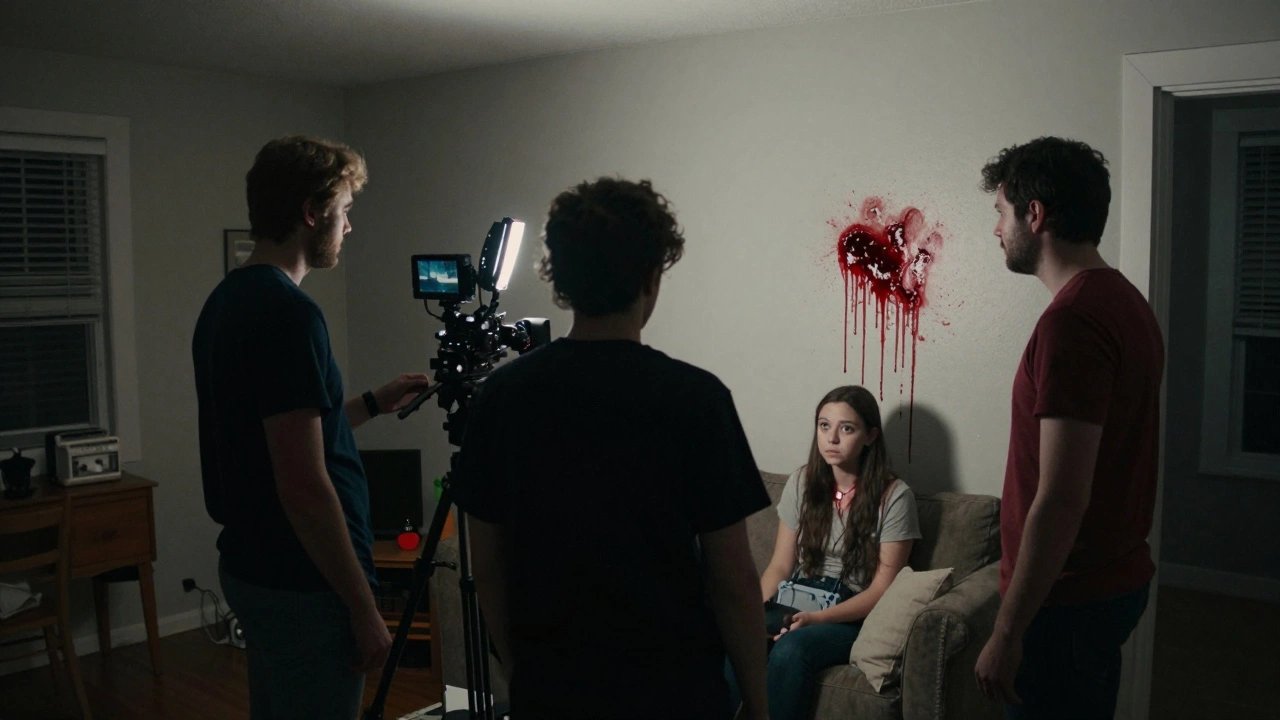
Did you know a horror movie made for just $15,000 earned over $190 million? That’s not a typo-it’s the real story of Paranormal Activity. This film, shot in a few weeks with a tiny crew, became one of the most profitable movies ever. But how? The answer lies in the unique box office economics of horror films. Unlike big-budget blockbusters, horror movies often cost next to nothing to make but can generate massive returns. This article explains why studios keep pouring money into horror despite the risks, and how you can see the numbers add up.
Why Horror Movies Cost So Little to Make
Horror films don’t need A-list actors or fancy CGI. Take Blumhouse Productions-they’re the masters of low-budget horror. Their secret? Keep costs ultra-low. For example, The Blair Witch Project cost only $60,000 to make. Why? They used unknown actors, shot in a few weeks, and relied on practical effects instead of expensive CGI. Most horror films shoot in under 30 days. Locations are simple: a house, a forest, or a small town. No need for elaborate sets. Even when they do use effects, they’re practical-like fake blood or simple makeup. This keeps production costs down while still delivering scares.
Real-World Examples That Defy Expectations
Let’s look at some numbers. Paranormal Activity cost $15,000 and grossed $193 million worldwide. That’s a 12,800% return. The Blair Witch Project had a $60,000 budget but made $248 million. Even Get Out, which cost $4.5 million, earned $255 million. These aren’t flukes-they show horror’s consistent ability to deliver huge profits. Studios know this. For every $100 million spent on a superhero movie, you might see a 2x return. But a horror film with a $5 million budget can return 50x. That’s why they’re a safe bet for investors.

How Marketing Turns k into Millions
Marketing horror films is cheap too. Paranormal Activity barely spent on ads. Instead, they let word-of-mouth do the work. People told friends about the creepy footage. The Blair Witch Project used a fake documentary website, creating buzz online. Social media made it viral. Get Out leveraged cultural conversations around race and social issues. Studios don’t need big ad campaigns-just clever, low-cost strategies that spread organically. This keeps marketing costs low while building hype.
The Risks Behind the Returns
Not every horror film is a hit. The Last Exorcism Part 2 had a $500,000 budget but only made $1.2 million. Some horror films lose money. But here’s the key: the risk is manageable. Because budgets are so low, even a flop doesn’t hurt studios much. Compare that to a $100 million superhero movie that bombs-you’re talking about huge losses. Horror’s low costs mean studios can afford to take chances. They know most will fail, but the few hits more than cover the losses. It’s a numbers game where the upside outweighs the downside.
What’s Next for Horror Film Economics
Streaming services are changing the game. Netflix and Hulu now pay upfront for horror films, so studios don’t rely on box office. Netflix’s The Haunting of Hill House was a hit, but it’s not about ticket sales-it’s about subscriber growth. However, traditional horror films still thrive. Studios like Blumhouse Productions keep churning out hits. They’re building franchises like Insidious and The Conjuring universe. This strategy spreads risk across multiple films while building brand loyalty. With streaming and box office both playing a role, horror’s economic model is more resilient than ever.
Do all horror films make money?
No, not all horror films are profitable. Some, like The Last Exorcism Part 2 ($500k budget, $1.2M gross), barely break even. Others lose money. However, the low budgets mean even a failure doesn’t cost studios much. The key is that the few hits more than cover the losses from flops.
What’s the average ROI for horror films?
On average, horror films return about 10x their budget. For example, Paranormal Activity had a 12,800% return, while Get Out returned 56x. But this varies widely. Some films make 100x, others lose money. The genre’s low costs make it possible to absorb losses while still profiting overall.
Why do studios keep making horror films if some fail?
Because the risk is manageable. A horror film with a $5 million budget that fails only loses $5 million-compared to a $100 million blockbuster that bombs. Studios know most horror films won’t be hits, but the few that succeed generate enough profit to cover all losses. It’s a high-risk, high-reward strategy where the potential upside justifies the gamble.
How does streaming affect horror film economics?
Streaming services like Netflix and Hulu pay upfront for horror content, so studios don’t rely on box office. This changes the economics-instead of hoping for ticket sales, they get guaranteed payments. However, traditional horror films still thrive in theaters because they’re cheap to produce and draw crowds. Streaming adds another revenue stream but hasn’t replaced the box office model entirely.
What makes horror films different from other genres economically?
Horror films have lower production costs, faster shooting schedules, and simpler marketing needs. Unlike superhero movies that need massive CGI budgets, horror often uses practical effects and unknown actors. This keeps budgets low, so even modest returns are profitable. Plus, horror audiences are loyal and predictable-they’ll watch scary movies regardless of reviews. This consistency makes horror a safer investment for studios.





Comments(6)