What Exactly Are Giallo Films?
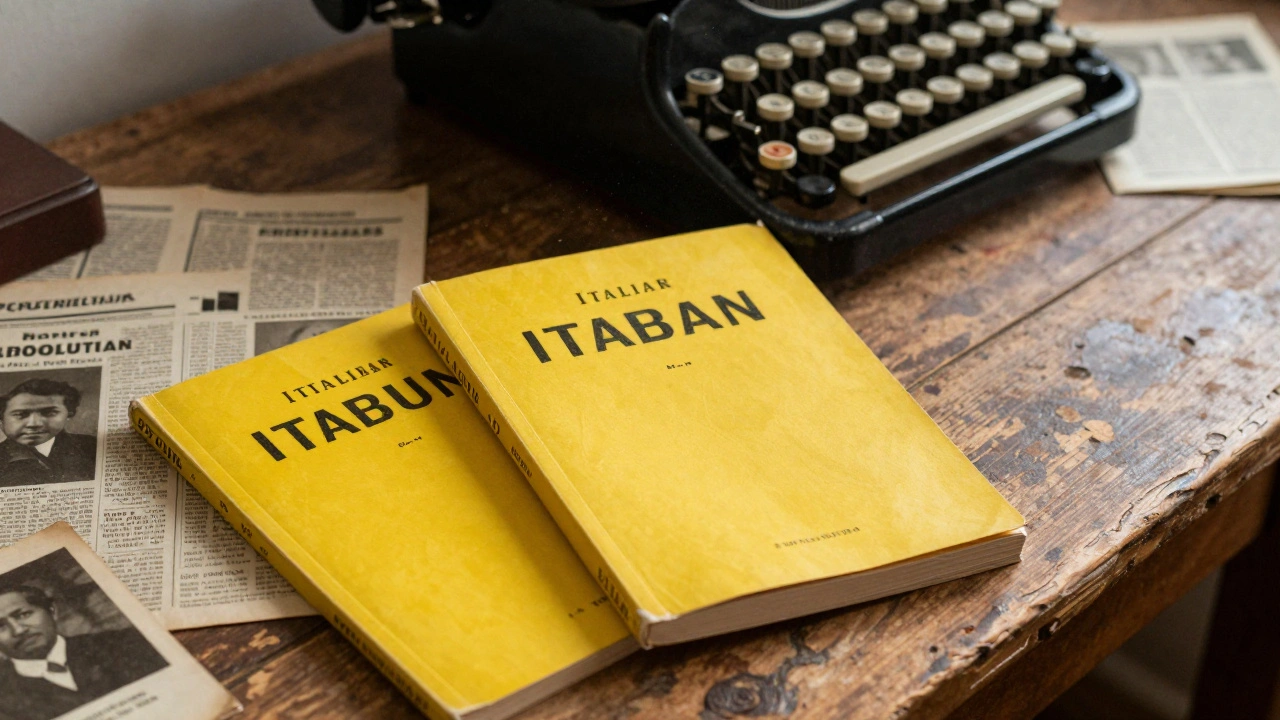
Giallo filmsA distinct Italian horror thriller tradition known for its stylish violence, mystery elements, and vivid color palettes aren't just horror-they're a visual and auditory explosion that shaped modern horror movies. But where did this style come from? The term "giallo" means "yellow" in Italian, referring to the bright yellow covers of Italian pulp novels from the 1930s that featured crime and mystery stories. Filmmakers later adopted the term for their own stylish horror-thrillers. These films blend murder mysteries, psychological tension, and striking visuals in a way no other genre does.
The Origin of the Term "Giallo"
In the early 20th century, Italian publishers released cheap paperback novels with yellow covers. These "gialli" (plural) contained crime thrillers by authors like Edgar Wallace and Agatha Christie. By the 1960s, Italian filmmakers started adapting these stories into movies. The first true giallo film was Mario Bava's Blood and Black LaceThe first true giallo film, known for its vibrant color use and stylish murder sequences (1964). It combined graphic violence with intricate plots, setting the template for everything that followed. Unlike American horror films of the time, giallo movies prioritized style over scares, using bold colors, elaborate set pieces, and twisty narratives.
Key Characteristics That Define Giallo
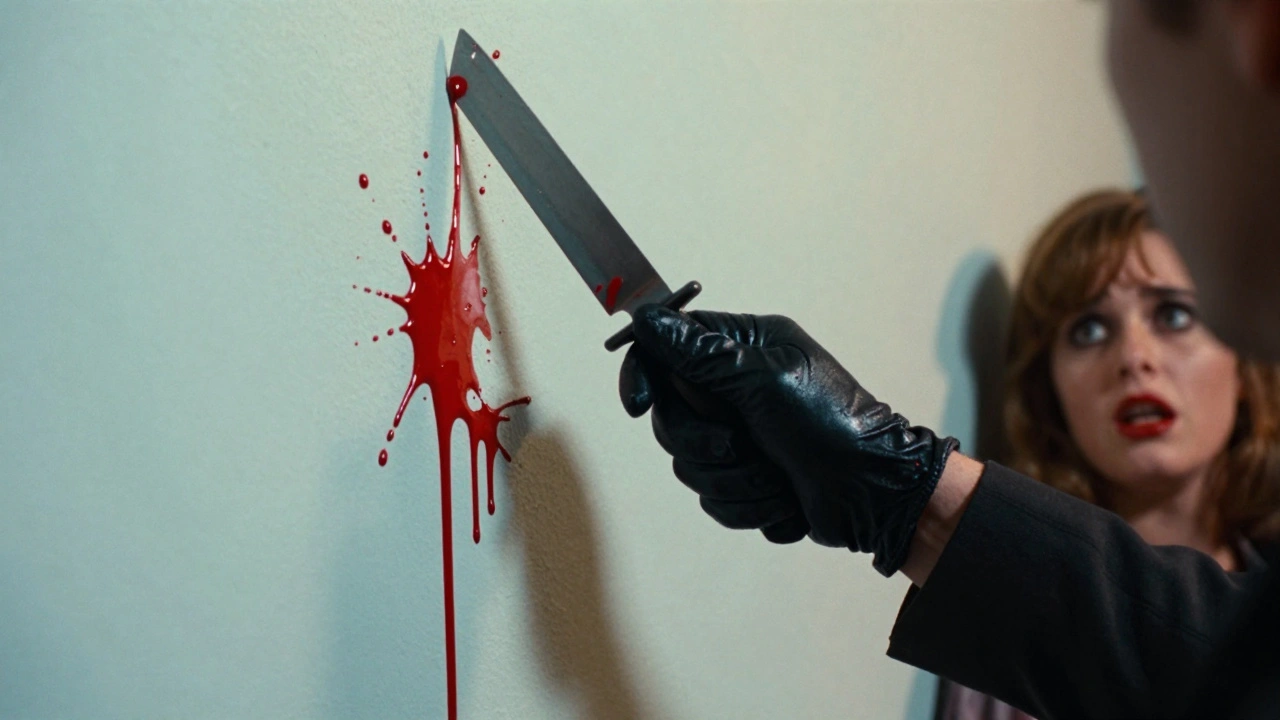
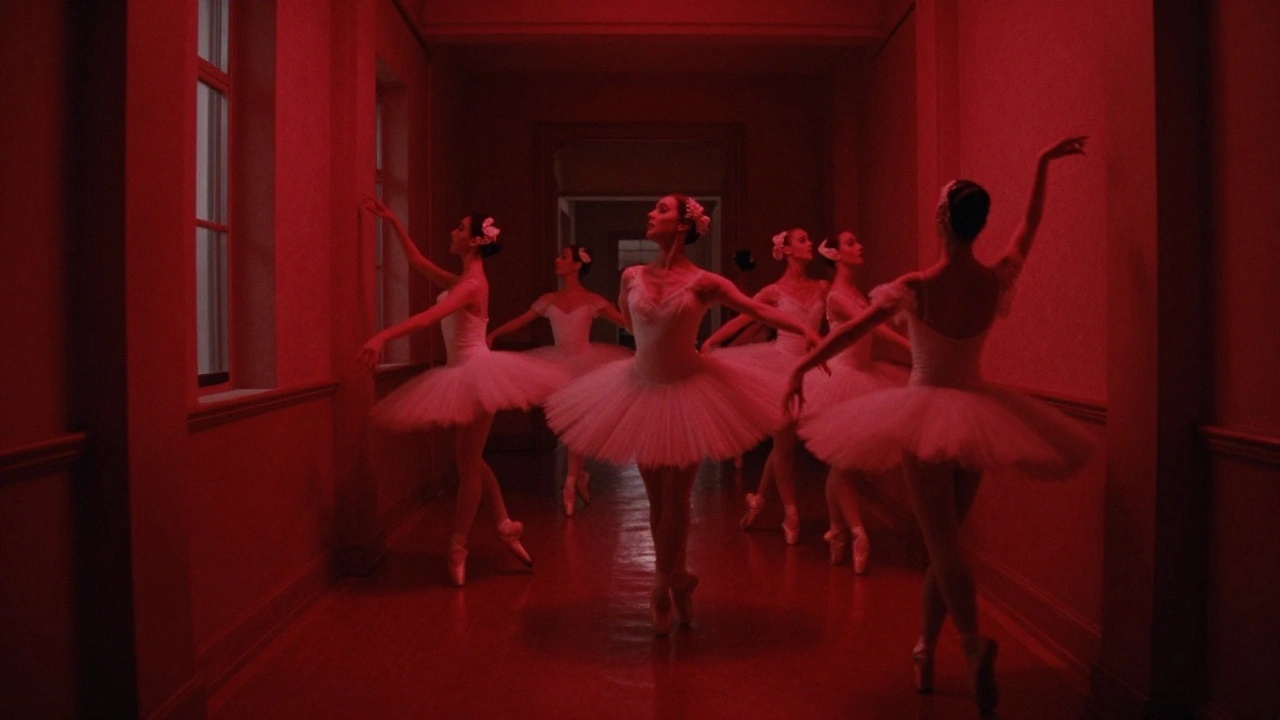
Giallo films have unmistakable traits that set them apart. The killer always wears black gloves, hiding their identity until the final reveal. Murder scenes are artistic and brutal-think razor-sharp weapons, blood splattering in vivid red against pastel backgrounds. The camera often shows the killer's point of view, building suspense as they stalk victims. These films also love red herrings: false clues that mislead both characters and viewers. Soundtracks are equally important. Psychedelic rock or orchestral scores create an unsettling atmosphere. For example, Dario Argento's SuspiriaIconic giallo film with a haunting soundtrack by the band Goblin (1977) uses Goblin's eerie music to amplify every scene.
| Element | Giallo Example | Modern Influence |
|---|---|---|
| Black-gloved killer | Blood and Black Lace (1964) | Michael Myers in Halloween (1978) |
| Psychedelic soundtrack | Suspiria (1977) by GoblinItalian progressive rock band known for creating iconic horror film soundtracks | John Carpenter's synth scores for The Fog (1980) |
| POV killer shots | The Bird with the Crystal Plumage (1970) | Used in Scream (1996) for suspense |
Pioneering Directors and Their Landmark Films
Mario BavaItalian filmmaker who pioneered the giallo genre with his 1964 film 'Blood and Black Lace' is the undisputed father of giallo. His work in Blood and Black Lace introduced the genre's signature style: vivid color filters, elaborate murder sequences, and a focus on visual storytelling over dialogue. Then came Dario ArgentoItalian director who elevated giallo with psychological depth and innovative techniques. His debut The Bird with the Crystal PlumageArgento's first film, featuring a black-gloved killer and intricate mystery plot (1970) became a blueprint for future directors. Argento later perfected the formula in Suspiria, where he combined supernatural elements with giallo's stylistic hallmarks. These directors didn't just make films-they created a visual language that influenced generations.
How Giallo Shaped Modern Horror
Giallo's impact on American horror is undeniable. The slasher genre-think Halloween or Friday the 13th-directly borrowed from giallo. John Carpenter openly admitted stealing the killer's POV shots and synth score style from Argento. Even today, filmmakers like Jordan Peele reference giallo's visual flair in Get Out, using color symbolism and suspenseful pacing. The genre's focus on mystery over gore also shaped psychological thrillers like Se7en. Without giallo, modern horror would lack its distinctive blend of style, suspense, and intricate plotting. It's not just a niche genre-it's the foundation of today's horror landscape.
Why Giallo Still Matters Today
While the golden age of giallo ended in the 1980s, its legacy thrives. Streaming services like Shudder regularly feature giallo classics, introducing them to new audiences. Modern directors like Ti West and Robert Eggers cite giallo as a key influence in films like The House of the Devil and The Witch. Even video games like Resident Evil use giallo-style tension and visual storytelling. The genre's emphasis on artistic expression over cheap scares makes it timeless. In a world saturated with jump scares, giallo reminds us that horror can be beautiful, complex, and deeply unsettling.
What does 'giallo' mean in Italian?
"Giallo" translates to "yellow" in Italian. It refers to the yellow covers of Italian pulp novels from the 1930s that featured mystery and crime stories. Filmmakers later adopted the term for their own stylish horror-thrillers.
Are all Italian horror films considered giallo?
No. Giallo specifically refers to films that follow its unique style: black-gloved killers, mystery plots, and vivid visuals. Other Italian horror films like Lucio Fulci's zombie movies (Zombie, 1979) or supernatural tales (The Beyond, 1981) don't qualify as giallo. The distinction matters because giallo has its own rules and traditions.
Who are the most famous giallo directors?
Mario Bava created the genre with Blood and Black Lace (1964). Dario Argento perfected it with films like The Bird with the Crystal Plumage (1970) and Suspiria (1977). Other key figures include Sergio Martino (Twitch of the Death Nerve, 1971) and Umberto Lenzi (Paranoia, 1973). These directors defined giallo's golden age in the 1960s-1980s.
How did giallo influence American slashers?
John Carpenter directly borrowed from giallo for Halloween (1978). The killer's POV shots, synth soundtrack, and masked antagonist all came from Argento's work. Slashers like Friday the 13th also copied giallo's focus on stylish murder sequences and red herrings. Without giallo, slashers wouldn't have their distinctive visual and narrative style.
Is giallo still being made today?
Yes, though rarely as pure giallo. Modern films like Don't Look Now (1973) or The Nightingale (2018) blend giallo elements with other genres. Directors like Dario Argento continue making giallo-inspired films, such as Ten Witches (2023). Streaming platforms also revive classics, keeping the tradition alive for new audiences.



Comments(10)