Film Distribution: How Movies Reach Audiences Today
When you think of a movie, you probably imagine the story, the actors, the music—but film distribution, the process of getting a movie into theaters, onto streaming services, or into the hands of audiences worldwide. Also known as movie release strategy, it’s what turns a finished film into something people actually watch. Without it, even the best movie gathers dust on a hard drive.
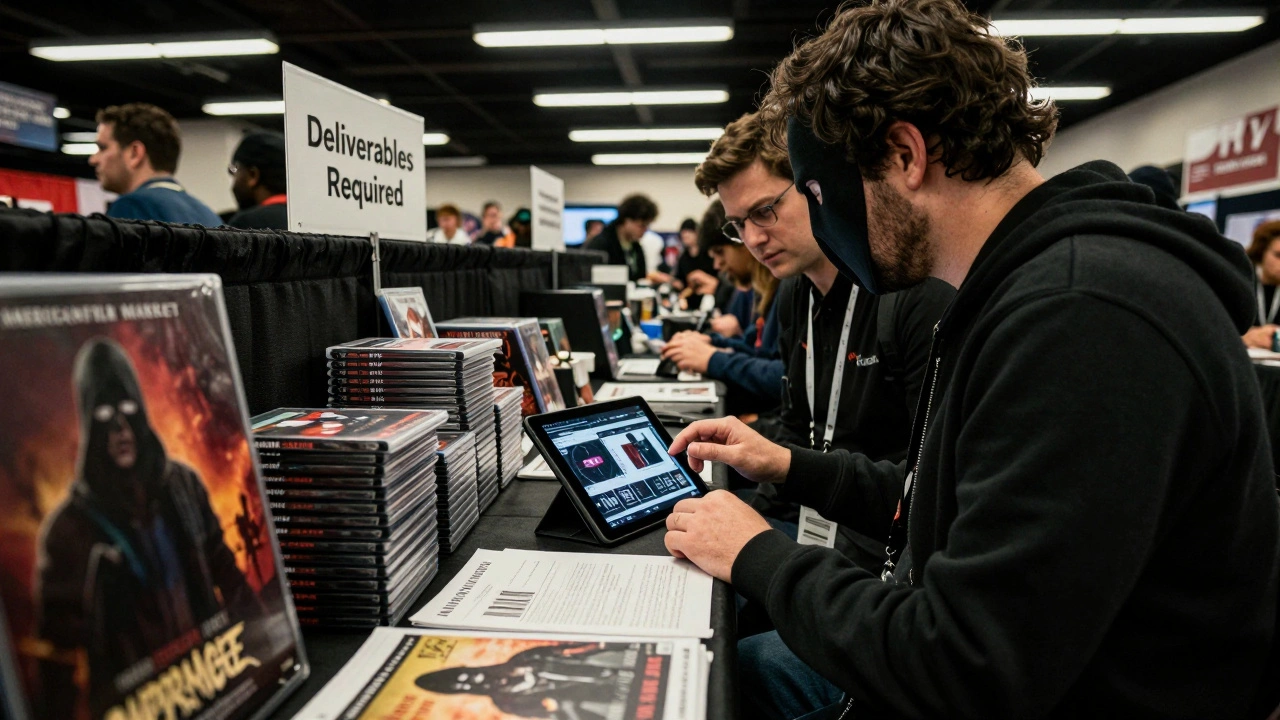
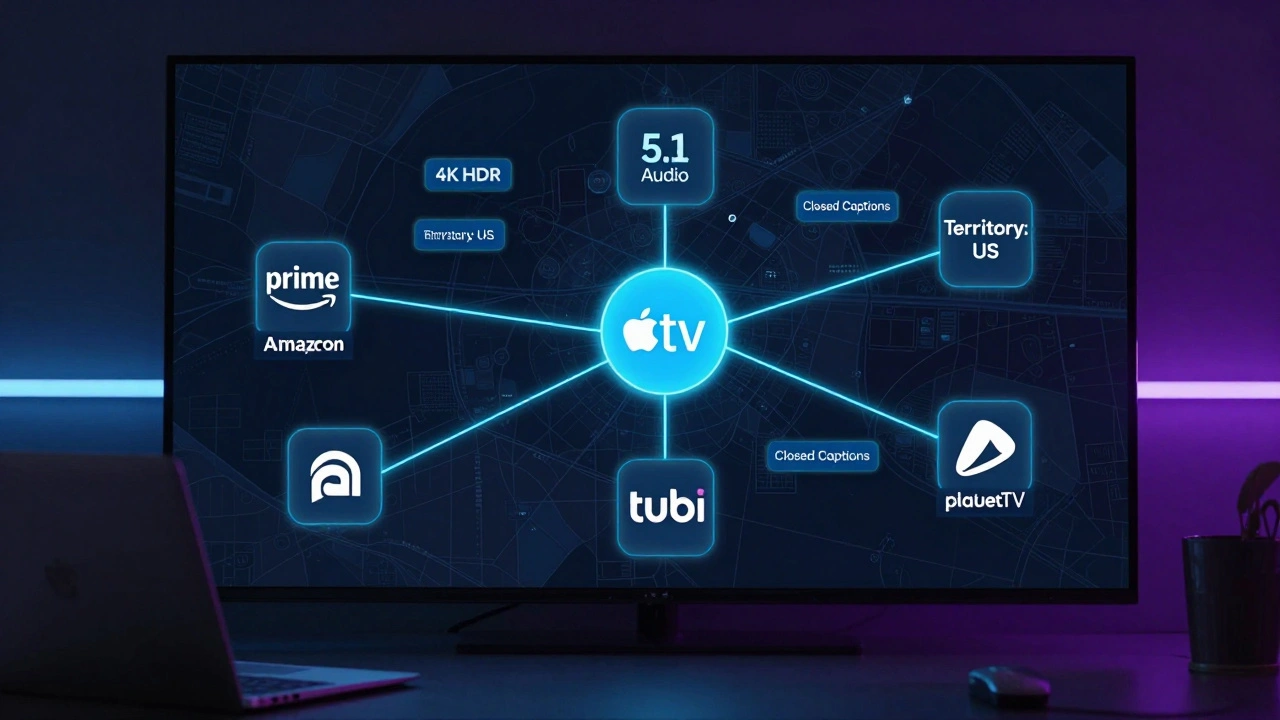
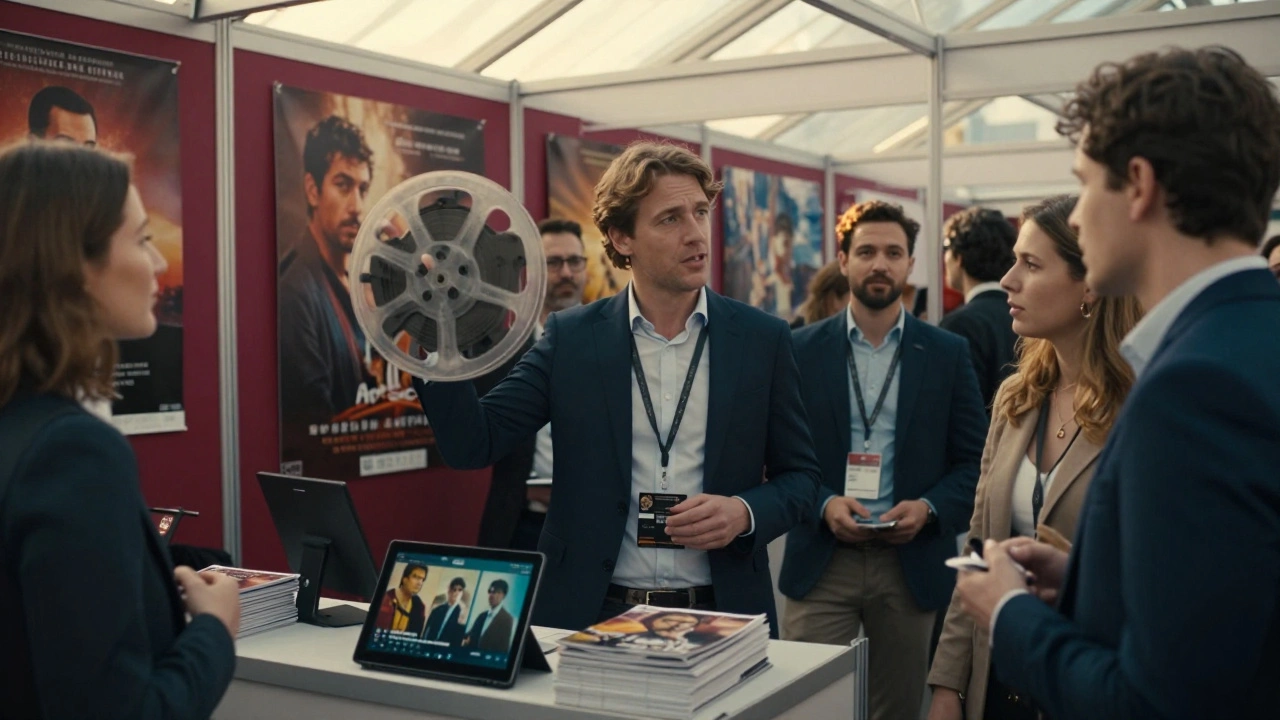
Film distribution isn’t just about sending out copies anymore. It’s a complex chain involving film sales agents, professionals who pitch films to buyers at markets like Cannes and AFM, streaming platforms, companies like Netflix and Apple TV+ that compete for exclusive rights, and film markets, physical and digital spaces where deals are made, not just screened. These aren’t side notes—they’re the engine. A film with great reviews but no distribution deal might as well not exist. Indie filmmakers know this better than anyone. They don’t wait for studios to pick them up. They build email lists, target niche audiences, and use cross-promotion to create demand before the film even drops.
What’s changed? The old model—wide theatrical release, then DVD, then TV—is gone. Now, a film might launch at a virtual festival, get picked up by a streamer, then drop with zero marketing. Or it might play in ten cities for two weeks, then go straight to VOD. The rules are fluid. That’s why knowing how to pitch to streamers, how to value a film library, or how to use film festivals as launchpads isn’t optional—it’s survival. The posts below break down exactly how this works: from the legal side of getting permissions to the real tactics sales agents use to close deals, from how Hello Kitty outperformed big-budget originals to how haptics and virtual production are changing how films are sold and experienced. You won’t find fluff here. Just the real moves behind getting a movie seen.