Five years ago, an independent filmmaker had to beg for a slot at a film festival just to get noticed. Now, they can upload their movie to a streaming platform and reach millions before the credits roll. The old system-film festivals, theatrical releases, regional distributors-was slow, expensive, and stacked against outsiders. Today, streaming platforms have flipped the script. Distribution isn’t controlled by gatekeepers anymore. It’s open to anyone with a hard drive and a story.
The Death of the Theatrical Gatekeeper
Before streaming, getting your indie film into a theater meant winning over a distributor. They decided which films got screens, how many, and for how long. Most indie films never made it past the first round. Even if you won Sundance, you still needed a distributor with cash to buy your film, pay for prints, and rent theaters. Many filmmakers ended up with a check for $50,000 and zero control over how their movie was marketed-or if it was marketed at all.
Now, platforms like Netflix, Amazon Prime Video, Apple TV+, and even niche services like MUBI and Shudder buy films directly from creators. No middleman. No bidding war. Just a contract. In 2024, over 60% of films that premiered at Sundance were picked up by streaming services, not traditional distributors. That’s up from 28% in 2018. Theaters are no longer the only path to visibility.
Global Reach Without the Global Budget
Before, an indie film shot in rural Ohio might never be seen outside the Midwest. To reach international audiences, you needed foreign sales agents, dubbed versions, and deals with distributors in 10 different countries. Each step cost money. Most indie filmmakers didn’t have it.
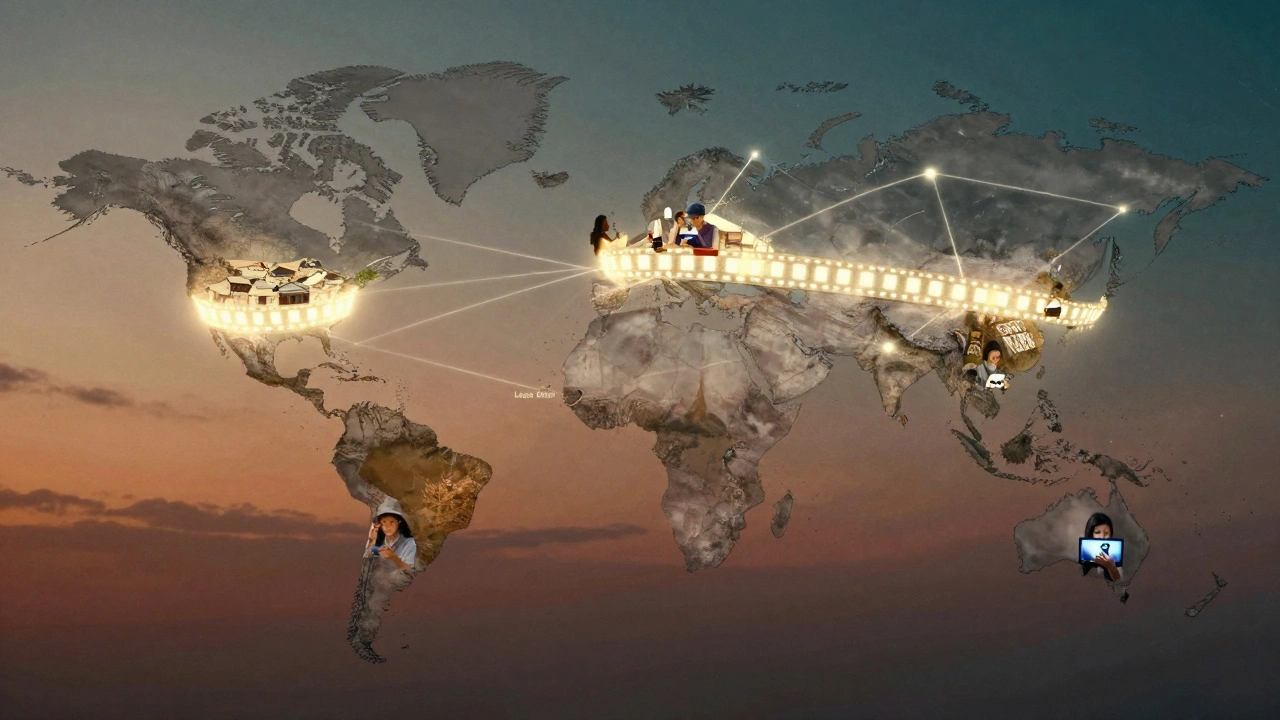
Streaming changed that. A film uploaded to Netflix in the U.S. can be watched the same day in Lagos, Tokyo, or Buenos Aires. Subtitles are added automatically. Algorithms recommend it to viewers who like similar genres. No need to rent a theater in Brazil. No need to hire a translator. A filmmaker in Detroit can have their film viewed by 200,000 people in Spain without ever leaving their kitchen.
Take Minari-a low-budget film made for $2.5 million. It earned $20 million in box office revenue, but its real success came after it landed on streaming. By 2023, it had been streamed over 12 million times globally. That kind of reach was impossible a decade ago.
Direct Revenue Models and Creative Freedom
Traditional distribution paid filmmakers a flat fee-often far below production cost. Once the deal was signed, the filmmaker lost all rights. The distributor could edit the film, change the title, or bury it in a catalog.
Streaming platforms now offer more flexible deals. Some pay upfront. Others offer revenue sharing. A few even let filmmakers keep ownership. On platforms like Vimeo On Demand or Seed&Spark, indie creators can upload their films and keep 80-90% of every dollar earned. No studio cuts. No middlemen taking 50%.
That freedom extends to creative control. A director doesn’t have to add a happy ending just because a distributor thinks audiences won’t like a tragic one. A filmmaker can release a 2-hour 45-minute experimental piece and still find an audience. In 2023, 37% of films on MUBI were over 120 minutes long-something that would have been deemed “unmarketable” in theaters.
The Algorithm Isn’t Perfect, But It’s Fairer
Yes, the algorithm favors big titles. A new Marvel movie will dominate the homepage. But indie films don’t need to be #1 to succeed. They just need to find their niche.
Platforms use data to match viewers with content they’ll love. Someone who watches Parasite might get recommended The Lighthouse. Someone who likes slow-burn dramas might stumble on a quiet film about a retired fisherman in Maine. These aren’t broad strokes-they’re precise matches.
One filmmaker in Oregon released a 14-minute documentary about her father’s Alzheimer’s. It didn’t win awards. But within six months, it was streamed over 80,000 times. Viewers left comments: “This is my story.” “I didn’t know I wasn’t alone.” That kind of impact doesn’t show up in box office numbers. But it matters.
What’s Missing? Visibility and Fair Pay
Streaming hasn’t fixed everything. The biggest platforms still pay low upfront fees. Many indie filmmakers get $10,000 to $50,000 for a film that cost $200,000 to make. That’s not enough to break even. Revenue sharing sounds great-but if your film only gets 5,000 streams, you’re not making rent.
And discovery is still a challenge. There are over 100,000 films on Netflix alone. Without marketing budgets, even great films can disappear. Some filmmakers spend more time promoting their own work on social media than they did making it.
But here’s the thing: the power has shifted. You don’t need a studio to get your film seen. You just need to know how to use the tools.
How Filmmakers Are Adapting
Successful indie filmmakers today don’t just make movies-they build audiences. They post behind-the-scenes clips on TikTok. They host live Q&As on YouTube. They partner with niche communities: film clubs, mental health advocates, LGBTQ+ groups. They treat their film like a product launch, not just an art piece.
Some use platforms like FilmFreeway to submit to festivals that also partner with streaming services. Others work with aggregators like Distribber or Seed&Spark to get their films onto multiple platforms at once. A few even self-distribute, using tools like Vimeo’s monetization system to sell directly to viewers.
One filmmaker in New Orleans spent $3,000 on a Facebook ad campaign for her film about Hurricane Katrina survivors. It cost less than a single theater rental. It got 120,000 views. She made $18,000 in sales. She didn’t need a distributor. She just needed to know who her audience was.
The New Rules of Distribution
The old rules are gone. You don’t need a big budget. You don’t need a famous actor. You don’t even need a theater. What you need now:
- A finished film (even if it’s low-budget)
- A clear target audience
- A plan to reach them-on social media, via email lists, through niche communities
- A distribution strategy: upload to one platform, or use an aggregator?
- A realistic budget for promotion
And most importantly: patience. Success doesn’t happen overnight. But it can happen without permission.
What’s Next?
Streaming platforms are still evolving. Some are testing direct-to-consumer subscriptions for indie films. Others are letting filmmakers set their own prices. AI tools are making translation and subtitling cheaper. Virtual reality screenings are starting to appear.
The future isn’t about bigger budgets. It’s about smarter connections. The filmmaker who understands their audience, uses the tools, and stays persistent will win-not the one with the most money.
Independent film isn’t dying. It’s just moving online. And for the first time, the people who make these films are in control.
Do streaming platforms pay indie filmmakers fairly?
It depends. Major platforms like Netflix and Amazon often pay flat fees that don’t cover production costs-sometimes as low as $10,000 for films that cost $200,000 to make. But platforms like Vimeo On Demand and Seed&Spark let filmmakers keep 80-90% of revenue from direct sales. Revenue sharing is possible, but only if your film finds a strong audience. Fair pay isn’t guaranteed, but control over earnings is now within reach.
Can I distribute my film without a distributor?
Yes. Many indie filmmakers now self-distribute using platforms like Vimeo On Demand, Tubi, or Kanopy. Aggregators like Distribber or FilmHub can help you upload to multiple services at once. You’ll handle marketing yourself, but you’ll also keep more of the revenue and maintain creative control. It’s harder, but it’s possible-and increasingly common.
Is film festival success still important for indie films?
It’s less critical than it used to be, but still valuable. Festivals like Sundance or Tribeca still attract buyers and generate buzz. But many filmmakers now skip festivals entirely and go straight to streaming. The key is not the festival-it’s the audience. If you can build an audience online, you don’t need a red carpet.
How do I get my film noticed on streaming platforms?
You have to promote it. Use social media to share behind-the-scenes clips, trailers, and personal stories tied to your film. Engage with niche communities-film blogs, Reddit threads, Facebook groups. Run targeted ads on Facebook or Instagram. Send your film to influencers who review indie films. The algorithm won’t find your film unless someone clicks on it first.
What’s the best platform for indie filmmakers in 2025?
There’s no single best platform. Netflix and Amazon pay more upfront but take more control. Vimeo On Demand gives you the most freedom and revenue share. MUBI is great for arthouse films. Tubi and Crackle are free ad-supported options with large audiences. Consider uploading to multiple platforms or using an aggregator like FilmHub to cast a wider net.



Comments(5)