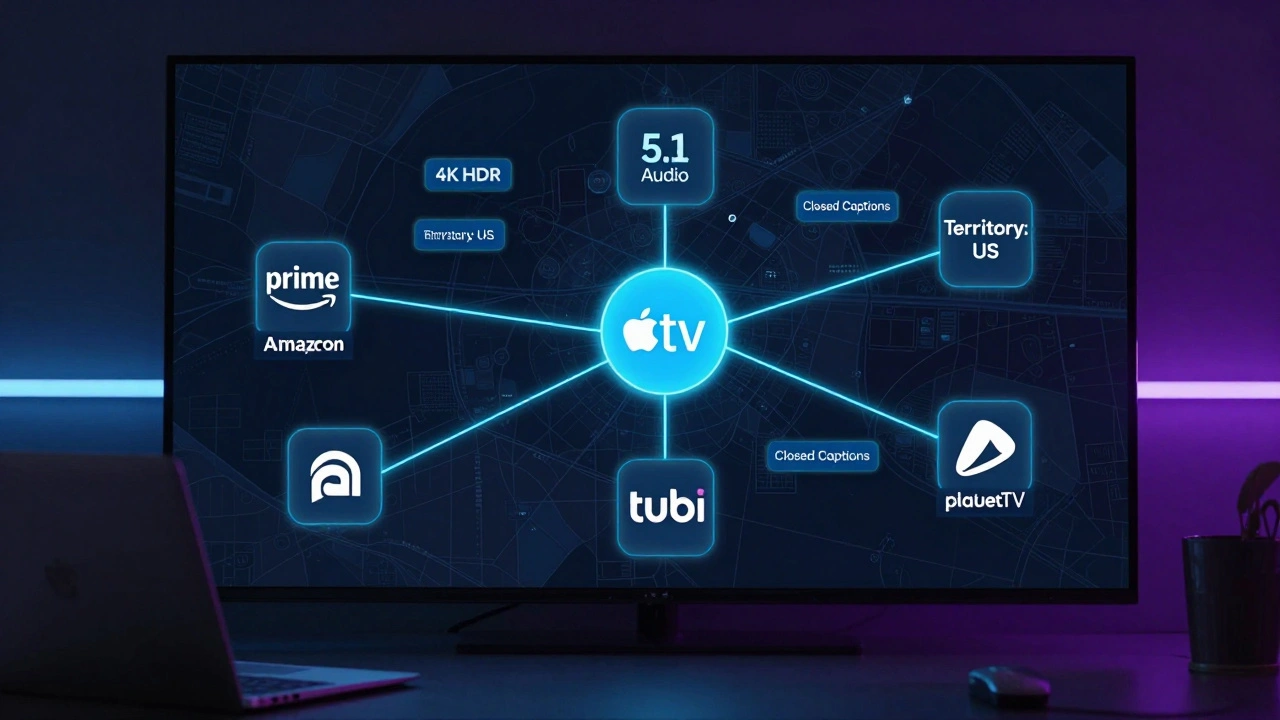
Getting your film onto Netflix, Apple TV, Amazon Prime, or Hulu isn’t as simple as uploading a file. Even if you’ve finished editing, scored the soundtrack, and designed the poster, you’re still stuck unless you know how to navigate the digital distribution pipeline. That’s where digital aggregators come in - they’re the middlemen who turn your indie film into something platforms actually accept. But not all aggregators are created equal. Some charge hidden fees. Others lock you into long contracts. And a few don’t even deliver to the platforms you need.
What Exactly Is a Digital Aggregator?
A digital aggregator is a company that acts as a bridge between independent filmmakers and streaming services. They handle the technical and administrative work: formatting your video files to meet each platform’s specs, creating metadata (titles, descriptions, cast credits), managing rights and territories, and submitting everything on your behalf. Think of them as your film’s shipping agent - they don’t make the movie, but they make sure it gets to the right store shelves.
Before aggregators, filmmakers had to negotiate directly with each platform. That meant filling out separate forms for Netflix, Hulu, and YouTube, each with different file requirements, deadlines, and legal docs. For a single film, that could take weeks. With an aggregator, you submit once - and they handle the rest across dozens of platforms.
Today’s top aggregators like Digital Film Distributors a global film distribution service that connects indie filmmakers with major streaming platforms including Netflix, Amazon, Apple TV, and Tubi, Vimeo OTT a platform that allows filmmakers to distribute and monetize films directly to audiences across streaming services and their own branded channels, and Cinedigm a media company that provides digital distribution, marketing, and monetization services for independent films and documentaries handle everything from 4K HDR encoding to regional licensing restrictions. They’re not just file uploaders - they’re distribution engineers.
How Digital Aggregators Work: The Step-by-Step Process
Here’s how it actually works when you use a digital aggregator:
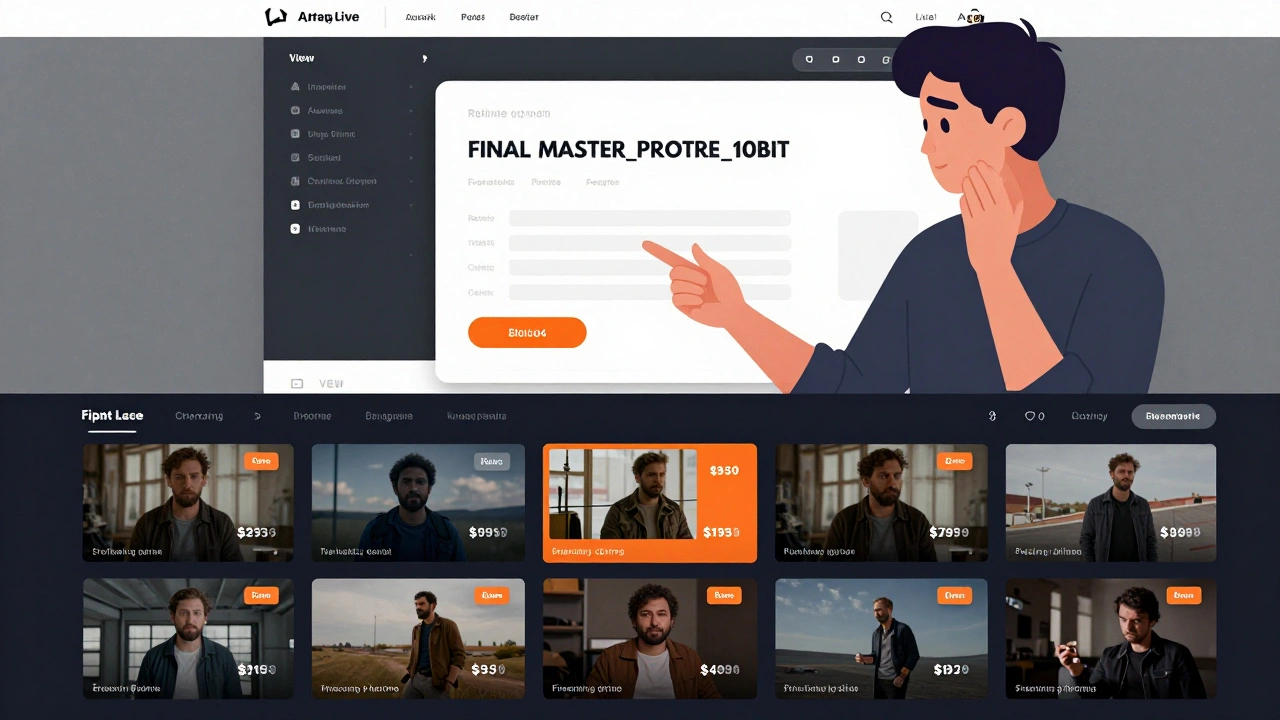
- You upload your final master file - usually a 10-bit ProRes or DNxHR file with 5.1 audio - to the aggregator’s portal.
- You fill out metadata: title, genre, runtime, cast, crew, synopsis, and content ratings (like PG-13 or R).
- You select which platforms you want to target: VOD (Video on Demand), AVOD (Advertising-Based VOD), SVOD (Subscription VOD), or TVOD (Transactional VOD).
- You set territorial rights: which countries you’re releasing in, and whether you’re excluding certain regions due to existing deals.
- The aggregator converts your file to each platform’s exact specs - Apple requires different codecs than Amazon, and Tubi needs closed captions in a specific format.
- They submit your film to each platform, often with custom cover art and promotional assets.
- Once approved, your film goes live, and you start earning revenue.
Most aggregators take a cut - usually between 10% and 20% of your earnings. Some charge upfront fees, while others work on revenue share only. The best ones give you real-time dashboards showing views, revenue by platform, and geographic breakdowns. You should always get access to your own financial reports - if they don’t offer that, walk away.
Platforms That Accept Aggregated Films
Not every platform is open to indie films. Big names like Netflix and Hulu have strict acquisition teams and rarely take submissions from aggregators unless you have a proven track record. But many others actively rely on aggregators to fill their libraries.
Here are the platforms that regularly accept films through aggregators:
| Platform | Type | Revenue Model | Typical Pay per View | Minimum Runtime |
|---|---|---|---|---|
| Amazon Prime Video | SVOD/TVOD | Royalty share + rental | $0.50-$3.00 | 40 minutes |
| Apple TV+ | SVOD/TVOD | Royalty share | $1.00-$4.00 | 45 minutes |
| Tubi | AVOD | Ad revenue share | $0.05-$0.20 per view | 30 minutes |
| Pluto TV | AVOD | Ad revenue share | $0.04-$0.18 per view | 25 minutes |
| YouTube (Premium) | SVOD | Royalty share | $0.10-$0.50 per view | 40 minutes |
| Peacock | SVOD/AVOD | Royalty share | $0.20-$1.50 | 40 minutes |
| Crunchyroll | SVOD | Royalty share | $0.30-$2.00 | 45 minutes |
Notice something? AVOD platforms like Tubi and Pluto TV pay less per view - but they have huge audiences. If your film gets 50,000 views on Tubi at $0.10 per view, that’s $5,000. That’s more than many filmmakers make from a single theatrical screening. And since these platforms are always hungry for content, turnaround times are faster - sometimes under two weeks.
Why You Can’t Skip the Aggregator
You might think: “I can just upload my film to YouTube or Vimeo and call it a day.” But that’s not distribution - that’s self-publishing. Here’s why that’s not enough:
- No access to premium platforms: Netflix, Apple TV, and Amazon Prime don’t accept direct uploads from individuals. Only approved distributors can submit.
- Metadata matters: Platforms use metadata to recommend your film. If your genre tag is wrong or your cast list is incomplete, your film won’t show up in searches.
- Revenue tracking is messy: On YouTube, you’re stuck with Google’s opaque analytics. Aggregators give you clean, platform-by-platform earnings reports.
- Regional rights get ignored: If you release your film in the U.S. but someone in Germany streams it, you’re losing money. Aggregators lock down territory-specific rights so you’re not giving away revenue.
- Content ID issues: If your film has licensed music, platforms like YouTube may claim your video. Aggregators help you clear rights in advance or replace tracks to avoid takedowns.
One filmmaker from Austin uploaded his documentary to YouTube and Vimeo. He got 80,000 views - but only made $1,200. When he used an aggregator to distribute the same film to Tubi, Pluto TV, and Amazon, he earned $14,000 in six months. The difference wasn’t the film - it was the distribution.
Choosing the Right Aggregator: What to Look For
Not all aggregators are trustworthy. Some charge $300 just to submit your film. Others lock you into 3-year contracts. Here’s what actually matters:
- Revenue share: Avoid upfront fees if you can. Look for services that take 15% or less of your earnings. If they charge $200+ to submit, ask what you’re getting for that money.
- Platform access: Does the aggregator deliver to the platforms you care about? Some only do Amazon and YouTube. If you want Apple TV or Peacock, confirm it first.
- Reporting: Can you see real-time earnings? Do they break it down by platform, country, and revenue type? If they only send quarterly emails, run.
- Contract terms: Is it exclusive? Can you pull your film after 6 months? Avoid any agreement that says “exclusive rights for 5 years.”
- Support: Do they have a real support team? Or is it an automated system? If your file gets rejected by Apple, you need someone who can fix it fast.
For most indie filmmakers, DistroKid a digital distribution service that allows filmmakers and musicians to distribute content to streaming platforms with transparent pricing and no long-term contracts and Filmhub a film distribution platform that connects independent creators with global streaming services and offers flexible revenue models are the most reliable options. Both have no upfront fees, clear reporting, and access to over 20 platforms.
The Hidden Cost: Film Windows and Release Strategy
It’s not enough to just upload your film. You need a release strategy. That’s where “windows” come in.
A film window is the time period during which your film is available on a specific platform or format. Traditional films follow this order:
- Theatrical release
- Home video (DVD/Blu-ray)
- Pay-TV (HBO, Showtime)
- Free TV (broadcast networks)
- Streaming (SVOD/AVOD)
But for indie films, that model doesn’t work. Theatrical runs are expensive and rarely profitable. Most indie films now use a “day-and-date” strategy: release on streaming and VOD at the same time as a limited screening.
Aggregators let you control your windows. You can:
- Release on AVOD platforms (Tubi, Pluto) first to build buzz
- Wait 30 days before hitting SVOD (Amazon, Apple)
- Hold back from YouTube for 6 months to avoid cannibalizing paid views
One documentary filmmaker released his film on Tubi in January, then moved it to Amazon Prime in March. He made $8,000 in the first month on Tubi, then $15,000 in the next two months on Amazon. By staggering the release, he doubled his total earnings.
What Happens After Your Film Goes Live?
Getting your film on a platform is just the beginning. Now you have to get people to watch it.
Aggregators don’t market your film. That’s your job. But they give you the tools:
- Access to your film’s official page on each platform - use that link everywhere.
- Downloadable posters, trailers, and press kits to share on social media.
- Analytics on where viewers are coming from - use that to target ads.
Don’t wait for the algorithm to find you. Run a $50 Facebook ad targeting people who liked similar films. Email your cast and crew to share it with their networks. Get a local newspaper to write a feature. A film that gets 500 views organically might get 5,000 with a small push.
And track your results. If your film makes $2,000 in 30 days on Amazon, that’s a success. If it makes $500 on Tubi, that’s still better than nothing. Use the data to plan your next release.
Common Mistakes Filmmakers Make
Even experienced filmmakers mess up distribution. Here are the top errors:
- Uploading the wrong file format: 8-bit H.264 files get rejected by Apple and Amazon. Use 10-bit ProRes or DNxHR.
- Missing closed captions: Platforms require captions. Use a professional service - don’t rely on auto-generated ones.
- Using copyrighted music: Even 10 seconds of a pop song can get your film removed. Use royalty-free tracks or clear rights.
- Not setting territories: If you don’t restrict your film to the U.S., someone in the UK might stream it - and you lose the revenue.
- Waiting too long to distribute: The longer you wait, the less buzz you have. Get your film out within 3 months of finishing.
One filmmaker spent six months polishing his film - then submitted it to an aggregator the day before the Sundance premiere. His film was rejected because the platform required a 90-day lead time. He missed the entire window.
Final Thoughts: Scale Doesn’t Mean Compromise
Digital aggregators don’t make your film better. But they make it visible. They turn a single movie into a scalable product - one that can earn money across dozens of platforms, in dozens of countries, for years to come.
You don’t need a studio budget. You don’t need a sales agent. You just need the right aggregator, the right file, and the right strategy. The tools are there. The platforms are waiting. All you have to do is press submit.
Do digital aggregators own my film rights?
No. Reputable aggregators never claim ownership of your film. They act as distributors - they help you sell your content but don’t own it. Always read the contract. If it says you’re granting “exclusive rights” or “transfer of copyright,” don’t sign it. Look for terms like “non-exclusive distribution license” - that’s the standard.
How long does it take for a film to go live after submission?
It varies by platform. AVOD services like Tubi and Pluto TV can approve your film in 7-14 days. SVOD platforms like Amazon and Apple take 4-8 weeks because they review content more carefully. Always plan at least 6-8 weeks before your desired release date. Don’t wait until the last minute.
Can I distribute my film myself without an aggregator?
You can upload to YouTube, Vimeo, or Facebook - but you won’t get access to major platforms like Netflix, Apple TV, or Amazon Prime. Those require a licensed distributor. Aggregators are the only legal way for independent filmmakers to reach those services. Self-distribution works for building an audience, but not for scaling revenue.
How much money can I realistically make?
It depends on your film’s quality, genre, and marketing. Most indie films earn between $1,000 and $20,000 in their first year across all platforms. Documentaries and niche genres (like horror or LGBTQ+) often perform better on AVOD platforms. A well-marketed film with strong metadata can earn $50,000+ over time. Don’t expect a blockbuster - but don’t underestimate consistent, long-term earnings.
Do I need a producer’s bond or insurance to use an aggregator?
No. Most aggregators don’t require insurance or bonds for indie films. They only ask for proof of rights - like signed release forms from cast and crew, and music clearances. Insurance is usually needed for theatrical releases, not digital distribution. Check with your aggregator, but don’t let fear of paperwork stop you.
Can I change my film after it’s live on platforms?
You can update metadata - like the synopsis, cast list, or genre tags - at any time. But you can’t swap out the video file without submitting a new version, which means going through approval again. If you find a color grading error or audio glitch, fix it before you submit. Once it’s live, changing the master file is difficult and can delay your earnings.
Next steps: Pick one aggregator, prepare your master file in ProRes 10-bit, write a clear synopsis, and submit. Don’t wait for perfect. Just start.




Comments(9)