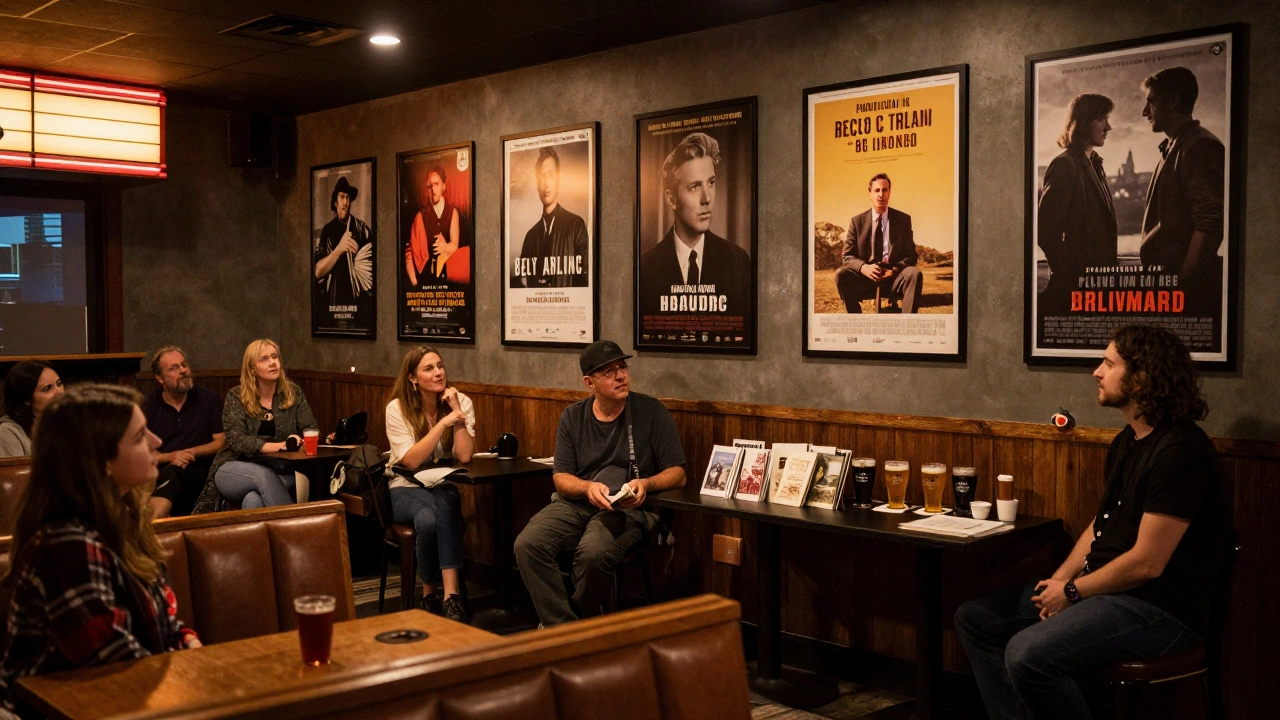
Movie theaters aren’t just showing films anymore-they’re making choices. In a world where you can stream anything from your couch, theaters have to earn their place. It’s not enough to have a screen and a projector. The real competition isn’t with other theaters. It’s with Netflix, Amazon Prime, and TikTok clips that last 60 seconds. So how do cinema chains stand out? They’ve become curators.
Why Curating Films Beats Playing Everything
Ten years ago, a multiplex would book every major studio release, hoping something would stick. Now, they’re selective. AMC, Regal, and independent chains like Alamo Drafthouse don’t just show what’s new-they show what matters. They ask: Does this film connect with our community? Will it spark conversation? Will people drive 20 miles for it? In 2024, AMC dropped 12% of the films offered by major studios because they didn’t fit their audience profile. Instead, they added niche foreign films, restored classics, and local documentaries. The result? Attendance among 25-40-year-olds rose 18% in markets where they leaned into curation. This isn’t about being artsy. It’s about survival. People don’t go to the movies to see the same thing they can watch at home. They go for something they can’t get anywhere else.The Rise of the Local Lens
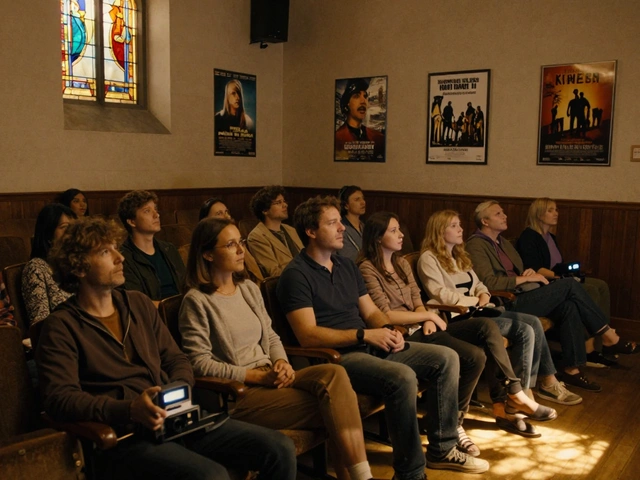
Cinema chains are starting to treat their theaters like community centers. In Asheville, the Malaprop’s Cinema doesn’t just show indie films-it partners with local filmmakers. Every Friday night, a short film made by a North Carolina student screens before the main feature. Tickets include a Q&A with the director. It’s not a marketing gimmick. It’s a loyalty builder. Same thing in Portland. The Bagdad Theater books one local documentary per month. They sell tickets through neighborhood Facebook groups. They host post-screening coffee chats with historians or activists featured in the film. Attendance doesn’t spike because of the movie-it spikes because of the experience. Big chains are catching on. Regal launched its "Local Lens" program in 2023, giving 150 theaters across the U.S. a budget to book one regional film per quarter. In Austin, a film about Texas water rights drew 400 people in a 600-seat theater. That’s a sell-out for a documentary.What Makes a Film "Worth the Trip"?
Not every film deserves a theater screen. Theaters now use four filters to decide what to show:- Community fit - Does this film reflect the people who live nearby? A theater in Detroit won’t book a Hawaiian surfing doc unless it ties into local culture.
- Conversation potential - Will people talk about it afterward? Films with strong themes-identity, justice, climate-are more likely to get repeat viewers.
- Exclusivity - Can you only see this in theaters? Limited runs, director’s cuts, or live Q&As with filmmakers make a difference.
- Experience design - Is the screening paired with something extra? Themed snacks, live music, costume contests, or post-show panels turn a movie into an event.

How Indie Films Win Big in Theaters
Indie distributors used to beg theaters for slots. Now, they pitch them like events. A film like The Quiet Hour, a low-budget drama about grief in rural Ohio, didn’t get a wide release. But it landed in 47 theaters that specialized in emotional, character-driven stories. Each theater tailored the rollout. In Minneapolis, they partnered with a local mental health nonprofit. In Santa Fe, they hosted a poetry night before the screening. In Asheville, they printed a zine with essays from viewers who’d lost someone. The film made $1.2 million-almost all from theaters. No streaming platform would have given it that kind of reach. Why? Because theaters didn’t just show it. They built a movement around it.Big Studios Are Losing Control
Hollywood used to dictate what you’d see. Now, exhibitors hold the keys. When Sony released Challengers in 2024, they pushed for wide release. But AMC, which had a strong base of young female viewers, asked for a staggered rollout: limited release in 50 cities with high engagement, then expand based on word-of-mouth. They turned the premiere into a social event. Fans dressed as characters. Theaters gave out custom playlists. Ticket sales in those cities were 2.5x higher than in markets that just showed it on opening day. The lesson? Studios still make the films. But theaters decide who sees them-and how.Special Screenings Are the New Blockbusters
The biggest draw isn’t the latest Marvel movie. It’s the midnight showing of Blade Runner 2049 with a live orchestra. Or the 4K restoration of Metropolis with a lecture on silent film history. Or the family-friendly screening of My Neighbor Totoro with free popcorn and Japanese tea. These aren’t gimmicks. They’re strategy. In 2024, special events made up 22% of total theater revenue-up from 9% in 2019. Theaters that focus on these events have higher retention. People don’t just come for one movie. They come for the next one. Alamo Drafthouse’s "Cinema & Beer" series-where each screening pairs with a craft brew from a local brewery-now draws 80,000 people a year. That’s more than most indie films get in wide release.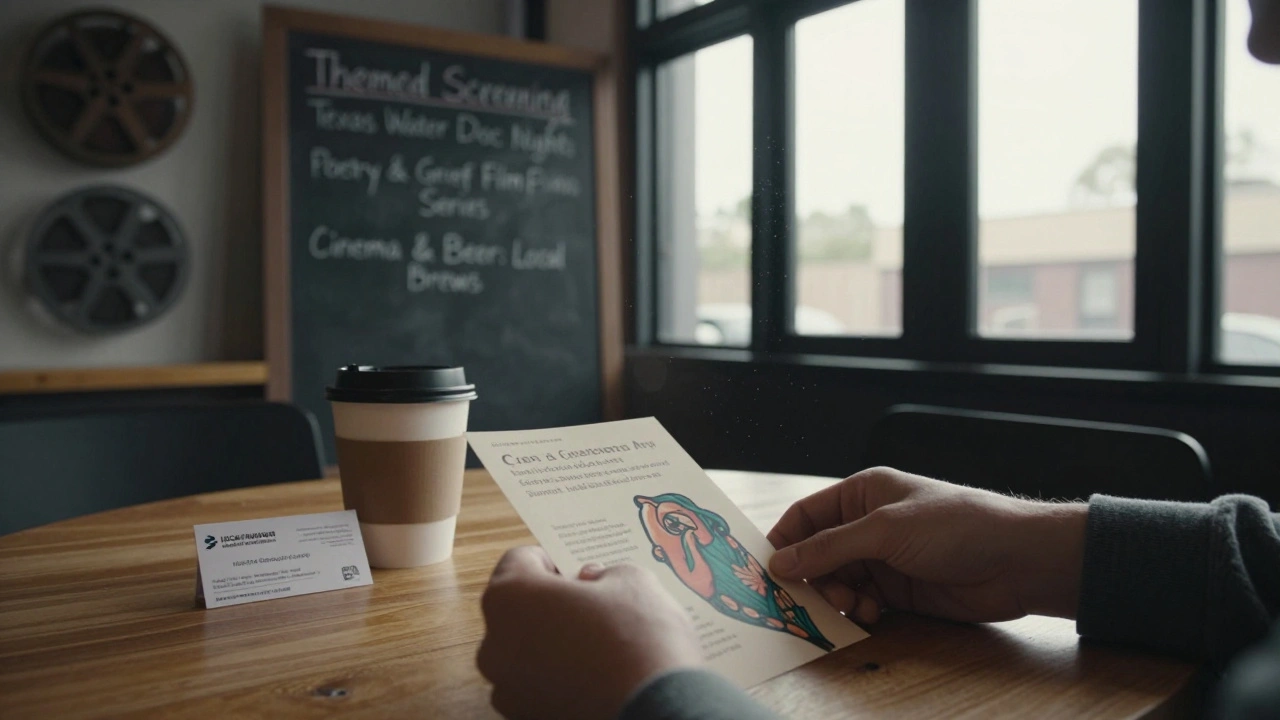
What’s Next for Theater Curation?
The next wave is personalization. Some theaters are testing AI-driven recommendation boards. After you buy a ticket, you’re asked: "What kind of mood are you in?"-then shown a tailored list of upcoming films. It’s not Netflix-style algorithmic spam. It’s human-guided. A curator picks the top 5 options based on your past choices and local trends. Others are experimenting with membership tiers. For $15 a month, you get first pick of curated films, exclusive events, and a free drink. In Nashville, the Belcourt Theatre’s membership program has grown 65% in two years. Theaters aren’t just selling seats. They’re selling belonging.Why This Matters for Film Distribution
The old model-distributors push, theaters take-no longer works. Now, theaters are shaping what gets made. A producer in Brooklyn knows that if they make a film with strong regional themes, Alamo or the Music Box in Chicago will pick it up. That changes how films are funded, shot, and edited. It’s also reshaping awards. The Oscars used to be driven by studio campaigns. Now, a film like The Holdovers gained traction because theaters kept playing it for months, building word-of-mouth. That’s how it got nominated. Theaters aren’t just the last stop in the pipeline. They’re the filter.Why do movie theaters care what films they show now?
Because people can watch most new movies at home. To survive, theaters have to offer something streaming can’t-community, exclusivity, and experience. Curating films helps them build loyalty and turn a simple movie night into a reason to leave the house.
Do big chains like AMC and Regal really pick their own films?
Yes. While they still show major studio releases, they now have teams that review films for local fit, cultural relevance, and audience demand. Many theaters reject up to 30% of offered films each month. They’re not just booking-they’re editing the lineup.
Can small indie films still make money in theaters?
Absolutely. In 2024, over 40% of indie films that made over $1 million did so through targeted theater releases-not streaming. Theaters that curate well give these films a platform that’s more profitable than digital platforms, especially with live events and community partnerships.
What’s the difference between a theater showing a film and curating it?
Showing a film means playing it. Curating means selecting it based on audience, pairing it with an experience, and building context around it-like Q&As, themed events, or local partnerships. Curating turns a screening into an event.
Are movie theaters becoming like museums or galleries?
In many ways, yes. They’re not just displaying content-they’re interpreting it. Like a gallery curator chooses which art to display and how to frame it, theaters now choose which films to highlight and how to present them. The goal isn’t just profit-it’s cultural relevance.


Comments(5)