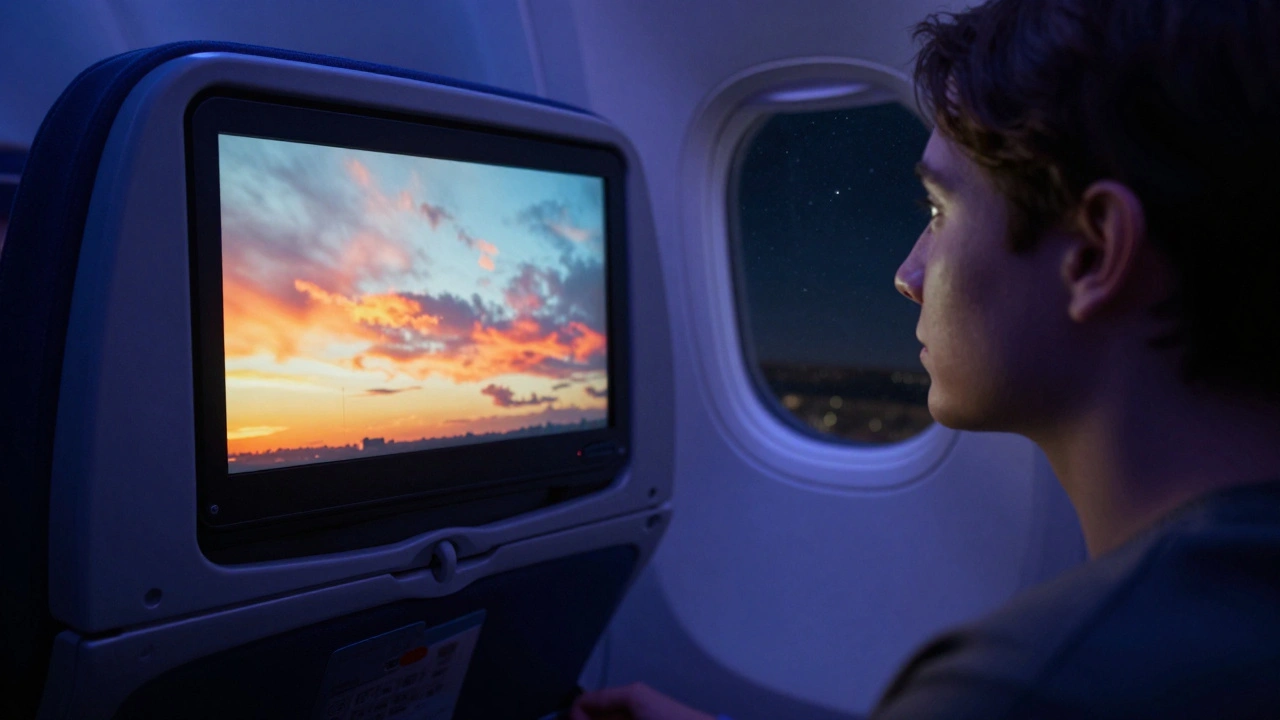
Did you know that a single film can earn over $1 million from in-flight entertainment alone? Most filmmakers focus on theaters and streaming, but ancillary rights unlock hidden revenue streams in unexpected places like airlines, hotels, and schools. These secondary distribution channels are often overlooked, yet they can significantly boost a film's earnings.
What Are Ancillary Rights in Film Distribution?
Ancillary rights refer to secondary revenue streams from films beyond primary distribution channels like theaters or streaming services. These rights cover how films are licensed for use in different contexts, such as on airplanes, in hotel rooms, or for educational purposes. For example, a movie might generate income from airlines showing it during flights, hotels renting it to guests, or schools using it in classrooms. Each of these uses requires separate licensing agreements and fees.
Airlines: Flying High with Movie Revenue
When you watch a movie on Delta or Emirates, the airline isn't just providing entertainment-it's paying for the right to show that film. Airlines license movies through specialized distributors. For example, Delta Air Lines pays around $2,500 per flight for a new release. This fee covers the right to show the film across all their planes for a specific period. It's a big deal: a single popular film can generate over $1 million in airline revenue alone. But it's not just about the fee; airlines also negotiate exclusivity. If a studio offers Delta exclusive rights to a new action flick, they'll pay even more. This helps airlines stand out from competitors.
In-flight entertainment providers like Panasonic Avionics handle these licenses. They manage the technical side, ensuring movies are available on seatback screens. Airlines typically pay based on the number of flights and passengers. For instance, a major airline might spend $500,000 annually on a single film's in-flight rights. This revenue stream is crucial for airlines, as it helps offset costs and improve passenger experience.

Hotels: Turning Guest Rooms into Revenue Centers
Hotels use films in guest rooms to enhance the stay. Licensing is usually done through companies like HBO or Showtime. A mid-range hotel chain might pay $1,200 per room annually. But this varies based on the hotel's size and the film's popularity. For instance, a luxury hotel like Marriott International might pay double for exclusive content. Hotels often bundle licenses for multiple films to keep guests entertained during their stay.
Companies like Hotel entertainment systems providers handle the technical setup. They install systems that allow guests to choose from a library of movies. A single hotel chain with 500 rooms might pay $600,000 per year for film licenses. This revenue stream is vital for hotels, as it adds value to the guest experience and justifies higher room rates.
Educational Institutions: Learning Through Film
Schools and universities use films for teaching. A documentary on climate change might be licensed to a university for $25,000 a year. Platforms like Kanopy handle these licenses, ensuring schools comply with copyright laws. However, educational use often has different rules-like not allowing public screenings outside the classroom.
Educational licensing agreements typically cover classroom use only. For example, a film used in a history class can't be shown at a public event without additional permissions. Universities often pay annual fees based on student enrollment. A large public university might pay $50,000 annually for access to a library of films, while a small college might pay $10,000. This helps educators integrate visual media into lessons while respecting copyright.

Challenges and Best Practices
Managing these rights isn't easy. Filmmakers must track multiple licenses across regions. For example, a film licensed for US airlines might need separate agreements for European carriers. Also, rights can expire-so renewing them requires constant attention. Copyright compliance is another challenge. Using a film without proper licensing can lead to lawsuits.
To maximize ancillary revenue, work with experienced distributors. They handle negotiations and ensure compliance. Also, consider bundling rights-like including hotel and educational licenses in a single package. This simplifies the process and can increase earnings. For instance, a distributor might offer a package that includes airline, hotel, and educational rights for a 10% discount. This approach saves time and boosts profits.
Frequently Asked Questions
What are ancillary rights in film distribution?
Ancillary rights are secondary revenue streams from films beyond primary distribution channels like theaters or streaming services. These include in-flight entertainment, hotel room systems, educational licenses, and merchandise. For example, a film might earn money from airlines showing it on planes or universities using it in classrooms.
How much do airlines pay for film licenses?
Airlines typically pay between $1,500 and $3,000 per flight for a new release. The exact amount depends on the film's popularity and exclusivity. For example, a major airline might pay $2,500 per flight for a blockbuster movie, while a less popular film might cost $1,800. Annual contracts for popular films can reach $500,000 or more.
Can hotels use any film for guest rooms?
No. Hotels must obtain specific licenses for each film they show in rooms. These licenses usually cover public performance rights for hotel guests. Without proper licensing, hotels risk legal action. Companies like Marriott International work with distributors to ensure all films are properly licensed.
How do educational institutions license films?
Educational institutions typically license films through platforms like Kanopy or Films on Demand. These platforms handle copyright compliance and offer classroom-use licenses. Fees vary based on institution size, with universities paying $10,000-$50,000 annually for access to a library of films.
What's the biggest challenge with ancillary rights?
Tracking and renewing licenses across different sectors and regions is the biggest challenge. For example, a film licensed for US airlines may require separate agreements for European carriers. Without careful management, filmmakers miss out on revenue or face legal issues. Working with specialized distributors helps navigate these complexities.






Comments(7)