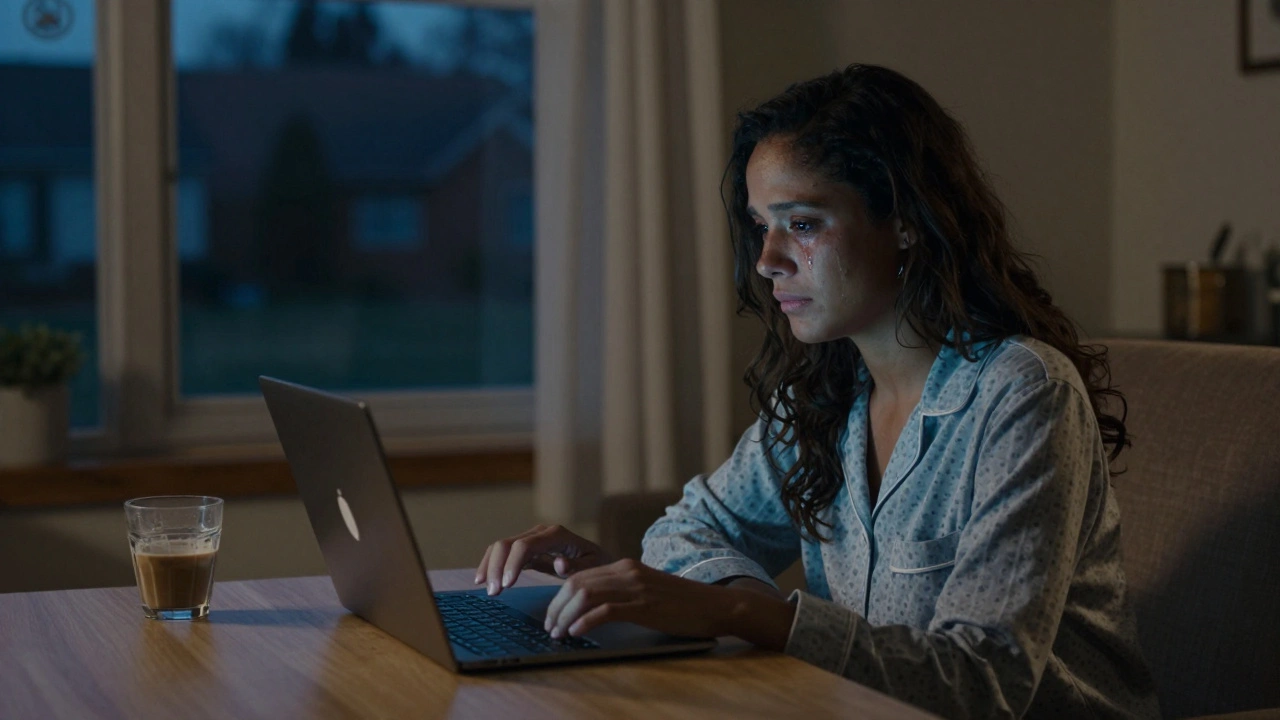
Most people think indie films need theaters to survive. That’s what Hollywood told us for decades: no big screen, no audience. But that’s not true anymore. In 2025, dozens of indie films made more money, got more buzz, and reached wider audiences without ever playing in a single theater. They didn’t wait for a distributor to pick them up. They didn’t beg for festival slots. They went straight to viewers-and won.
How Indie Films Bypassed Theaters
The old model was simple: film festivals → theatrical release → streaming license. If you didn’t get into Sundance or Cannes, you were stuck. But streaming platforms changed everything. Netflix, Amazon, Apple TV+, and even niche services like MUBI and Shudder started buying films directly from filmmakers. No middlemen. No box office pressure. Just a deal and a release date.
By 2023, over 40% of indie films submitted to festivals were already funded with streaming distribution in mind. Filmmakers started asking: "Can I get this on Apple TV+?" before they even finished editing. Theaters weren’t gone-they just stopped being the only path to an audience.
Case Study: "The Quiet Hour" (2023)
Directed by a first-time filmmaker from rural Ohio, The Quiet Hour was made for $18,000. It starred a local high school teacher and her real-life daughter. No actors’ union. No agents. Just a camera, a house, and a story about grief and silence after a child’s death.
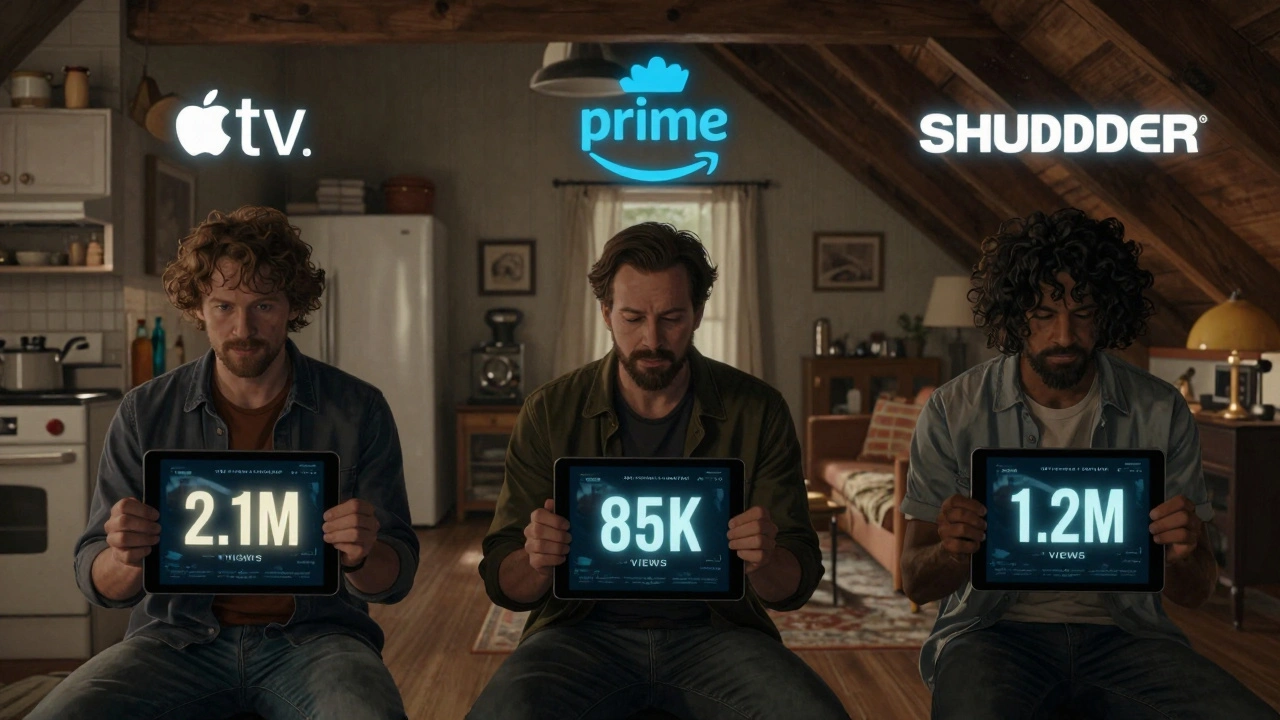
The filmmaker didn’t submit to Sundance. Instead, she uploaded a rough cut to Vimeo On Demand, ran targeted Facebook ads to grief support groups, and emailed 200 film blogs with a personal note. Within three weeks, it hit #1 on Vimeo’s indie chart. Apple TV+ picked it up two months later. By the end of its first year, it had been streamed over 2.1 million times. It earned more than $1.4 million in revenue-without ever playing in a theater.
It won a Vimeo Staff Pick, got a nomination for Best Documentary at the Independent Film Awards, and was later used in college psychology courses. The filmmaker didn’t need a red carpet. She needed the right people to see it-and she found them.
Case Study: "Rust Belt Love" (2024)
This romantic drama set in a dying steel town in Pennsylvania was shot on a Canon EOS R5 over 17 days. The director, a former theater actor, had no connections. He didn’t know anyone at TIFF or Tribeca.
He launched a Kickstarter to cover post-production, then used the campaign page to build an email list of 12,000 people who cared about small-town stories. He released the film exclusively on his own website for $7.99, with 70% of sales going straight to him. He ran YouTube ads targeting viewers who watched Manchester by the Sea and The Farewell. He partnered with local bookstores to host virtual Q&As.
Within six months, he sold over 85,000 copies. He earned $670,000. Amazon Prime Video bought the rights for $1.2 million. The film now has a 9.1 rating on IMDb. It didn’t need a theater. It needed authenticity-and a direct line to the people who felt its story.
Case Study: "The Last Broadcast" (2024)
This found-footage horror film was made by three college students in New Orleans. They used a $300 camera, shot in abandoned buildings, and edited the whole thing on a MacBook Air. They didn’t even have a script-just a loose outline and a lot of improvisation.
They uploaded it to YouTube as a "secret film" and seeded it in Reddit communities like r/NoSleep and r/IndieFilm. Within 72 hours, it had 1.2 million views. They turned the YouTube video into a paid experience on their own site, offering bonus behind-the-scenes footage for $12. They sold 45,000 copies in three weeks.
Shudder, the horror streaming service, contacted them within a month. They signed a deal that gave the filmmakers 50% of net revenue. The film went on to become Shudder’s most-watched original film of 2024. It didn’t need a premiere. It needed the right online community-and they knew exactly where to find it.
Why This Works Now
There are three big reasons indie films can thrive without theaters today:
- Streaming platforms want original content. Netflix alone spends over $17 billion a year on films and shows. They’re hungry for stories that feel real, not polished.
- Audiences don’t care where they watch. A 2024 survey by the Independent Film & Television Alliance found that 68% of viewers under 35 prefer watching indie films at home. Only 19% said they’d go to a theater for a film without a star.
- Tools are cheaper and smarter. You can edit a film on your phone. You can run ads for $5 a day. You can build an audience on TikTok in weeks. Distribution isn’t controlled by gatekeepers anymore-it’s controlled by algorithms and authenticity.
Theaters aren’t dead. But they’re no longer the only gate. The real gatekeepers now are algorithms, community engagement, and the ability to tell a story that sticks.
What Filmmakers Need to Do Instead
If you’re making an indie film today and thinking about theaters, stop. Ask yourself these questions:
- Who is my exact audience? Not "film lovers." Not "people who like indie movies." Who specifically? Grief survivors? Rural teens? Former factory workers? Single parents who watch at 1 a.m.?
- Where do they hang out online? Reddit? TikTok? Facebook groups? Niche forums?
- What’s the smallest group of people who would pay for this film? Can I reach them directly?
- Can I make this film for under $50,000? If not, can I cut it down to that?
Most successful no-theater films were made with budgets under $50,000. They didn’t need fancy gear. They needed focus. They didn’t need a festival acceptance letter. They needed a list of 500 people who cared enough to watch.
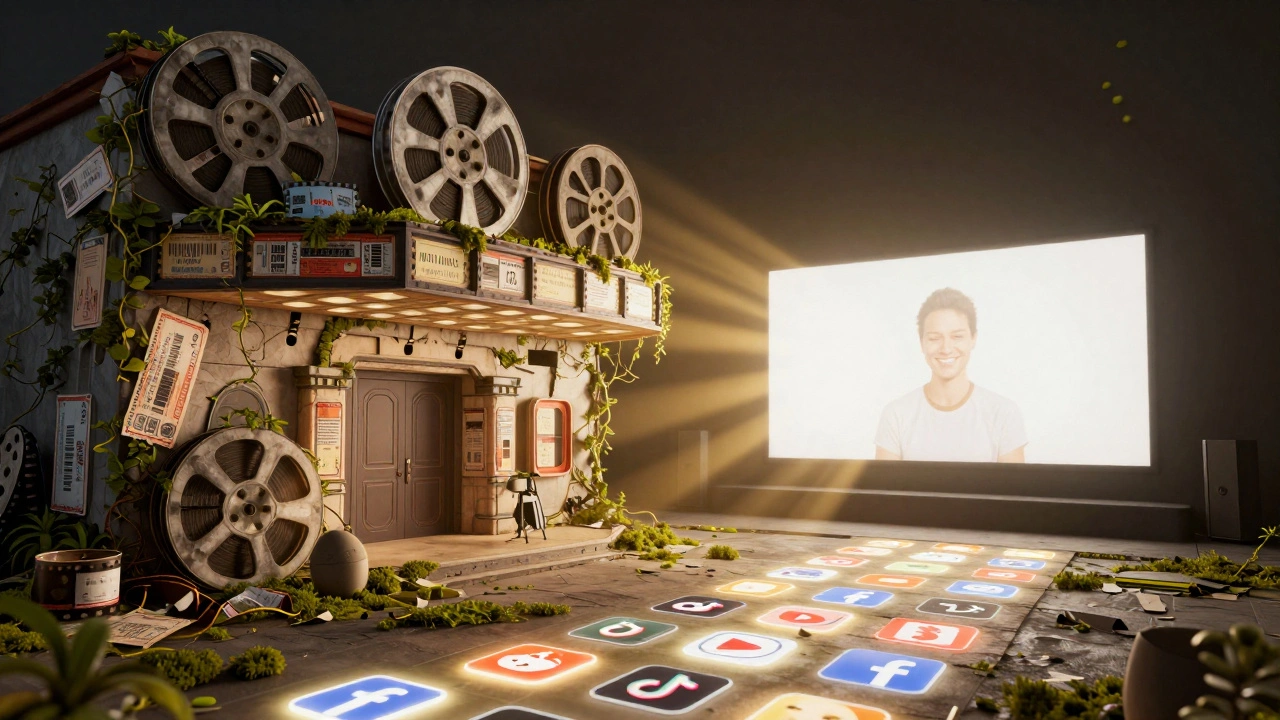
The New Rules of Indie Distribution
Forget the old playbook. Here’s what works in 2025:
- Start with distribution in mind. Before you shoot, know where you’ll release. Will it be Vimeo? Your own site? Shudder? Amazon? Pick one and build the film around that platform’s audience.
- Build your audience before the film is done. Post behind-the-scenes clips. Share your struggles. Let people feel like they’re part of the journey. That’s how you turn viewers into buyers.
- Price it right. $7.99 to $12.99 is the sweet spot for direct sales. Too high? People won’t buy. Too low? You’re not valued.
- Use targeted ads. Facebook and YouTube ads can target people based on the films they’ve watched, the groups they’re in, even the books they’ve bought.
- Don’t wait for a distributor. If you’re good, they’ll come to you. But if you wait, you’ll miss your moment.
What Doesn’t Work Anymore
Don’t waste time on these:
- Submitting to 15 film festivals hoping one will "launch" you. Most festivals don’t guarantee distribution.
- Spending $100,000 on a film that needs a theater release to justify the cost. That’s a recipe for debt, not success.
- Thinking you need a famous actor. The audience doesn’t care. They care about truth.
- Waiting for a "big break." The break is now-it’s in your email list, your YouTube comments, your TikTok followers.
Final Thought: Theaters Are a Luxury, Not a Requirement
Theater releases used to be the only way to prove a film mattered. Now, they’re just one option. The real measure of success isn’t how many screens you played on-it’s how many people felt something because of your film.
"The Quiet Hour" didn’t need a theater. It needed someone to sit alone in their living room at 2 a.m. and say, "That’s exactly how I felt." That’s the power of direct distribution. That’s the new indie film revolution.
Can an indie film make money without ever playing in theaters?
Yes. Films like "The Quiet Hour" and "Rust Belt Love" made over $1 million each without a single theater screening. They sold directly to viewers through streaming platforms, their own websites, and targeted ads. Revenue comes from sales, subscriptions, and licensing deals-not box office numbers.
What platforms are best for releasing indie films without theaters?
Vimeo On Demand, Apple TV+, Amazon Prime Video, Shudder, and MUBI are the top choices. Vimeo is great for direct sales and building an audience. Apple and Amazon offer larger audiences and better revenue splits. Niche platforms like Shudder (horror) or MUBI (arthouse) offer targeted audiences and strong promotional support.
How much does it cost to make an indie film today?
The most successful no-theater films were made for under $50,000. Some, like "The Last Broadcast," were made for under $5,000. You don’t need expensive gear-modern smartphones and free editing software like DaVinci Resolve are enough. The real cost is time and strategy, not equipment.
Do I need a film festival to get noticed?
No. While festivals can help, they’re not required. Many successful indie films in 2024 were discovered through YouTube, Reddit, TikTok, or direct email campaigns. What matters is reaching the right audience, not getting a festival badge. Filmmakers who skip festivals and focus on audience-building often earn more and faster.
How do I market my indie film without a studio budget?
Start by identifying your exact audience-people who care about your film’s theme. Then use low-cost tools: Facebook and YouTube ads ($5-$20/day), targeted Reddit posts, email newsletters, and influencer outreach. Share behind-the-scenes content early. Let viewers feel like they’re part of the journey. Authenticity beats big budgets every time.
What’s the biggest mistake indie filmmakers make today?
Waiting for permission. Too many filmmakers spend months trying to get into festivals, pitch to distributors, or secure theater deals. Meanwhile, they’re not building an audience. The real opportunity is in direct connection-with viewers, with communities, with platforms that will pay you without asking for a red carpet.


Comments(5)