Film & Media: How Indie Films, Streaming, and New Tech Are Changing Cinema
When we talk about Film & Media, the intersection of storytelling, technology, and business that drives how movies are made, shared, and seen. Also known as cinema industry, it's no longer just about directors and cameras—it's about algorithms, distribution deals, and audiences who watch on phones in bed. The old rules are gone. A film doesn’t need a theatrical release to matter. A documentary can go viral before it hits a festival. An indie producer can fund five movies at once without a studio. And a kid in Tokyo can watch a film from rural Nigeria before breakfast.
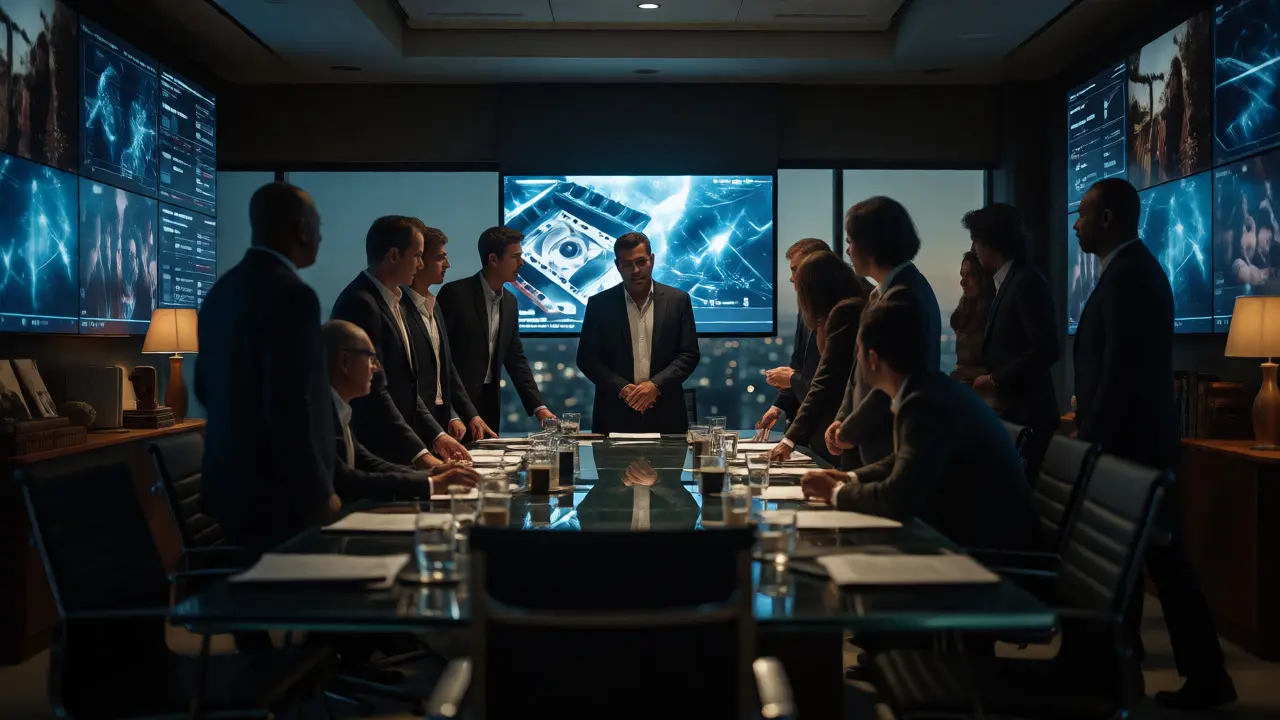
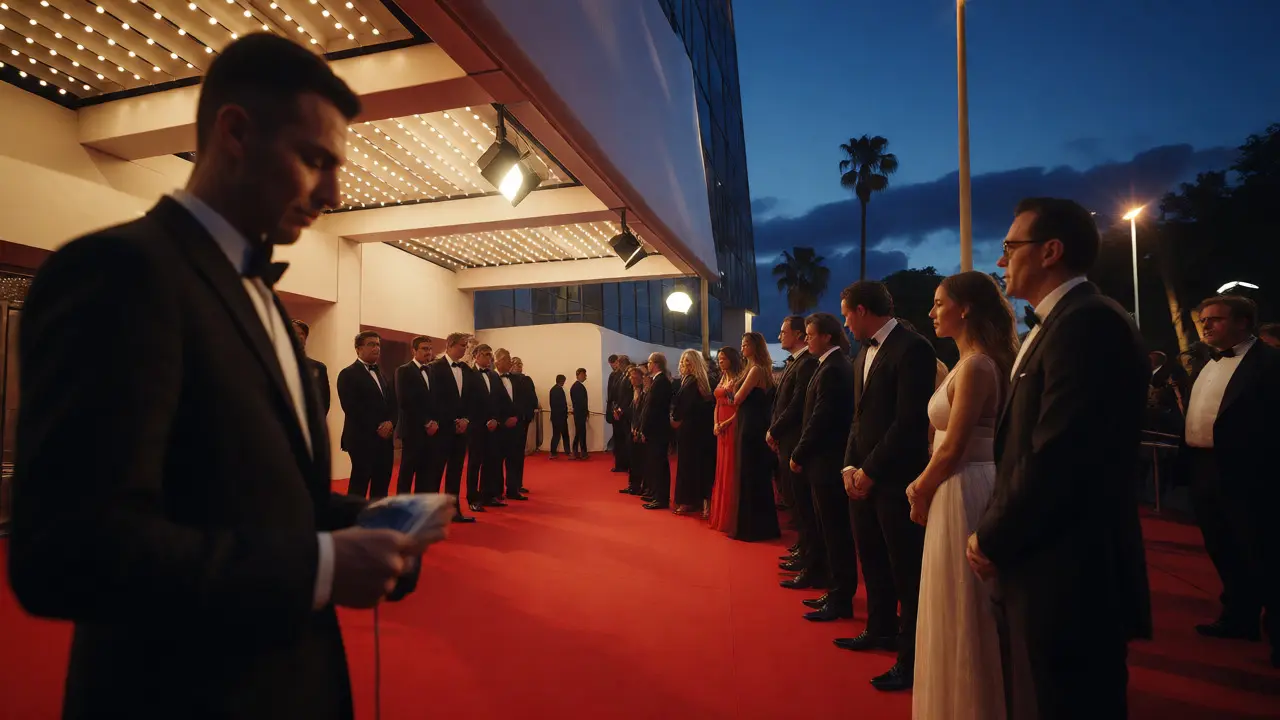
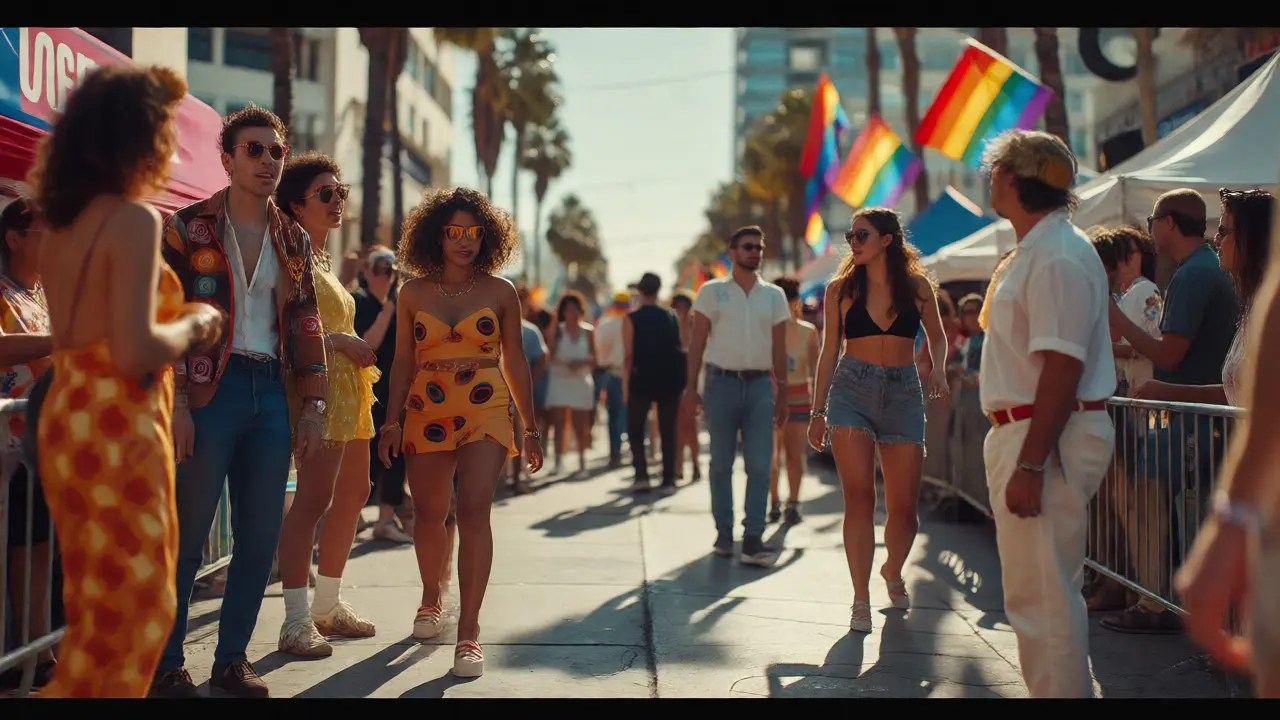
That’s why virtual production, a filmmaking method using LED walls and real-time rendering to create backgrounds on set instead of green screens. Also known as StageCraft, it’s now used in everything from blockbusters to low-budget thrillers is changing how films look—and how much they cost. It’s not sci-fi anymore. It’s Tuesday. Meanwhile, film festivals, events where filmmakers showcase work to buyers, critics, and audiences, now often live online or blend physical and digital. Also known as hybrid festivals, they’re no longer just about prestige—they’re about survival. If you don’t know how to submit, promote, or network at one in 2025, your film might as well be buried in a hard drive.
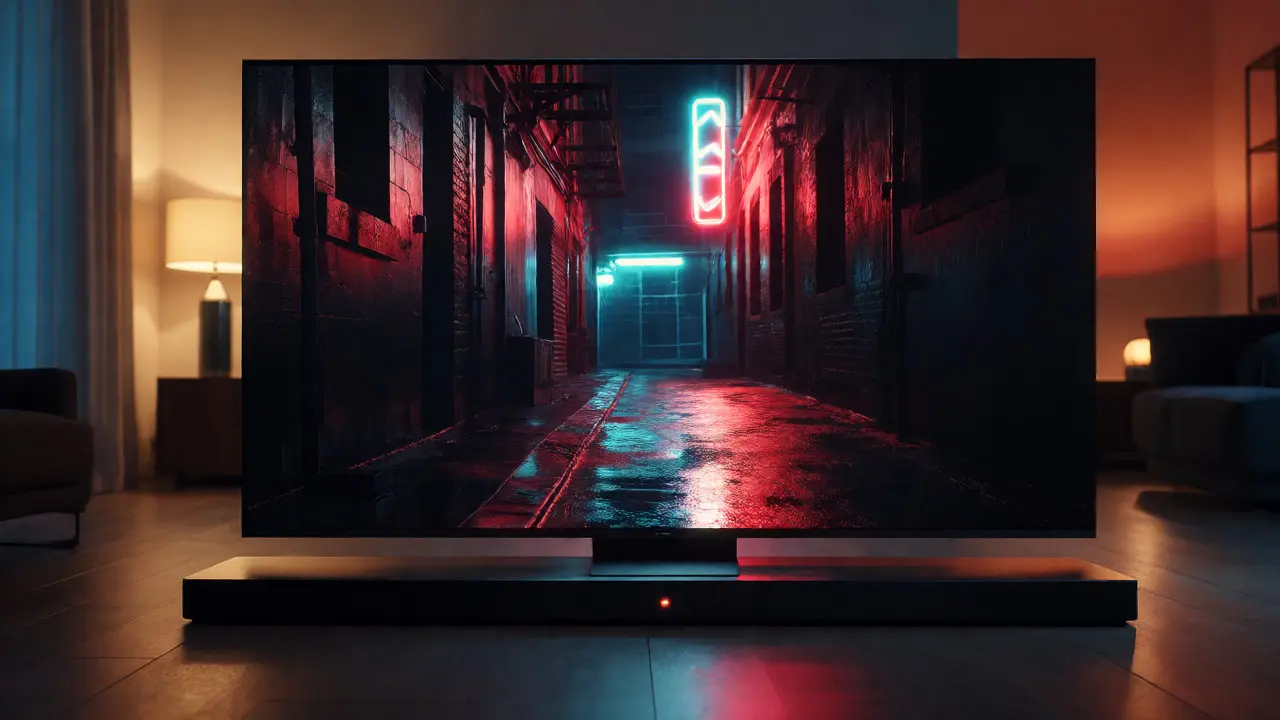
And then there’s streaming originals, movies made for platforms like Netflix or Apple TV+ that often look better than theater releases. Also known as SVOD films, they’ve raised the bar so high that even indie films now need cinematic sound design and lighting to compete. But here’s the catch: more content than ever means less visibility. A great film can disappear in a sea of uploads. That’s why knowing how to pitch to streamers, use cross-promotion, or build buzz before launch isn’t optional—it’s the new job description for every producer.
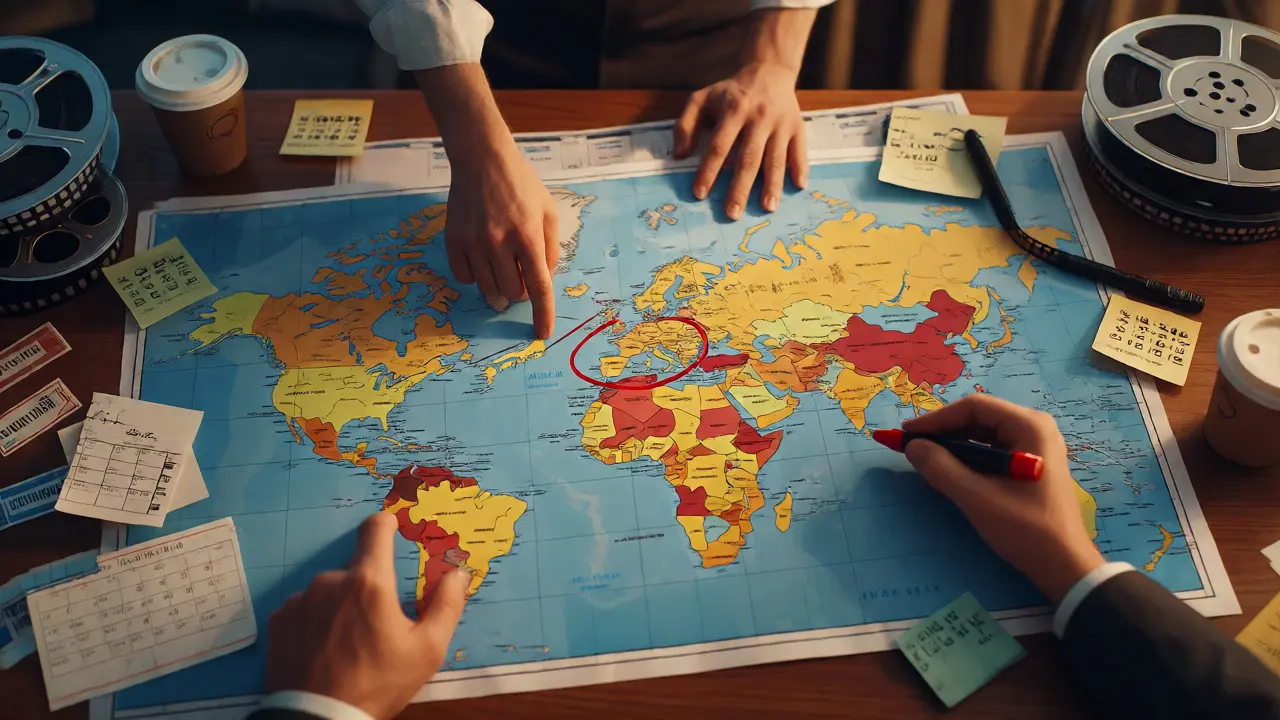
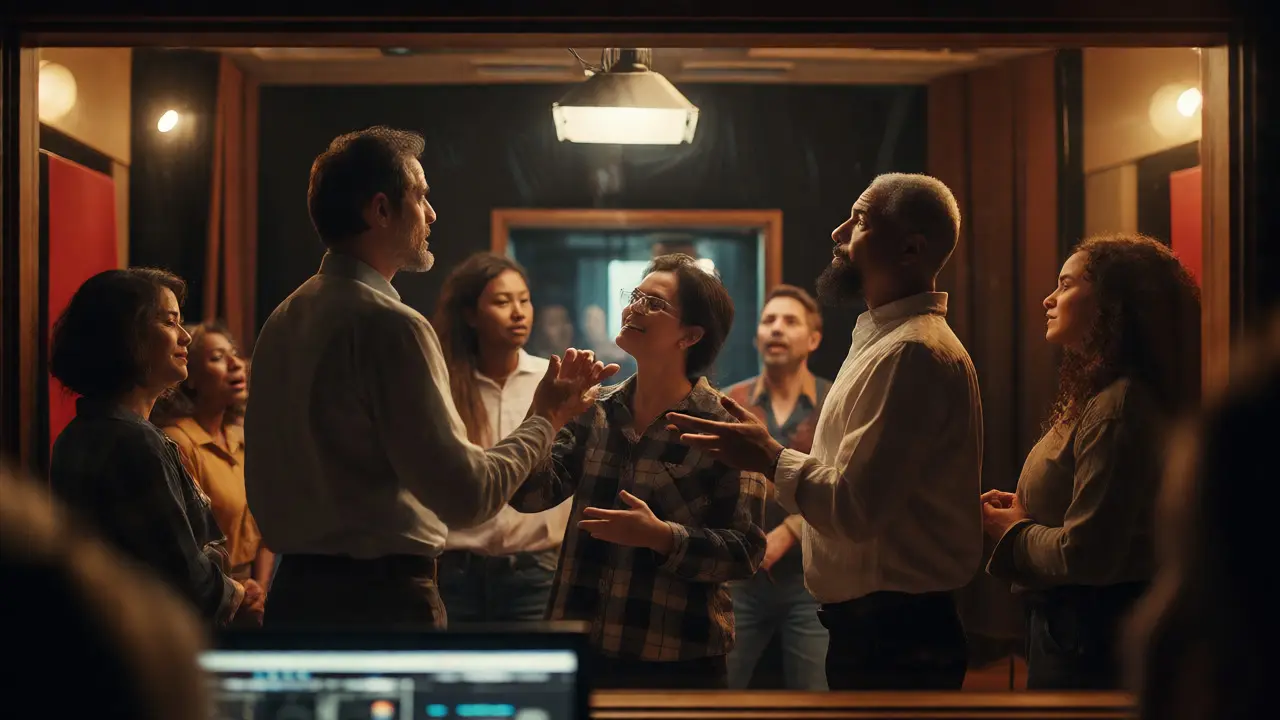
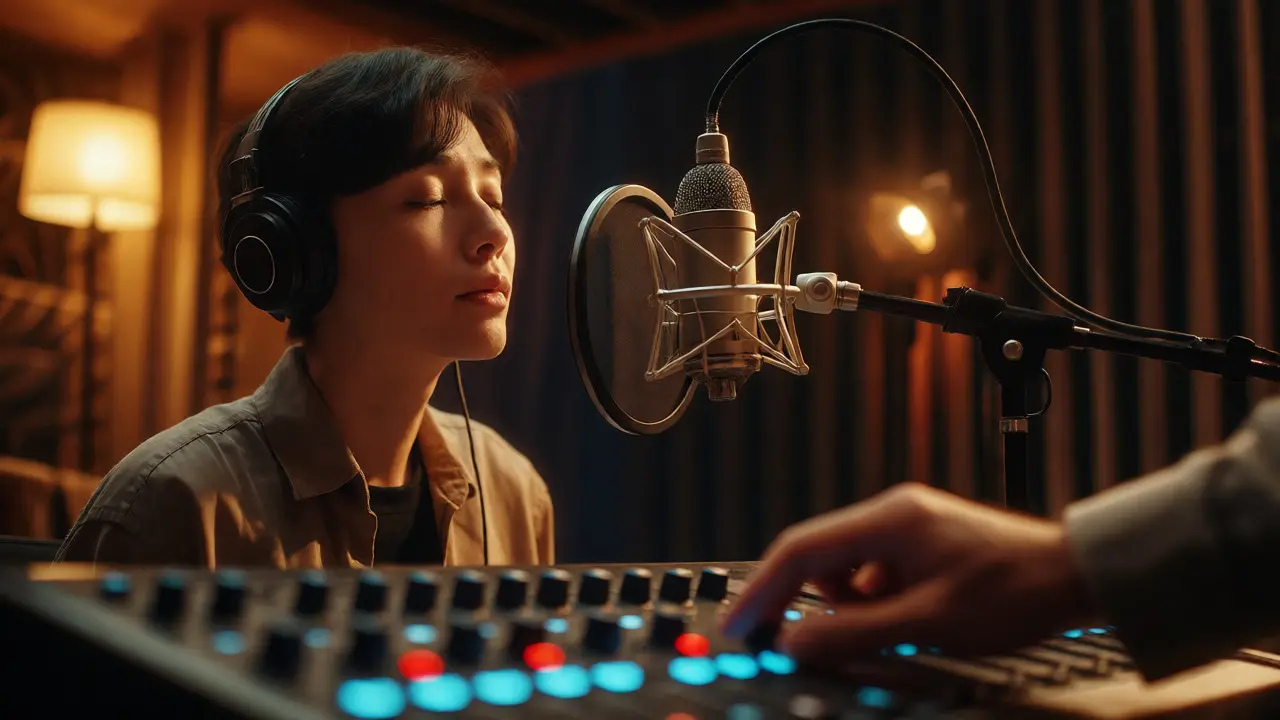
What you’ll find below isn’t theory. It’s what’s actually working. How to value a film library worth millions. Why Hello Kitty’s movie outperformed bigger animated films. How haptics are turning your couch into a theater. Who the top documentary filmmakers are right now—and why their work matters. How to make animated characters sound real without a $10 million budget. How sales agents close deals at Cannes without a fancy suit. You’ll learn how to make films that get seen, funded, and remembered—not just made.