
The Hard Truth About Festival Submissions
You spent six months editing a 12-minute short, and now it's finally done. You're itching to hit 'submit' on every festival you see, but here is the reality: sending your film to every event on the map is a fast way to burn through your budget without getting a single acceptance. Most festivals are looking for a specific 'vibe' or a specific type of storyteller. If you blast your project everywhere, you're just adding to the noise.
The goal isn't just to be "in a festival"; it's to build a trajectory. A win at a small, curated genre fest can often lead to a premiere at a major "A-list" event. If you premiere at a small, unknown fest first, you might accidentally disqualify yourself from the big ones that require a world premiere. You need a strategy, not a lottery ticket.
Key Takeaways for Filmmakers
- Target festivals based on your film's genre and theme, not just prestige.
- Prioritize "Premiere Status" to keep your options open for top-tier events.
- Use specialized platforms to track deadlines and submission fees.
- Create a high-quality electronic press kit (EPK) to stand out.
- Budget for submissions as a production cost, not an afterthought.
Mapping Your Festival Strategy
Before you spend a dime, you need to categorize your targets. Not all festivals are created equal. You should split your list into three tiers: Dream, Realistic, and Safety. Your Dream festivals are the ones like Sundance Film Festival an American film festival celebrating independent filmmakers or Cannes Film Festival one of the most prestigious film festivals in the world held annually in France. These have massive competition and low acceptance rates, but the payoff is global visibility.
Realistic festivals are mid-sized events that align perfectly with your film's subject. If you've made a sci-fi short, don't just aim for the generalists; look for festivals that specialize in speculative fiction. Safety festivals are smaller, local, or highly niche events where your quality of work puts you in the top 10% of applicants. This ensures you get at least some laurels to put on your poster, which builds credibility for future projects.
| Tier | Goal | Submission Cost | Success Rate |
|---|---|---|---|
| Dream (A-List) | Global Prestige/Distribution | High ($50 - $100) | Very Low |
| Realistic (Niche) | Targeted Audience/Awards | Medium ($30 - $60) | Moderate |
| Safety (Local/Micro) | Laurels/Screening Experience | Low ($10 - $30) | High |
Mastering the Submission Platforms
You don't have to email DVDs or USB drives anymore. Today, FilmFreeway the leading platform for film festival submissions and management has become the industry standard. It's essentially the "LinkedIn of indie film." Most festivals use it to manage their entries, and it allows you to keep all your assets in one place.
When using these platforms, don't just fill out the required fields. The "Director's Statement" is where you can actually talk to the programmers. Avoid saying "I wanted to explore the human condition." That's vague and boring. Instead, tell them why this story needed to be told *now* and what specific personal experience drove the project. Programmers read thousands of entries; a concrete, human story about the making of the film is more memorable than a generic artistic statement.
Crafting an Irresistible Press Kit
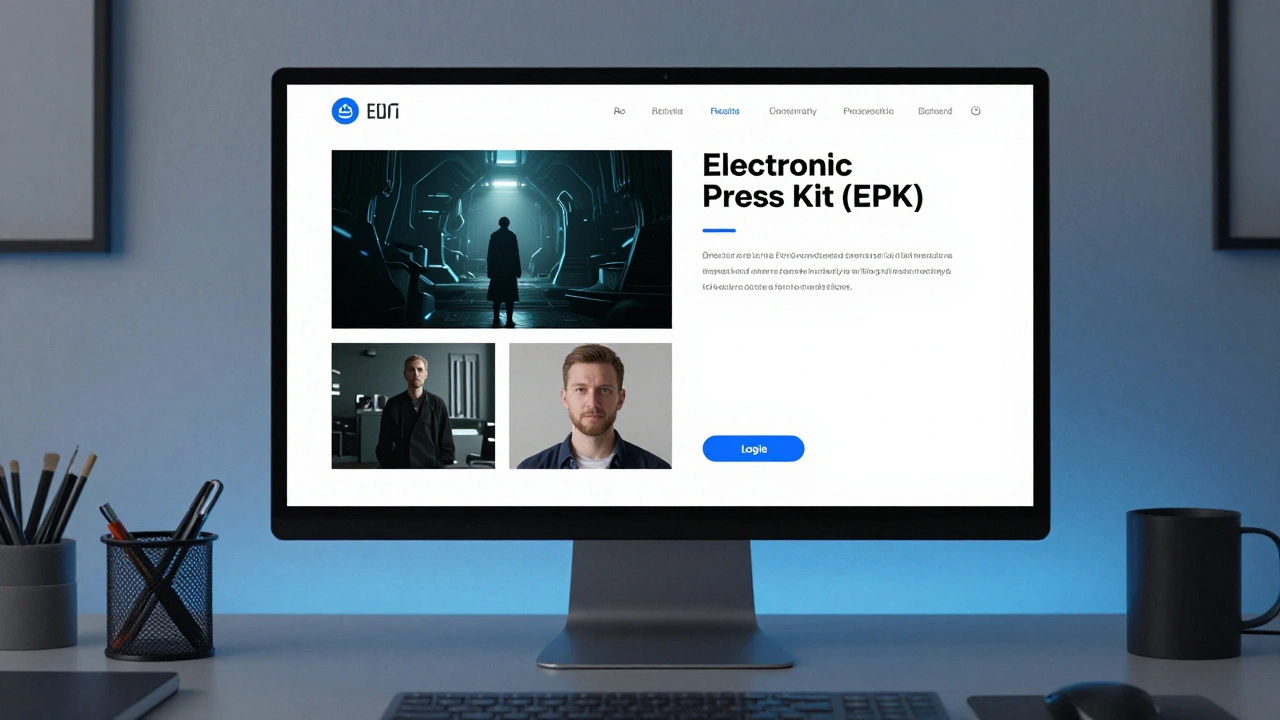
A film festival submissions strategy is only as good as the packaging. Your Electronic Press Kit (EPK) is what the festival uses to promote you if you get accepted, but it's also what they look at during the selection process to see if you're professional. If your stills look like they were taken on a 2010 flip phone, they'll assume the movie looks the same.
Your kit should include:
- High-resolution stills (at least 3-5 that capture the mood and composition).
- A "Short Logline" (one sentence that hooks the reader) and a "Synopsis" (a one-paragraph summary).
- A clean, professional headshot of the director.
- A list of awards or previous screenings (if any).
Pro tip: If you don't have high-quality stills from the set, go back and take a few "look-alike" photos or use high-quality screen grabs from the final color-graded export. Never use blurry images. The visual presentation of your submission tells the programmer how much you care about the details.
Navigating the "Premiere Status" Minefield
This is where most beginners mess up. Many top-tier festivals require a World Premiere the first public exhibition of a film anywhere in the world or a Regional Premiere the first time a film is shown in a specific geographic area. If you upload your short to YouTube or Vimeo for the public to see, you have effectively killed your chances at 90% of the major festivals. They want the exclusive right to show your work first.
Use password-protected links. When a festival asks for your screening link, give them a Vimeo link with a password. This keeps the film private while allowing the judges to watch it. If you really want to share it with friends, do it via a private link, but keep the public "Publish" button turned off until you've finished your festival run.
Handling the Rejection and the Win
You will get rejected. A lot. Even Oscar-winning shorts were rejected by dozens of festivals before they found their home. The key is not to take it personally. A rejection often isn't a comment on the quality of your film, but rather a comment on the "slot" available. A programmer might love your horror short, but they already have four other horror shorts and only one slot left in that category.
When you do get an acceptance, don't just say "thanks." Ask about the screening format (DCP or ProRes?). Confirm the date and time. Most importantly, ask if there are networking events or panels you can participate in. The real value of a festival isn't the trophy; it's the person sitting next to you in the theater who might be the producer for your first feature film.
How many festivals should I submit to?
There is no magic number, but a common approach is the 10-20-30 rule. Aim for 10 dream festivals, 20 realistic ones, and 30 safety/local ones. This spreads your risk and ensures you have a variety of opportunities. Just make sure you budget for the total cost of entries before you start.
Should I pay for "Early Bird" submissions?
Yes, if you have the budget. While submitting early doesn't guarantee a win, it does put your film on the programmers' radar sooner. Some programmers start watching films as they come in; if they love something early on, they might keep it in mind as they compare it to later entries. Plus, it saves you a significant amount of money compared to "Late" or "Extended" deadlines.
What is a DCP and do I need one?
DCP stands for Digital Cinema Package. It is the professional standard for theatrical projection. While many festivals accept a high-quality .mov or .mp4 file for the screening process, they will often require a DCP for the actual theater projection to ensure the image and sound are perfect. If you get accepted to a major fest, you should invest in a professional DCP creation service.
Can I submit the same film to multiple festivals at once?
Absolutely. In fact, you have to. Because the selection process takes months, you'll likely have 10 different festivals reviewing your film at the same time. The only conflict arises if two festivals both accept your film and both demand a "World Premiere." In that case, you have to choose which one to prioritize based on the prestige and the date.
Does the length of the short film matter?
Yes, significantly. Most festivals prefer shorts under 15 minutes. Why? Because it's much easier for a programmer to fit three 10-minute films into a block than one 30-minute film. If your film is 40 minutes long, it's often viewed as a "featurette," which has its own separate category and is much harder to place in a program.
Next Steps for Your Film Run
Now that you have your strategy, start by creating a spreadsheet. List every festival you're interested in, their deadline dates, and their submission fees. Sort them by date so you don't miss an "Early Bird" window.
If you're on a tight budget, look for festivals that offer fee waivers. Some festivals provide these to students or filmmakers from underrepresented backgrounds. Don't be afraid to email a festival director politely to ask if they have any waivers available, especially if your film has a strong social message that aligns with their mission.
Finally, once the festival run is over, don't just let the film sit on your hard drive. Use the laurels you've earned to create a "Festival Cut" for public release on platforms like YouTube or Vimeo. The prestige of having "Official Selection" on your thumbnail will attract more viewers and potential collaborators for your next project.




Comments(5)