
Key Takeaways: The Pressure of the Red Carpet
- Press screenings create an artificial environment that can skew a critic's immediate emotional response.
- The "access game" forces critics to choose between honesty and future invitations.
- Studio-controlled narratives often frame a movie's success before the first frame even rolls.
- Digital embargoes and coordinated review drops synchronize public opinion.
The Psychology of the Velvet Rope
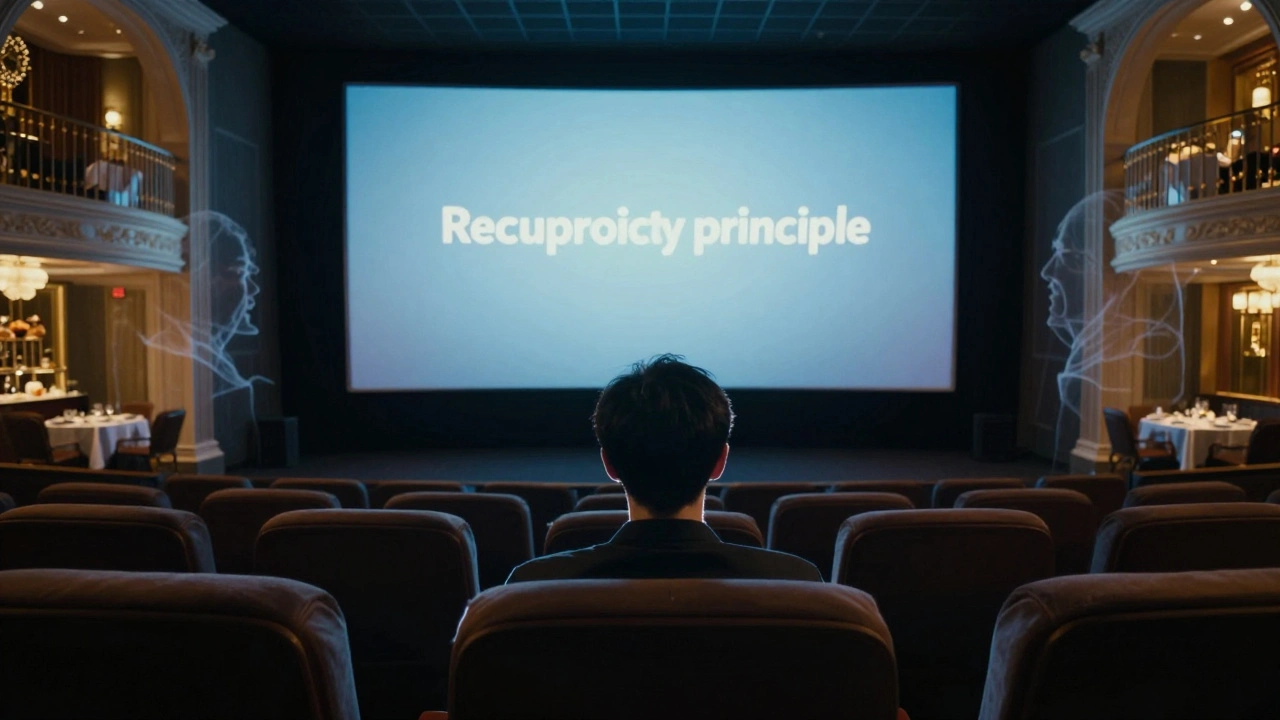
The first thing to understand is that a press screening is a pre-release movie showing organized by a studio for journalists and critics to generate early publicity. It isn't just about watching a movie; it's a choreographed event. From the moment a critic receives a high-end invitation, they are being integrated into a brand experience. Psychology tells us about the reciprocity principle: when someone does something nice for us, we feel an instinctive urge to return the favor.
When Walt Disney Company or Warner Bros. hosts a lavish event, they aren't just showing a film; they are building a relationship. If a critic spends the afternoon being treated like royalty, criticizing the film too harshly can feel almost rude. It's not usually a conscious decision to lie, but rather a subconscious shift in perspective. You aren't just reviewing a piece of art; you're reviewing a guest experience.
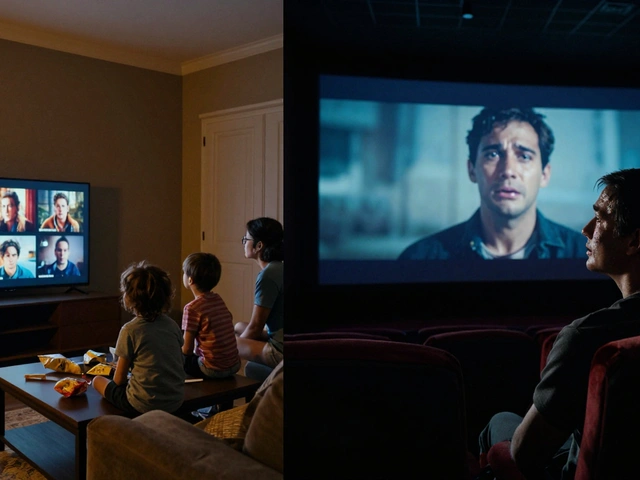
Think about the difference between seeing a movie at your local multiplex on a Tuesday night and seeing it at a curated event at the TCL Chinese Theatre. The atmosphere of exclusivity makes the film feel important before it even starts. If everyone around you is whispering about how this is a "masterpiece," you're already primed to look for the greatness, even if the plot is full of holes.
The High Cost of Access
For a professional critic, access is the only currency that matters. To get the big interviews and the early screenings, you have to stay on the studio's good side. This creates a dangerous incentive structure. If a reviewer consistently pans the big-budget tentpoles of a specific studio, they might find their invitations drying up. They might be left off the list for the next massive franchise launch, which means fewer clicks for their website and less relevance in the industry.
This is where film criticism turns into a survival game. Many critics find themselves practicing "hedging," where they praise the technical aspects of a movie-the cinematography or the acting-while avoiding the core failures of the script. It allows them to remain honest without burning bridges. But for the average moviegoer, this translates to a review that says "The visuals were stunning," which is often code for "The movie was a mess, but I still want to get invited to the next premiere."
The power imbalance is stark. A single studio can dictate the flow of information for a global release. By controlling who sees the film and when, they essentially manage the narrative. If they only invite critics known for being "friendly," they can manufacture a high score on Rotten Tomatoes before the general public ever gets a chance to form an opinion.
The Embargo and the Echo Chamber
One of the most effective tools in the marketing kit is the review embargo. This is a legal or professional agreement where critics agree not to publish their reviews until a specific date and time. While this prevents spoilers, it also creates a massive, synchronized burst of opinion. Instead of a slow burn of diverse perspectives, you get a tidal wave of reviews hitting the internet at exactly 9:00 AM on a Thursday.
This synchronization creates a psychological echo chamber. When dozens of reviews all go live at once, they tend to mirror each other's language. If the dominant narrative in the first few big outlets is that a film is "groundbreaking," other critics may subconsciously align their views to fit that consensus. It's easier to join the crowd than to be the one lone voice saying the emperor has no clothes.
| Feature | Press Screening | General Public Release |
|---|---|---|
| Environment | Curated, exclusive, high-energy | Standard theater, diverse crowd |
| Psychological State | Primed for success/importance | Neutral expectations |
| Social Influence | Peer pressure from other critics | Influence from trailers/social media |
| Access Incentive | Maintain relationship with studio | Purely entertainment value |

The Rise of the "Fan-Critic" and the Shift in Power
Interestingly, the traditional power of the studio-backed press circuit is starting to crack. The rise of social media and platforms like Letterboxd has created a new class of critics: the independent enthusiast. These people don't get the free swag, they don't get the red carpets, and they pay full price for their tickets. Because they have nothing to lose in terms of access, their reviews are often more visceral and honest.
We've seen this happen repeatedly with "critic-proof" movies. These are films that get rave reviews from the press circuit but are absolutely shredded by the general audience upon release. This gap usually reveals exactly where the marketing influence worked too well. The professional critics were seeing the film in a vacuum of studio praise, while the audience was seeing it as a product they spent $20 to experience.
However, studios are adapting. They are now inviting "influencers" to these screenings. Unlike traditional journalists, influencers are often paid directly for their promotion. This moves the relationship from a subtle psychological nudge to a literal financial transaction. When the review is actually a paid advertisement disguised as an opinion, the concept of critical bias is no longer a theory-it's a business model.
How to Spot a "Marketing-Driven" Review
If you're trying to figure out if a review is genuinely honest or just a result of a fancy dinner and a red carpet, look for a few specific red flags. First, check for the "sandwich method." This is when a critic starts with high praise, mentions one minor flaw in the middle, and ends with high praise again. It's a classic way to avoid offending the studio while technically providing a critique.
Second, pay attention to the adjectives. Phrases like "visually stunning," "ambitious," and "a bold swing" are often used when the movie doesn't actually work as a story. These are safe words. They acknowledge the effort (which the studio spent millions on) without committing to the fact that the movie is actually good. If a review focuses more on the "importance" of the film than the actual quality of the viewing experience, you're likely reading a product of the press circuit.
Finally, compare the early "embargo" reviews with the reviews that appear two weeks after the movie has been out. Once the hype of the event has faded and the critic is no longer worried about their next invite, the perspective often shifts. The most honest reviews are usually the ones that come from people who had to wait in line for tickets just like everyone else.
Why do studios use embargoes for movie reviews?
Embargoes are primarily used to prevent plot spoilers from leaking and to ensure that all reviews hit the internet at the same time. This creates a concentrated burst of publicity that the studio can use to drive opening-weekend ticket sales, rather than having opinions trickle out slowly over several weeks.
Can a critic really be unbiased after a luxury event?
It is possible, but difficult. Many experienced critics develop a mental wall between the "event" and the "art." However, the subconscious effect of reciprocity-feeling the need to give back to someone who provided a luxury experience-is a powerful human instinct that can subtly tilt a review toward a more positive tone.
What is a "critic-proof" movie?
A critic-proof movie is a film that receives overwhelmingly positive reviews from professional critics but is disliked by the general audience. This often happens when critics respond to the film's technical ambition or artistic intent, while audiences focus on the actual entertainment value and narrative coherence.
Do influencers replace traditional film critics?
They don't replace them, but they change the ecosystem. Traditional critics generally adhere to journalistic ethics and seek a level of objectivity. Influencers often operate on a promotional basis, where their "review" is part of a paid partnership, making their content more like an ad than a critique.
How can I find more honest movie reviews?
Look for independent reviewers who aren't affiliated with major media conglomerates. Platforms like Letterboxd provide a wide range of amateur and professional perspectives. Additionally, reading reviews that are posted well after the initial press blitz often provides a more grounded take on the film's quality.





Comments(5)