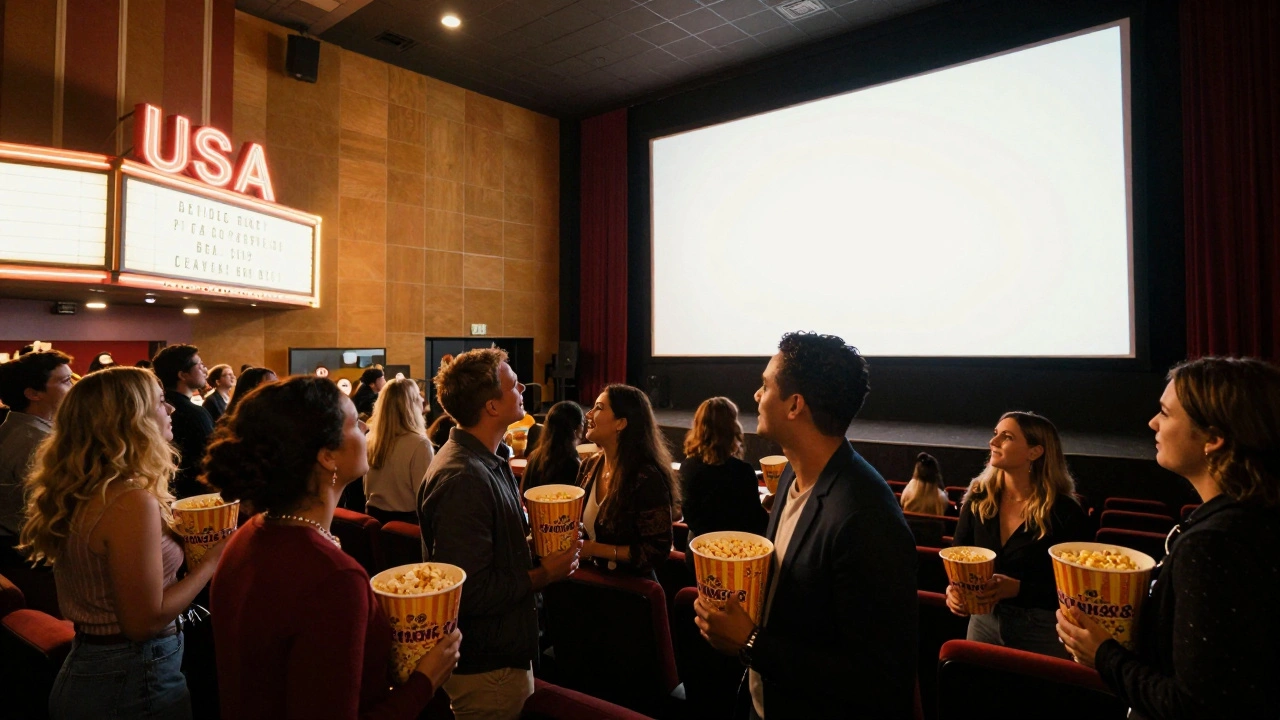
Basically, the industry is trying to squeeze every single cent out of a movie by selling it to different audiences at different price points over time. If a studio puts a movie on Disney+ the same day it hits theaters, they effectively kill the incentive for millions of people to buy an expensive ticket and a large popcorn. By spacing out the release, they get paid twice-once by the cinema and once by the streaming service.
The Core Concept of Movie Windows
In the simplest terms, Film Windowing is the sequence of time periods during which a movie is available on a specific platform. Think of it as a relay race. The movie starts at the cinema, passes the baton to digital rentals, and finally lands on a subscription streaming service. The goal is to maximize revenue by targeting different consumer behaviors: those who crave the big-screen experience, those willing to pay for early home access, and those who wait for a monthly subscription.
For decades, these windows were set in stone. You had a strict 90-day theatrical window. If a movie came out on Friday, you knew exactly when it would be available for purchase. But the pandemic flipped the table. When theaters shut down, studios experimented with "day-and-date" releases, and the old rules vanished. Now, we live in a world of flexible windowing, where the film windowing timeline is often decided movie-by-movie based on how well it's performing at the box office.
The Traditional Theater-to-Home Timeline
While the rules are looser now, most studios still follow a general path to avoid alienating Cinema Owners. If a studio ignores the theaters entirely, the theaters stop promoting their movies, and the "event" feel of a premiere disappears.
| Window Phase | Typical Duration | How You Pay | Example Platform |
|---|---|---|---|
| Theatrical Exclusive | 17 to 45 Days | Ticket Price | AMC, Regal |
| PVOD (Premium Video on Demand) | 30 to 60 Days | High Rental Fee ($19.99+) | Apple TV, Amazon Prime |
| Digital Purchase (EST) | 3 to 6 Months | Purchase Price | Google Play, Vudu |
| Subscription Streaming (SVOD) | 6 to 12 Months | Monthly Subscription | Netflix, Max, Hulu |
The first phase is the Theatrical Exclusive. This is where the movie is only available in cinemas. The studio and the theater split the ticket revenue. For a massive hit like a Marvel movie, this is where the bulk of the profit is made. After this, we move into PVOD. This is the "Premium" part of Video on Demand. Instead of the usual $5.99 rental, studios charge a premium-often $20 or more-because the movie is still "fresh." It's a way to capture the audience that missed the theater but is willing to pay a premium to avoid spoilers.

The Shift to SVOD and the 'Streaming War'
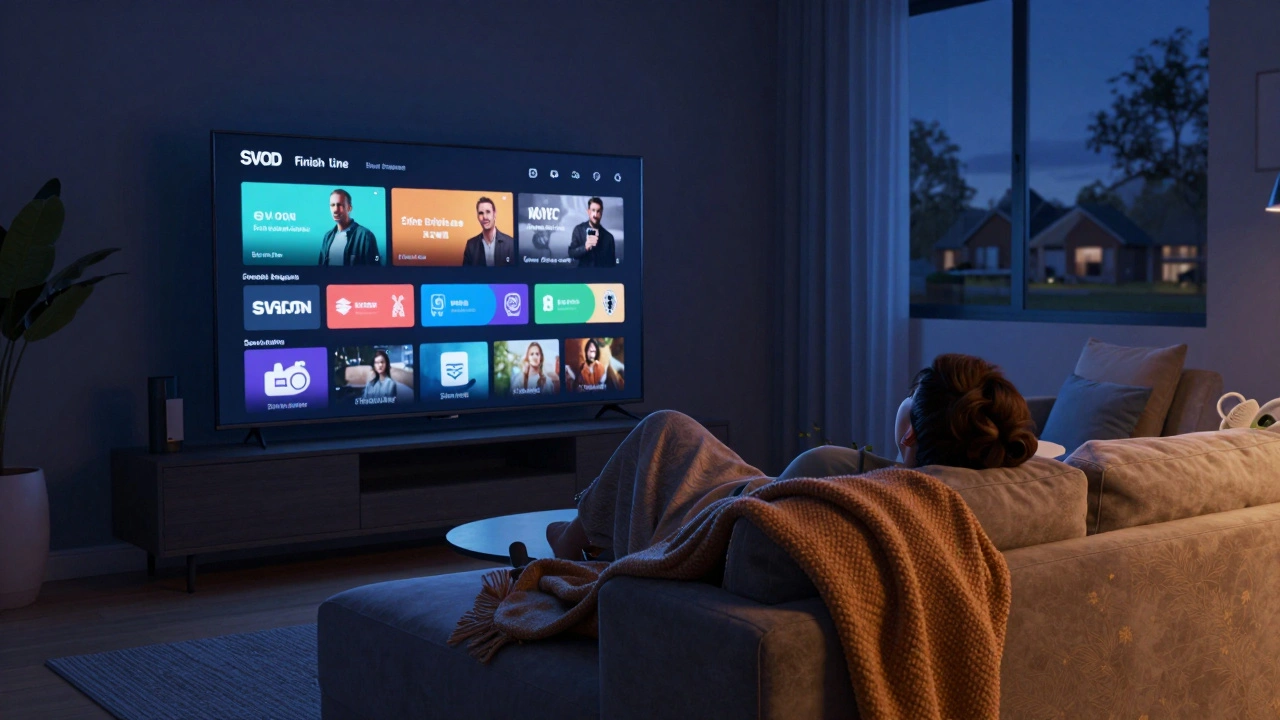
Once a movie has exhausted its premium rental potential, it moves to SVOD (Subscription Video on Demand). This is where the movie becomes "free" as part of your monthly fee. This shift is where the most friction happens today. SVOD is used primarily as a tool for customer acquisition and retention; a movie like 'Glass Onion' isn't just a film, it's a reason for someone to keep paying for Netflix another month.
We've seen a move toward "Dynamic Windowing." For example, if a movie is bombing at the box office, a studio might shorten the window to 17 days to get it onto streaming faster and recoup losses through digital views. Conversely, if a movie becomes a viral hit (like the 2023 'Barbenheimer' phenomenon), the studio will protect the theatrical window for as long as possible to keep the ticket sales rolling in.
Why This Matters for the Viewer
Understanding these windows helps you manage your wallet. If you're a budget viewer, you know that the SVOD window is the finish line. If you can wait six months, you can usually watch the movie for the price of your existing subscription. If you're an cinephile who needs the IMAX experience, you know you have to act within the first 45 days.
However, there's a downside to the shrinking window. When movies move to streaming faster, they lose their "cultural tail." A movie that stays in theaters for three months becomes a topic of conversation for longer. When a movie drops on streaming three weeks after release, it often disappears from the public consciousness just as quickly. It becomes "content" rather than an "event." This is why some directors, like Christopher Nolan, fight aggressively for longer theatrical windows-they believe the art is diminished when it's treated like a disposable app update.
Common Pitfalls and Studio Strategies
Studios often use "hybrid releases" to hedge their bets. This is when a movie is released in theaters and on a paid streaming platform simultaneously. While this sounds great for the consumer, it's a nightmare for the industry's economy. It encourages "couch piracy," where people simply download the movie because they know it's available digitally, even if they'd be willing to pay for a ticket.
Another strategy is the "Seasonal Window." Some movies are held back from streaming until the holiday season to drive subscription sign-ups in December. Others are released on streaming just before a sequel hits theaters to refresh the audience's memory of the plot. It's all part of a larger ecosystem of Content Lifecycle Management, where the film is treated as a product with a shelf life.
The Future of Distribution: What's Next?
Will the window ever fully disappear? Probably not. The physical experience of a theater-the sound, the scale, the shared emotion-is a product that cannot be replicated at home. As long as that experience has value, there will be a window to protect it.
But we are seeing a move toward more personalized windowing. Imagine a future where you can pay a small extra fee to "unlock" a movie on your streaming app two weeks early, effectively bridging the gap between PVOD and SVOD. We're also seeing a rise in "Boutique Distribution," where smaller indie films skip the wide theatrical release entirely and go straight to a curated streaming platform, acknowledging that their audience is more likely to be found online than in a multiplex.
What is a theatrical window?
A theatrical window is the period of time during which a movie is exclusively shown in cinemas before it becomes available on other platforms like digital rental or streaming services. Traditionally this was 90 days, but it has shrunk to as little as 17 to 45 days for many modern releases.
What is the difference between PVOD and SVOD?
PVOD (Premium Video on Demand) allows you to rent a movie for a high price (usually $19.99+) shortly after its theater release. SVOD (Subscription Video on Demand) is when the movie is included for "free" as part of a monthly subscription to a service like Netflix or Disney+.
Why do studios wait to put movies on streaming?
Studios wait to maximize profit. By staggering the release, they can collect money from ticket sales, then from premium rentals, and finally use the movie to attract or retain streaming subscribers. Releasing everything at once would cannibalize their own revenue streams.
Does the window vary by movie?
Yes. Studios now use "dynamic windowing." A massive hit may stay in theaters longer to maximize box office returns, while a movie that isn't performing well may be moved to streaming faster to try and find a wider audience online.
Will movies eventually stop going to theaters?
Unlikely. Theaters provide a unique sensory experience and a level of prestige and marketing "hype" that streaming cannot match. While some smaller films may skip theaters, major blockbusters rely on the theatrical launch to establish their brand value.