Key Takeaways for Filmmakers
- You need two separate licenses for every commercial song: one for the composition and one for the recording.
- "Fair use" is a legal defense, not a guaranteed right; it rarely protects commercial films.
- Sync licenses can be negotiated for specific territories, timeframes, and media platforms.
- Using royalty-free music or original scores is the safest way to avoid legal bottlenecks.
- Clearances should be handled during pre-production, not as an afterthought in post.
The Two-Headed Beast: Composition vs. Master
To understand music clearance, you first have to realize that every track you hear is actually two different pieces of intellectual property. If you ignore this, you're only halfway to being legal. First, there is the Composition is the underlying melody, lyrics, and musical structure written by the songwriter . This is usually managed by a Music Publisher, a company that manages the copyrights for songwriters and ensures they get paid. If you want to use a song, you must get a Synchronization License (or sync license), which allows you to "sync" the music to visual images. Then there is the Master Recording, which is the specific audio recording of that composition . This is usually owned by a Record Label. To use a specific version of a song (like the original studio version by a famous band), you need a Master Use License . If you decide to record a "cover" of a song, you only need the sync license for the composition. Since you created the recording yourself, you don't need a master use license from a label. This is a common trick for low-budget films to get a famous song in the movie without paying the massive fees associated with a major label's master recording.Common Legal Traps and the 'Fair Use' Myth
Many directors lean on the idea of Fair Use, believing that using a short snippet of music for commentary or parody is legally safe. Let's be clear: fair use is not a rule; it's a legal defense used in court after you've already been sued. If you use a popular track in a scene just to set the mood-even for five seconds-that is not fair use. It's an unauthorized use of copyrighted material. The Copyright Act provides very narrow windows for fair use, and judges rarely side with filmmakers who used music for aesthetic purposes. Another trap is the "I paid for it on iTunes" argument. When you buy a song on a digital store, you are buying a license for *personal listening*, not a license for *public performance* or *synchronization*. Using a song you bought for your personal library in a movie is effectively the same as stealing it from a legal standpoint.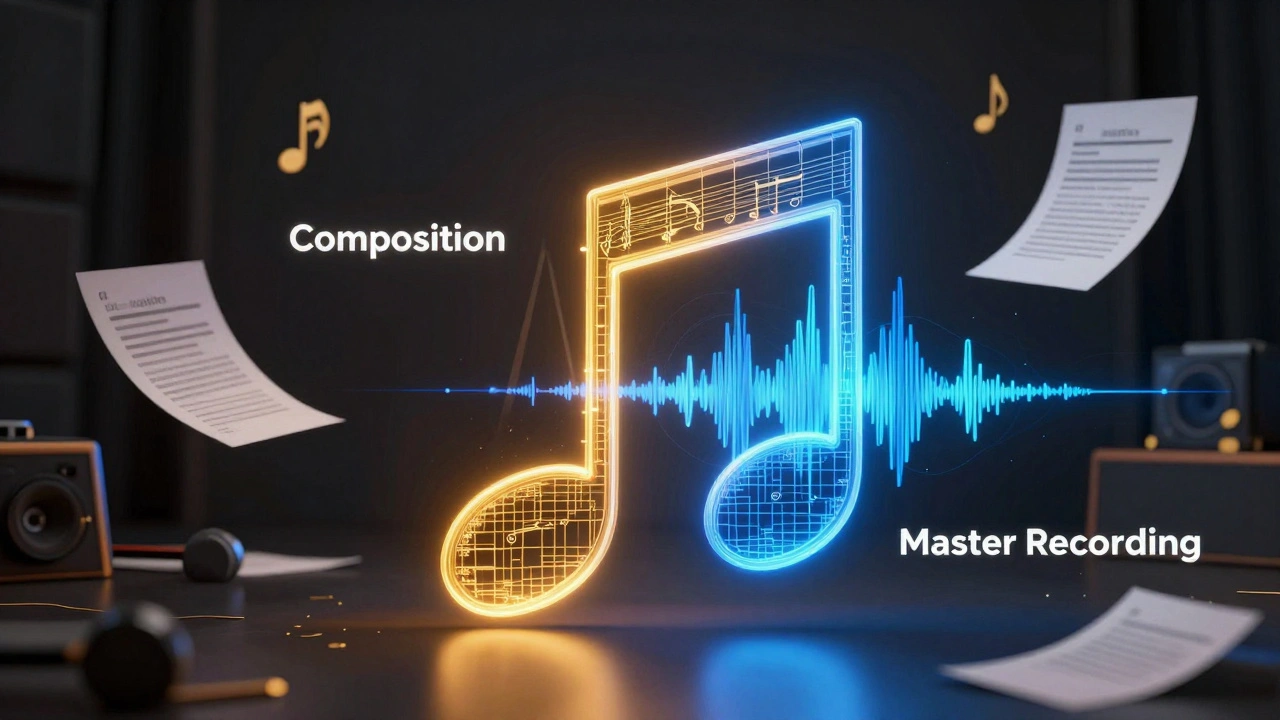
Navigating the Negotiation Process
Getting a license isn't just about writing a check; it's about defining the scope of use. If you leave your contract vague, you might find yourself unable to sell your movie to a streaming platform like Netflix because your license was only for "film festivals." When negotiating, you need to specify the following attributes:- Media: Where will it be shown? (Theaters, TV, VOD, Social Media).
- Term: How long is the license valid? (Perpetuity is the gold standard; a 5-year limit is a nightmare for long-term distribution).
- Territory: Where can the film be seen? (Worldwide is the goal).
- Usage: Is the song in the background, or is a character singing it? (Vocals usually cost more than instrumental background use).
| License Type | Who Grants It? | What it Covers | Typical Cost |
|---|---|---|---|
| Sync License | Music Publisher / Songwriter | The written song (Lyrics/Notes) | Variable (Based on popularity) |
| Master Use License | Record Label / Artist | The specific audio file | Usually higher than Sync |
| Royalty-Free License | Stock Music Site / Composer | Both Composition and Master | Flat fee or Subscription |
Strategic Alternatives for Low-Budget Films
If you're working with a shoestring budget, chasing a Top 40 hit is a recipe for disaster. You'll likely spend more on the song than on your lighting package. Instead, look into these alternatives:- Original Scores: Hire a composer to write a unique piece of music. You can either pay a flat fee for a "work-for-hire" agreement (where you own the copyright) or a lower fee with a revenue-share agreement.
- Royalty-Free Libraries: Services like Epidemic Sound or Artlist provide music where the Rights Management is handled for you. You pay a subscription or a one-time fee, and you get a legal guarantee that you won't be sued.
- Creative Commons: Some artists release music under Creative Commons licenses. Just be careful-some require "attribution" (giving credit), and some strictly forbid "commercial use." If your film is for profit, avoid CC-NC (Non-Commercial) tracks.
- Emerging Artists: Reach out to local bands or students at music colleges. They are often happy to let you use their music for a small fee or even for free in exchange for a credit in the film, which helps them get exposure.
The Paper Trail: Ensuring You Are Protected
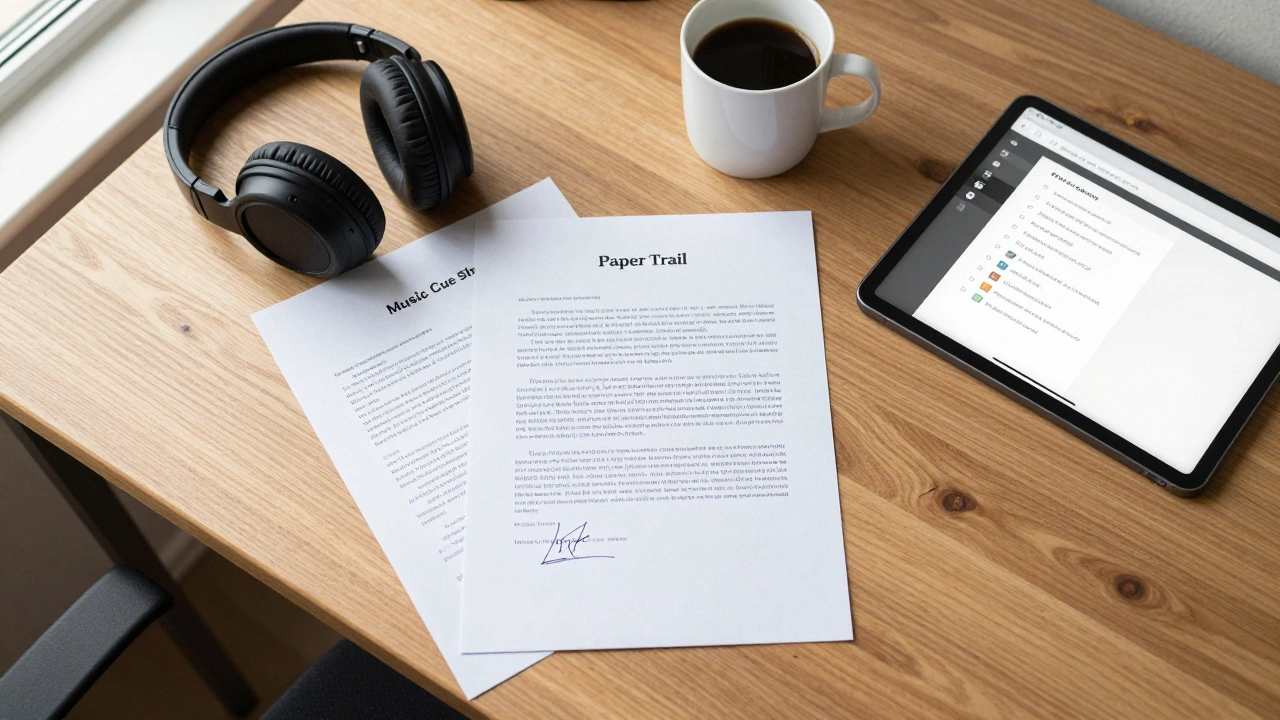
A verbal agreement is not a license. If a band tells you "Yeah, sure, use our song," and then they sign to a major label three years later, that label's legal team will come after you for every cent the film made. You need a written contract signed by the copyright holder. Your music clearance file should include a "Music Cue Sheet." This is a document that lists every piece of music used in the film, the exact time it starts and ends, the duration, and who owns the rights. Distribution companies and PROs (Performance Rights Organizations) like ASCAP or BMI use these sheets to ensure songwriters get their royalties when the film airs on TV or in theaters. Without a clean cue sheet and signed licenses, your film is considered "unclearable," and most reputable distributors will refuse to touch it. They don't want to inherit your legal liabilities.Can I use music if I give the artist credit in the credits?
No. Giving credit is a polite gesture, but it has no legal standing as a substitute for a license. Copyright law requires permission, not just attribution. You still need a sync and master license regardless of whether you credit the artist.
What is a 'Work for Hire' agreement in music?
A Work for Hire agreement is a contract where the composer is paid to create music specifically for your project, and in exchange, you (the production company) own the entire copyright. This means you don't have to pay ongoing royalties or ask for permission to use the music in trailers or sequels.
Do I need music clearance for a trailer?
Yes. Trailers are separate marketing assets. Often, a music license for the film does not automatically cover the trailer. You must ensure your contract specifically includes "promotional use" or "marketing materials" to avoid having to re-clear the music for your teaser.
What happens if I can't afford a song but have already edited it into the movie?
This is called "temp track" syndrome. If you cannot reach a deal with the copyright holder, you must replace the music. Using the song without a license is an invitation for a lawsuit. The best move is to find a similar-sounding royalty-free track or hire a composer to create a "sound-alike" piece that captures the same mood without copying the melody.
Is using a 7-second clip considered Fair Use?
There is a persistent myth that using under 7 or 30 seconds of music is legal. This is false. There is no specific "time limit" in copyright law. Even a one-second sample can be considered infringement if it is a recognizable part of the work.




Comments(5)