
Key Takeaways for Studio Marketers
- Horror films consistently maintain the lowest CPTS due to targeted, viral-leaning organic reach.
- Tentpole Action movies have the highest absolute spend but rely on massive scale to lower the per-ticket cost.
- Mid-budget dramas face the hardest climb, often requiring a 'prestige' campaign that drives up the cost per conversion.
- Digital attribution tools now allow for real-time adjustments, shifting budgets from failing channels to high-performing ones mid-campaign.
To understand why some movies feel like a hit while others disappear, we have to look at the Box Office is the total amount of money a film earns from ticket sales at movie theaters. The relationship between the marketing budget-often called the P&A (Prints and Advertising) spend-and the final ticket count determines the ROI. For example, a studio might spend $30 million on P&A for a superhero film, but because they are targeting a global audience of billions, the cost to acquire a single viewer is often lower than a niche indie film spending only $2 million but struggling to find its specific audience.
The Horror Advantage: Low Spend, High Yield
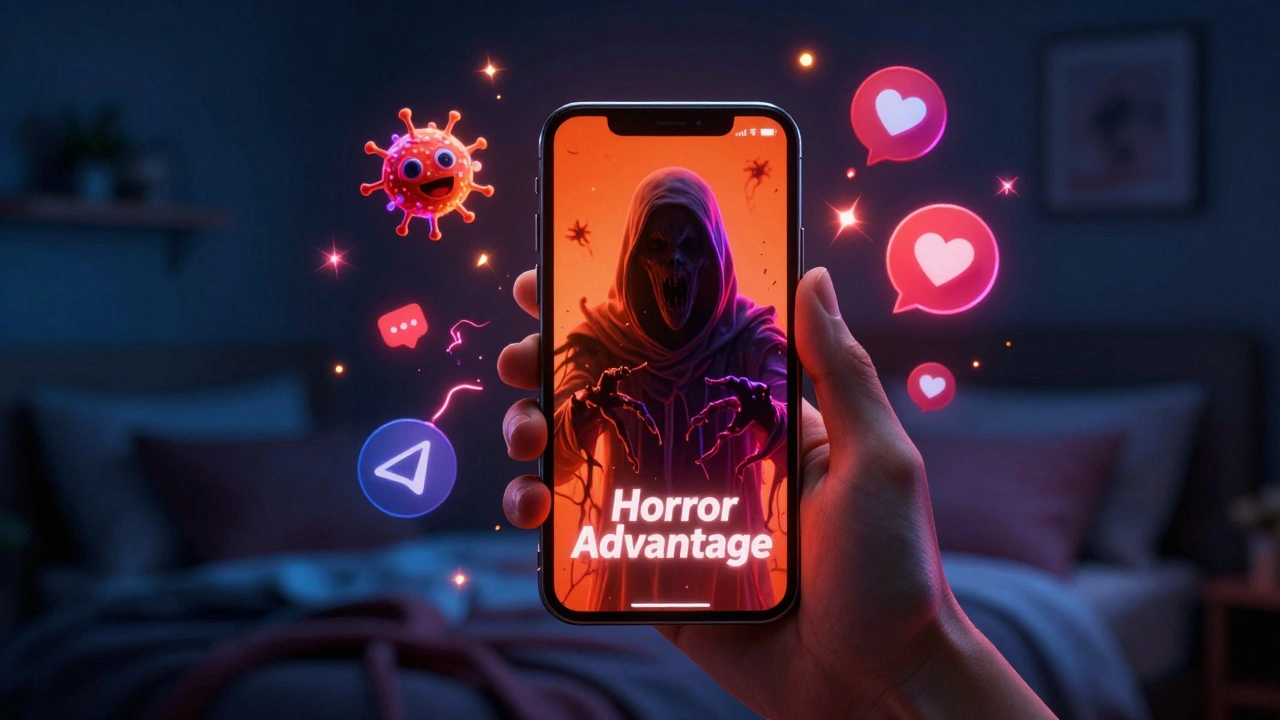
If you want to see the gold standard for efficiency, look at the horror genre. Horror films are the 'growth hackers' of the cinema world. Because the audience is predominantly Gen Z and Millennials, studios lean heavily into TikTok, a short-form video platform used for viral marketing and trend-driven discovery. By creating 'jump scare' clips or interactive AR filters, they trigger organic sharing. When a movie goes viral, the cost of that reach is effectively zero. This drives the CPTS down significantly.
Take a look at the 2024-2025 trend of 'micro-budget' horror. Some of these films enter theaters with a P&A spend of less than $5 million. Because they target a dedicated community of horror enthusiasts who act as unpaid brand ambassadors, these films often see a CPTS of $1.50 to $3.00. Compare that to a romantic comedy, where the audience is broader and less 'tribal,' meaning the studio has to pay for every single single eye via paid Instagram ads or billboards, often pushing the CPTS to $7.00 or more.
The Tentpole Trap: Scaling the Blockbuster
When you're dealing with a Marvel Cinematic Universe or a MCU film, the strategy shifts from 'efficiency' to 'saturation.' These campaigns are designed to make the movie feel like an inevitable cultural event. The budget is astronomical-sometimes matching the production cost itself. We're talking about global takeovers: themed cafes in Tokyo, billboards in Times Square, and integrated product placements in top-tier sporting events.
The danger here is the point of diminishing returns. There is only so much 'hype' a human can absorb. After the 10th trailer, does the 11th actually sell a new ticket? Probably not. This is where the Customer Acquisition Cost (CAC) starts to climb. While the scale keeps the CPTS manageable-usually hovering around $4.00 to $6.00-the absolute waste is massive. Studios often overspend by 20% just to ensure they don't leave a single potential viewer behind, essentially paying a 'safety premium' to guarantee a massive opening weekend.
Comparing CPTS Across Genres
Not all genres are created equal when it comes to the wallet. The psychological trigger that makes someone buy a ticket for a slasher movie is completely different from the one that drives a ticket purchase for a historical biopic. The latter requires trust, prestige, and often a 'must-see' endorsement from critics.
| Genre | Avg. P&A Budget | Avg. CPTS | Primary Driver | ROI Efficiency |
|---|---|---|---|---|
| Horror | Low to Mid | $1.50 - $3.50 | Viral/Social | Very High |
| Action/Superhero | Extreme | $4.00 - $6.50 | Global Saturation | Moderate |
| Comedy | Mid | $5.00 - $8.00 | Star Power | Low |
| Prestige Drama | Mid to High | $7.00 - $12.00 | Awards/Critics | Very Low |
The Prestige Problem: The High Cost of Awards
Now, let's talk about the 'Oscar bait.' For a high-brow drama, the marketing isn't about volume; it's about perception. This is where Critical Acclaim becomes a tangible asset. The studio doesn't just buy ads; they buy 'access.' This includes expensive press junkets, chartered flights for critics to festivals like Sundance or Cannes, and lavish premiere parties. These costs are baked into the P&A spend but don't directly correlate to a click-through rate on a Facebook ad.
Because the target audience for these films is smaller and more discerning, the CPTS skyrockets. You might spend $15 million to convince 2 million people that a three-hour movie about 19th-century whaling is a 'transcendent experience.' That's a CPTS of $7.50. While the ROI on ticket sales alone might look terrible, studios often justify this through 'brand equity' and the hope that an Oscar win will trigger a secondary wave of ticket sales in the second and third weeks of release.

Modern Tactics: Moving from Broad to Precision
The industry is moving away from the 'spray and pray' method. In the old days, you bought a 30-second spot during the Super Bowl and hoped for the best. Today, studios use Programmatic Advertising, the automated buying and selling of online advertising in real-time. This allows them to target users based on extremely specific behaviors. If you've watched three horror trailers on YouTube in the last week, you're going to see an ad for the new A24 movie every time you open your phone.
This precision is killing the 'average' CPTS for mid-budget films. By using First-Party Data from streaming platforms, studios can identify exactly who is likely to buy a ticket. Instead of a $10 million billboard campaign in five cities, they might spend $2 million on hyper-targeted social ads that reach the exact same number of people but with a 10x higher conversion rate. We're seeing a shift where the 'digital-first' campaign is no longer a supplement but the primary engine of the box office.
Common Pitfalls in ROI Calculation
One of the biggest mistakes studios make is ignoring the 'long tail' of the theatrical window. They often calculate ROI based on the opening weekend. But a movie with a high initial CPTS that has 'legs' (sustained interest over several weeks) eventually lowers its average cost per ticket. If the marketing spend was $20 million and the movie sells 2 million tickets in week one, the CPTS is $10. But if it sells another 2 million over the next month without any additional ad spend, the CPTS drops to $5.
Another trap is the 'Vanity Metric.' Millions of views on a trailer look great in a boardroom presentation, but views don't equal ticket sales. A trailer can have 100 million views but a terrible conversion rate if the audience is just 'curious' but not 'committed.' The most successful campaigns focus on 'intent to purchase' markers-like clicking a 'Get Tickets' button-rather than just passive viewership. The goal is to move the viewer from the 'Awareness' stage to the 'Action' stage as cheaply as possible.
What exactly is Cost Per Ticket Sold (CPTS)?
CPTS is a marketing metric calculated by dividing the total marketing and advertising spend (P&A) by the total number of tickets sold. It tells a studio exactly how much they spent to acquire a single moviegoer. For example, if a studio spends $10 million on ads and sells 2 million tickets, the CPTS is $5.00.
Why do horror movies usually have the best ROI?
Horror films benefit from a highly passionate, digitally native audience that shares content organically. This viral nature reduces the need for expensive paid media. Additionally, horror films typically have lower production budgets, meaning the threshold for profitability is much lower than for an action epic.
Does a high marketing budget guarantee a lower CPTS?
Not necessarily. While a massive budget allows for scale, it can lead to diminishing returns. Once a movie has reached most of its target audience, additional spending often yields fewer and fewer new ticket sales, which actually increases the cost per single ticket sold.
How has the internet changed theatrical marketing ROI?
The internet shifted the focus from broad demographics (e.g., "men aged 18-35") to behavioral targeting. Programmatic ads and social media analytics allow studios to find the most likely ticket buyers with surgical precision, significantly lowering the CPTS for niche and mid-budget films.
Why is CPTS so high for prestige dramas?
Prestige dramas rely on a 'critical mass' of acclaim. The cost to build this-through festival appearances, critic screenings, and high-end PR-is expensive and doesn't always translate to immediate ticket sales. Because the audience is smaller and more specific, the cost to reach each single person is higher.
Next Steps for Improving ROI
If you're managing a campaign and the CPTS is climbing too high, the first move is to audit your creative. Often, a high CPTS is a sign that the trailer isn't resonating with the target audience, leading to low conversion rates. Testing three or four different 'hooks' on social media before committing to a massive spend can save millions.
For those in the indie space, stop trying to compete with the big studios on visibility. Instead, double down on community-led growth. Partner with niche influencers, host immersive pre-screening events, and lean into the 'mystery' of your film. The goal is to turn your first 10,000 ticket buyers into a marketing army that sells the next 100,000 for you. When the audience does the marketing, your CPTS drops toward zero, and your ROI goes through the roof.





Comments(6)